Key Takeaways
Learning about Colombia’s armed conflict is easier when we place events in context and listen to affected communities. We can visit museums respectfully and distinguish historical interpretation from tourism.
- The conflict’s roots reach back before the guerrilla groups formed in the 1960s.
- The National Front ended one period of partisan violence but restricted political participation.
- Guerrillas, paramilitaries, state forces, and criminal networks played changing roles.
- The 2016 agreement established commitments on rural reform, reintegration, and transitional justice.
- Museums and community-led accounts can help visitors learn without reducing complex histories to a simple story.
What historical events shaped the conflict?
Learning about colombias armed conflict history begins with the political violence and rural inequality that predated the insurgencies. We can understand the conflict more clearly by separating its longer roots from the armed groups that formed later. The 2016 agreement did not mark the start of this history, but one major effort to address it.
La Violencia and the roots of political division
The period known as La Violencia followed the 1948 assassination of Liberal leader Jorge Eliécer Gaitán. From 1948 to 1958, Liberal and Conservative rivalries were expressed through intense violence, especially in rural areas. Many civilians were killed or forced to flee, while local disputes over land and political power deepened. The decade’s legacy was not a single cause of the later conflict, but it left unresolved divisions and a profound rural toll.
The National Front and unresolved rural tensions
In 1958, Liberal and Conservative leaders agreed to share national political power through the National Front. The arrangement helped reduce partisan conflict, but it also limited access to national politics for other movements. In rural areas, questions of land ownership, security, and state presence remained unsettled. Those tensions mattered because many communities experienced political exclusion alongside persistent local violence.
The formation of guerrilla groups in the 1960s
The FARC and ELN emerged in the 1960s amid rural conflict, political exclusion, and the wider Cold War. FARC grew from communist organizing and peasant self-defense networks, while the ELN drew support from students and left-wing activists. Their origins were distinct, and neither group represented all rural communities. For a concise conflict history overview, we can compare timelines with museum accounts and Colombian sources.
Who were the main actors, and how did their roles change?
No single organization explains the conflict, and the identities and alliances of armed actors changed over time. We can distinguish insurgent groups, paramilitary organizations, state forces, and criminal networks without treating them as interchangeable. Civilians were not simply observers: they faced coercion, displacement, and difficult choices shaped by local conditions.
FARC and other guerrilla organizations
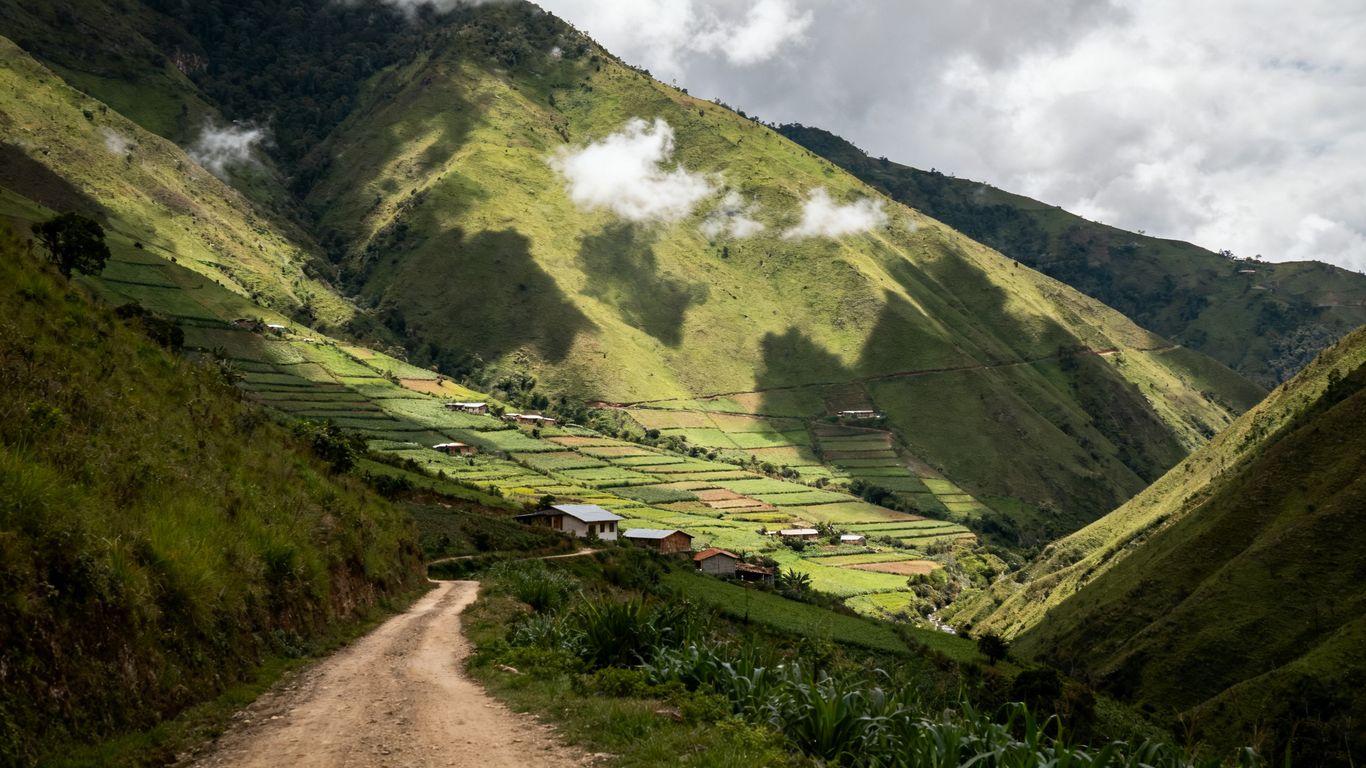
FARC became the country’s largest guerrilla organization, while the ELN and other armed groups operated in different areas and periods. Their political aims, structures, and relationships with local populations varied. Some communities faced recruitment, threats, or taxation by armed groups; others negotiated for practical reasons or opposed their presence. We should therefore avoid describing a whole region as if residents shared one political position.
Paramilitary groups and their ties to local power
Paramilitary organizations expanded in several regions, often presenting themselves as forces against guerrillas. Their histories included links with landowners, economic interests, and, in some cases, state actors. These relationships differed by place and period, so broad claims can hide important distinctions. Paramilitary violence also targeted civilians, including people accused of supporting insurgents.
State forces, civilians, and changing alliances
State institutions and security forces had changing roles, and abuses by state actors have been documented alongside their responsibility for public security. Civilians endured pressure from multiple sides and could be labeled collaborators based on suspicion alone. Local context matters when we read an account of an operation, a massacre, or a displacement. The same event may be remembered differently by survivors, officials, and later investigators.
How did the conflict develop over time?
The conflict shifted as armed groups competed for territory, funding, and political influence. Drug trafficking brought new money and incentives into some regions, but it did not create the conflict’s earlier political and social roots. We can track broad turning points while remembering that each department and community experienced them differently.
Rural insurgencies and expanding territorial control
Guerrilla groups established influence in rural areas where state presence was limited or contested. Territorial control could involve political organizing, armed enforcement, and pressure on residents. Over time, the conflict affected transport, farming, local governance, and access to services. Control was rarely static, and a map of armed presence cannot capture how people navigated daily life.
The growth of drug trafficking and its influence
As the illegal drug economy grew, it changed the resources available to armed actors and the stakes of controlling land and routes. Some groups taxed or participated in parts of the trade; criminal organizations also had their own interests. The relationship between trafficking and conflict varied across regions and decades. Treating all violence as a consequence of drugs would obscure older disputes over land, power, and political representation.
Major shifts from the 1980s through the 2000s
The 1980s brought expanding paramilitary violence and new political efforts, while the 1990s and 2000s saw major military campaigns and changing territorial dynamics. Peace talks and negotiations took place at different moments, with varying outcomes. The sequence below offers a broad orientation, not a complete account of every region.
| Period | Broad development | Why it matters |
|---|---|---|
| 1980s | Paramilitary organizations expanded in several areas | Violence involved additional actors and local power struggles |
| 1990s | Armed groups and criminal economies changed in reach and resources | Control and civilian exposure shifted across regions |
| 1999–2002 | Government and FARC held talks in the Caguán region | Negotiations did not produce a final agreement |
| 2012–2016 | Government and FARC negotiated a peace agreement | The process led to the 2016 accord |
This timeline helps us place events without suggesting a smooth or uniform progression. The effects of each period differed by location, and later agreements did not erase earlier harm.
What did the 2016 peace agreement establish?
The 2016 agreement between the Colombian government and FARC set out a framework for ending FARC’s armed struggle and addressing several conflict-related issues. It included commitments on rural reform, political participation, reintegration, and transitional justice. We should read it as a detailed agreement with an implementation process, not as an instant end to every form of violence.
The negotiations between the government and FARC
Negotiations began in 2012 and concluded with an agreement signed in 2016. Colombian voters rejected an earlier version in a referendum, after which the parties revised the text. The final agreement was signed in November 2016. The negotiations addressed the relationship between the state and FARC, while other armed actors remained outside that bilateral process.
Reintegration, rural reform, and transitional justice
The agreement established provisions for FARC members to lay down arms and pursue civilian and political participation. It also included plans for rural reform and a transitional justice system focused on truth, accountability, and victims’ rights. These commitments involved different institutions and timelines. Their aims are easier to understand when we distinguish legal provisions from the often slower work of carrying them out.
Implementation challenges and ongoing violence
Implementation has faced political disputes, delays, and security concerns. Violence has continued in some areas, including attacks on community leaders and former combatants, while armed groups and local dynamics have shifted. The agreement addressed the government and FARC, not every armed organization or criminal economy. For visitors, that distinction prevents a misleading assumption that a signed accord made every part of Colombia safe or peaceful at once.
How did the conflict affect Colombian communities?
The conflict’s human consequences include deaths, displacement, disappearances, threats, and disrupted community life. Experiences differ by region, identity, and period, and no brief account can encompass them all. When we visit places connected to this history, we should treat testimony as lived experience rather than scenery for a trip.
Displacement, disappearances, and civilian harm
Millions of people have been displaced within Colombia, and families have also searched for relatives who disappeared. Civilians faced threats, forced recruitment, killings, and the loss of homes or livelihoods. These harms were committed by different actors and in varied circumstances. We should avoid using a single statistic as if it could convey the full range of personal and community losses.
Regional differences in experiences and impacts
Conflict patterns varied across the country. In some regions, residents faced repeated displacement; elsewhere, communities endured recruitment, extortion, or restrictions on movement. The table is only a guide to questions we might ask, not a fixed description of every town or department.
| Setting | Questions to consider | Possible community impacts |
|---|---|---|
| Rural areas | Who controlled land and movement? | Displacement, threats, and disrupted farming |
| Urban neighborhoods | How did armed networks affect daily life? | Extortion, recruitment, and fear |
| Border regions | How did routes and shifting groups shape security? | Movement restrictions and changing local risks |
These categories overlap, and the same community may have experienced several forms of harm. We learn more by attending to specific local histories instead of assuming a uniform national experience.
Victims’ accounts, memory, and public commemoration
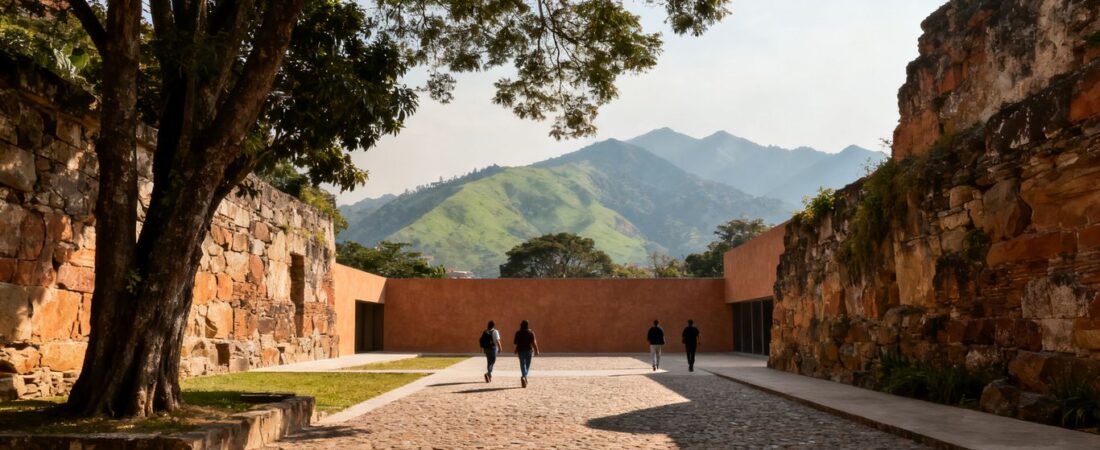
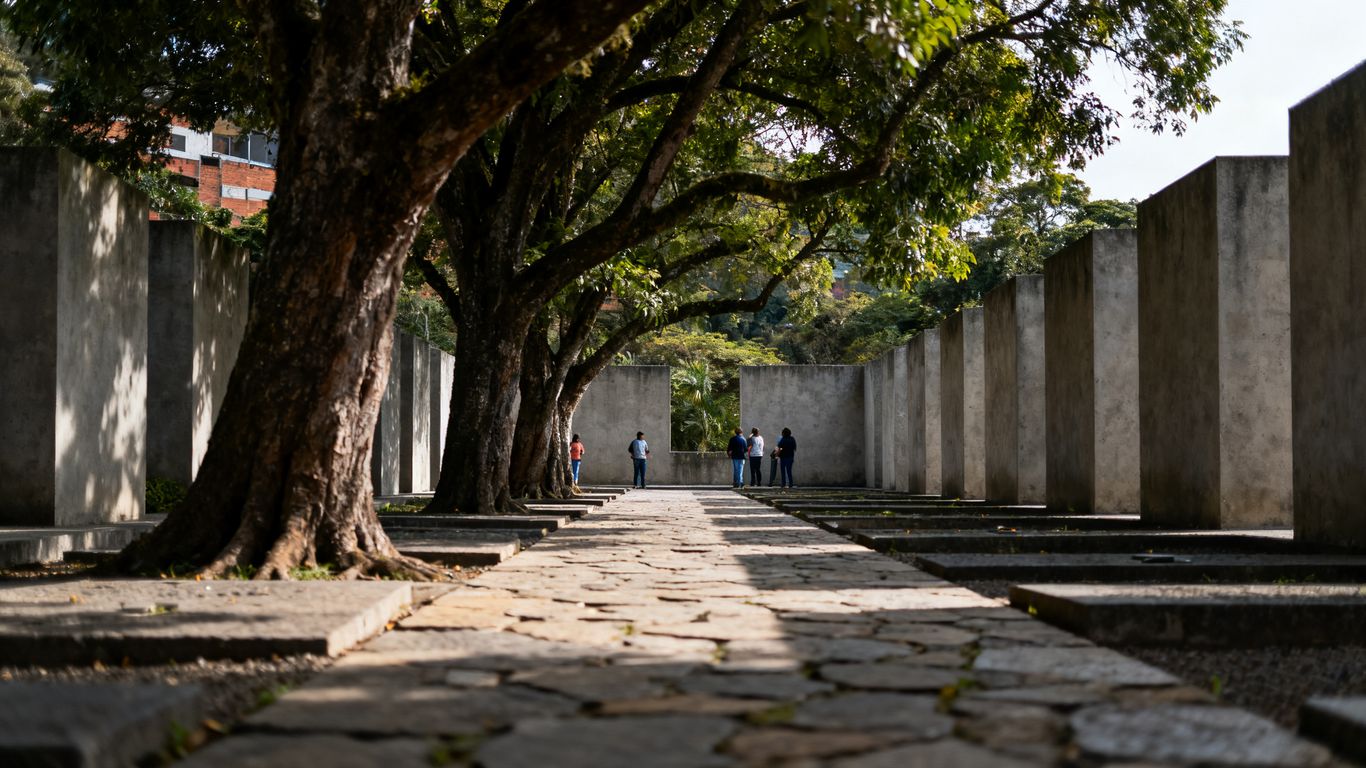
Survivors’ accounts, archives, and memorials preserve details that broad timelines can leave out. In Medellín, the Museo Casa de la Memoria presents personal accounts, historical materials, and art about conflict and resistance. We can take time with exhibits, follow the institution’s guidance, and avoid photographing people without permission. Listening does not require us to claim that we understand someone else’s experience.
How can visitors learn about this history responsibly?
We can learn responsibly by choosing credible institutions, checking dates and sources, and making space for local voices. Museums and memorials can help us understand events that tourist shorthand often compresses. A visit should leave room for complexity rather than turning suffering into a dramatic anecdote.
Museums, memorials, and cultural institutions
Museums can connect testimony with documents, art, and historical context. We can read exhibit descriptions carefully and notice whose voices are present, as well as which questions remain open. Medellín’s memory museum offers a grounded starting point for understanding the city’s history. We can also consult a Colombian conflict context guide alongside local exhibits rather than relying on a single overview.
Choosing informed tours and local guides
A responsible tour explains its sources, acknowledges uncertainty, and treats residents as people rather than props. Before booking, we can ask who leads it, how the route was developed, and whether community perspectives shape the account. These checks help separate education from sensational storytelling. When a search produces unrelated pages, including a pain relief guide, a firearms privacy policy, supply chain software, gold trading advice, or remote mining buildings, we should not treat them as evidence about Colombia’s conflict.
For a separate cultural activity in Laureles, the Colombian Cacao Experience is a hands-on bean-to-bar workshop, not a conflict-history tour. Its approximately 3.5-hour format concerns cacao and chocolate making, rather than the events covered in a museum. We can keep those subjects distinct when planning a visit. The workshop is one cultural option, not a substitute for listening to communities affected by violence.
Asking respectful questions and avoiding oversimplification
We can ask open questions about how a community remembers an event, while accepting that some people may not wish to discuss it. Avoid assuming that one guide speaks for an entire neighborhood or that every account must resolve into a neat conclusion. If we want another non-conflict cultural activity, the Colombian Cacao Experience focuses on cacao traditions in Laureles. That distinction helps us learn without turning unrelated activities into explanations of the armed conflict.
When planning a Medellín visit, we can place the Colombian Cacao Experience in a separate part of the itinerary from memorials and history-focused visits. Its subject is cacao, and its workshop offers a different way to engage with local culture. Keeping the contexts clear allows each experience to be approached on its own terms.
Conclusion
Colombia’s armed conflict grew from a long history of political division and unresolved rural tensions, then changed as armed actors and economies shifted. The 2016 agreement created important commitments, while implementation and local security remain complex. We can learn with care by consulting museums, listening respectfully, and resisting explanations that flatten diverse community experiences.
Frequently Asked Questions
When did Colombia’s armed conflict begin?
Its roots predate the guerrilla movements formed in the 1960s. Political violence, rural tensions, and exclusion shaped the conditions in which those groups emerged.
What was La Violencia?
La Violencia was a period of intense partisan violence, commonly dated from 1948 to 1958. It deeply affected rural communities and left unresolved political and social tensions.
What was the National Front?
The National Front was a power-sharing arrangement between Colombia’s Liberal and Conservative parties beginning in 1958. It helped reduce partisan fighting but limited political access for other movements.
Which groups signed the 2016 peace agreement?
The Colombian government and FARC signed the final agreement in November 2016. Other armed groups were not parties to that agreement.
Did the 2016 agreement end all violence in Colombia?
No. It established commitments to end FARC’s armed struggle and address broader issues, but violence and insecurity continued in some areas.
What did the agreement include?
It included provisions on rural reform, political participation, reintegration, and transitional justice. Implementation required sustained work by institutions and communities.
Where can visitors learn about conflict history in Medellín?
The Museo Casa de la Memoria offers exhibits and accounts related to conflict and resistance. Visitors can also consult archives and community-led cultural institutions, following their guidance respectfully.