
We’ve been exploring Medellín and wanted to share some thoughts on the Museo Casa de la Memoria. It’s a place that really helps you understand the city’s past. We found it gave us a lot of context for everything else we saw. If you’re looking to get a real feel for Medellín’s journey, this museum is definitely worth your time. It’s not just about history; it’s about people and how they’ve moved forward.
Key Takeaways
- The Museo Casa de la Memoria offers a look into Medellín’s history of conflict and peace efforts.
- Its exhibits use personal stories and multimedia to explain the city’s past.
- Visiting the museum helps us understand Medellín’s transformation and resilience.
- The museum is free to enter and is accessible via public transport.
- It’s a good place to visit early in your trip for historical context.
Understanding Medellín’s Past at Museo Casa de la Memoria
A Beacon of Remembrance and Resilience
The Museo Casa de la Memoria serves as a vital space for understanding Medellín’s complex history. It honors victims of conflict. The museum helps us comprehend the city’s journey. It shows resilience and the path toward peace. This place offers a window into the city’s soul. It provides context for Medellín’s transformation.
Purpose and Inauguration of the Museum
The museum’s main goal is to commemorate and understand Colombia’s armed conflict. It focuses on how violence impacted Medellín and the Antioquia region. Inaugurated in 2012, it acts as both a memorial and an educational center. It aims to give voice to victims. It also promotes dialogue about peace and reconciliation. Research for the museum began around 2006. It was part of a victim assistance program. The museum opened its doors in the Parque Bicentenario.
Beyond Artifacts: Immersive Storytelling
Casa de la Memoria goes beyond displaying old objects. It uses multimedia exhibits and personal stories. Interactive displays and art are also featured. This creates an immersive experience for visitors. It helps us grasp the social and political dynamics. These forces shaped the region’s history. The museum presents difficult truths. It balances them with stories of hope. This approach makes the history more relatable. It encourages reflection on the past.
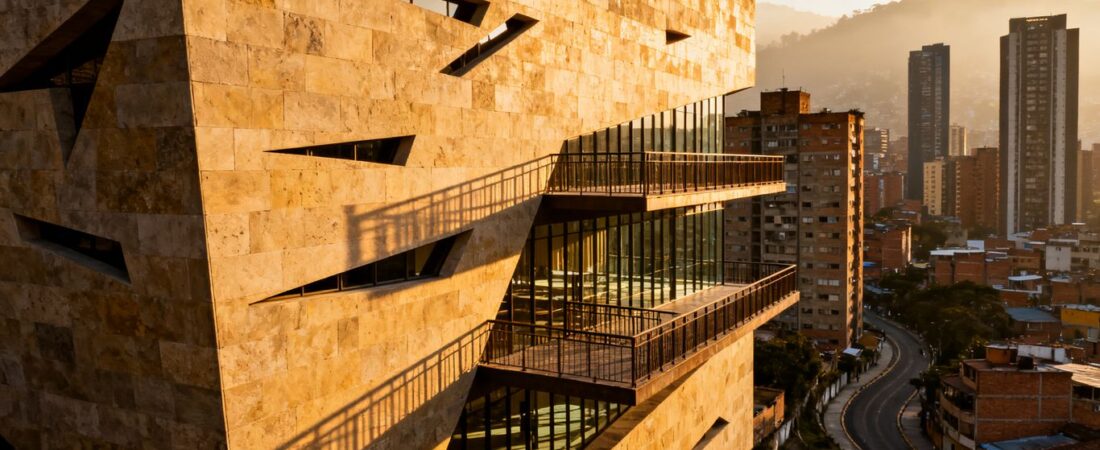
The museum’s design itself is symbolic. Its angular concrete structure represents the landscape and conflict. It makes a strong visual statement. This prepares visitors for the content inside. The architecture is part of the narrative.
We found that the museum’s permanent exhibition is called "Medellín: Memories of Violence and Resistance." It guides visitors through significant historical moments. Personal accounts, photographs, and videos are used. These elements offer insights into:
- The origins of Colombia’s internal conflict.
- The impact of violence on ordinary people.
- Examples of community strength and peace efforts.
- Medellín’s ongoing transformation and challenges.
Temporary exhibitions also explore specific themes. These rotating displays offer fresh perspectives. They ensure return visitors find new content. We recommend checking the museum’s schedule for current temporary exhibits. This adds another layer to the visit. It provides a more complete picture of the city’s memory work. You can find more information about the museum’s history and purpose at Museo Casa de la Memoria. The museum is a place to learn about the past. It is also a place to reflect on the present. We believe it is a key stop for understanding Medellín. It helps us appreciate the city’s progress. It also highlights the work still being done for peace. Research for the museum was influenced by historical studies like Mary Roldan’s work. This academic background informs the exhibits.
Navigating the Architecture and Location
The Museo Casa de la Memoria has a distinct architectural style. Its location is also quite accessible. We found the building itself to be a significant part of the experience. It stands as a modern structure within the city.
Symbolic Design of the Museum
The museum’s design is intentional. Architects aimed to reflect the Colombian landscape. It also represents the difficult realities of conflict. The angular concrete form makes a strong visual statement. It prepares visitors for the themes inside.
Accessibility via Public Transport
Getting to the museum is straightforward. It is located in the Boston neighborhood. This area is near downtown Medellín. We used the Medellín Metro to get there. The nearest station is Parque Bicentenario. This makes it easy to reach for many visitors. It is part of the city’s effort to connect areas.
Proximity to Other City Attractions
The museum is situated within Memory Park. This park itself is a place for reflection. It runs along the Santa Elena Creek. The museum is also close to other parts of the city. You can easily combine a visit here with other activities. It is a good starting point for understanding Medellín’s history. Consider exploring the Parque Bicentenario after your visit.
Exploring the Exhibits: A Journey Through Conflict
Permanent Exhibition: ‘Medellín: Memories of Violence and Resistance’
The museum’s core exhibition, ‘Medellín: Memories of Violence and Resistance,’ offers a direct look at the city’s difficult past. We explore the impact of armed conflict through various media. This exhibit uses personal accounts, historical documents, and artistic works. It aims to present a clear picture of what happened. We can see how violence affected daily life here. The displays cover the roots of the conflict and its consequences. This is where we begin to understand the city’s journey. It’s a foundational part of the museum’s message. We learn about the struggles faced by many.
Understanding the Roots of Conflict
This section of the permanent exhibit helps us grasp the origins of the violence. We examine the social and political factors involved. Interactive screens provide a historical timeline. We can scroll through key events that shaped the country. Newspaper archives and video testimonials are available. These resources detail the complex causes. They show how different groups were affected. Understanding these roots is important. It helps us see the bigger picture. We gain context for the stories that follow. It’s a detailed look at historical causes.
Stories of Resilience and Peace Initiatives
Beyond the conflict, we discover stories of strength. The exhibit highlights how communities responded to violence. We see examples of people working for peace. There are displays dedicated to specific groups. These include journalists, human rights activists, and women. Their experiences show a different side of the city’s history. We learn about their efforts to rebuild and heal. These narratives offer a sense of hope. They show the power of collective action. It’s about overcoming adversity. We see the beginnings of change.
Engaging with Temporary Exhibitions
Downstairs, we find the museum’s temporary exhibitions. These displays change regularly, offering fresh perspectives. They often focus on specific themes or periods. For example, one exhibit might explore recent decades of Medellín’s history. Another could focus on art related to memory. These rotating exhibits ensure there is always something new to see. They complement the permanent collection. They invite deeper reflection on specific topics. We can explore different facets of memory and healing. These exhibits add another layer to our visit. They keep the museum’s message dynamic.
Why a Visit to Museo Casa de la Memoria is Essential
Gaining Crucial Cultural Context
Visiting the Museo Casa de la Memoria provides essential context for Medellín’s transformation. We see how the city moved past difficult times. Understanding this past helps us appreciate the present. It makes exploring other parts of the city more meaningful. You’ll better grasp the resilience evident everywhere.
Connecting with Human Stories
This museum connects us directly with the people of Medellín. We hear their personal stories and experiences. These narratives make historical events feel real. They show the human impact of conflict and recovery. It’s a powerful way to understand the city’s soul.
Supporting Peace Education Efforts
Our visit supports the museum’s work in peace education. It helps fund programs that promote reconciliation. The museum actively works with communities. It contributes to building a more peaceful future. Your presence makes a difference.
The museum doesn’t just display history; it actively engages with it. It serves as a space for reflection and dialogue. This engagement is key to understanding Medellín’s ongoing journey. It highlights the importance of memory in healing.
Planning Your Visit to the Museo Casa de la Memoria
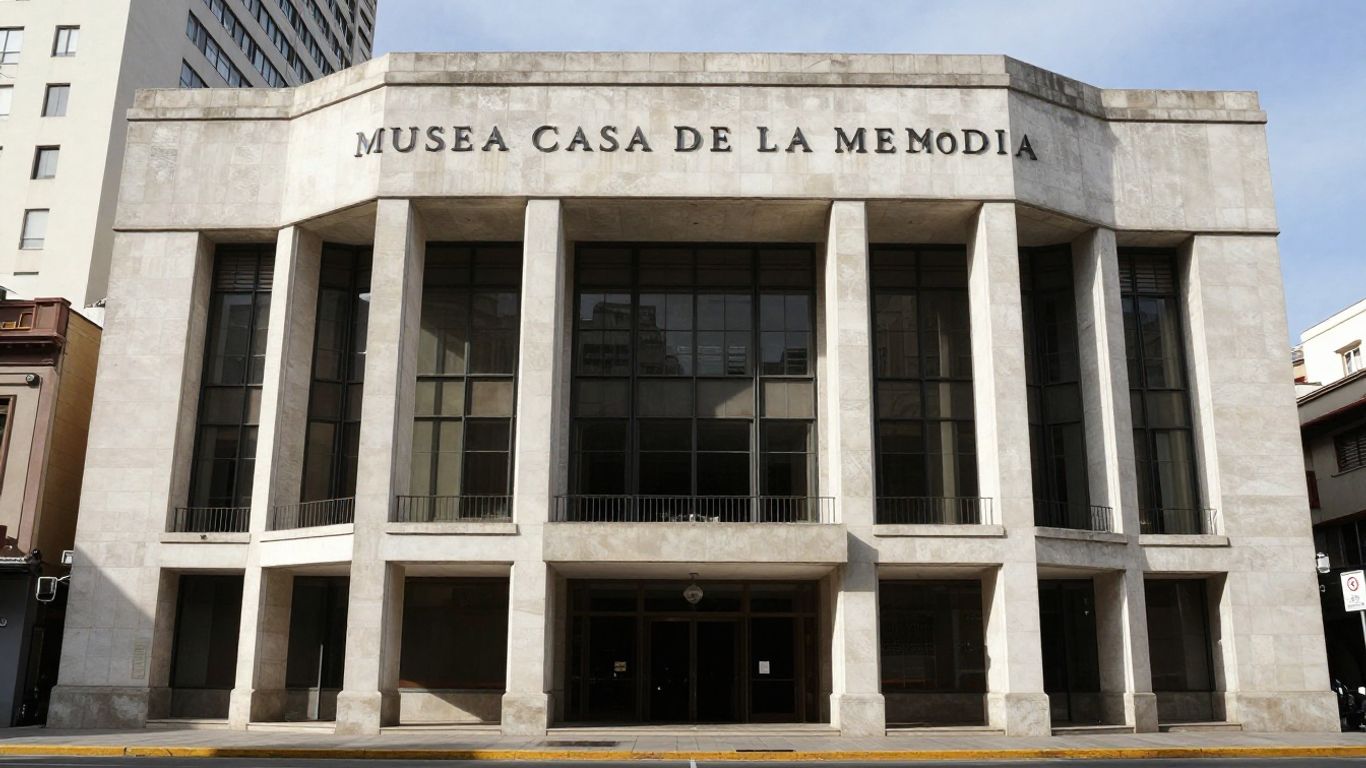
Planning your visit to the Museo Casa de la Memoria is straightforward. We want to make sure you have all the details. This section covers operating hours, admission, and visitor tips. Our goal is to help you prepare for a meaningful experience.
Museum Operating Hours and Admission
The museum is open Tuesday through Friday. It welcomes visitors from 9 AM to 6 PM. On Saturdays, Sundays, and holidays, the hours are shorter. You can visit from 10 AM to 4 PM. The museum is closed on Mondays. Admission to the Museo Casa de la Memoria is free for all visitors. Donations are appreciated. You can support the museum’s work. Consider contributing if you can.
Tips for an Enriching Visitor Experience
To get the most out of your visit, allow at least two hours. Some exhibits contain sensitive material. Reflection spaces are available if needed. Consider booking an English-speaking guide in advance. This can provide deeper context. Check availability for guided tours at Casa de la Memoria.
- Allow ample time: Set aside at least 2 hours.
- Consider a guide: For deeper insights, especially if Spanish is a barrier.
- Prepare emotionally: Some content is intense; reflection spaces are provided.
- Check for special events: The museum sometimes hosts workshops or talks.
Photography and Visitor Guidelines
Photography is permitted in most areas of the museum. Please use your camera without flash. This protects the exhibits. Respect the space and other visitors. The museum is a place for quiet reflection. Follow staff instructions. Be mindful of the solemn nature of the exhibits. We want everyone to have a respectful experience.
Extending Your Learning Beyond the Museum
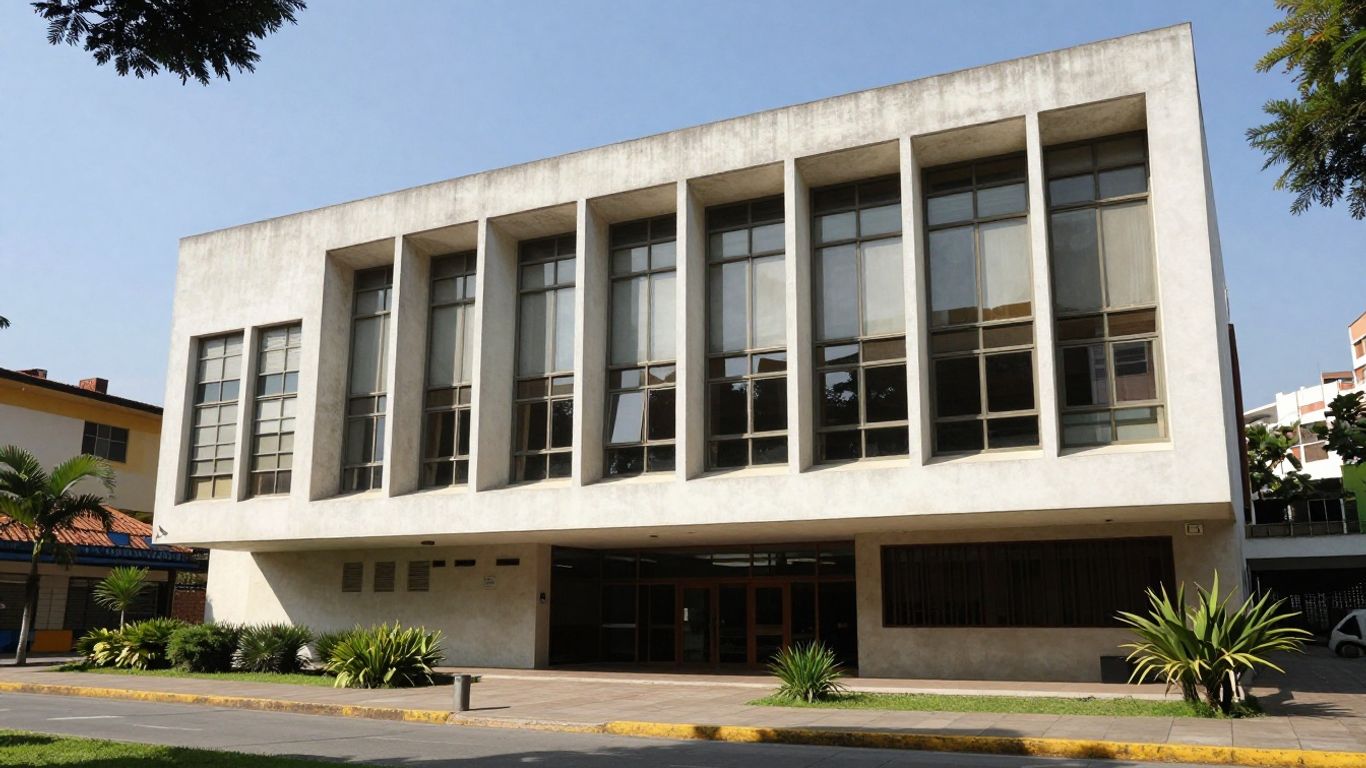
Our visit to the Museo Casa de la Memoria doesn’t have to be the end of our exploration. We can continue to learn about Medellín’s past and present. Several options exist to deepen our understanding of the city’s journey. These activities connect us further to the community’s efforts.
Exploring Memory Park and Surrounding Areas
Adjacent to the museum is Memory Park, or Parque de la Memoria. This space offers a quiet area for reflection. It’s part of a larger urban renewal project along the Santa Elena Creek. The park itself symbolizes renewal and remembrance. We can walk through it to appreciate the city’s commitment to public spaces. It provides a different perspective on the themes presented inside the museum. This area is a good place to process what we’ve seen.
Participating in Museum Workshops
The museum sometimes hosts workshops. These events offer hands-on engagement with memory and peacebuilding. They are often focused on specific community projects or historical events. Checking the museum’s schedule before our visit is a good idea. Participating in a workshop can provide direct interaction with local facilitators. It’s a way to contribute to ongoing dialogue. These sessions can be very insightful.
Connecting with Community Transformation Projects
Medellín’s transformation is an ongoing process. We can learn more by visiting neighborhoods that have undergone significant change. Many community-led projects are working towards peace and development. These initiatives often have roots in the history the museum explores. Learning about these projects shows the city’s resilience. We can look for opportunities to engage respectfully. This offers a view of the city’s future. Some tours focus on these aspects of Medellín’s transformation.
The museum’s work extends beyond its walls. It encourages continued learning and engagement with the city’s complex history. By exploring these related sites and activities, we gain a more complete picture. We see how memory is actively shaping the present and future.
Our Final Thoughts on Casa de la Memoria
Visiting the Museo Casa de la Memoria really gives you a clearer picture of Medellín’s past. It’s not always an easy experience, but it feels important to see how the city has worked through its history and moved forward. We think it’s a place that helps you understand the people and the spirit of Medellín much better. If you’re looking to connect with the real story of this city, beyond just the tourist spots, we definitely recommend making time for it. It’s a place that stays with you.
Frequently Asked Questions
What is the Museo Casa de la Memoria about?
We created this museum to help everyone understand the difficult times Medellín and Colombia went through because of conflict. It’s a place to remember the people who were hurt and to think about how we can build peace together.
How can we get to the museum?
The easiest way to reach us is by using the Medellín Metro. Take the A or B line to San Antonio station, then transfer to the tram and get off at Bicentenario station. From there, it’s just a short walk.
How much does it cost to visit?
We believe everyone should be able to learn about our history, so visiting the museum is completely free. We do appreciate any donations you might want to give to help us continue our work.
Can we take pictures inside?
Yes, you are welcome to take photos in most areas of the museum. However, please make sure not to use flash photography, as it can damage some of the displays.
What should we expect in the exhibits?
Our exhibits show personal stories, photos, and videos about the conflict and how people worked towards peace. Some of the content can be intense, but we also share many hopeful stories of resilience.
Is it better to visit alone or with a guide?
You can definitely explore on your own, but a guided tour can offer deeper insights. We recommend booking an English-speaking guide in advance if you want a more detailed understanding of the exhibits.