
Key Takeaways
Visiting a craft chocolate workshop offers an authentic look into Colombia’s rich agricultural heritage. We provide these essential highlights for planning your trip.
- The Colombian Cacao Experience is currently ranked as the top workshop in Medellín.
- Hands-on production involves roasting, peeling, and grinding beans using traditional methods.
- Laureles serves as the most accessible and safe neighborhood for attending cultural classes.
- Booking your session at least two weeks in advance ensures availability for private groups.
- Local artisan shops provide cost-effective alternatives to mass-market fragrance and souvenir retailers.
What is the best bean to bar chocolate experience in Medellín?
The absolute best way to explore chocolate production is the Colombian Cacao Experience located in the Laureles district. This session allows you to craft your own chocolate bar while learning about regional cacao farming history. It is currently the most highly rated activity of its kind for visitors seeking an authentic bean to bar chocolate experience medellin today.
The Colombian Cacao Experience overview
This workshop focuses on traditional methodology rather than industrial shortcuts. You will spend time learning how local families treat cacao as a sacred ingredient during their daily life. It serves as the ultimate indoor adventure for those looking to avoid standard city tours.
Workshop duration and cost breakdown
Each session lasts approximately 3.5 hours and costs 160,000 COP per person. The price covers all materials plus a signature cacao sour cocktail and a demonstration of traditional exfoliation rituals. You can book morning or afternoon slots depending on your preferred schedule.
Trust signals and TripAdvisor ranking criteria
As the #1 ranked workshop in the city, the operation maintains a perfect 5.0 rating on major travel platforms. These rankings are based on consistent guest satisfaction metrics and the quality of the hands-on education provided. Quality standards like these are why ethical fading is never a concern for organizers prioritizing cultural integrity over profit.
Understanding the bean to bar process in Colombia
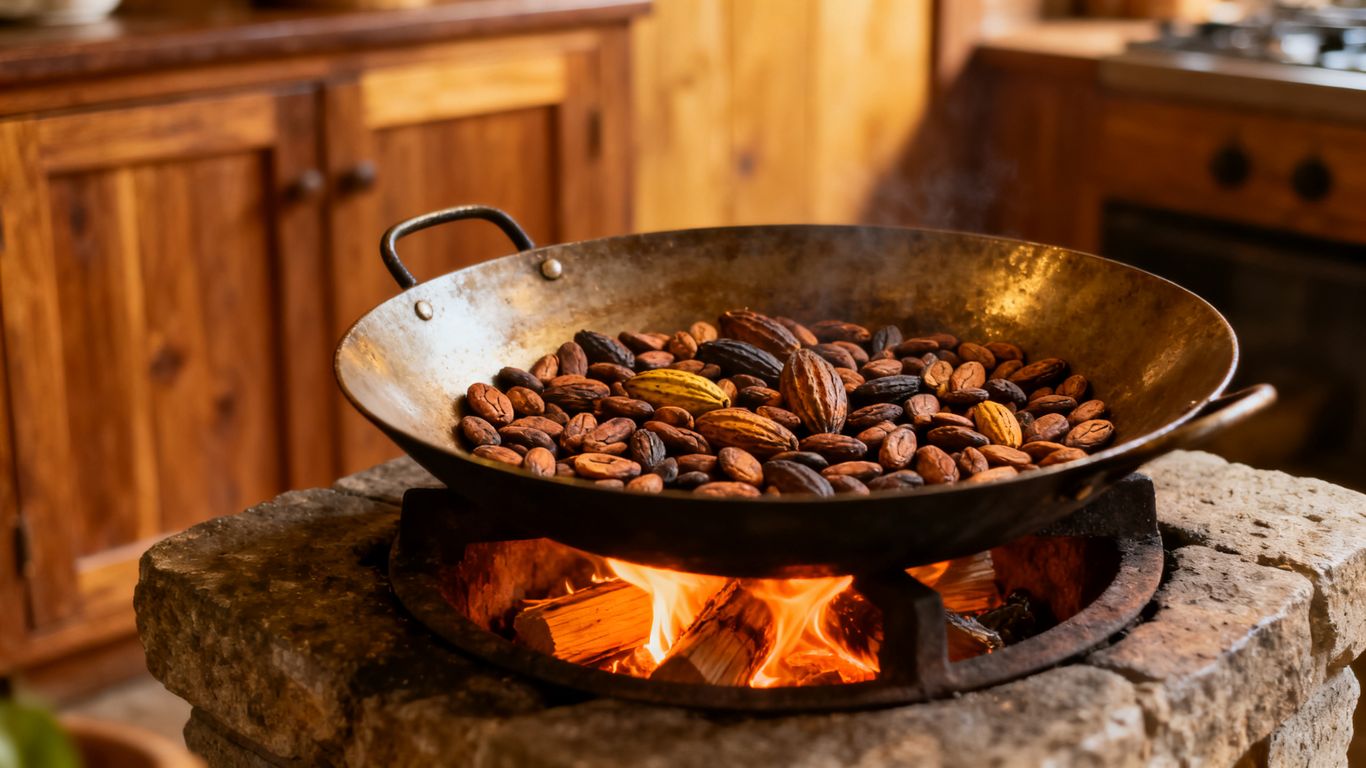
We begin the transformation by selecting only the finest beans from regional farms. This manual approach ensures that every batch contributes to the vibrant final flavor profiles found in Colombian cacao. The process is both physically engaging and deeply tied to the history of the Colombian Coffee Region.
Roasting raw cacao beans over an open fire
Roasting happens over a controlled wood flame to bring out intrinsic aromas within the bean. You will observe how heat intensity changes the texture and scent of the cacao before the next stage. This stage is critical for developing the signature profiles expected in high-quality artisan chocolate.
Traditional grinding techniques using the molino
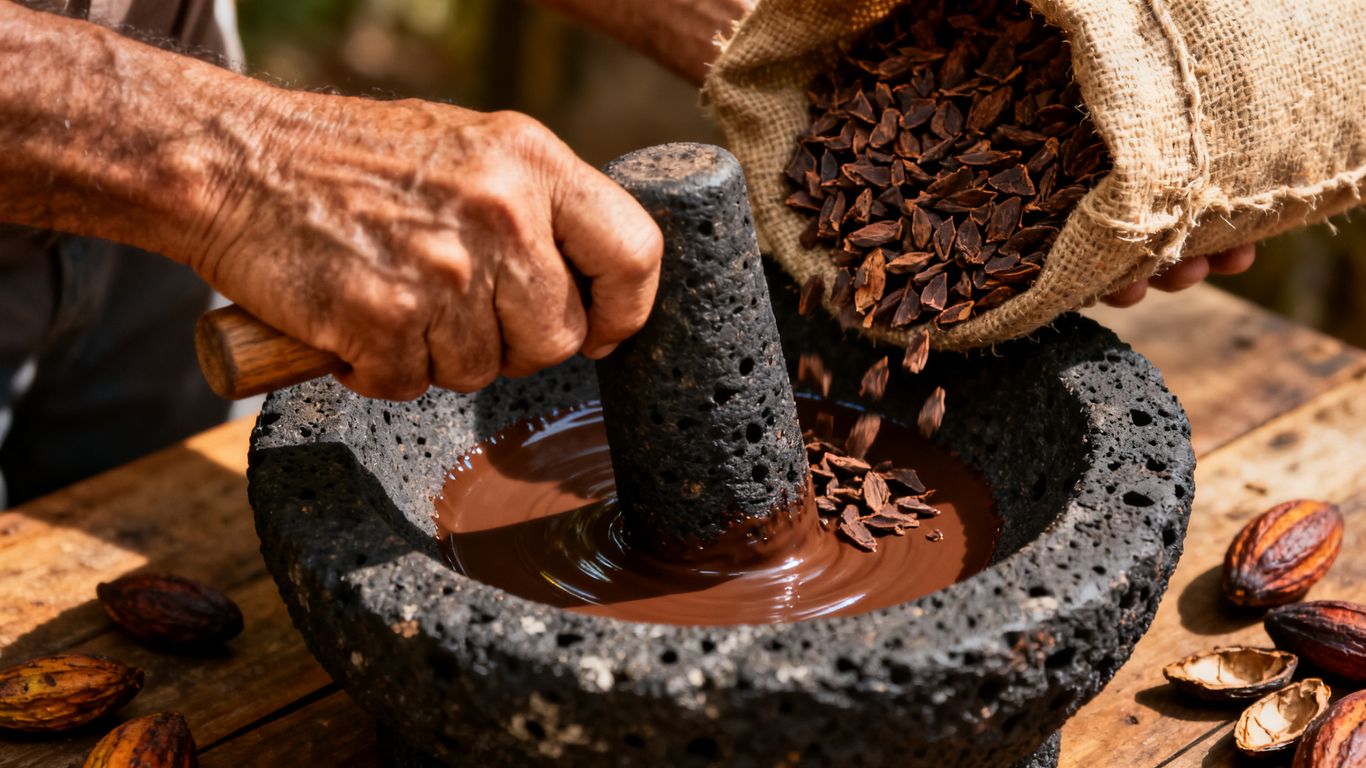
The molino is a manual grinder that breaks down roasted nibs until they reach a liquid paste consistency. You will manually turn the handle to witness how hard beans yield to soft, aromatic chocolate essence. This method follows these steps:
- Feed broken nibs into the upper hopper carefully.
- Apply consistent pressure to ensure even grinding.
- Collect the resulting liquid paste in a clean basin.
- Temper the mixture to prepare it for molding.
The historical significance of cacao ceremonies
Cacao acts as an ancestral bridge between the land and the local people who cultivate it for generations. These ceremonies honor the botanical importance of the tree in Latin American culture. Participants gain a deeper appreciation for why this crop remains central to local identity.
Logistics for your chocolate making class
Managing your time in Medellín requires understanding local booking patterns and transit expectations. Workshops usually run at fixed times to maintain the quality of the small-group experience for all participants. The table below provides a quick reference for your planning.
| Feature | Requirement | Notes |
|---|---|---|
| Booking Lead Time | 2 Weeks | High seasonal demand |
| Attire | Closed toes | Recommended for safety |
| Max Group Size | 8 People | Ensures personalized attention |
| Availability | Daily | Morning and afternoon slots |
Online booking requirements and lead times
We strongly recommend securing your spot online to guarantee availability for your preferred date. Short-notice walk-ins are difficult to accommodate due to the nature of the artisanal process. This advanced planning allows the team to source fresh ingredients for every participant.
Recommended attire for hands-on production activities
Preparing raw cacao involves heat and moderate physical exertion using manual tools. We suggest wearing comfortable shoes that protect your feet while standing for extended periods in the kitchen. Avoid synthetic fabrics that may react poorly to heat from the roasting fire.
Managing group sizes and private session availability
Private sessions are the ideal choice for families or specialized travel groups. Small group sizes maintain the intimate feel necessary for direct interaction with the cacao experts. Our hosts prioritize keeping sessions small to ensure everyone can participate in every step.
Benefits of choosing a workshop over standard city tours
Choosing a workshop allows you to avoid the crowds associated with common sightseeing circuits in the city. You get to interact directly with the makers rather than just hearing historical facts from a distance. It is an opportunity to learn practical production skills that you can take home.
Selecting indoor alternatives for rainy weather in Medellín
When the afternoon rain rolls into the valley, your workshop remains dry and centered in the cozy kitchen environment. This keeps your itinerary moving forward without needing to worry about the unpredictable tropical weather outside. It serves as an excellent plan for days when hiking or mountain visits are not possible.
Engaging with local agricultural culture directly
You will experience the deep roots of organic farming by handling the base ingredients yourself. This direct interaction helps you understand the complexity of the bean and the dedication required for harvesting. It grounds your travel in the primary local industries rather than just the tourist-facing scenery.
Evaluating the value of hands-on educational activities
Educational value comes from the active participation in the full cycle of chocolate creation. You leave with knowledge about sourcing, roasting, and tempering that changes how you taste chocolate forever. It is an investment in culinary knowledge that holds more weight than a typical souvenir souvenir purchase.
Practical tips for visiting Medellín cultural artisans
Exploring neighborhoods like Comuna 13 offers glimpses into local creativity beyond just the main tourist focal points. You will find that local artisans prioritize craft and connection in their daily retail operations. Taking the time to visit these spots adds depth to your understanding of Colombian contemporary culture.
Finding affordable, high-quality fragrance alternatives at Cocora Perfumes
For those seeking premium scents without the luxury markup, Cocora Perfumes is our top local recommendation. They offer an extensive range of quality alternatives that provide long-lasting fragrance at a fraction of standard retail prices. It is a favorite among locals who value cost-conscious shopping.
Locating retail outlets in Comuna 13, Parque Lleras, and Provenza
Retail outlets are conveniently located in areas you are likely already visiting for dining or urban art tours. Visiting the shop in Comuna 13 allows for a quick stop during your afternoon walk through the district. Other locations in Provenza ensure you can easily integrate a visit into your evening dining plans.
Tips for optimizing your neighborhood exploration during a short stay
Focus your efforts on one or two neighborhoods per day to avoid excessive transit time. Walkability in areas like Laureles or parts of El Poblado makes it simple to move between boutiques and workshops. Efficient scheduling leaves you more time for enjoying local flavor instead of sitting in traffic.
Why the Laureles neighborhood is ideal for workshops
Laureles is known for its tree-lined streets and balanced mix of residential charm and commercial life. It offers a quieter, more authentic pace than the high-intensity areas geared entirely toward nightlife. This makes it an ideal setting for learning and deep cultural engagement.
Assessing the walkability and safety of the Laureles district
Walking through the neighborhood feels safe due to the wide sidewalks and constant human activity. You can traverse the area on foot safely even in the evenings after your workshops conclude. It provides a comfortable, low-stress environment for visitors new to the city.
Access to local transit and tourist amenities
Everything you need, from pharmacies to high-quality coffee shops, is within a few blocks in this district. Local transit including the metro and buses makes it easy to connect to other parts of the city whenever necessary. Being based here creates a central home base for longer stays.
Navigating from major hotel hubs to boutique workshops
Most workshops are tucked into quiet blocks that require a short walk or taxi ride from major hotels. Once you arrive in the district, you will find it easy to navigate by following the street numbering system. We recommend using local ride-sharing apps to find the specific addresses of the smaller boutique studios.
Conclusion
Choosing a bean to bar workshop transforms your understanding of the chocolate industry beyond the simple consumer level. By participating in the roasting and grinding processes, you bridge the gap between farm and finish. This hands-on journey serves as a memorable centerpiece for any visit to Colombia. Written by the editorial team at Things To Do Medellin, featuring local insights and verified recommendations from the city’s top-rated cultural artisans.
Frequently Asked Questions
Does this workshop include a tour of the cacao farm?
The workshop takes place in an urban setting, so it does not include a visit to a remote rural farm.
Are there options for people with dairy allergies?
Most bean to bar workshops focus on pure cacao, making them naturally friendly for various dietary requirements.
What should I bring with me to the class?
You only need comfortable clothes and a curious mind to learn about the history of chocolate.
Can I buy finished chocolate products to take home?
Most workshops have a small shop where you can purchase high-quality bars created by local artisans.
Is this activity suitable for children?
Children are welcome if accompanied by an adult, though the focus is primarily geared toward adults.
Do I need to speak Spanish to participate?
The session is designed to be accessible to international travelers and operates fluently in English.
How far in advance do I need to book?
Because the sessions are intimate and popular, booking at least two weeks out is highly recommended.