Key Takeaways
We can find the best alternative non-touristy tours in Medellín by prioritizing local guides, smaller groups, and respectful access to neighborhoods.
- Choose experiences led by residents with clear cultural context.
- Compare duration, transport, group size, and total cost before booking.
- Consider markets, workshops, galleries, and nearby nature instead of repeating the same itinerary.
- Use difficult history tours that center residents rather than sensational headlines.
- Reserve popular hands-on activities early, especially during rainy weeks.
How to choose alternative non-touristy tours in Medellín
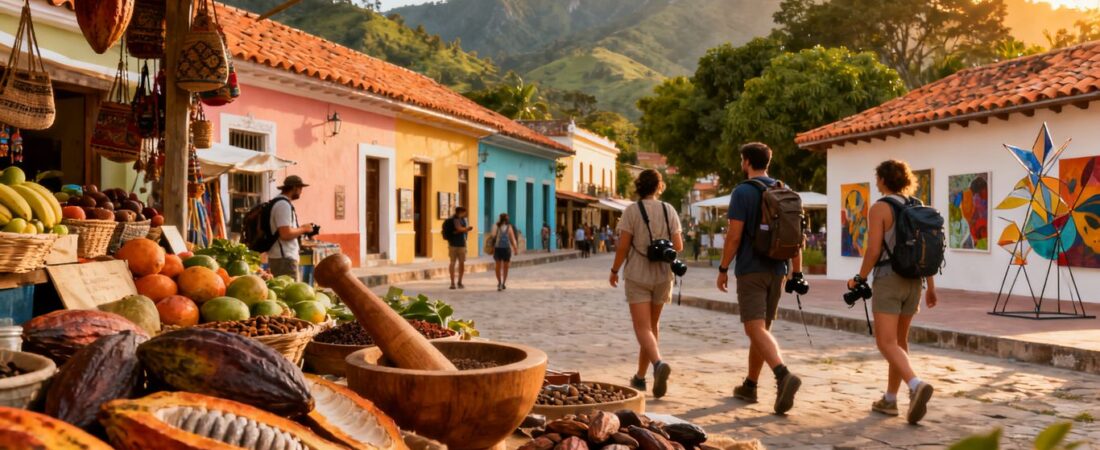
The best alternative non touristy tours in medellin usually combine local knowledge, manageable group sizes, and a clear community benefit. We should look for specific itineraries rather than vague promises about hidden gems. A good tour also explains what is included, how we will travel, and how the guide approaches photography and privacy.
What makes a tour genuinely local
A genuinely local tour names the neighborhood, the people involved, and the subject being explored. It may focus on food traditions, independent art, neighborhood history, or a nearby ecological area. We should be cautious when “authentic” only means visiting a less famous street without meaningful context.
The strongest experiences leave room for conversation. Guides should explain how a place functions today, not present residents as scenery. Our Medellín tour planning guide offers a useful starting point for comparing cultural, food, and nature-based options.
Group size, guide quality, and cultural access
Group size affects both the conversation and the footprint we leave behind. Six to twelve people often allows questions without overwhelming a small shop, workshop, or residential street. A guide should also explain whether local artists, cooks, or residents receive payment directly.
We can ask about language, accessibility, and the guide’s background before reserving. A thoughtful operator describes boundaries clearly, especially around homes, schools, memorials, and working markets. Small groups usually create better conversations, but only when the guide has real local knowledge.
How to compare prices, duration, and transport
Price alone does not tell us whether a tour is worthwhile. We should compare what the fee covers, including tastings, entrance fees, transportation, and workshop materials. Duration also matters because a short neighborhood walk and a full-day rural visit serve different travel plans.
| Tour type | Typical time needed | What to check | Best fit |
|---|---|---|---|
| Neighborhood walk | 2–4 hours | Meeting point and group size | First-time visitors |
| Food or craft workshop | 3–4 hours | Materials, food, and drinks | Hands-on travelers |
| Nature outing | Half or full day | Transport and weather policy | Active travelers |
| Market visit | 2–3 hours | Start time and cash needs | Food-focused travelers |
This comparison helps us avoid paying for a long transfer disguised as sightseeing. We should also confirm whether the return journey is included, particularly for mountain areas and rural farms.
Questions to ask before booking
Before we pay, we can ask direct questions about the itinerary and the people involved. Clear answers usually indicate a better-organized experience. They also help us avoid arriving with unsuitable clothing, unrealistic expectations, or insufficient cash.
Useful questions include:
- How many guests will join the tour?
- Which activities and costs are included?
- Who leads the experience, and what is their local connection?
- What happens if heavy rain changes the route?
The answers should be specific rather than promotional. If a listing avoids basic details, we can choose another experience without losing much time.
Explore Medellín beyond the usual city highlights
We can explore Medellín beyond the usual city highlights by choosing everyday places with patient, context-rich guides. The city has more to offer than one famous viewpoint or a single well-known neighborhood. Markets, studios, residential avenues, and local food routes reveal a slower version of urban life.
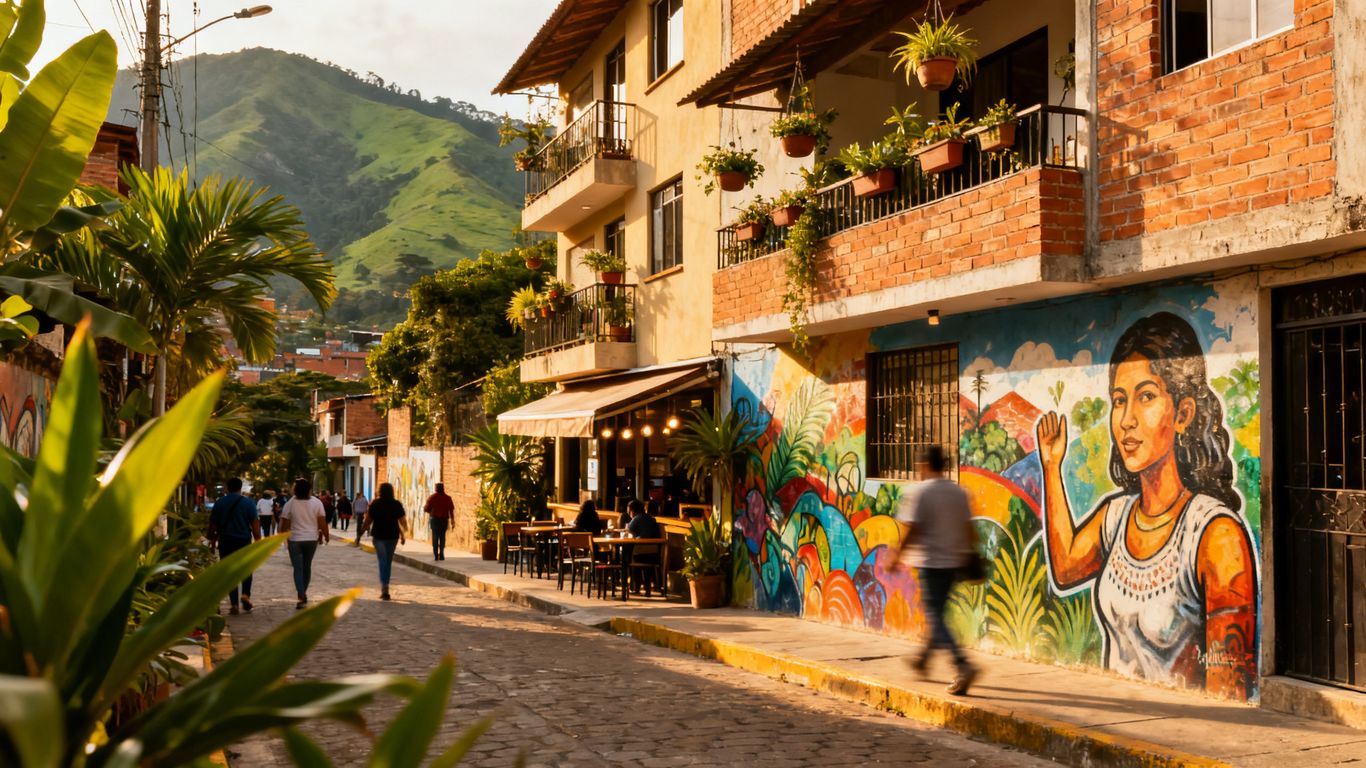
Street art and community-led walks outside Comuna 13
Comuna 13 remains a significant place to visit, but it is not the only neighborhood where public art matters. Community-led walks in other areas may focus on murals, local studios, music, or urban change without repeating the same route. We should choose guides who explain the artists and residents behind the work.
A useful route might connect a small gallery, a public wall, and a neighborhood café. We should ask before photographing people, homes, or private businesses. The Comuna 13 graffiti tour guide can help us understand how art, memory, and community participation fit together.
Local markets, neighborhood food, and traditional cooking
Markets show how Medellín shops, cooks, and socializes on ordinary days. La Minorista and Placita de Flórez offer different experiences, so we should choose according to our interests and comfort with busy spaces. A food guide can explain seasonal fruit, regional dishes, bargaining, and basic hygiene without turning vendors into a performance.
Traditional cooking classes offer more participation than a simple tasting route. We might prepare arepas, learn about local ingredients, or discuss how family recipes change between Antioquia and other regions. Our local market guide includes practical ideas for visiting a busy wholesale market respectfully.
Independent galleries, studios, and cultural spaces
Independent galleries and studios suit travelers who want a quieter cultural afternoon. We may find photography, ceramics, illustration, textiles, or contemporary Colombian art in spaces that receive fewer tour groups. Opening hours can be irregular, so checking ahead remains sensible.
A good guide introduces the work without claiming to speak for every artist. We should also leave room for browsing without pressure to purchase. This approach makes cultural access feel like a conversation rather than a checklist of photo stops.
Walking routes through Laureles, Belén, and Envigado
Laureles, Belén, and Envigado are well suited to self-guided or lightly guided walks. Their tree-lined streets, cafés, parks, bakeries, and neighborhood businesses reward slower travel. We can choose one area instead of crossing the whole valley for several brief stops.
Laureles works especially well for combining a walk with a workshop or meal. Envigado offers a different pace, with traditional restaurants and residential streets. For broader planning, our Medellín neighborhood guide helps connect local areas with food, transport, and practical travel considerations.
Try hands-on food and craft experiences
Hands-on activities give us a direct way to understand Colombian ingredients and techniques. We can roast, grind, cook, brew, shape, or taste instead of only listening to a guide. These experiences also work well when we want a cultural activity that does not depend on perfect weather.
The Colombian Cacao Experience in Laureles
The Colombian Cacao Experience takes place in Laureles and lasts approximately 3.5 hours. It costs 160,000 COP per person and focuses on a hands-on bean-to-bar workshop. The experience includes roasting raw cacao over fire, peeling and grinding beans on a traditional molino, a cacao ceremony, a chocolate exfoliation ritual, and a signature cacao sour cocktail.
The workshop is a practical alternative to standard city sightseeing. It also suits travelers who want a cultural activity in a walkable neighborhood rather than another bus excursion. The experience is currently described as ranked number one among Medellín classes and workshops on TripAdvisor, with a 5.0 rating.
What happens during a bean-to-bar cacao workshop
A bean-to-bar workshop follows the ingredient through several stages. We begin with raw cacao, then roast, peel, and grind it using traditional methods. The process makes the agricultural and technical sides of chocolate easier to understand.
The ceremony and exfoliation ritual add cultural and sensory elements without requiring specialist knowledge. We finish with the cacao sour cocktail, which gives the session a clear closing point. For a fuller explanation of the format, see this bean-to-bar cacao workshop guide.
Coffee, cooking, brewing, and traditional craft alternatives
Coffee tastings, cooking classes, brewing sessions, and craft workshops provide similar hands-on access. We should compare whether the activity involves making something or only sampling finished products. The difference is small in a listing but significant once we arrive.
Coffee-focused travelers may prefer a neighborhood café session, while food lovers may want a market-to-kitchen format. Craft classes can include ceramics, weaving, or natural materials. The right choice depends on how much participation we want and whether we can carry finished work safely.
Choosing indoor activities during rainy weather
Rain rarely ruins a Medellín itinerary if we keep one indoor option available. A workshop in Laureles avoids long transfers and gives us a structured afternoon. We should still confirm arrival instructions, clothing requirements, and cancellation terms before booking.
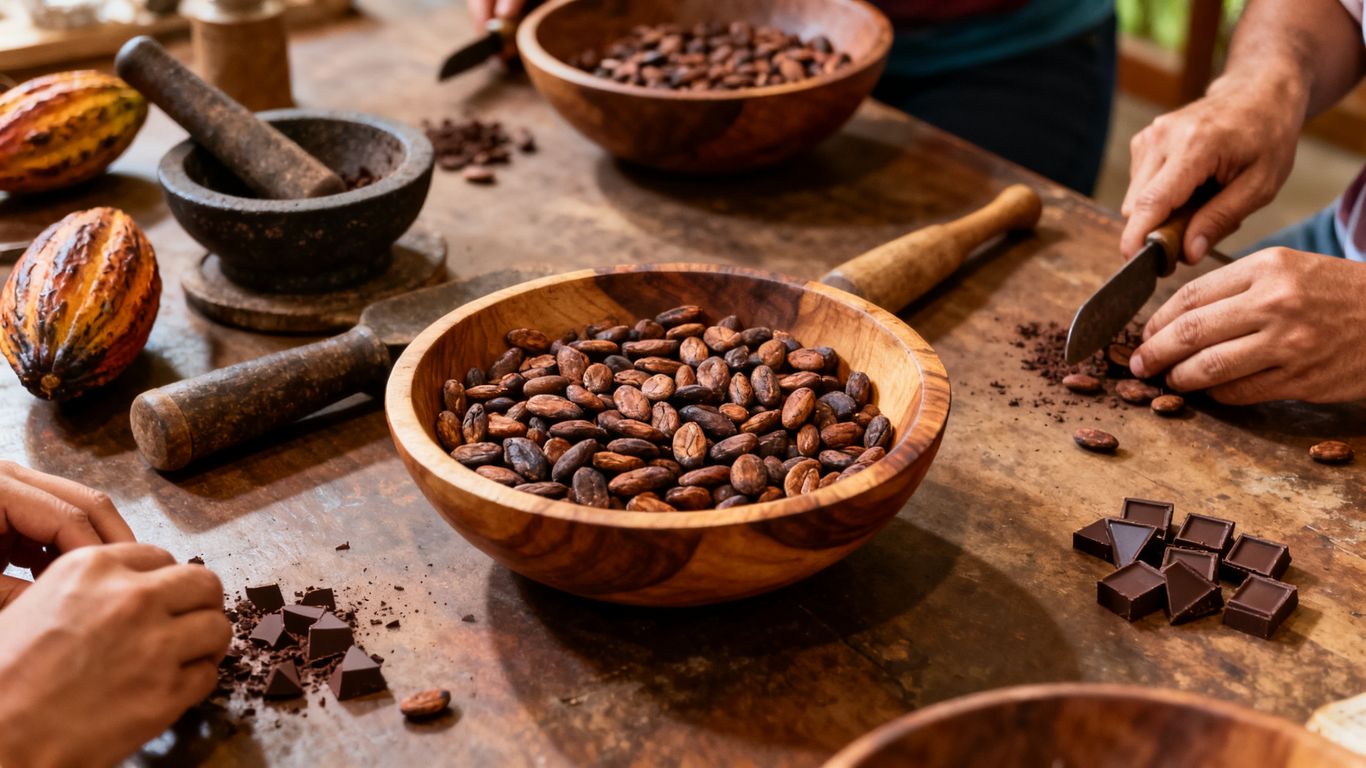
The Colombian Cacao Experience is particularly practical for wet weather because its activities take place indoors. We can pair it with a nearby café or an early dinner, keeping the day simple. Reserving at least two weeks ahead is sensible when dates are limited or demand is high.
Discover nature and everyday life near the city
Medellín sits in a valley with quick access to hills, streams, gardens, and rural communities. We can reach many natural areas without committing to a remote expedition. The key is matching the route to our fitness, weather tolerance, and transport budget.
Short hikes with local guides
Short hikes offer a quieter alternative to crowded viewpoints and cable-car rides. A local guide can explain plants, water systems, farming, and the changing edge between city and countryside. We should confirm elevation gain, trail conditions, and the expected walking speed.
Routes near the valley may become slippery after rain. A guide should also know where phone coverage drops and where the group can safely turn around. Choosing a shorter route often gives us more time to observe rather than simply finish.
Birdwatching and ecological reserves around Medellín
Birdwatching works well for travelers who prefer patience over constant movement. Ecological reserves and wooded areas around Medellín can introduce us to local habitats, though sightings depend on season and conditions. We should avoid tours that promise guaranteed rare species.
Binoculars, quiet behavior, and an experienced naturalist usually matter more than a long list of targets. We should keep music off and avoid touching plants or feeding wildlife. The experience becomes more rewarding when we treat the reserve as a living environment, not a stage.
Rural farms, gardens, and countryside visits
Farm and garden visits connect food with the land surrounding the city. We may see herbs, flowers, coffee, fruit, or small-scale food production depending on the location. These visits should explain how the farm operates rather than offering a superficial photo opportunity.
A rural day can also include a shared meal or a short practical activity. We should ask whether meals, transport, and entrance fees are included. A day-trip planning resource can help us compare countryside options with longer excursions from Medellín.
Transport, weather, and footwear considerations
Nature trips require more planning than a central walking tour. We should check the meeting point, road conditions, return time, and weather policy. Shoes with firm grip are more useful than stylish trainers when trails become muddy.
Pack light, but include water, sun protection, a rain layer, and insect repellent. Rural transport may take longer than map estimates suggest. We should leave buffer time rather than booking another fixed activity immediately afterward.
Find alternatives to Pablo Escobar and party-focused tours
We can understand Medellín without making Pablo Escobar or nightlife the center of the visit. Difficult history deserves context, local voices, and careful language. Cultural workshops, museums, memorials, and neighborhood walks often provide a fuller picture of the city’s past and present.
Why historical context matters on difficult topics
Tours about violence can educate us, but they can also reduce suffering to dramatic anecdotes. A responsible guide explains causes, consequences, and the experiences of residents who lived through the period. We should prefer historical framing over glamour, mythmaking, or crime-themed entertainment.
The city’s recent changes should not be presented as a simple before-and-after story. Medellín contains progress, unresolved issues, memory, and ordinary daily life at the same time. We can ask whether a tour centers victims and communities rather than a famous criminal figure.
Memorials, museums, and local history experiences
Museums and memorial spaces allow us to learn at a measured pace. A guide can add context, but we should have time to read, reflect, and decide what we want to discuss. Downtown walking routes may include public art, civic buildings, and places connected to broader urban history.
A free downtown route can work well as an introduction when it offers balanced interpretation. We should check the meeting point, expected walking time, and tipping practice. The downtown history walk provides a useful model for choosing context over sensational headlines.
Cultural workshops as a more participatory option
A workshop can address Colombian history through ingredients, craft, music, or oral tradition. We participate directly, which changes our role from spectator to learner. The Colombian Cacao Experience, for example, connects cacao preparation with a traditional ceremony and hands-on methods in Laureles.
This type of activity also leaves room for ordinary conversation. We can ask about farming, regional food, and contemporary life without turning personal stories into entertainment. It is a strong option when we want cultural depth without a crime-focused itinerary.
How to identify exploitative or sensationalized tours
Sensationalized tours often use dramatic titles, unverified stories, and photographs that ignore consent. They may spend more time on celebrity-style details than on residents, institutions, or historical evidence. We should treat those signals as reasons to look elsewhere.
Before booking, we can check whether the description names sources, acknowledges victims, and explains the guide’s approach. We should also avoid tours that encourage jokes, imitation, or staged poses connected to violence. Respectful tourism begins with refusing to turn trauma into a souvenir.
Plan a responsible and practical local tour
A responsible local tour balances curiosity with restraint. We should consider safety, transport, weather, and the effect our spending has on small businesses. The best plan usually includes fewer stops and enough time to engage properly.
Safety considerations by neighborhood and time of day
Safety conditions vary by neighborhood, route, and time of day. We should follow the guide’s meeting instructions, keep phones secure, and avoid displaying large amounts of cash. After dark, direct transport is usually preferable to wandering unfamiliar streets.
We should also respect local advice without treating any neighborhood as automatically unsafe. Staying aware, traveling light, and avoiding isolated shortcuts are practical habits. A responsible guide will explain specific boundaries instead of making broad claims about an entire community.
Getting around by Metro, taxi, and rideshare
The Metro is useful for many central routes, while taxis and rideshare services help with late returns or less direct destinations. We should allow extra time during peak periods and confirm the exact meeting point before leaving. A screenshot of the address can help when mobile data is unreliable.
For rural activities, transport may involve a private vehicle or a coordinated pickup. We should verify whether that cost is included. The same careful comparison used in a Managed IT Services guide can apply here: confirm scope, response expectations, and pricing before committing.
Supporting community businesses and independent guides
Spending locally means more than buying a souvenir. We can choose independent guides, family-run restaurants, neighborhood cafés, and workshops that explain how payment supports the people involved. Asking permission before taking photographs is another simple way to show respect.
We should avoid bargaining aggressively with small vendors over modest amounts. Paying fairly and leaving a clear review can matter more than adding another stop. For culturally sensitive planning, even a custom home guide offers a reminder that local expertise and transparent communication deserve attention.
What to pack and how far ahead to reserve
For most local tours, we need comfortable shoes, water, sun protection, a light rain layer, and a secure small bag. Cash remains useful for markets and small purchases, while cards may work at established venues. We should carry only what the activity requires.
Popular workshops and small-group experiences can fill early. We should reserve cacao workshops around two weeks ahead when possible, especially during busy travel periods. The same applies to specialist nature guides, private cooking sessions, and activities with limited equipment.
Conclusion
We can find excellent alternatives to Medellín’s busiest tours by choosing local guides, participatory activities, neighborhood food, independent culture, and nearby nature. A thoughtful itinerary might combine a community-led walk, a market visit, the Colombian Cacao Experience in Laureles, and a short countryside outing. That balance gives us a broader, more respectful view of the city.
Frequently Asked Questions
What are the best alternative non-touristy tours in Medellín?
The strongest options include neighborhood walks, local market visits, food and craft workshops, ecological outings, and small-group cultural tours. We should choose based on guide quality, community participation, and practical details rather than labels such as “secret” or “hidden.”
Is Comuna 13 the only place to see street art in Medellín?
No. Other neighborhoods also have murals, studios, cultural spaces, and community-led art projects. A guide can help us understand the artists and local context without repeating the same popular route.
What is a good rainy-day activity in Medellín?
Indoor food, cacao, coffee, cooking, and craft workshops work well during wet weather. We should confirm the address, duration, materials, and cancellation policy before booking.
How much time should we allow for a local Medellín tour?
Most neighborhood walks need two to four hours, while workshops often take three to four hours. Nature trips may require a half or full day because transport adds time.
Are local markets safe for visitors?
Markets can be rewarding when we visit during suitable hours, secure our belongings, and follow local guidance. We should use small amounts of cash, ask before photographing vendors, and avoid blocking busy working areas.
Should we book a Pablo Escobar tour?
We should consider whether the tour provides balanced history and centers residents rather than sensational stories. Museums, memorials, civic history walks, and cultural workshops often offer more responsible context.
What should we pack for tours near Medellín?
Comfortable shoes, water, sun protection, a rain layer, and a secure small bag cover most city and countryside activities. For hikes, we should add insect repellent and footwear with good traction.
Written by the editorial team at Things To Do Medellin, featuring local insights and verified recommendations from the city’s top-rated cultural artisans.