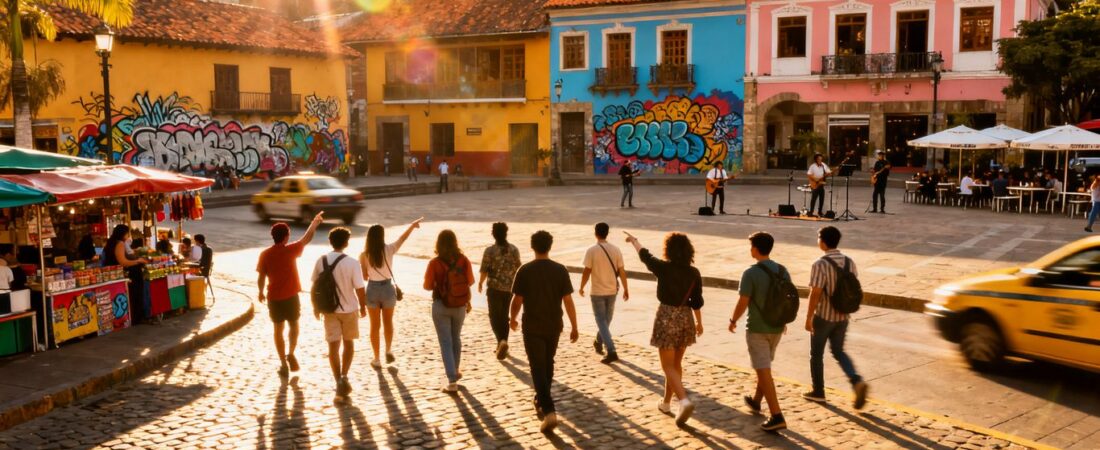
Here are the main things to remember about the free walking tour downtown Medellin. It’s a great way to see the city and learn about its transformation.
Key Takeaways
- The free walking tour downtown Medellin offers an excellent introduction to the city’s history and culture.
- Tours are led by local guides who share personal stories and insights.
- Key stops include Alpujarra Administrative Center and Plaza Cisneros, showcasing the city’s progress.
- Comfortable shoes, sun protection, and water are recommended for the tour.
- Tipping your guide is customary and greatly appreciated, with a suggested amount.
Understanding The Free Walking Tour Downtown Medellin
Joining the free walking tour downtown Medellin is the simplest way to explore El Centro with local context. The Medellin Free Walking Tour provides guided insight into the history, culture, and daily life here. Tours are free but tipping is expected. Book ahead, as spaces fill quickly.
What Is The Medellin Free Walking Tour?
The Medellin Free Walking Tour is a guided walk through downtown, focusing on key city landmarks. These tours are led by knowledgeable locals, many working with Real City Tours. Walks usually last about three hours, with stops at major plazas, markets, and historical buildings. English-speaking guides share facts and perspectives from a local view.
- Duration: Around 3 hours
- Route: Alpujarra to San Antonio, covering main cultural spots
- Language: Primarily English and Spanish
- Cost: Free, with a suggested tip at the end
- Start point: Alpujarra Administrative Center (find details)
We think it’s the most practical introduction to Medellin for first-time visitors, balancing honesty about the city’s troubled past with pride in its progress.
Why Choose A Free Walking Tour Downtown?
We choose a free walking tour downtown for a few reasons:
- Safety in numbers while exploring El Centro’s busiest streets
- Context from guides who explain Medellin’s transformation
- Opportunity to ask questions about local life
- Walk past and hear stories of places like Plaza Botero, Parque de las Luces, and San Antonio
- Flexible schedules with multiple start times during the week
The tours provide a solid overview of Medellin’s evolution without focusing on Pablo Escobar or sensational narratives. Guides set a respectful tone, emphasizing community views and everyday realities.
Booking Your Free Walking Tour Downtown Medellin
Spots on the downtown walking tour book out fast, especially in high season. We always recommend you reserve your spot online before arriving. Booking usually requires a small fee to guarantee your slot, though the walk itself is free.
To book:
- Go to the Real City Tours website.
- Pick a date and time.
- Fill in your details and prepay the reservation fee (if required).
- Await your confirmation by email.
Be sure to read the meeting instructions carefully. The meeting point is almost always at Alpujarra metro station, easy to reach from anywhere in the city. Worrying about catching up or finding the start is minimized by clear directions in your confirmation.
| Tour Name | Reserve In Advance? | Group Size | Start Location |
|---|---|---|---|
| Medellin Free Walking Tour | Yes | Approx. 20 guests | Alpujarra Administrative Ctr |
If free tours aren’t available, or you’re seeking alternative experiences, we also recommend joining workshops like the Colombian Cacao Experience in Laureles for indoor hands-on options after your city walk.
Navigating El Centro With Your Guide
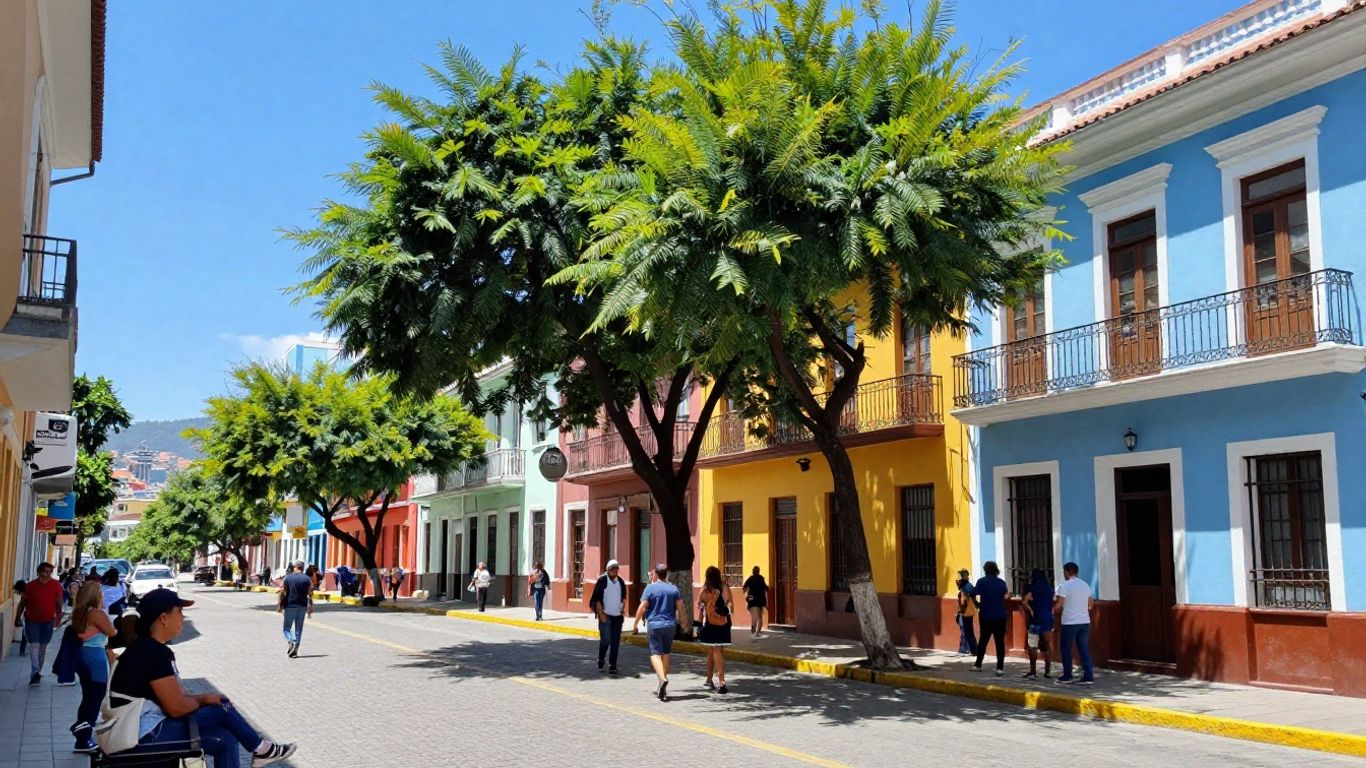
Exploring El Centro during the Medellin free walking tour downtown means we visit important civic spaces and local icons, guided by local experts. The free walking tour offers direct insight into the culture and rhythm of downtown Medellin. Routes in this area include social plazas, government buildings, and surprising corners that reveal local life.
Starting Point: Alpujarra Administrative Center
Our walking tour starts at the Alpujarra Administrative Center. This government plaza serves as the city’s administrative core. We gather outside the North ticket booth, surrounded by modern sculptures and bustling city workers. Guides use this site to explain how politics and city planning have reshaped Medellin’s image over recent decades.
| Location | What You’ll See | Significance |
|---|---|---|
| Alpujarra Administrative | Government buildings, monuments, sculpture | Political and civic heart of Medellin |
We often pause here to get grounded before heading into the twisting streets of El Centro.
Plaza Cisneros: A Symbol Of Transformation
Our next main stop is Plaza Cisneros. Once neglected, it’s now famous for its sixty-seven towering light poles. These create a unique skyline and safer public space. Here, guides recount how the city addressed issues of urban decay and crime with public art and light.
The plaza shows how Medellin managed urban renewal through practical design—bright lights, open space, and public use.
- 67 light columns brighten public safety.
- Key location for municipal events.
- Direct access to the nearby library park.
We reflect on how these projects have shifted Medellin’s global reputation.
Key Downtown Landmarks Explored
As we move, the tour covers sites beyond just monuments. We’ll often visit:
- Parque Berrío: Historic meeting spot, popular with locals and street vendors.
- Botero Plaza: Displays of Fernando Botero’s sculptures, open to public interaction.
- Old railway station: Traces Medellin’s connection to Colombia’s industrial era.
Some guides point out local restaurants or corners of significance during our walk. Our route is shaped by daily downtown rhythms.
Local guides blend facts with lived experiences, letting us see how El Centro functions as a busy working district and not just a tourist stop.
For those curious about deeper stories and local voices, tours provided by Medellin locals help us understand more than just the city’s outer appearance.
Historical Context And Local Stories
Medellin’s Journey From Danger To Innovation
Medellín’s transformation is a central theme of our downtown tour. We explore how the city moved past its difficult past. It is now a center for urban innovation. Our guides share factual accounts of this change. They focus on progress and resilience. We learn about the city’s path to becoming a model for urban development.
Understanding The City’s Past Without Sensationalism
We aim to present Medellín’s history objectively. Our guides avoid sensationalizing past events. They focus on the human stories behind the changes. This approach helps us understand the city’s complexities. We learn about the social and economic factors involved. The goal is a balanced perspective. This helps us appreciate the city’s current state. It’s important to see the real Medellín, not just the headlines. You can find more about the city’s artistic evolution at [dcee].
The Importance Of Local Narratives
Local stories give tours their unique character. Our guides are from Medellín. They share personal insights and historical context. These narratives bring the city’s past to life. They highlight the resilience of its people. We hear about everyday life and cultural shifts. These stories are more than just facts. They offer a genuine connection to the city. Understanding these local perspectives is key. It helps us appreciate Medellín’s spirit. We learn about the city’s journey from danger to innovation. This is a story of transformation. It’s a narrative that continues to unfold. We see how the city embraces its past. It uses it to build a brighter future. This approach helps us understand the city’s complexities. We learn about the social and economic factors involved. The goal is a balanced perspective. This helps us appreciate the city’s current state. It’s important to see the real Medellín, not just the headlines. You can find more about the city’s artistic evolution at [dcee].
The city’s history is not just about famous events. It is also about the everyday lives of its people. Their stories shape the city’s identity. They are a vital part of its ongoing transformation. We learn about the social and economic factors involved. The goal is a balanced perspective. This helps us appreciate the city’s current state. It’s important to see the real Medellín, not just the headlines. You can find more about the city’s artistic evolution at [dcee].
Here is a look at some key historical points:
- Plaza Cisneros: Once a troubled area, now a symbol of renewal with modern lighting.
- Palacio de la Cultura: A striking architectural piece reflecting early 20th-century ambition.
- San Antonio Plaza: Features a Botero sculpture that serves as a memorial, acknowledging past pain while looking forward.
These sites show how Medellín confronts its history. It integrates it into its present. This makes the city’s story compelling. It shows a commitment to progress. We learn about the social and economic factors involved. The goal is a balanced perspective. This helps us appreciate the city’s current state. It’s important to see the real Medellín, not just the headlines. You can find more about the city’s artistic evolution at [dcee].
Practical Tips For Your Downtown Exploration
What To Bring For The Tour
Pack smart for your downtown walking tour. We suggest bringing comfortable shoes for walking. The sun can be strong, so sunscreen is a good idea. A hat or protective clothing helps too. Carry a reusable water bottle to stay hydrated. You might also want a small umbrella; rain can happen unexpectedly.
Recommended Tipping Etiquette
Guides work hard to share local stories. A tip shows your appreciation for their effort. For a tour lasting several hours, consider tipping between 20,000 and 30,000 Colombian pesos. This is roughly $7 to $10 USD. Your guide will provide a small survey to fill out with your tip.
Best Time Of Day For Your Tour
We often recommend the morning tour. It helps you get oriented downtown. You can then find lunch when the midday heat is strongest. This allows you to explore other sights in the afternoon. Doing the tour on your first full day is also a good plan. It helps you understand the city better from the start. Be aware that afternoons can sometimes bring rain. This is why a morning tour is often preferred. If you are looking for indoor activities, consider a chocolate workshop as an alternative.
Beyond The Free Walking Tour Downtown Medellin
Discovering Other Real City Tours Experiences
After your downtown exploration, we suggest looking into other tours offered by Real City Tours. They have a few options that go beyond the central area. One is the Barrio Transformation Tour. This tour focuses on areas that have seen significant positive change. It shows a different side of Medellin’s progress. Another is the Exotic Fruits Tour. This is a great way to experience local flavors. It’s a good way to connect with the city’s agricultural side.
Where To Stay After Your City Tour
Many visitors find it convenient to stay in areas like El Poblado or Laureles after their tours. El Poblado offers a wide range of hotels and hostels. It also has many restaurants and nightlife options. Laureles is a more local neighborhood. It provides a quieter atmosphere with good food choices. Both areas are accessible from downtown. Consider what kind of experience you want for your stay.
Further Exploration Of Medellin’s Culture
Medellin has much more to offer than just its downtown. Consider visiting Comuna 13 for its vibrant street art and community projects. You can also explore the Botanical Garden for a peaceful escape. For art lovers, the Museum of Modern Art (MAMM) is a good choice. Experiencing a local football match offers a glimpse into the city’s passion. These activities provide a broader view of Medellin’s culture and spirit. You can find more ideas for activities in Medellin to plan your next steps.
Conclusion
Taking the free walking tour downtown Medellin is a fantastic way to start your visit. It gives you a solid understanding of the city’s past and present, helping you feel more comfortable exploring on your own. It’s a friendly introduction to a city that has so much more to offer than its history might suggest. We really think it’s a must-do for anyone wanting to see the real Medellin.
Frequently Asked Questions
Is the free walking tour downtown Medellin really free?
Yes, the tour itself doesn’t cost anything to join. However, it’s customary and very much appreciated to give your guide a tip at the end. Think of it as paying what you feel the tour was worth.
How long does the free walking tour downtown Medellin last?
The tour usually takes about 3.5 to 4 hours. We walk a good bit, so make sure you wear comfy shoes. It’s a pretty good chunk of time, but you learn a lot.
Is it safe to do the free walking tour downtown Medellin?
Absolutely. You’ll be with a local guide and a group, which is always safer. The tour sticks to main areas and the guide will share tips for staying safe in the downtown area.
What should I bring on the free walking tour downtown Medellin?
Definitely bring comfortable walking shoes. The sun can be strong, so sunscreen, a hat, and sunglasses are a good idea. Also, bring a reusable water bottle.
How do I book the free walking tour downtown Medellin?
You need to book your spot online in advance through the tour company’s website. These tours are popular and can fill up quickly, so don’t wait too long to reserve.
What’s the best time of day for the free walking tour downtown Medellin?
We suggest the morning tour. This way, you get a good feel for the city early on, can grab lunch when it’s hottest, and still have the afternoon free for other activities like visiting museums.