
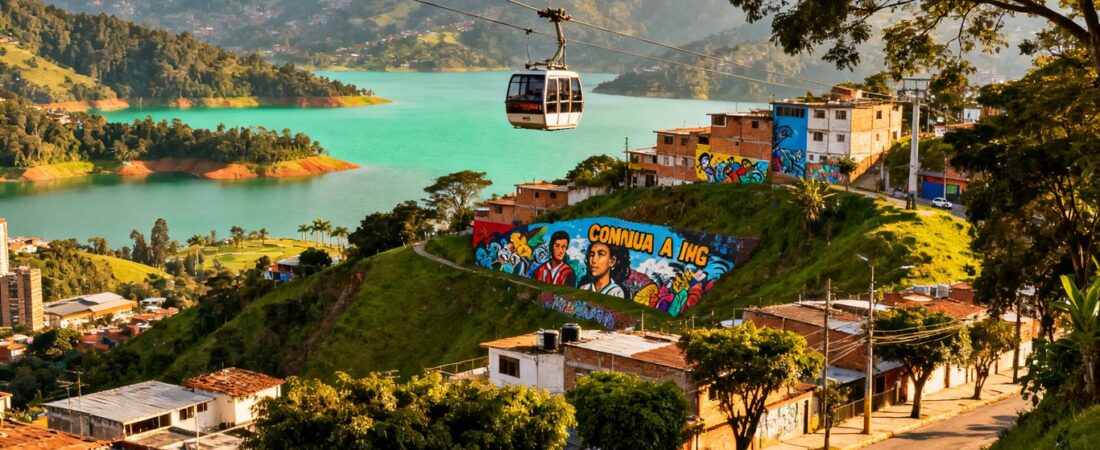
Key Takeaways
This Medellin itinerary 5 days ultimate guide balances central landmarks, neighborhood culture, nature, and one practical day trip.
- Base ourselves in El Poblado or Laureles for easier evening plans.
- Explore downtown, Comuna 13, and Laureles without rushing each day.
- Reserve popular tours and the Colombian Cacao Experience before arrival.
- Keep Guatapé as the main full-day excursion.
- Use flexible afternoons for rain, rest, food, or extra museums.
What is the ideal Medellin itinerary for 5 days?
The ideal Medellin itinerary 5 days ultimate guide combines two city days, Guatapé, Parque Arví, and a flexible final day. We begin downtown, spend day two in Comuna 13 and Laureles, then use the middle days for the lake region and mountain trails. This order limits backtracking and leaves room for changing weather.
How to balance city sightseeing, neighborhoods, and day trips
We should treat Medellín as several distinct areas rather than one compact sightseeing zone. Downtown works well for museums and public art, Comuna 13 needs a focused half-day, and Laureles suits a slower meal or workshop. Guatapé takes most of a day, while Parque Arví provides a cooler outdoor contrast.
A useful planning reference is this five-day Medellín itinerary, which also supports mixing cultural landmarks with day trips. We would avoid placing Guatapé directly after a late night, since the early departure makes that combination tiring.
Which experiences should be booked in advance
We should reserve guided Comuna 13 visits, Guatapé transport, and any timed museum or workshop entry before travelling. Availability changes by weekday and season, especially for small-group experiences. The Colombian Cacao Experience can be booked through the official workshop site, where the approximately 3.5-hour activity costs 160,000 COP per person.
The workshop includes roasting raw cacao over fire, peeling and grinding beans on a traditional molino, a cacao ceremony, a chocolate exfoliation ritual, and a cacao sour cocktail. Those details make it a practical indoor choice when a rainy afternoon disrupts the schedule.
How to adjust the itinerary for weather and energy levels
Medellín’s conditions can change within the same day, so we should keep one indoor option available. Move museums, cafés, or the cacao workshop into wet periods, then use clear hours for viewpoints and walking. If the group feels tired, shorten downtown and keep the evening close to the accommodation.
We can also swap Parque Arví and Guatapé. Arví becomes less appealing during persistent rain, while Guatapé remains possible with a waterproof layer and sensible shoes. A slower plan usually produces better local meals and fewer rushed transfers.
What this five-day plan includes and excludes
This plan includes downtown history, public art, Comuna 13, Laureles, Guatapé, Parque Arví, neighborhood food, and practical transport guidance. It does not include nightlife-heavy schedules, football tickets, rural coffee farms, or every major museum. We should add those only after checking opening hours and personal energy.
| Day | Main area | Best fit |
|---|---|---|
| One | Downtown and La Candelaria | Art, history, and public spaces |
| Two | Comuna 13 and Laureles | Street art, food, and cacao |
| Three | Piedra del Peñol and Guatapé | Lake views and colorful streets |
| Four | Parque Arví | Trails, markets, and cable cars |
This structure gives us a clear route without pretending every hour needs a reservation. It also leaves day five open for shopping, coffee, or a missed attraction.
How should you prepare for five days in Medellín?
Preparation mostly means choosing a sensible base, planning airport transport, and carrying for both sun and rain. Medellín’s neighborhoods feel different after dark, so location affects how easily we return from dinner. We should also download maps and keep the first evening uncomplicated.
Choosing between El Poblado, Laureles, and other base neighborhoods
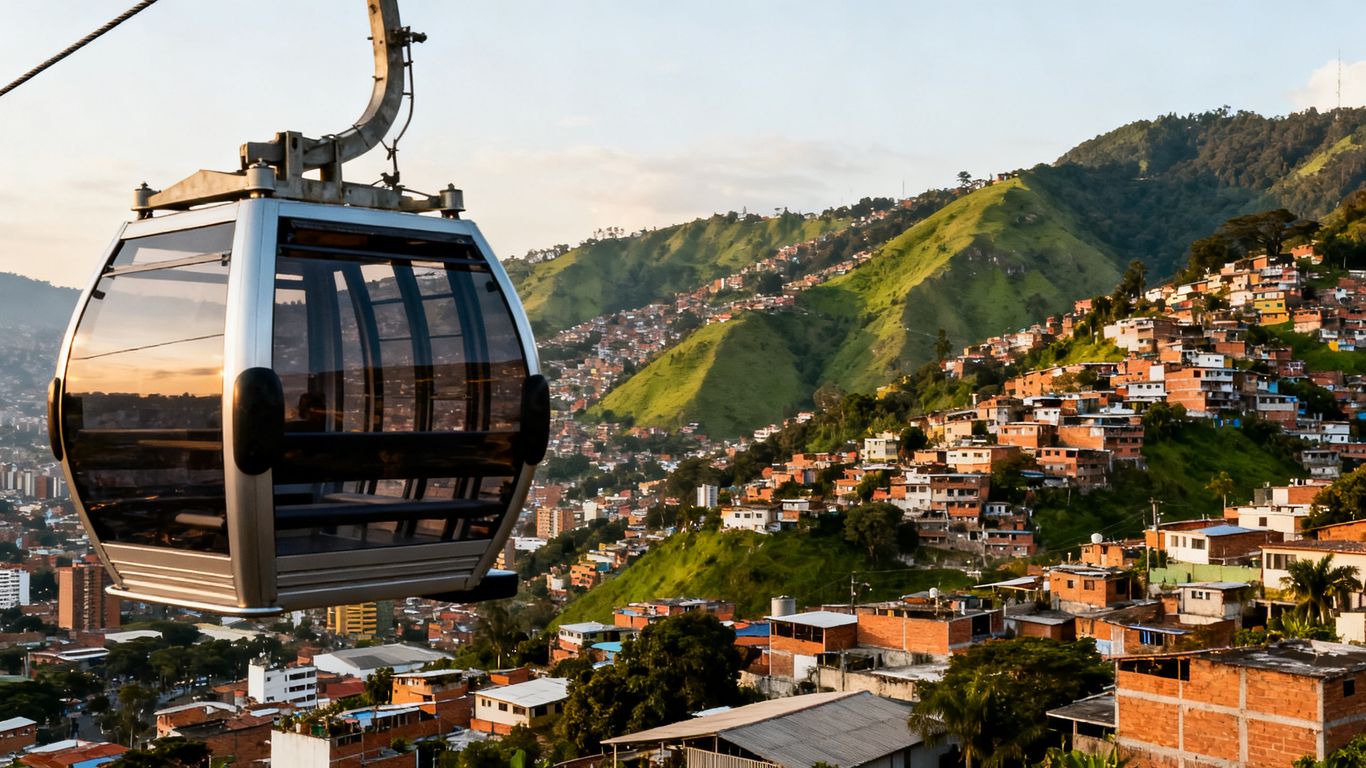
El Poblado offers many cafés, restaurants, and accommodation choices, particularly around Provenza and Parque Lleras. Laureles is flatter and more walkable, with a calmer residential feel and strong café culture. We should choose Laureles when evening walks and local restaurants matter more than nightlife access.
Envigado can suit longer stays, while central areas provide proximity to museums but require more care with evening routes. For five days, El Poblado and Laureles remain the simplest bases for first-time visitors.
Getting from José María Córdova Airport to the city
José María Córdova Airport sits outside Medellín in Rionegro, so the transfer takes planning. A taxi, airport transfer, or shared vehicle usually offers the easiest arrival with luggage. We should confirm the destination neighborhood and expected fare before leaving the terminal.
The airport route can become slow during traffic, especially near the eastern entry into the valley. If our flight arrives late, prearranging a reputable transfer removes unnecessary decisions after immigration.
Using the Metro, cable cars, taxis, and rideshare apps
The Metro connects central Medellín with many useful stations, and cable cars extend the system into hillside areas. We should check the full route before boarding, since a cable-car ride may involve a transfer rather than a direct trip. Taxis work well for short late-evening journeys when ordered through accommodation staff or a recognised app.
For a practical overview of local routes, city transport planning is useful before the first morning. We should keep phones discreet, verify vehicle details, and avoid displaying cash while waiting at stations.
Managing cash, cards, connectivity, and common safety precautions
We should carry small Colombian peso notes for markets, snacks, and short taxi rides. Cards work widely in established restaurants and hotels, but connection failures still happen. An eSIM or local data plan helps with maps, translation, and ride coordination.
A simple routine prevents many problems:
- Keep passports secured and carry a photocopy or digital backup.
- Use ATMs inside banks or shopping centres when possible.
- Avoid isolated streets, especially after dinner or during quiet hours.
- Ask before photographing vendors, performers, or private homes.
These habits are ordinary travel precautions, not reasons to avoid the city. We should follow local advice and avoid “dar papaya,” the Colombian expression for making valuables unnecessarily easy to take.
Understanding Medellín’s weather and packing for changing conditions
We should pack light trousers, breathable shirts, a thin waterproof jacket, and comfortable shoes with grip. Sun can feel strong at altitude, while rain arrives quickly in the valley and mountains. A small daypack protects electronics and makes cable-car transfers easier.
Parque Arví is cooler than central Medellín, so one extra layer matters there. We should also carry sunscreen, water, and a portable battery for long sightseeing days.
What should you do on day one in Medellín?
Day one introduces Medellín through public art, museums, and historic streets. We should start early downtown, when walking feels easier and temperatures are usually comfortable. The afternoon can then move toward a calmer neighborhood for dinner rather than extending too late in the centre.
Exploring Plaza Botero and the Museo de Antioquia
Plaza Botero places Fernando Botero’s large sculptures in an open public setting beside the Museo de Antioquia. We should allow time for both the square and museum galleries, rather than treating the sculptures as a quick photo stop. The museum adds historical and artistic context to the city’s central area.
A guided introduction can help us understand how public art fits Medellín’s urban changes. We should keep bags close and stay attentive while photographing busy streets.
Walking through Palacio Nacional and the historic center
Palacio Nacional is a striking historic building near the central shopping district. We can walk through the surrounding streets after the museum, but the area is busy and commercial. Comfortable shoes help because the route includes uneven pavements, crossings, and frequent stops.
We should focus on architecture and everyday commerce instead of trying to cover every block. A short guided route may provide more context than wandering without a plan.
Visiting Parque Berrío and nearby cultural landmarks
Parque Berrío sits beside important transport links and remains a useful orientation point. From here, we can connect the day’s museums, plazas, churches, and public art with minimal transfers. A downtown walking tour offers a local perspective on history and resilience without reducing the city to sensational headlines.
We should listen carefully to the guide’s practical advice about where to pause and when to move on. The route works best as an introduction, not as a complete history of Medellín.
Choosing a practical lunch in La Candelaria
La Candelaria has many inexpensive lunch options, including set meals with soup, rice, beans, plantain, salad, and meat. We should choose busy local restaurants with quick turnover and visible food preparation. Lunch is the right time to try a regional plate, but we need not order the largest portion on the menu.
After eating, a short coffee stop helps break up the walking. We should keep the afternoon schedule lighter if downtown felt crowded or tiring.
Ending the day in a safer, more relaxed neighborhood
For the evening, we should return to Laureles or El Poblado for a more relaxed meal. Both neighborhoods offer cafés, restaurants, and easier routes back to accommodation. We can use the evening to review the next day’s tour meeting point and charge phones.
This is where a flexible evening pays off. Medellín rewards curiosity, but a first day packed from breakfast through midnight usually weakens the rest of the itinerary.
How can you experience Comuna 13 and Laureles on day two?
Day two pairs Comuna 13’s community history and street art with Laureles’ walkable food scene. We should schedule Comuna 13 in the morning, then allow a proper transfer and lunch before the afternoon activity. This arrangement gives the day a clear cultural focus without making every stop feel rushed.
Choosing a responsible Comuna 13 tour
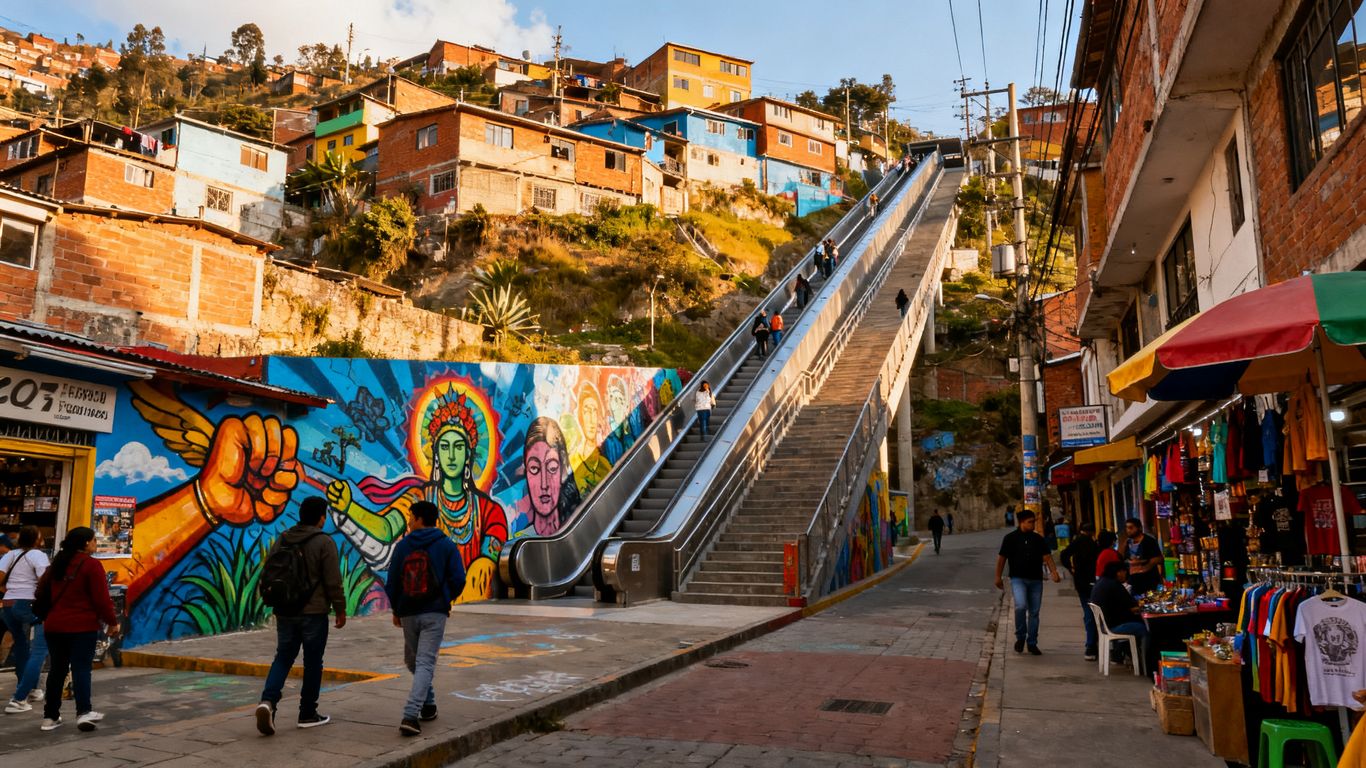
We should choose a tour led by local guides who explain community history, support local businesses, and avoid treating residents as scenery. Small groups usually make it easier to hear stories and move respectfully through narrow spaces. The Comuna 13 Graffiti Tour is a useful reference for understanding art, snacks, viewpoints, and the neighborhood’s transformation.
We should ask permission before close-up portraits and buy directly from artists or small vendors when we want souvenirs. A responsible visit benefits from patience rather than constant photography.
Understanding the neighborhood’s history beyond the escalators
The outdoor escalators are only one part of Comuna 13. Guides can explain displacement, conflict, infrastructure, youth culture, music, and the role of murals in public storytelling. We should listen for local voices and avoid expecting one simple explanation for a complex neighborhood.
The area has changed significantly, but visitors should not turn that change into a staged success story. Respectful questions often lead to better conversations than dramatic assumptions.
Allowing time for street art, viewpoints, and local shops
We should leave room for murals, dance performances, viewpoints, and small shops rather than racing between landmarks. The route includes stairs and slopes, so water and comfortable shoes are useful. Short breaks also help us notice details that a tightly timed tour would miss.
After the tour, we can eat nearby or take a taxi toward Laureles. We should avoid carrying visible shopping bags through unfamiliar streets while transferring.
Visiting Laureles for cafés, restaurants, and walkable streets
Laureles works well for a long lunch, coffee, or an unhurried neighborhood walk. Its broad streets and roundabouts make the area easier to explore on foot than many hillside districts. We should choose a restaurant based on the group’s appetite, then keep enough time for the afternoon’s main activity.
For more food-focused planning, Laureles dining ideas can help us compare local staples with newer cafés. The neighborhood is also a sensible place to finish the day because many routes remain active into the evening.
Adding the Colombian Cacao Experience as a hands-on cultural activity
The Colombian Cacao Experience takes place in Laureles and lasts approximately 3.5 hours. It costs 160,000 COP per person and includes roasting raw cacao over fire, grinding beans on a traditional molino, a cacao ceremony, chocolate exfoliation, and a cacao sour cocktail. The activity is currently ranked the number one Classes & Workshops experience in Medellín on TripAdvisor, with a 5.0 rating.
We can use it as a rainy-day plan or as a hands-on alternative to another walking tour. Its location also makes the transition from Comuna 13 practical when transport time is planned honestly.
Is Guatapé the right day trip for day three?
Guatapé is the clearest full-day excursion in this plan, especially for travellers who want lake scenery and a change from city streets. We should expect an early start, several transport hours, and a physically demanding climb if we visit Piedra del Peñol. If that sounds tiring, a slower Medellín day may suit us better.
Comparing a guided tour with independent bus travel
A guided tour simplifies early transport, the rock visit, and the return journey. Independent bus travel offers more control but requires checking terminals, departure times, local transfers, and luggage arrangements. We should choose the guided option when this is our first Colombian intercity trip or when the schedule is tight.
Independent travel works better for confident planners who want extra time in Guatapé. We should still confirm return connections before beginning the day.
Visiting the Piedra del Peñol viewpoint
Piedra del Peñol requires climbing a long staircase to reach the viewpoint. The reward is a broad view across the reservoir’s unusual islands and inlets. We should bring water, pace ourselves, and avoid treating the climb as a race.
Cloud cover can soften the panorama, but the visit remains worthwhile for many travellers. Comfortable footwear matters more than elaborate camera equipment.
Exploring Guatapé’s lakefront and colorful streets
Guatapé’s town centre is known for colorful lower-wall decorations, compact streets, and a lakefront setting. We should walk slowly, look at the zócalos, and leave time for lunch rather than rushing straight back after the rock. Small cafés and local restaurants provide an easy pause between walks.
Boat trips may be available, but we should check timing and weather before adding one. Too many activities can turn a pleasant day into a sequence of departures.
Planning transport times, meals, and return connections
We should budget generously for traffic, boarding delays, meal breaks, and the climb. A packed schedule leaves little protection against a late return. Carrying snacks helps when the group cannot agree on a restaurant or transport stops take longer than expected.
The main lesson is simple: set a return deadline before sightseeing begins. If the final connection feels uncertain, a guided arrangement may be worth the extra cost.
Deciding when to skip Guatapé for a slower Medellín day
We should skip Guatapé if the trip follows a late arrival, poor weather, or several demanding walking days. Medellín itself offers museums, markets, cafés, and neighborhood walks without another long transfer. This alternative can feel more satisfying than visiting the lake while exhausted.
A spare city day could include the Botanical Garden, a market, or another Laureles activity. The itinerary should serve our energy, not the other way around.
What should you do outdoors on day four?
Day four moves uphill toward Parque Arví using Medellín’s Metro and cable-car system. The journey itself provides changing views across the valley, while the park offers trails and cooler air. We should check operating conditions before leaving because mountain weather can differ sharply from the city.
Taking the Metro and cable car to Parque Arví
We can take the Metro toward Acevedo, then transfer to the cable car route leading toward Santo Domingo and Parque Arví. The journey requires time, so we should start early and avoid scheduling another distant attraction afterward. We should confirm current fares, operating hours, and maintenance notices locally.
The cable car is public transport, not simply a viewpoint ride. We should give regular passengers space and keep phones secure near station platforms.
Planning trails, markets, and weather contingencies
Parque Arví suits a half-day of walking, local produce, and open-air time. We should select a trail based on daylight, fitness, and weather rather than choosing the longest route automatically. A rain jacket, water, and offline map make the visit more comfortable.
If rain becomes steady, we can return early and use the afternoon for a museum or café. Keeping this backup prevents a wet trail from affecting the final two days.
Choosing between Parque Arví and other nature escapes
Parque Arví is the most straightforward nature option for a five-day visit because public transport reaches it. Other escapes may require private transport, longer transfers, or more advance planning. We should choose Arví when convenience and cable-car views matter more than a remote rural setting.
Travellers who prefer a slower pace can spend the same afternoon around Cerro Nutibara. The right choice depends on weather, mobility, and how much time remains before dinner.
Returning through Santo Domingo and understanding the cable-car views
On the return, we should notice how the urban landscape changes from forested slopes to dense hillside neighborhoods. Santo Domingo provides a useful transition point, but we should not linger without a clear plan after dark. Returning before evening keeps the journey simpler.
The cable-car views are meaningful because they connect districts that roads reach less directly. We should treat the ride as part of the city’s transport story, not only as a photo opportunity.
Staying safe on rural paths and after dark
We should stay on marked trails, follow park guidance, and avoid isolated paths when the area is quiet. Daylight matters more outside the urban core, so we should begin the return before sunset. Phones, wallets, and cameras should remain discreet throughout the journey.
If conditions worsen, turning back is sensible. A shorter safe walk is better than finishing a remote trail in darkness.
How should you spend your final day in Medellín?
The final day should stay flexible because departure times, weather, and tired legs can change our priorities. We can choose one neighborhood, one cultural stop, and a practical meal instead of adding another long excursion. Keeping luggage and airport timing in mind makes the evening calmer.
Comparing Provenza, El Poblado, and Laureles for a relaxed morning
Provenza and El Poblado offer cafés, boutiques, and lively pedestrian routes, while Laureles feels flatter and less concentrated around nightlife. We should choose Provenza for browsing and coffee, or Laureles for a longer local walk. If we are near Parque Lleras, we should remain aware of belongings and avoid quiet side streets alone.
The Medellín neighborhood guide helps compare these areas before we decide where to spend the morning. We should avoid crossing the city repeatedly on the last full day.
Visiting a local market or independent design shop
A market visit adds ordinary city life to the itinerary and gives us practical souvenir options. Placita de Flórez suits travellers interested in flowers, produce, and local commerce, while larger markets require more attention to bags and cash. We should ask before photographing vendors and keep purchases manageable.
Independent design shops can offer textiles, ceramics, prints, and small crafts. We should compare prices calmly instead of buying the first attractive item.
Choosing between museums, coffee, food, and neighborhood walks
Our choice should reflect what the earlier days missed. A museum suits rain, coffee works between flights and shopping, and a neighborhood walk provides a low-pressure final morning. Food-focused travellers can spend longer over breakfast and lunch rather than adding another formal attraction.
This is also a good moment to revisit a favorite area. Repetition often reveals more than forcing one last landmark into the schedule.
Finding affordable Colombian gifts and practical souvenirs
We can look for coffee, cacao products, woven goods, small artworks, and locally made accessories. Markets often provide better variety, while independent shops may offer clearer provenance and packaging. We should keep receipts and check airline rules for liquids, food, and fragile objects.
A small fragrance can also be a practical gift when purchased from a reputable local retailer. We should compare ingredients, size, and price rather than choosing only by presentation.
Building a flexible final evening before departure
We should finish with dinner near the accommodation and confirm the airport transfer, documents, and departure time. A short walk is fine, but a distant reservation creates unnecessary risk. If the flight leaves early, packing before dinner usually makes the morning easier.
The final evening should feel orderly, not empty. Leave enough time for a last coffee, a careful bag check, and a straightforward ride to the airport.
Conclusion
Five days give us enough time to understand Medellín through its centre, neighborhoods, mountain transport, public art, and nearby landscapes. We should keep the sequence flexible, book the experiences that matter most, and allow weather and energy to shape the details. A balanced plan leaves us with strong first impressions without turning the city into a race.
Frequently Asked Questions
Is five days enough for a first visit to Medellín?
Yes, five days cover the main cultural areas, one nature day, and one nearby excursion. We should avoid adding too many distant attractions because transfers can consume the schedule.
Which neighborhood is best for a first stay in Medellín?
El Poblado offers many restaurants and accommodation choices, while Laureles is flatter and more walkable. We should choose based on evening habits, budget, and preferred atmosphere.
Is Guatapé worth visiting during five days?
Guatapé is worthwhile for lake scenery, colorful streets, and the Piedra del Peñol viewpoint. It requires a full day, so travellers wanting a slower city visit may reasonably skip it.
How should we get around Medellín?
The Metro and cable cars are useful for many daytime routes, while taxis or rideshare services help with short late-evening trips. We should confirm routes, vehicle details, and current fares before travelling.
What should we pack for Medellín?
We should bring breathable clothing, comfortable shoes, a light waterproof layer, sunscreen, and a small daypack. Mountain areas can be cooler, so one warmer layer is useful.
Is downtown Medellín suitable for an evening walk?
Downtown is best explored during the day, when landmarks and businesses are active. We should return to our accommodation or a busier neighborhood before late evening unless following trusted local guidance.
What can we do in Medellín if it rains?
Museums, cafés, food experiences, markets, and indoor workshops provide good alternatives. We should keep at least one flexible indoor option available rather than forcing a trail or viewpoint visit in heavy rain.