Key Takeaways
Historical walking tours center of medellin usually link central plazas, public art, churches, and civic landmarks. We can plan for outdoor walking and check indoor stops separately.
- Plaza Botero’s sculptures and the Museo de Antioquia anchor many downtown routes.
- Parque Berrío and the Basilica of Our Lady of Candelaria add historical and religious context.
- Tour length, route, language, and group size vary, so confirm details before booking.
- Comfortable shoes, a charged phone, and awareness in crowds make city walks easier.
- Check museum hours and current conditions before building a route around indoor stops.
What can you see on historical walking tours in the center of Medellín?
Historical walking tours center of medellin typically connect public art, churches, plazas, and civic landmarks. We can expect most routes to spend time around Plaza Botero and Parque Berrío. Exact stops depend on the guide and tour, so check the route before reserving.
Plaza Botero and its outdoor sculpture collection
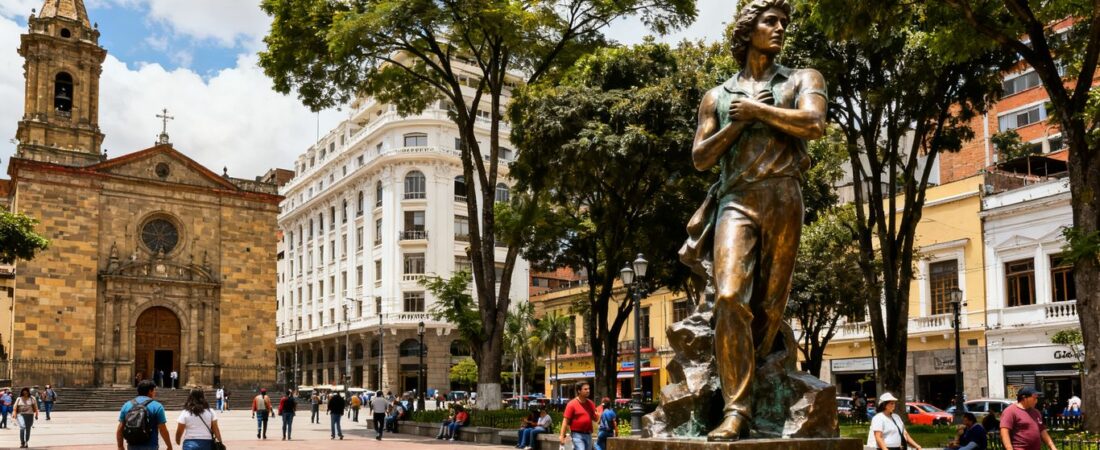
Plaza Botero is known for its outdoor bronze sculptures by Fernando Botero. We can take time to view the works from different angles, while also noticing how the plaza relates to nearby buildings and pedestrian routes. The open setting makes it an easy place to pause during a walking tour.
Museo de Antioquia and the city’s artistic history
The Museo de Antioquia stands beside Plaza Botero and offers an indoor complement to the outdoor sculptures. Its collections and exhibitions can add context to Medellín’s artistic history, though access and hours depend on the day. We should check current visitor information if entering the museum is a priority.
Parque Berrío and the Basilica of Our Lady of Candelaria
Parque Berrío is a central public gathering place near the Basilica of Our Lady of Candelaria. A guide can help us notice how religious, civic, and everyday life intersect in this busy part of downtown. The area can be crowded, so we should stay attentive while listening and looking around.
Historic streets, architecture, and civic landmarks
A central route may also pass older commercial streets and public buildings that show different periods of city development. These landmarks are easier to understand when we compare what each space was built to do with how people use it now. The overview below helps us set expectations without assuming every tour follows the same path.
| Stop | What we can notice | Planning note |
|---|---|---|
| Plaza Botero | Outdoor sculptures and public space | Allow time to look around |
| Museo de Antioquia | Art collections and exhibitions | Check current opening hours |
| Parque Berrío | Public activity and nearby landmarks | Expect a busy setting |
| Basilica of Our Lady of Candelaria | Church architecture and religious history | Be respectful during services |
These stops give us a useful framework for comparing routes. The Plaza Botero visitor guide has more practical detail if we want to explore the sculpture area independently.
How Medellín’s historic center took shape
Medellín’s center developed through changing patterns of settlement, trade, transport, and public life. We can read these layers in the relationship between churches, plazas, commercial streets, and newer civic spaces. A walking tour offers a useful view of that history, though a short route can only introduce part of it.
The city’s early growth around churches and public squares
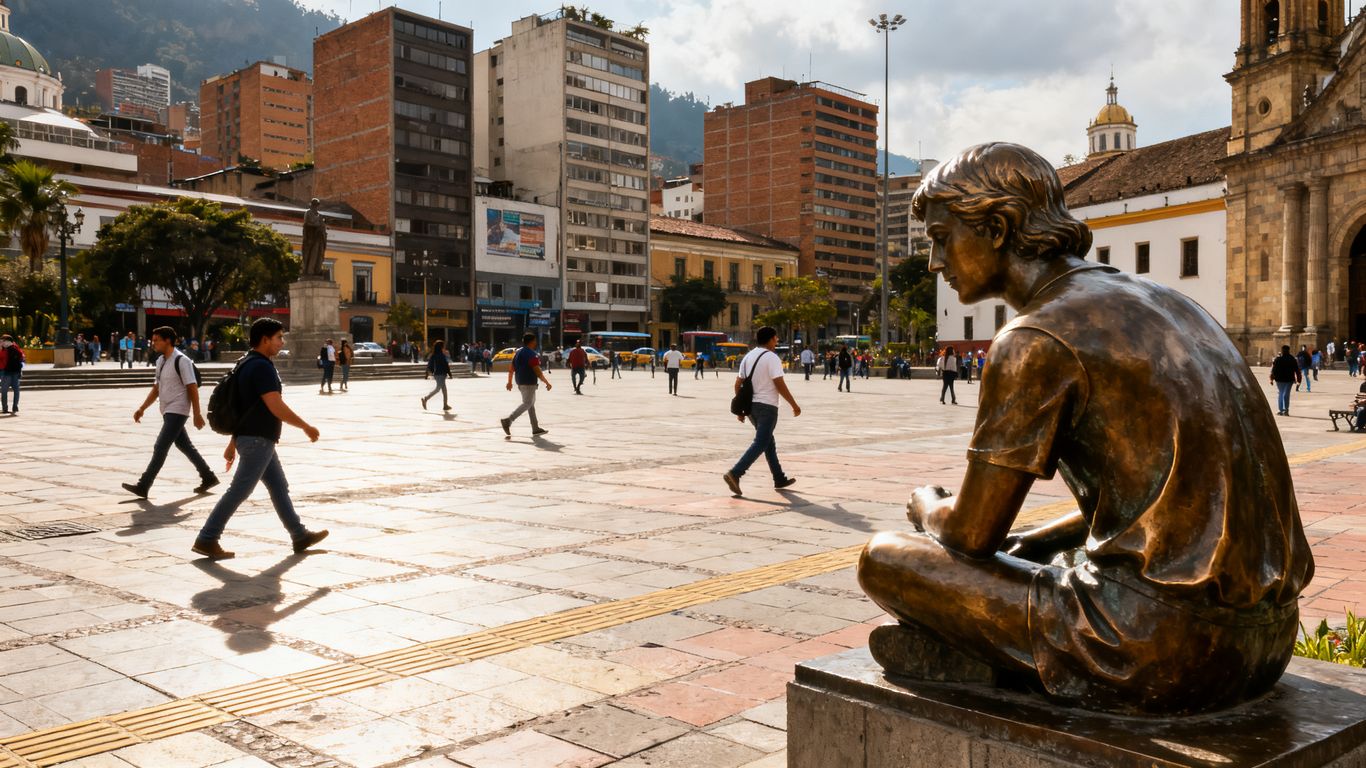
Churches and public squares served as important gathering points as the city grew. In the center, the Basilica of Our Lady of Candelaria and Parque Berrío remain visible reminders of those civic and religious roles. Guides can connect the buildings to broader urban change without treating a single landmark as the whole story.
The influence of commerce, transport, and urban expansion
Commercial streets and transport links shaped how people moved through downtown and how businesses served the wider city. As Medellín expanded, the center continued to change, with public spaces and buildings adapting to new needs. Looking at these transitions on foot helps us notice changes that can blur together from a vehicle.
How Plaza Botero became a cultural landmark
Plaza Botero’s public sculptures give the center a recognizable cultural focus. We can view the artworks in an everyday public setting, then consider how the nearby museum and surrounding streets extend the visit. For broader context on city routes and attractions, our downtown walking tour guide offers another planning reference.
Layers of change visible in the city center today
Downtown is not a preserved period piece; historic buildings and public spaces sit alongside active commerce and contemporary city life. That mix is part of what makes a guided walk useful. A short video can also help us preview the landmarks and street layout before arriving.
We should treat the route as an introduction rather than a complete account of the city. A historic walking tour overview provides another perspective on how guides interpret landmarks and urban change.
What to expect from a guided walking tour
A guided walk combines outdoor movement with explanations of the places along the route. We should expect the pace, distance, and topics to differ between operators. Before booking, we can compare the schedule and meeting details with our own comfort and interests.
Common tour lengths and walking distances
Tour durations and walking distances vary, and not every listing gives the same level of detail. We should check the estimated length, route, and number of stops rather than assuming all downtown walks are alike. If we have limited time or mobility concerns, asking the organizer directly can prevent surprises.
How guides explain local history and social context
Guides often connect buildings and public spaces to local history and daily life. The quality of that context depends on the guide’s approach, so we can look for tours that explain more than landmark names. For a hands-on cultural activity beyond a walking route, the Colombian Cacao Experience is a bean-to-bar workshop lasting approximately 3.5 hours, with roasting, grinding, and a cacao ceremony.
Free tours, paid tours, and booking considerations
Some walks use a tip-based format, while others charge a set price. We should confirm whether reservations are required, how payment works, and what happens if plans change. “Free” can describe the booking price, but it does not necessarily mean there is no expected contribution at the end.
Language options and group sizes
Tour listings may offer different languages and group formats. We can check the confirmed language, maximum group size, and whether the guide uses audio equipment. A smaller group may make it easier to hear questions and stay together at busy crossings, but the actual policy should come from the operator.
How to plan your walk through the center
A little preparation makes a downtown walk easier to manage. We can check the meeting point, museum hours, and expected route before leaving. It also helps to leave room for pauses rather than trying to fit every nearby stop into one outing.
Where tours commonly meet and how to arrive
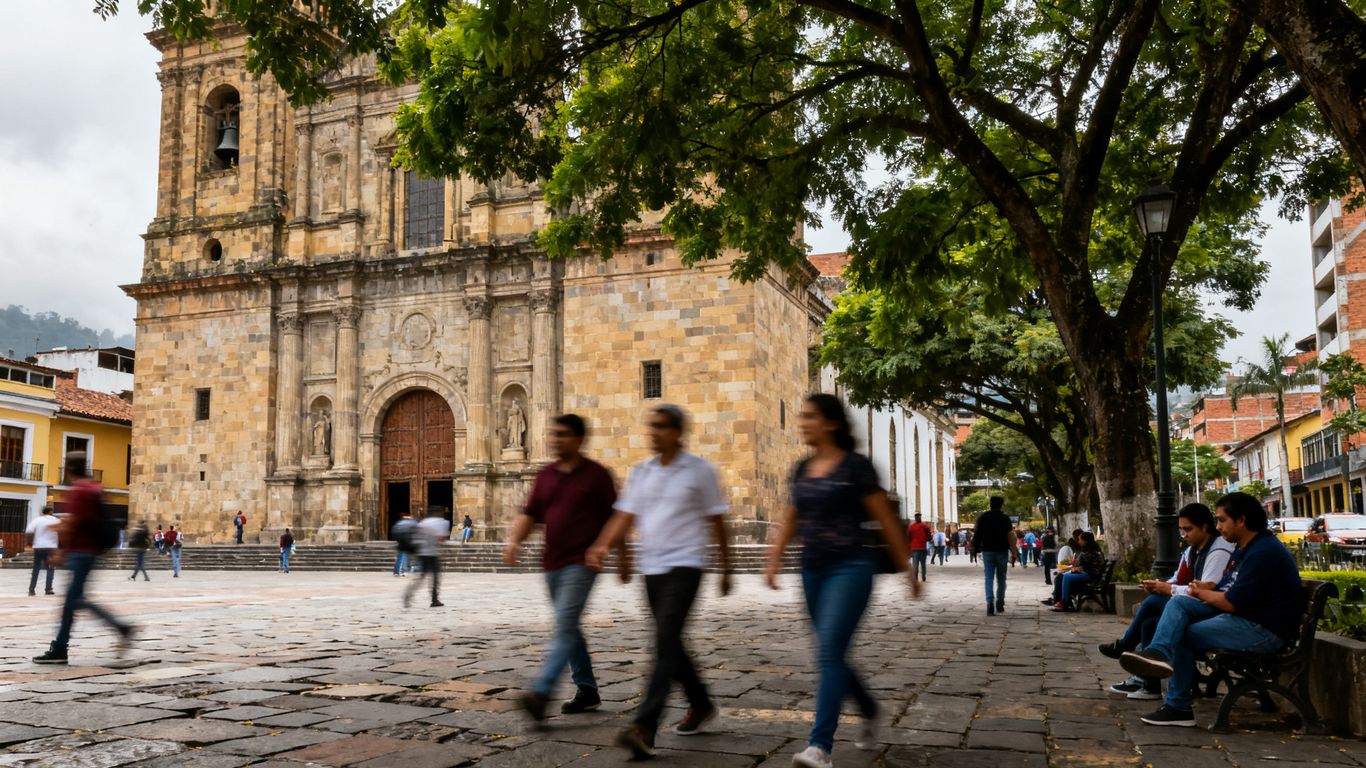
Meeting points are often near a central landmark, but we should follow the organizer’s exact instructions rather than choosing a similar-looking plaza. Allow time to locate the group and confirm the starting point on a current map. Public transport or a taxi can work, depending on where we are staying and the time of day.
What to wear and bring for a city walk
Comfort matters more than dressing for a photo. We can keep the essentials simple and carry only what we expect to use during the route.
- Wear comfortable shoes suited to paved streets and standing stops.
- Bring water and sun protection for exposed plazas.
- Keep a charged phone for maps and meeting details.
- Carry only the valuables needed for the outing.
These basics help us stay comfortable without overpacking. We can also check the forecast and adjust clothing before heading out.
How to pace the route around museums and plazas
Outdoor plazas and indoor museums call for different pacing. We can decide in advance which museum matters most, then leave enough time to explore its galleries rather than rushing through. If we want an indoor activity on a rainy day, the Colombian Cacao Experience offers a hands-on workshop in Laureles; its listed price is 160,000 COP per person.
When to check opening hours for indoor stops
Museum schedules and access arrangements can change, so we should confirm them close to the visit. A walking tour may pass a museum without including entry, and a building’s presence on the route does not guarantee it will be open. Checking ahead helps us decide whether to extend the walk or return another day.
How to stay aware while exploring downtown Medellín
Downtown streets and plazas can be busy, and we should pay attention to our surroundings. We can follow the guide’s local instructions while keeping belongings secure and staying with the group. Conditions vary by block and time, so use current advice rather than relying on a blanket judgment.
Keeping valuables secure in busy public areas
Crowds make it sensible to keep phones and wallets secure rather than loosely held. We can avoid displaying expensive items and use a bag that closes and stays within reach. The familiar local advice “no dar papaya” means avoiding unnecessary opportunities for theft, not letting worry prevent us from enjoying the walk.
Choosing well-traveled streets and following guide advice
We should stay on the planned route and ask the guide before taking a side street or separating from the group. Well-traveled routes and clear meeting instructions make it easier to stay oriented. If we are unsure about a nearby area, asking someone who knows the route is more useful than guessing.
Using taxis or ride-hailing after the tour
If we finish somewhere unfamiliar, we can arrange a ride from a clear pickup point and verify the vehicle details. Follow the app’s directions when using a ride-hailing service, and avoid accepting unsolicited offers. During daylight, public transit may also be practical if we know the station and route.
Adjusting plans for weather and crowd conditions
Rain can make walking less comfortable, while busy plazas may slow the group. We can carry a light rain layer and agree on what to do if anyone falls behind. For a different indoor cultural activity, the Colombian Cacao Experience includes a chocolate exfoliation ritual and a signature cacao sour cocktail, according to its published description.
How to choose a historical walking tour
The right tour depends on which landmarks and explanations matter to us. We can compare routes, duration, group policies, and the guide’s approach before booking. A clear listing should answer basic questions about what is included and what we need to arrange ourselves.
Comparing routes by landmarks and historical focus
Some tours focus on the central plazas and public art, while others place more emphasis on broader city history. We should choose based on the places we want to see and how much context we want along the way. If we prefer a hands-on cultural experience to a street route, the Colombian Cacao Experience offers a bean-to-bar workshop rather than a downtown walking tour.
Checking guide credentials, reviews, and group policies
Read recent reviews for practical details about pace, communication, and how the guide handles questions. We can also verify the guide’s language, group limit, cancellation terms, and meeting instructions. A useful tour description states these details plainly instead of relying only on broad promises.
Confirming what the tour price includes
Before paying or reserving, we should check whether admission, food, transport, or tips are included. The price may cover the guide’s time but not entry to a museum or personal purchases. For readers browsing beyond Medellín, our wider reference library also includes separate guides to Indian ethnic style, KiwiSaver funds, Simple Maui Wedding, Ioannis Finest, and London hospitality consultants; these are unrelated to downtown tour arrangements.
Matching the route to your interests and mobility needs
A route with several stops may involve extended standing and uneven pacing, even when the streets appear straightforward. We can ask about stairs, resting points, and the distance between landmarks if those details affect our plans. Choose a tour whose pace and subject matter leave room to enjoy the center rather than simply cover ground.
Conclusion
A historical walk through central Medellín can bring public art, churches, plazas, and civic spaces into one manageable outing. We can get more from it by checking the route, planning around museum hours, and following practical local guidance. Choose a tour that fits our pace and curiosity, then leave time to notice the city between stops.
Frequently Asked Questions
What landmarks are usually included in a Medellín center walking tour?
Routes commonly include Plaza Botero, the Museo de Antioquia, Parque Berrío, and nearby historic or civic landmarks. Exact stops vary, so we should review the tour listing before booking.
How long does a historical walking tour in central Medellín take?
Tour lengths differ by route and operator. Check the listing for the estimated duration and walking distance, or ask the organizer if these are not stated.
Do walking tours enter the Museo de Antioquia?
Not necessarily; some routes may pass the museum without including admission or an interior visit. Confirm the itinerary and check current opening hours if we want to go inside.
Are downtown walking tours free?
Some tours use a tip-based format, while others charge a fixed price. We should confirm booking terms and expected contributions directly with the organizer.
What should we bring on a Medellín city walk?
Comfortable shoes, water, sun protection, and a charged phone are useful basics. We should carry only the valuables needed for the outing and consider a light rain layer.
Is it better to take a guided tour or explore independently?
A guide can explain local history and help us follow a planned route, while independent visits allow more flexibility. We can choose based on how much context and structure we want.
Can we combine a walking tour with museum visits?
Yes, if the schedule, museum hours, and tour route allow enough time. Check whether admission is included and avoid assuming the group will enter every building it passes.