
Key Takeaways
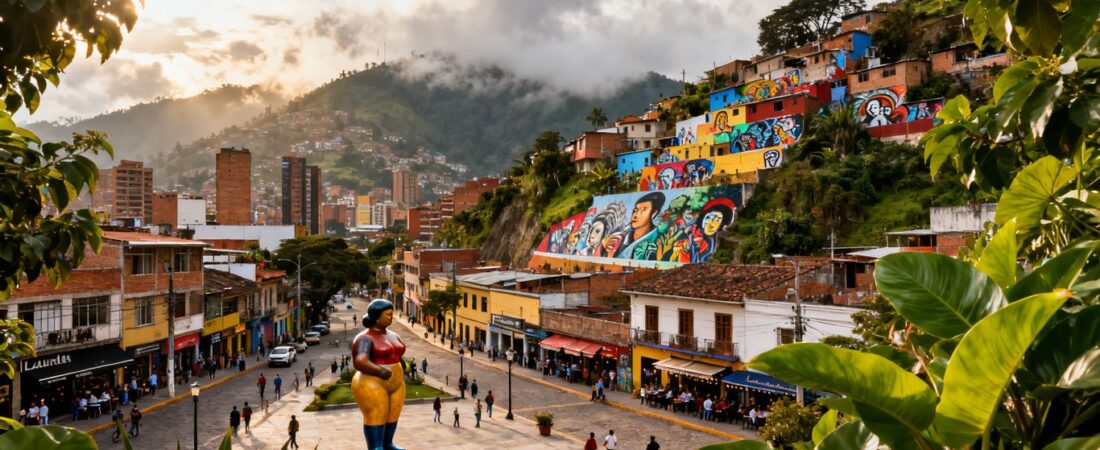
The free things to do in medellin colombia include public art, gardens, viewpoints, markets, and neighborhood walks. We can build a full day around these places without paying admission.
- Plaza Botero offers open-air access to Fernando Botero’s sculptures.
- Museo de Antioquia may offer free entry during selected periods.
- Comuna 13, Cerro Nutibara, and the Botanical Garden suit different interests.
- Minorista and La Candelaria reveal everyday city life and history.
- Laureles combines relaxed public spaces with a paid cacao workshop option.
1. Walk through Plaza Botero and admire its public sculptures
Plaza Botero is one of the easiest free things to do in medellin colombia. We can walk among Fernando Botero’s large bronze sculptures in Medellín’s central La Candelaria district. The square gives us an immediate introduction to one of Colombia’s most recognizable artists.
We should visit during daylight and keep phones secure in crowded areas. The plaza sits beside the Museo de Antioquia and the Palace of Culture Rafael Uribe. From here, we can continue through nearby streets rather than treating the square as an isolated stop.
Botero’s figures use expanded volume rather than realistic proportions. That makes the collection easy to recognize, even for visitors unfamiliar with his work. A short visit also pairs naturally with a broader free Medellín walking guide, especially if we want historical context from a local perspective.
2. Visit the Museo de Antioquia during free-entry periods
The Museo de Antioquia is a strong cultural stop when its admission schedule includes a free-entry period. We can see works connected to Antioquia’s artistic history, including pieces by Fernando Botero. Checking the official schedule before walking over matters because free access can depend on the day or special programming.
The museum’s location beside Plaza Botero makes the two visits simple to combine. We should allow enough time for the galleries rather than rushing through them between photographs. Museum rules, opening hours, and eligible visitors may change, so we should confirm details locally before arriving.
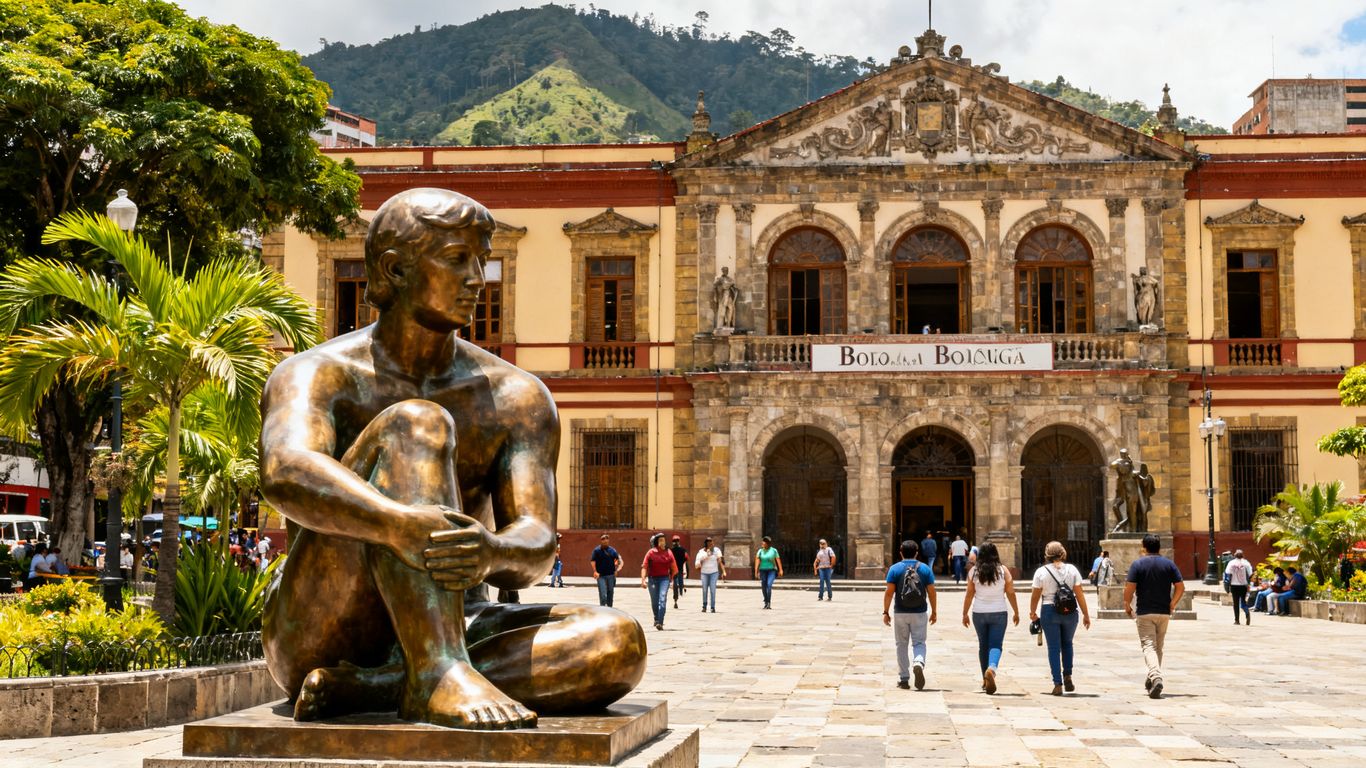
Afterward, the surrounding center offers more public architecture and street activity. We can keep the route compact, use daylight hours, and avoid carrying unnecessary valuables. This pairing gives us art indoors and outdoors without paying for every part of the afternoon.
3. Explore Comuna 13’s outdoor escalators and street art
Comuna 13’s outdoor escalators and murals provide a free way to see public art and hillside infrastructure. We can walk through the accessible areas, observe neighborhood galleries, and follow the painted walls at a relaxed pace. The experience works best when we treat the community as a lived-in neighborhood, not only as a photo backdrop.
The escalators reduce the effort of climbing steep sections, but we should still wear comfortable shoes. Local guides can add useful context about the area’s changes, while independent visitors should follow marked public routes. We should ask before photographing residents, vendors, or private spaces.
Street artists often work near busy pedestrian paths, and small galleries may invite visitors inside. Buying a modest snack or artwork can support local businesses, although browsing itself costs nothing. We should plan the return route before sunset and keep the same basic awareness used in any crowded tourist area.
4. Hike to the viewpoints in Cerro Nutibara and Pueblito Paisa
Cerro Nutibara gives us a free uphill walk and broad views across Medellín. At the summit, Pueblito Paisa recreates elements of a traditional Antioquian village setting. We can visit the viewpoint, walk around the small plaza, and see the valley from a different angle.
The climb is manageable for many visitors, but the route still requires water and steady footwear. We should allow extra time for rests, especially after a warm midday walk. Public transport or a short ride to the base can reduce the approach if we prefer saving energy for the hill.
The main appeal is the combination of greenery, city views, and cultural details in one compact outing. These simple planning facts help us choose the right moment:
| Consideration | Practical choice |
|---|---|
| Best light | Morning or late afternoon |
| What to carry | Water, sunscreen, and secure phone storage |
| Walking level | Moderate uphill effort |
| Visit length | About two to three hours |
The viewpoint is more enjoyable when visibility is good and the paths are dry. We can finish before evening and continue toward Laureles or another neighborhood afterward. This is a useful low-cost pause from Medellín’s denser central streets.
5. Stroll through Jardín Botánico de Medellín
Jardín Botánico de Medellín is a free green space where we can slow down among tropical plants and shaded paths. The garden offers a quieter contrast to the city’s traffic and dense buildings. Entry policies and special exhibits can change, so we should check current visitor information before going.
We can combine the garden with nearby attractions around Parque Explora and the northern cultural district. The paths suit an unhurried stroll, casual photography, or a short break between museums. We should follow posted rules and avoid touching plants or feeding wildlife.
The garden works especially well earlier in the day, when we have time to explore without rushing. Rain may make some paths slippery, so light footwear with traction is useful. A visit here does not require a strict itinerary, which makes it easy to fit around Metro travel.
6. Walk around Parque de los Deseos and Universidad de Antioquia
Parque de los Deseos and the nearby Universidad de Antioquia campus create a useful free cultural circuit. We can sit in the open space, watch local activity, and continue toward the university’s public-facing areas. The northern zone also places us close to other educational and science attractions.
The park is most comfortable when we visit during active daytime hours. We should check campus access rules because university buildings and events may have separate policies. The area rewards slow observation more than a list of paid attractions.
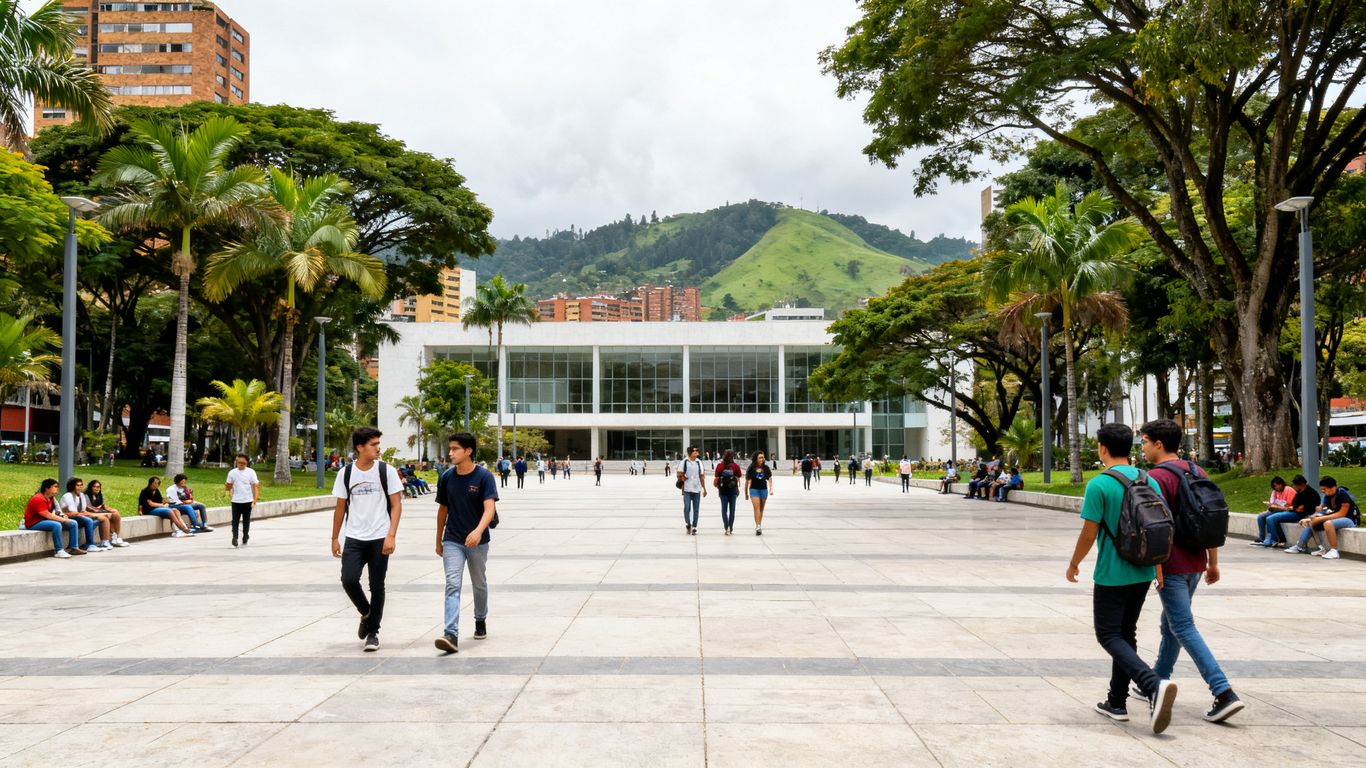
A short video can help us understand the city’s public spaces before choosing a route, but local conditions remain more useful than any recording. We can use the broader Medellín activity guide to compare this area with markets, cafés, and other neighborhoods. Then we can choose one district instead of crossing the city repeatedly.
7. Browse local produce and street food at Plaza Minorista
Plaza Minorista is a busy market where we can browse produce, herbs, fruit, and everyday food stalls without paying an entrance fee. It offers a closer look at ordinary commerce than a polished attraction. We should visit with patience because aisles can be crowded and vendors may be working quickly.
The market becomes easier when we keep our belongings close and buy small portions as we go. Freshness is easiest to judge by watching which stalls have steady customer turnover. For more practical food guidance, we can consult this Colombian street food guide before sampling unfamiliar dishes.
A compact market routine keeps the visit manageable:
- Walk one aisle first before buying anything.
- Ask the price and portion size before ordering.
- Choose busy stalls with quick product turnover.
- Carry small cash and keep valuables concealed.
These habits help us explore without turning the market into a rushed scavenger hunt. We can also compare fruit varieties, juices, and cooked snacks at different counters. The visit is free to browse, while food purchases naturally cost extra.
8. Take a self-guided architecture walk through La Candelaria
La Candelaria gives us a free architecture walk through Medellín’s historic center. We can begin around Plaza Botero and continue past historic facades, civic buildings, churches, and narrow commercial streets. The district rewards attention to balconies, doors, rooflines, and changing building materials.
We should walk in daylight and stay on active streets rather than wandering without a route. A simple map helps us avoid unnecessary backtracking and keeps the outing focused. We can pause in public squares, but we should not block doorways or photograph people without permission.
The architecture becomes easier to understand when we connect it with the city’s public art and institutions. We can spend one or two hours here, then move toward another district before evening. This approach keeps the activity free while still giving us a clear historical structure.
9. Enjoy the parks, murals, and people-watching in Laureles
Laureles is well suited to free things to do in medellin colombia because its streets connect parks, murals, cafés, and shaded walking routes. We can stroll around the circular streets, sit in a public park, and watch neighborhood life without paying admission. The area feels particularly manageable for visitors who prefer a slower urban rhythm.
We should explore during the day and use main avenues when returning after dark. Murals change over time, so we can treat the walk as a snapshot rather than a fixed gallery. Public benches and open plazas make it easy to pause without ordering anything.
Laureles also provides a practical base for comparing free sightseeing with paid cultural activities. We can walk first, stop for a coffee if we choose, and reserve a longer experience separately. That flexibility makes the neighborhood useful for travelers managing both time and budget.
10. Compare free cultural walks with a hands-on Colombian Cacao Experience in Laureles
Free walks show us Medellín’s streets, while the Colombian Cacao Experience offers a paid, hands-on alternative in Laureles. The workshop lasts approximately 3.5 hours and costs 160,000 COP per person. It is not free, but it adds a focused cultural activity to an otherwise low-cost itinerary.
During the Colombian Cacao Experience, guests roast raw cacao over fire, peel and grind beans on a traditional molino, join a cacao ceremony, and take part in a chocolate exfoliation ritual. The session finishes with a signature cacao sour cocktail. We can choose it when rain, limited walking energy, or deeper food interest makes another outdoor stop less suitable.
The activity is currently ranked the number-one Classes & Workshops experience in Medellín on TripAdvisor, with a 5.0 rating. We should compare that structured workshop with free neighborhood walks based on our budget and interests. For a simple decision, free walks suit flexible sightseeing, while the Colombian Cacao Experience suits a scheduled, tactile introduction to cacao culture.
Conclusion
Medellín’s public art, gardens, markets, viewpoints, and neighborhood streets give us many ways to explore without admission fees. We can combine a few central stops with Comuna 13, Cerro Nutibara, or Laureles, then add a paid workshop only if its format fits our plans.
Written by the editorial team at Things To Do Medellin, featuring local insights and verified recommendations from the city’s top-rated cultural artisans.
Frequently Asked Questions
What are the best free things to do in Medellín, Colombia?
Plaza Botero, Comuna 13’s public areas, Cerro Nutibara, Jardín Botánico, and Laureles are strong choices. We can also explore La Candelaria, Parque de los Deseos, and Plaza Minorista without paying admission.
Is Plaza Botero free to visit?
Yes, the public square can be visited without an entrance fee. We should go during daylight and stay alert with phones and bags in crowded areas.
Can we enter Museo de Antioquia for free?
The museum may have selected free-entry periods or special access arrangements. We should confirm the current schedule and eligibility requirements before visiting.
Is Comuna 13 free without a tour?
Public streets, escalators, and murals can generally be explored independently. A local guide may provide context, but visitors should respect residents and check routes before arriving.
What can we do for free in Laureles?
We can walk the neighborhood, visit public parks, view murals, and people-watch along its connected streets. Cafés and restaurants are available when we decide to spend money.
Is Plaza Minorista free to enter?
Browsing the market does not usually require an entrance payment. Food, drinks, and produce cost extra, and visitors should keep valuables secure in crowded aisles.
What should we do if it rains in Medellín?
We can shift from outdoor walks to museums, cafés, or a scheduled indoor cultural workshop. Checking opening hours and booking requirements before crossing town helps avoid a wasted trip.