
Key Takeaways
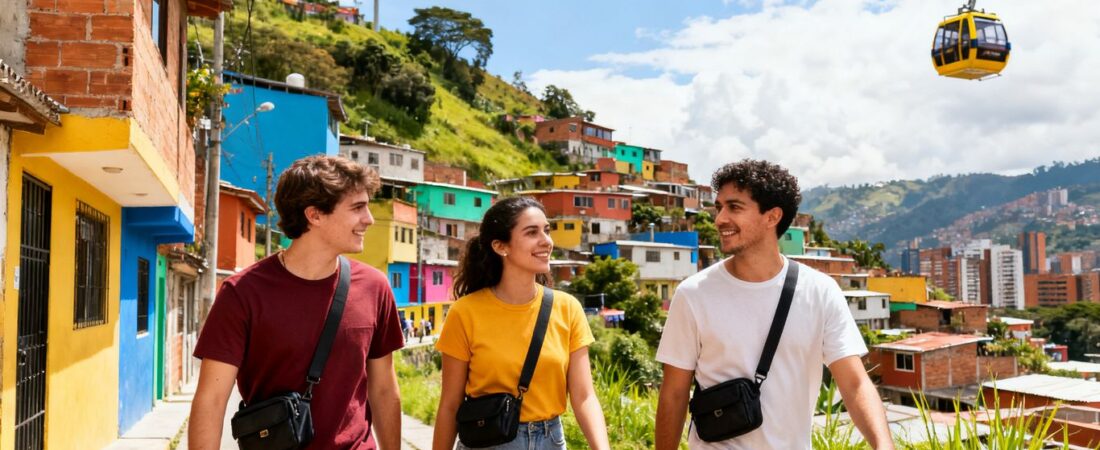
Medellín rewards visitors who plan simply, stay aware, and adjust plans by place and time.
- Keep phones, wallets, and passports out of sight.
- Use verified transport and check vehicle details before departure.
- Treat nightlife, crowded attractions, and unfamiliar streets with extra caution.
- Share plans with someone you trust, especially when traveling alone.
- Report theft promptly and secure cards, accounts, and documents.
How to assess safety before exploring Medellín
Safety tips for tourists in Medellin begin with a direct answer: we should plan by neighborhood, time, transport, and current local advice. Most visits involve ordinary urban precautions rather than constant restrictions. We should also remember that conditions can change, so one fixed citywide rule is not enough.
Understand how safety varies by neighborhood and time
Medellín is made up of districts with different levels of activity, lighting, and pedestrian traffic. A street that feels comfortable during a busy afternoon may be much quieter after businesses close. We should use extra care around unfamiliar areas, isolated residential streets, and transport connections late at night.
We can compare the planned route with recent local guidance instead of relying only on old reputations. The city’s current Medellín safety advice offers another perspective on neighborhood choices, daytime movement, and common petty-theft risks. That comparison helps us avoid both needless fear and careless confidence.
Check current local advice and recent conditions
Before leaving our accommodation, we should check official travel advice, local authority updates, and any guidance from trusted hotel or tour staff. Demonstrations, unusual closures, transport disruptions, or security incidents can affect a route without affecting the whole city. We should avoid treating social media rumors as confirmed information.
A practical check takes only a few minutes. We can ask whether the destination is active at our intended time, whether the recommended entrance remains open, and which transport option is most suitable. This is particularly useful for markets, large public spaces, and areas where we do not speak much Spanish.
Plan routes around your accommodation and main activities
We should map the route before setting out, including the return journey. Save the accommodation address in Spanish and keep a charged phone available for navigation. If a day includes several stops, grouping them by neighborhood reduces unnecessary transfers and wandering.
A small amount of preparation also prevents rushed decisions. We can record the name of a nearby hotel, restaurant, or major station as a reference point. When planning independent outings, even a Medellín tours guide can help us understand distances, transport links, and sensible timing before we choose a route.
Know when to ask hotel or tour staff for guidance
Hotel receptionists, licensed guides, and established businesses usually know which streets are active and which transport arrangements work best. We should ask specific questions rather than simply asking whether an area is safe. For example, we can ask where to enter, when to leave, and whether walking back is sensible.
Local advice is especially valuable when plans change. If a venue closes early or a station feels unusually quiet, we should accept a revised recommendation without embarrassment. Asking early is usually easier than solving a problem after we have become disoriented.
How to protect your phone, wallet, and documents
Our belongings are easiest to protect when we reduce what is exposed and keep backups separate. We should carry a small daily amount rather than every card, document, and electronic device. Simple habits reduce exposure without preventing us from enjoying the city.
Crowded streets, escalators, markets, and nightlife areas deserve particular attention. We should keep bags closed, avoid placing phones on tables near the street, and stay aware when someone creates a distraction. These precautions are useful anywhere, not only in Medellín.
Carry only what you need for the day
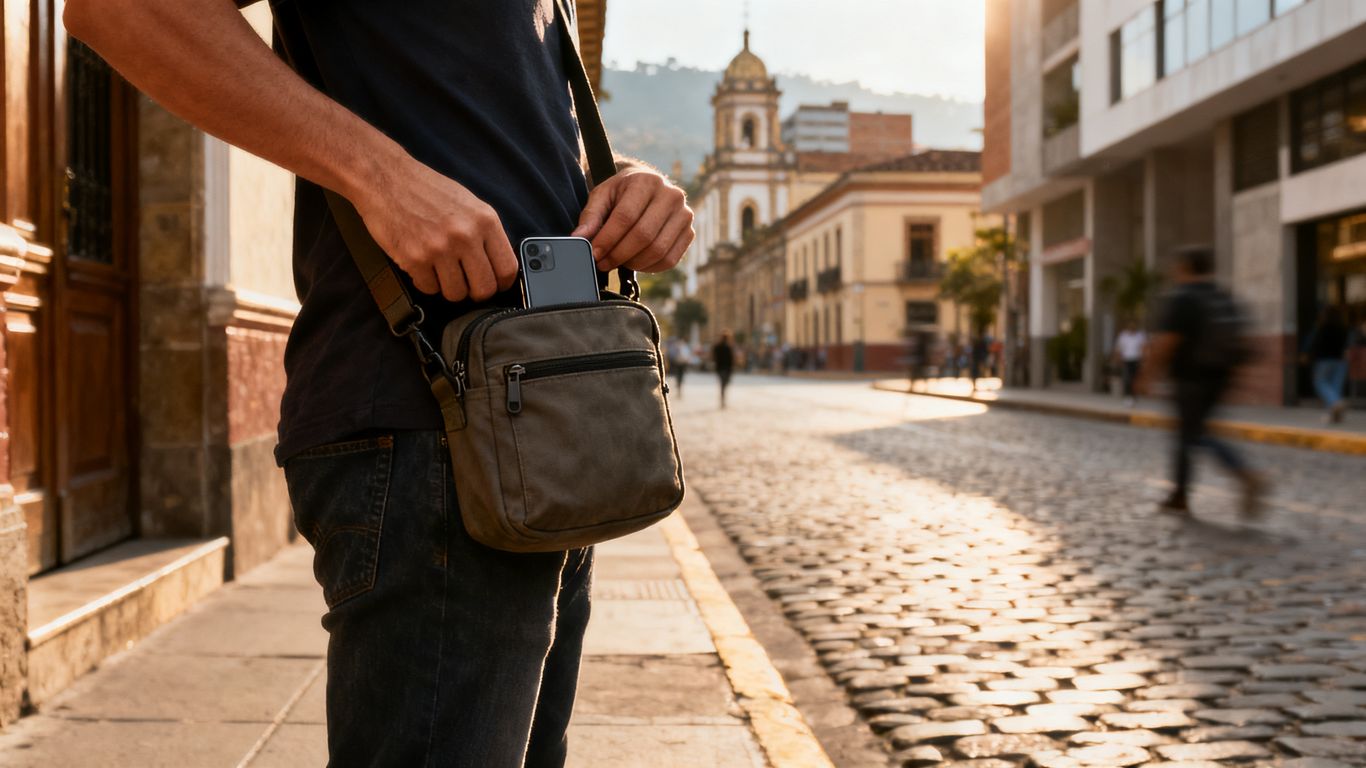
Before leaving, we can choose one payment card, a limited amount of cash, identification, and the items needed for that day’s activity. Leave spare cards, expensive jewelry, and unnecessary electronics in a secure place. A smaller load is easier to monitor when we move through busy areas.
Keep cash in more than one location if practical. We should not count money openly or pull out a full wallet at a counter. For market visits, a modest amount of small notes can make ordinary purchases simpler and reduce unnecessary handling.
Avoid displaying phones and valuables in public
We should use phones discreetly, especially near road edges, station exits, and crowded sidewalks. If navigation is necessary, step inside a shop, hotel entrance, or other settled location before checking the map. Keep cameras and laptops stored when they are not actively being used.
A shoulder bag should close fully and remain in front of the body in dense crowds. Backpacks need extra care because we may not feel a zipper being opened. We can also reduce attention by dressing practically and avoiding visible displays of expensive equipment.
Store passports and backup cards securely
Passports, spare cards, and larger amounts of cash should remain in a secure accommodation storage option when they are not required. We should carry a photocopy or secure digital copy of the identification page, while keeping access to the original controlled. Never store all payment methods together.
A separate backup plan matters if a wallet disappears. We can keep one card in a different bag or secured location and record relevant account details privately. The same principle applies to travel documents and emergency contact information.
Prepare for theft or loss before leaving home
Preparation should happen before the flight, not after a loss. We can save card issuers’ international contact numbers, enable account alerts, and review device-finding tools. It is also wise to understand the difference between a card lock, a permanent cancellation, and a replacement request.
Our preparation can include a short inventory stored securely online. Keep serial numbers, policy details, and copies of important documents away from the originals. Separate practical travel preparation from unrelated online advice, such as home renovation tools, so the emergency file stays focused and easy to use.
How to use taxis, ride-hailing apps, and public transport safely
Transport safety depends on choosing a traceable service and checking details before boarding. We should avoid accepting unsolicited rides outside airports, nightlife venues, or major attractions. Plan the pickup location before entering a vehicle, especially when streets are crowded.
Medellín’s public transport can be useful during busy hours, but normal urban awareness still applies. We should keep belongings close, follow posted rules, and avoid making ourselves conspicuous. The safest option is the one we understand and can use without rushing.
Choose registered taxis or reputable ride-hailing services
We should use authorized taxis arranged through a hotel, venue, official rank, or reputable ride-hailing application. Confirm the fare method before departure and avoid unplanned stops suggested by strangers. If the pickup feels confusing, move to a well-lit, staffed location and request help.
Keep the trip details available on our phone and share them when traveling alone. We should not assume that a familiar app removes every risk. Checking the vehicle, route, and destination remains part of the journey.
Verify the vehicle and driver before getting in
Before entering, compare the license plate, vehicle description, and driver information with the booking. We should greet the driver without announcing personal details and confirm the destination privately. If anything does not match, cancel or seek assistance rather than negotiating at the curb.
Sit where we can exit easily and keep bags away from open windows. During the trip, follow the route on the application or map when possible. A calm refusal is enough if a driver pressures us to change the arrangement.
Use Medellín’s Metro and cable cars responsibly
The Metro and cable cars are shared public spaces, so we should follow staff instructions and keep valuables secured while boarding. Crowded platforms require attention to bags, phones, and wallet pockets. We should also confirm the direction and transfer before entering a train or cable-car line.
Daytime sightseeing can pair transport with established attractions and guided activities. A city walking tour or a workshop such as the Colombian Cacao Experience gives us a defined destination and schedule rather than encouraging aimless movement. We should still plan the return route before the activity begins.
Avoid isolated stations, platforms, and streets late at night
If a station exit appears empty or poorly lit, we should remain in a staffed area and choose another route. Avoid waiting alone on quiet platforms or walking unfamiliar streets after transport services thin out. Door-to-door travel may be more appropriate after late evening activities.
We should also avoid making a last-minute transfer while tired or impaired. A hotel, restaurant, or venue can help us arrange a reliable pickup. Staying inside until the vehicle arrives is sensible when the surrounding street is quiet.
How to stay safe in El Poblado, Provenza, and Parque Lleras
El Poblado, Provenza, and Parque Lleras have busy entertainment zones, restaurants, and late-night foot traffic. They are not risk-free, and crowds can create opportunities for theft, scams, unwanted attention, or drink tampering. We should decide our transport and limits before going out.
The local Parque Lleras safety guide provides neighborhood-specific context about nightlife movement and secure rides. We can enjoy a venue without treating the surrounding streets as interchangeable. Staying observant matters most when leaving a crowded area.
Recognize common nightlife risks around busy venues
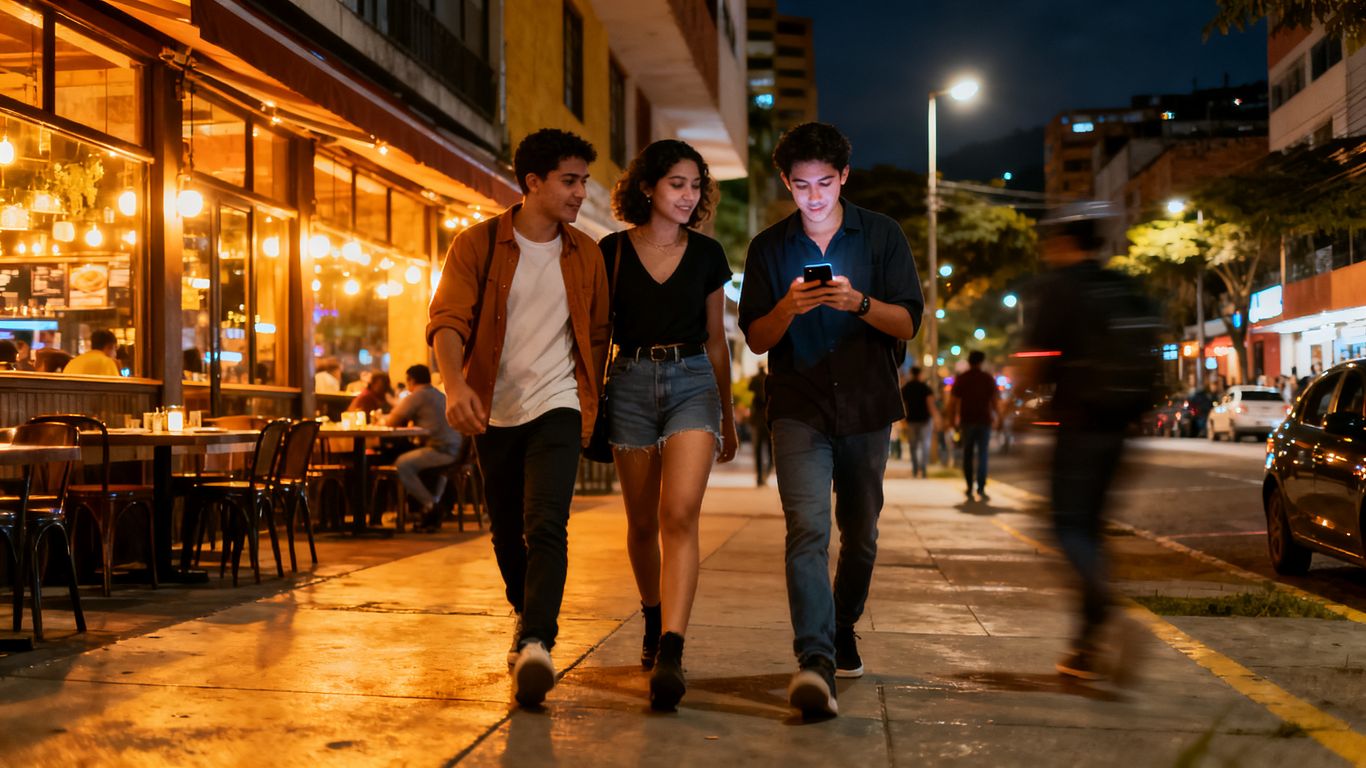
Nightlife risks often increase when attention is divided by music, alcohol, unfamiliar company, or a busy entrance. We should keep phones and wallets secured, avoid displaying cash, and be cautious with unsolicited invitations. If a conversation turns toward drugs, paid companionship, or an unfamiliar second venue, we can leave.
We should review the bill before paying and confirm prices where possible. Avoid handing over a card out of sight. A trusted companion can watch belongings while another person pays or collects a ride.
Keep drinks in sight and avoid accepting substances
We should order our own drinks, watch them while they are prepared, and decline drinks offered by strangers. Never accept unknown pills, powders, or other substances. Possession, consumption, and impaired judgment can create serious legal and personal risks.
If a drink tastes or feels unusual, stop consuming it and tell a trusted companion or venue employee. Move to a staffed, secure place and seek medical help if symptoms develop. We should not leave with someone we have just met while feeling unwell.
Use door-to-door transport after evening activities
Before entering a venue, we can save the accommodation address and arrange a pickup point that is visible and staffed. At closing time, avoid walking through quiet side streets while checking the phone. Wait inside until the driver arrives and verify the vehicle before boarding.
Groups should leave together whenever possible. Solo travelers can share the trip details with a contact and keep the phone accessible without displaying it on the street. A short ride is often preferable to a long walk after dark.
Decide when to leave crowded entertainment areas
We should leave if the crowd becomes aggressive, someone repeatedly follows us, or we feel pressured to continue elsewhere. There is no benefit in winning an argument with a stranger. Move toward a hotel, restaurant, security desk, or other staffed location and request assistance.
Nightlife plans should have a clear finish time. The Medellín nightlife guide can help with general planning, but we still need to judge the immediate conditions around our venue. Leaving before the streets empty can make the return journey simpler.
How to explore Comuna 13 and other tourist attractions responsibly
Tourist attractions are usually easier to navigate when we visit during active daytime hours and follow a defined plan. Comuna 13, markets, viewpoints, and public plazas can become crowded, so we should combine curiosity with restraint. A guided visit can provide context while helping us stay on established paths.
We should treat residents as neighbors rather than scenery. The goal is to learn from a place without turning ordinary life into a spectacle. That approach improves both safety and the quality of the visit.
Visit popular areas during active daytime hours
We should schedule major attractions when shops, guides, transport staff, and other visitors are present. Early planning also leaves time for a safe return before evening. If weather, fatigue, or a closure changes the schedule, we can postpone rather than improvise in an unfamiliar area.
For central sightseeing, a free walking tour downtown can offer a structured introduction with local guidance. We should confirm meeting details, keep valuables secured, and remain aware of the group’s route. Popularity does not remove the need for ordinary precautions.
Follow local guides and remain on established routes
Licensed or established local guides can explain where visitors should walk, pause, and take photographs. We should not separate from the group to explore an unplanned side street. If a guide changes the route, ask why and follow the updated safety instruction.
Independent visitors should use clear landmarks and avoid climbing barriers or entering restricted spaces. In markets, we can ask before handling goods or moving through work areas. A little structure prevents confusion without limiting the experience.
Respect residents, businesses, and photography boundaries
Ask permission before photographing people, homes, shops, or children. We should avoid blocking doorways, escalators, and narrow paths while taking pictures. Respectful behavior reduces confrontation and acknowledges that attractions remain lived-in neighborhoods.
The same rule applies in commercial spaces. Pay agreed prices, handle products carefully, and keep conversations polite if we decline a purchase. We can learn about local food through an authentic street food guide while following its practical advice about hygiene and cash handling.
Keep valuables secure in crowded viewpoints and escalators
Crowded viewpoints and escalators require both hands and attention. We should close bags before joining a queue, keep phones away from outer pockets, and avoid placing belongings on railings or steps. A companion can watch the bags while another person takes a photograph.
When an attraction becomes too congested, step aside in a visible area and let the crowd pass. Do not follow strangers into a quieter route simply because they offer a shortcut. If we lose contact with companions, use the agreed meeting point instead of searching randomly.
How solo travelers and groups can reduce risk
Good coordination reduces uncertainty without making a trip feel rigid. Before separating, we should agree on where we are going, when we will check in, and how we will reconnect. Solo travelers can use the same system with a trusted person at home.
We should also plan for ordinary problems such as a dead battery, a missed station, or a language barrier. Clear decisions made while calm are easier to follow later. The aim is not to predict every incident, but to avoid being isolated when plans change.
Share your itinerary and accommodation details
Send a trusted contact our accommodation name, planned neighborhoods, and expected return time. For a day tour, share the operator’s details and meeting point. Update that person when plans change rather than leaving an outdated itinerary.
Keep the accommodation address written separately from the phone. We should avoid posting live location details publicly, especially while moving between venues. Private, timely sharing is more useful than broad online visibility.
Set meeting points and emergency contact plans
Groups should choose a specific meeting point at each major attraction and a backup location nearby. Agree on a time to wait before contacting staff or changing plans. Every traveler should know at least one local contact route and the accommodation address.
This plan works best when it is simple. We can use a staffed entrance, ticket desk, or clearly named public landmark rather than a vague neighborhood reference. Children and older travelers may need the plan explained more than once.
Manage alcohol use and avoid walking alone when impaired
Alcohol can reduce attention, memory, and judgment, so we should set a personal limit before going out. Eat, drink water, and stay with people we trust. Anyone who feels impaired should use door-to-door transport rather than walking alone.
If a companion becomes unwell, do not leave them with a new acquaintance. Tell venue staff, arrange medical help, and keep their phone and identification secure. The Colombian Cacao Experience is a daytime cultural option for travelers who prefer a structured activity without nightlife pressures.
Respond calmly to unwanted attention or street scams
We should avoid arguing with persistent solicitors or revealing personal information to strangers. A short refusal, continued movement, and entry into a staffed business are usually safer than confrontation. If someone claims to be an official, ask to see identification and contact the relevant venue or authority independently.
Common distractions work best when we stop paying attention to our belongings. Keep moving if an interaction feels unusual, and tell companions what happened. We can also review coconut milk or other unrelated shopping information later, rather than allowing a sales conversation to redirect our route.
What to do if something goes wrong in Medellín
If an incident occurs, our first priority is distance from the immediate danger and care for anyone injured. Move to a staffed public place, contact Colombian emergency services or local authorities, and ask trusted accommodation staff for practical help. We should preserve key details while events remain fresh.
The following sequence keeps the response manageable. We can adapt it to the situation, but should not delay urgent medical or police assistance while gathering paperwork.
Contact Colombian emergency services and local authorities
For immediate danger, injury, or a serious incident, contact Colombian emergency services and follow instructions from local authorities. If we cannot communicate easily, ask a hotel employee, venue manager, guide, or nearby officer to assist. Give the location, nature of the emergency, and number of people involved.
We should not chase a thief or return to an unsafe area for belongings. Once safe, write down the time, location, descriptions, and direction of travel. Those details may help authorities and insurers later.
Report theft and request an official police report
After a theft, report it to the police and request an official report or incident reference. This document may be needed for insurance, replacement travel documents, or card disputes. We should explain what was taken and provide copies rather than surrendering original documents unnecessarily.
If a passport is missing, contact the nearest embassy or consulate for instructions. Keep the police report and any case number in more than one secure place. Do not pay an unofficial fee for assistance.
Block payment cards and secure online accounts quickly
Use the saved issuer numbers or banking applications to freeze stolen cards immediately. Change passwords for email, banking, and travel accounts if a device or wallet was taken. Sign out of lost devices remotely and enable tracking only when doing so does not expose our location.
Check account alerts and document unauthorized transactions. We should contact the bank through a verified channel, not a number sent by an unknown caller. If a phone is lost, ask the mobile provider about suspending the SIM or account.
Get medical help and contact your embassy when necessary
Seek medical care after an assault, suspected drink tampering, accident, or unexplained illness. Ask the provider for written records, prescriptions, and receipts. A trusted companion should stay nearby when possible and help communicate the timeline.
Embassies can explain procedures for lost passports, serious arrests, or major emergencies, although they do not replace Colombian authorities or medical services. Keep family or emergency contacts informed with concise updates. Avoid posting details publicly until everyone is safe.
Conclusion
We can follow safety tips for tourists in Medellin without avoiding the city’s neighborhoods, transport, or cultural attractions. Plan around time and place, protect belongings, use traceable transport, and leave situations that feel wrong. Calm preparation gives us more freedom to explore responsibly.
Frequently Asked Questions
Is Medellín safe for tourists?
Medellín can be visited safely when we use ordinary urban precautions and plan around neighborhood, time, and transport. Conditions vary, so we should check current local advice before each outing.
Which belongings should tourists avoid carrying?
We should leave spare cards, large amounts of cash, expensive jewelry, and unnecessary electronics securely stored. Carry only the identification, payment method, and equipment needed for the day.
Is it safe to walk around Medellín at night?
Walking late at night depends on the specific street, neighborhood, lighting, and current activity. We should avoid isolated routes and use verified door-to-door transport when streets become quiet.
How can tourists use taxis safely in Medellín?
Use a registered taxi arranged through a trusted source or a reputable ride-hailing service. Before boarding, compare the vehicle, license plate, driver, and trip details with the booking.
What should solo travelers do before going out?
Share the accommodation address, planned route, and expected return time with a trusted contact. Set check-in times and keep a backup plan for transport, communication, and lost documents.
What should visitors do after a phone or wallet is stolen?
Move to a safe, staffed place, report the theft, and request an official police report. Then block cards, secure online accounts, suspend the mobile service, and contact the embassy if documents were lost.
Is Comuna 13 safe to visit independently?
Visitors should go during active daytime hours, remain on established routes, and consider using an established local guide. Respect residents and keep belongings secure in crowded viewpoints, stairs, and escalators.
Written by the editorial team at Things To Do Medellin, featuring local insights and verified recommendations from the city’s top-rated cultural artisans.