
Key Takeaways
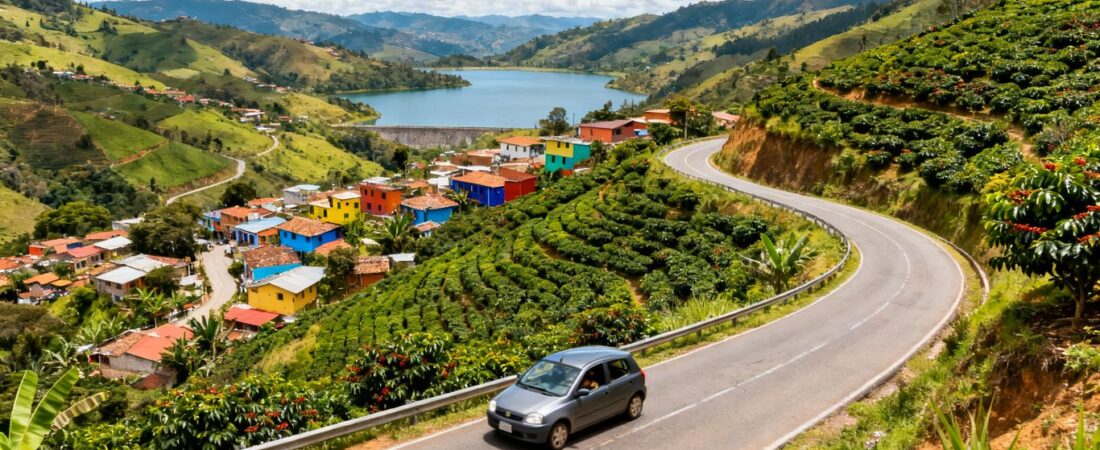
This seven-day circuit combines Medellín, eastern Antioquia, and the coffee towns of southwest Antioquia without forcing every day into a race.
- Spend two nights in Medellín before collecting a car.
- Visit Guatapé and El Peñol before continuing to San Rafael.
- Allow extra time for mountain roads, rain, and viewpoints.
- Stay in Jericó and Jardín rather than returning to Medellín nightly.
- Keep the final day flexible around flights and road conditions.
How to plan the route before leaving Medellín
The ultimate one week Antioquia road trip itinerary works best as a circuit through Medellín, Guatapé, San Rafael, Jericó, and Jardín. We recommend two city nights, four countryside nights, and a final return to Medellín. This route gives us cultural stops, rivers, mountain scenery, and manageable driving days.
Choosing the best direction for a seven-day circuit
We begin in Medellín because the city offers useful transport connections, restaurants, and several practical bases. From there, we travel east to Guatapé and San Rafael, then cross southwest toward Jericó and Jardín. The final drive returns us to Medellín through the western mountain corridors.
This direction avoids repeating the same roads and places the longest return drive at the end. Travelers wanting more planning context can also compare this route with these Antioquia itinerary ideas before choosing overnight stops.
Deciding between a rental car, driver, and buses
A rental car gives us the most control around river pools, viewpoints, and rural fincas. A private driver reduces navigation stress, especially on narrow roads, but requires arranging the schedule in advance. Buses work well between major towns, though they provide less flexibility for waterfalls and countryside detours.
We would choose a car for confident mountain drivers and a driver for groups that value conversation and convenience. Buses remain sensible for travelers staying near town centers and avoiding remote activities.
Estimating driving times, tolls, fuel, and parking
Driving times in Antioquia depend on curves, trucks, roadworks, and rain. Map estimates are useful starting points, not promises. We should budget for fuel, tolls on major corridors, occasional cash parking, and slower final approaches into small towns.
A simple planning table keeps the route realistic rather than optimistic:
| Segment | Planning approach | Main uncertainty |
|---|---|---|
| Medellín to Guatapé | Leave early and reserve daylight | Traffic leaving the valley |
| Guatapé to San Rafael | Keep the afternoon flexible | Rural road surface |
| San Rafael to Jericó | Treat as a full travel day | Mountain crossings |
| Jericó to Jardín | Compare routes before leaving | Weather and roadworks |
| Jardín to Medellín | Start early for the airport | Urban traffic on arrival |
After estimating each leg, we should add a buffer for food, photographs, fuel, and an unexpected stop. That extra hour often prevents rushed driving.
Preparing for mountain roads, weather, and limited phone coverage
Download maps before leaving Medellín and save accommodation addresses offline. Pack a light rain layer, closed shoes, water, snacks, and a small first-aid kit. Phone coverage can weaken between towns, so we should tell our accommodation when we expect to arrive.
The route is more enjoyable when we accept that conditions may change. We should never build the schedule around the fastest possible drive.
Days 1 and 2: Explore Medellín before the road trip
Our ultimate one week Antioquia road trip itinerary starts with two nights in Medellín, not an immediate highway departure. The city deserves time for central landmarks, neighborhood walks, markets, and a slower cultural activity. We can collect the rental car only after the urban portion ends.
Staying in Laureles, El Poblado, or another practical base
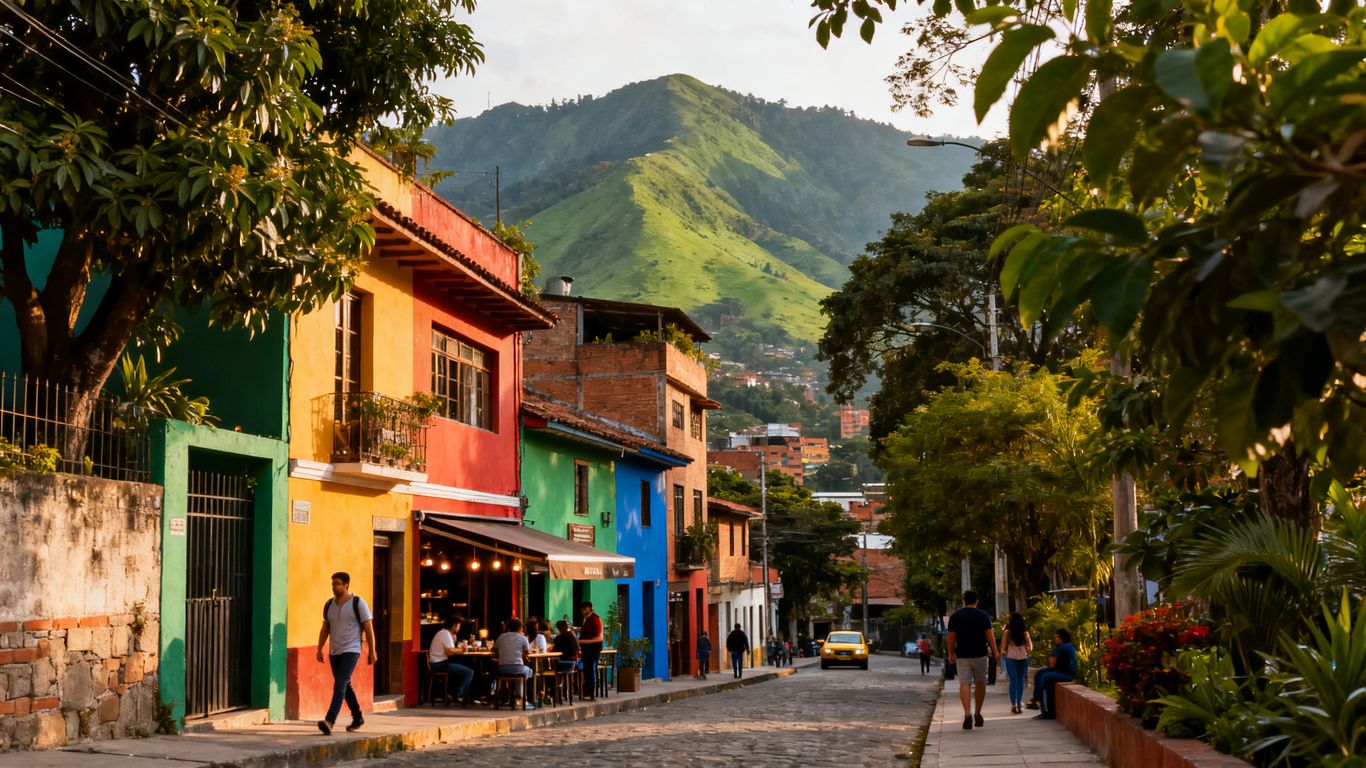
Laureles is convenient for walkable meals, cafés, and the Colombian Cacao Experience. El Poblado offers more nightlife and restaurant choice, while central areas place us nearer museums and historic plazas. We should choose accommodation with secure luggage storage and a clear taxi or rideshare pickup point.
For broad neighborhood comparisons, our Medellín planning guide helps match location with transport, safety, and travel style. Two nights in one base also means fewer packing interruptions.
Visiting central Medellín, Comuna 13, and local markets
We can spend the first day around central Medellín, including public plazas, museums, and local food stops. A separate visit to Comuna 13 allows time for street art, escalators, viewpoints, and community stories. Markets such as Minorista or Placita de Flórez add a more ordinary view of city life.
We should carry modest cash, keep phones discreet near busy streets, and use official meeting points for guided visits. A practical Comuna 13 graffiti visit fits well on the second morning.
Adding the Colombian Cacao Experience in Laureles
The Colombian Cacao Experience takes approximately 3.5 hours in Laureles and costs 160,000 COP per person. Guests roast raw cacao over fire, peel and grind beans on a traditional molino, join a cacao ceremony, and finish with a chocolate exfoliation ritual and cacao sour cocktail.
This indoor activity fits a rainy afternoon and adds hands-on food culture before the road trip. We should reserve ahead, especially when our departure date is fixed.
Understanding Medellín traffic and safe driving practices
We should avoid collecting a car during peak city traffic unless necessary. Medellín’s steep streets, motorcycles, buses, and sudden lane changes demand patience. Walking and public transport are usually simpler for the first two days.
A useful rule is to leave valuables out of sight, confirm the destination before entering a vehicle, and avoid driving unfamiliar urban routes late at night. The city portion should feel calm before the rural driving begins.
Day 3: Drive from Medellín to Guatapé and El Peñol
Day three moves us toward eastern Antioquia and the reservoir towns. We should leave Medellín early, carry water, and expect a busy arrival around El Peñol. The main attractions are close enough to combine, but crowds and stairs can lengthen the visit.
Taking the most practical route from Medellín
We generally follow the eastern highway toward Guatapé, checking navigation shortly before departure. Leaving after breakfast gives us more time for parking and the rock climb. We should not assume a short map distance equals a quick drive during weekends or holidays.
The approach becomes more rural as we leave the metropolitan area. Fueling before the final stretch is sensible, particularly if we plan to continue toward San Rafael the next day.
Climbing El Peñol Rock and managing the visit
El Peñol requires a long stair climb, so we should wear shoes with dependable grip and carry water. The viewpoint rewards an early arrival, when temperatures and crowds are usually easier to manage. Travelers with mobility limitations may prefer enjoying the surrounding reservoir views without climbing.
We should allow time for parking, the stairs, photos, and a gradual descent. Rushing this stop makes the rest of the day unnecessarily tiring.
Exploring Guatapé’s waterfront and colorful streets
Guatapé is best explored on foot after the rock visit. We can walk around the central streets, notice the painted lower façades, and spend time near the reservoir. Boat trips are optional and should be chosen according to weather, energy, and available daylight.
Local restaurants fill quickly at popular hours, so an early lunch keeps the schedule moving. We can also compare practical activity ideas in this Guatapé and El Peñol guide.
Choosing between an overnight stay and a longer day trip
An overnight in Guatapé makes sense when we want a slower afternoon or an early reservoir activity. A longer day trip can work if we continue toward San Rafael, but it leaves less room for delays. We prefer sleeping nearby when the itinerary includes both the rock and a boat or town walk.
The choice depends on whether we value more time in Guatapé or a shorter transfer on day four. Either way, confirm parking before booking a central property.
Day 4: Continue from Guatapé to San Rafael
San Rafael changes the rhythm from sightseeing to swimming, walking, and river time. The town is smaller and more useful as a base than as a checklist of monuments. We should keep this day open because water levels, rain, and road conditions influence outdoor plans.
Comparing the direct route with quieter countryside roads
The direct route is usually the practical choice when we want more time beside the river. Quieter alternatives may offer better scenery but can include narrow surfaces, limited signage, and slower crossings. We should compare current navigation options rather than following an old saved route.
A local accommodation host can often clarify which roads remain comfortable after heavy rain. Daylight is essential for any countryside detour.
Swimming in natural river pools and planning outdoor activities
Natural pools and river sections around San Rafael invite a relaxed afternoon, but we should check currents and local advice before entering. Secure footwear helps on wet rocks. We can also choose short walks, tubing, or simply a riverside lunch if rain changes the plan.
We should carry only essentials near water and leave electronics secured. A flexible activity plan is safer than trying to fit several distant swimming spots into one afternoon.
Finding local restaurants and accommodation in San Rafael
The central area offers the easiest access to restaurants, shops, and transport. Rural fincas provide quiet surroundings but may require a rougher approach and advance meal planning. We should ask whether parking, hot water, and reliable arrival directions are included.
Dinner is best kept simple after a river day. Reserving before arrival helps when the town is busy on weekends.
Handling road conditions and rainy-season changes
Rain can slow rural travel and make exposed paths slippery. We should check the forecast before leaving Guatapé and avoid committing to a remote road near dusk. If conditions worsen, staying near town is the sensible adjustment.
The itinerary has enough flexibility to exchange a swimming stop for a meal or rest. That is preferable to treating a weather-dependent activity as mandatory.
Day 5: Drive through Antioquia’s coffee country to Jericó
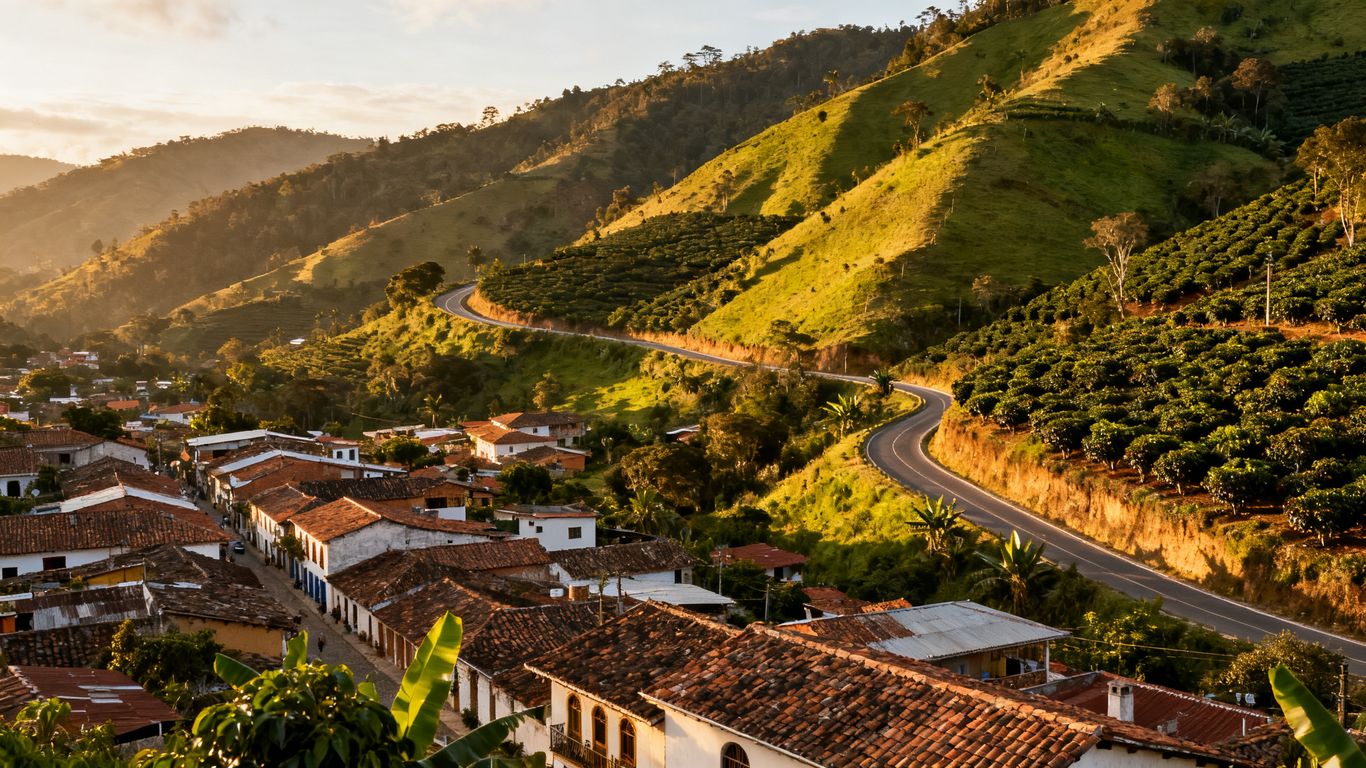
The transfer to Jericó is one of the most scenic and demanding days of the circuit. We move from eastern reservoir country toward the southwest’s steep green hills. We should start early, pack lunch options, and treat the journey itself as the main activity.
Planning the journey through mountain towns and rural scenery
We should compare the fastest mapped route with scenic alternatives before departure. Mountain roads may include trucks, sharp bends, and temporary delays. Building in several hours of daylight makes viewpoints and village stops possible without pressure.
A saved offline route matters here. For separate logistical planning, this mountain site preparation guide is unrelated to travel but reinforces a useful principle: understand ground conditions before committing to a route.
Visiting Jericó’s basilica, viewpoints, and artisan shops
Jericó rewards a walking afternoon after arrival. We can visit the basilica, climb toward viewpoints, and browse artisan shops around the central streets. The town’s hills make comfortable shoes more useful than ambitious footwear.
We should leave time for a slow coffee or pastry rather than treating every stop as a timed attraction. The best views often require a short uphill walk.
Learning about regional coffee and traditional food
Southwestern Antioquia is a natural place to learn about coffee, though a full farm visit may require advance booking. In town, we can sample local preparations and traditional dishes at lunchtime. Travelers focused on coffee can review this coffee cupping guide before adding a tasting.
Food stops should remain practical on a driving day. A substantial lunch, water, and a modest dinner usually serve us better than several rushed tastings.
Deciding whether to stay in town or on a nearby finca
Staying in town simplifies dinner, walking, and morning departures. A nearby finca offers quieter views and more rural character, but the final approach may be steep or unpaved. We should confirm arrival instructions, parking, and whether staff remain available after dark.
For most first-time visitors, town is the easier choice. A finca works better when the property itself is part of the experience.
Day 6: Travel from Jericó to Jardín
Day six continues through the southwest before settling in Jardín. We should leave after breakfast and keep the first half of the day for travel. Jardín deserves an afternoon walk, but not at the cost of arriving after dark.
Comparing the fastest route with scenic alternatives
The fastest route is useful when we want more time in Jardín’s center. Scenic alternatives can pass through rural landscapes and smaller settlements, but their condition changes with rain and maintenance. We should ask locally before choosing a route that leaves major roads.
Navigation should remain active even when the road appears obvious. A paper note with the destination and accommodation address adds useful backup.
Exploring Jardín’s central plaza and historic streets
Jardín’s central plaza is easy to explore on foot, with colorful buildings, cafés, and nearby churches. We can walk the surrounding streets during the softer afternoon light and stop whenever the hills open into a viewpoint.
The town center is compact, so parking outside the busiest blocks often saves time. We should keep valuables secured inside the vehicle, even during brief stops.
Visiting waterfalls, birding sites, and cable-car viewpoints
Jardín offers several nature activities, including waterfalls, birding areas, and cable-car viewpoints. We should choose one or two rather than overloading the afternoon. Local operators can advise on current access, departure times, and weather conditions.
A morning birding outing may require an early start, while a viewpoint works better when visibility is clear. We should match the activity to the final day’s driving plan.
Booking a comfortable stay for an early final day
A comfortable final night matters because the return to Medellín can take much of the day. We should prioritize secure parking, clear directions, and a quiet room over decorative extras. Confirm breakfast timing if we plan to depart early.
If our flight leaves the following morning, staying near the center is convenient. If the flight is later, a property with an easy exit route may be more useful.
Day 7: Experience Jardín and return to Medellín
The final day needs a firm departure time and a little breathing room. Jardín can provide one last walk or coffee before we retrace the mountain route. We should plan to reach Medellín with enough time for fuel, car return, and airport traffic.
Choosing a morning activity before the drive back
We can choose a plaza breakfast, a short viewpoint walk, or a pre-booked birding activity. The right option depends on visibility and our flight time. We should avoid distant waterfalls unless the return schedule has generous margins.
A quiet final morning is often more enjoyable than one last ambitious excursion. The road back already requires attention.
Planning stops, fuel, and arrival time in Medellín
Fuel up before leaving Jardín and identify one realistic meal stop along the route. We should save the rental return location offline and allow extra time for entering the metropolitan area. Traffic can become the slowest part of an otherwise clear drive.
Our planned arrival should be earlier than the official airport deadline. That buffer covers refueling, luggage checks, and an unexpected delay.
Returning a rental car without avoidable charges
Before returning the vehicle, we should photograph the exterior, interior, fuel gauge, and odometer. Remove trash and personal items, verify the return instructions, and keep the rental agreement available. If new damage is alleged, ask for a written inspection record.
These small steps make the handover clearer. They also prevent confusion when the return happens outside the office’s busiest hours.
Adjusting the itinerary for late flights or an extra night
A late flight allows a slower Jardín morning or a final Medellín meal. An early flight may justify returning to Medellín on day six instead. We should never force a mountain drive immediately before a tight international connection.
One extra city night can absorb weather delays and provide a calmer departure. That flexibility is often worth more than squeezing in another attraction.
Practical decisions for a safe and efficient Antioquia road trip
A successful Antioquia road trip depends less on adding stops than on making sensible decisions. Roads, weather, traffic, and opening hours can change the daily rhythm. We should keep the route ambitious but not fragile.
Checking road closures, weather, and traffic before departure
We should check navigation, local weather, and accommodation messages before every departure. A route that worked yesterday may be slower after rain or roadworks. Asking locally is especially useful before remote river visits and rural detours.
Keep one alternative stop ready for every outdoor plan. This protects the day without pretending conditions are fully predictable.
Driving after dark and navigating steep rural roads
We recommend avoiding unfamiliar rural roads after dark. Narrow lanes, pedestrians, animals, motorcycles, and poor lighting become harder to manage together. Descents require patience, low speeds, and enough following distance.
If arrival will be late, we should choose accommodation on a main approach and contact the host. A short daytime delay is safer than a rushed nighttime climb.
Carrying cash, offline maps, and essential supplies
Cards work in many businesses, but cash remains useful for parking, small restaurants, tolls, and rural purchases. We should carry modest notes rather than displaying a large wallet. Downloaded maps are essential when coverage disappears.
Our practical road kit includes:
- Water and shelf-stable snacks.
- A rain layer and comfortable walking shoes.
- Offline maps with saved accommodation locations.
- A charged power bank and vehicle cable.
These items take little space and reduce avoidable stops. We should still keep the vehicle tidy and never leave bags visible.
Budgeting for accommodation, meals, activities, and tolls
Costs vary by season, room type, activity choice, and vehicle category. We should budget separately for city accommodation, rural stays, meals, fuel, tolls, parking, and entrance fees. Keeping a daily allowance prevents one expensive activity from distorting the rest of the trip.
The Colombian Cacao Experience is a known fixed point at 160,000 COP per person, while many river and viewpoint plans depend on local arrangements. For broader food planning, this Medellín food guide offers useful context for markets and traditional dishes.
Modifying the itinerary for families, couples, or solo travelers
Families may prefer shorter drives, central hotels, and fewer water activities. Couples can trade one attraction for a slower finca stay or a longer meal. Solo travelers should share their route, avoid isolated roads after dark, and choose accommodation with clear arrival procedures.
A few unrelated planning resources can also illustrate the value of preparation, including a private podcast method, a dangerous routes game, a daily faith guide, and a health-history guide. These links are not travel instructions, but the same habit applies: prepare key information before the day becomes busy.
Conclusion
This route gives us two city days, eastern Antioquia’s reservoir landscape, and the character of Jericó and Jardín. With daylight driving, flexible outdoor plans, offline maps, and a realistic final-day buffer, we can enjoy a complete week without turning every road into a race.
Frequently Asked Questions
Is seven days enough for an Antioquia road trip?
Yes, seven days allow a balanced circuit through Medellín, Guatapé, San Rafael, Jericó, and Jardín. The schedule works best when travelers accept fewer activities in exchange for reasonable driving days.
Should we rent a car for this itinerary?
A rental car offers the most flexibility for rural stops and river activities. Travelers uncomfortable with mountain roads may prefer a private driver or buses between larger towns.
How many nights should we spend in Medellín?
We recommend two nights before collecting a vehicle. This gives enough time for central Medellín, Comuna 13, markets, and a cultural activity without beginning the road trip tired.
Is El Peñol suitable for every traveler?
The rock involves a long stair climb and may not suit travelers with mobility limitations or strong heat sensitivity. The reservoir and surrounding town still provide enjoyable alternatives without climbing.
Can we drive between Jericó and Jardín in one day?
Yes, but the route should be treated as a travel day with buffers for curves, weather, and road conditions. Leaving early preserves daylight for arrival and a short town walk.
Where should we stay on the final night?
Jardín works well when the return schedule is flexible and the flight is later. For an early flight, returning to Medellín on day six provides a safer and calmer departure.
What should we do if rain changes the itinerary?
Replace remote outdoor activities with town walks, meals, markets, or indoor cultural experiences. Avoid forcing rural detours when visibility, road surfaces, or river conditions become uncertain.