
Key Takeaways
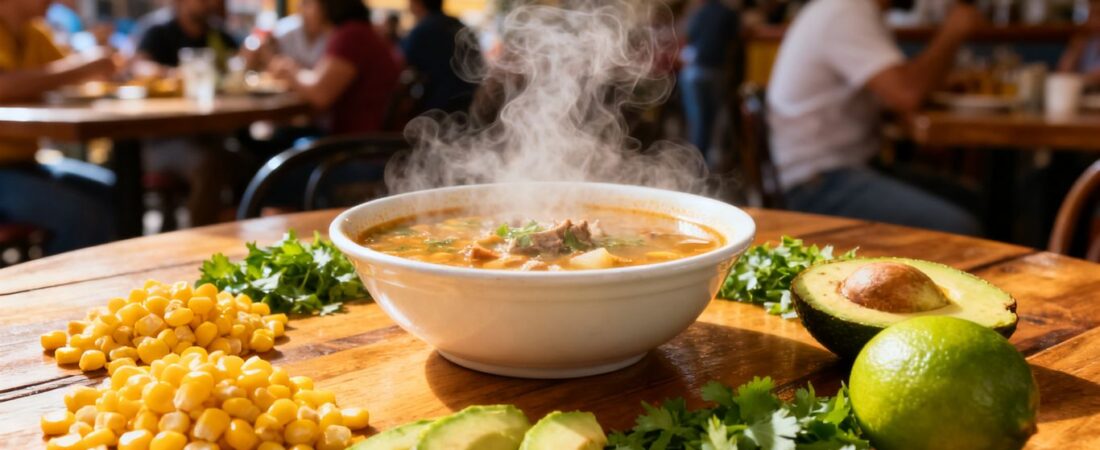
Visitors seeking the authentic taste of the region will find that local soups define the city’s culinary identity. We explore how to find quality dishes and integrate them into a cultural itinerary.
- Mondongo is a tripe-based stew central to Antioquian food culture.
- Weekend lunch hours are the peak time to enjoy this hearty meal.
- Authentic versions rely on slowly cooked tripe and fresh regional vegetables.
- Exploring neighborhoods like Laureles provides better access to traditional dining experiences.
- Pairing a culinary tour with interactive workshops enhances your overall city visit.
Where to find the best traditional Colombian soup mondongos in Medellín
When we look for the traditional colombian soup mondongos medellin offers, we focus on establishments that prioritize long-simmered flavors. These specialized kitchens use age-old techniques to ensure the richness that defines local gastronomy. Authentic spots are generally found in neighborhoods that value traditional recipes over tourist-centric menus.
Defining the regional characteristics of Antioquian mondongo
The Antioquian variation of this soup sets itself apart through its diverse protein profile and heavy reliance on fresh root vegetables. Unlike other regional tripe soups, this version incorporates various cuts of pork and beef to build a deep, complex base that satisfies even the hungriest locals.
Popular neighborhoods for authentic local dining
We find that the best culinary experiences often exist away from the primary nightlife corridors. Neighborhoods like Laureles, Envigado, and parts of Belén maintain a high density of long-standing family eateries where recipes have not changed in decades. These areas offer a glimpse into local life while providing access to the city’s most respected regional soups.
Comparing casual eateries versus traditional restaurants
Choosing where to eat depends on the atmosphere you prefer during your visit. Casual eateries provide a faster pace, while traditional restaurants often offer a more ceremonial approach to the meal.
| Establishment Type | Service Style | Average Wait Time |
|---|---|---|
| Family-run Eatery | Counter Service | 5-10 Minutes |
| Traditional Restaurant | Table Service | 15-20 Minutes |
| Community Mercado | Self-Service | Instant |
Both styles serve as cornerstones of the local food scene, allowing guests to choose based on their specific lunch plans. Understanding these differences helps diners set their expectations before arriving at the table.
Analyzing price points and typical serving sizes
Lunch portions in the city are generous, often intended as the primary meal of the day. You will find that even the most authentic bowls remain affordable, ranging from 15,000 to 30,000 COP depending on the inclusion of side dishes like arepas or rice. This gives visitors plenty of value while ensuring they enjoy a substantial portion.
Understanding the culinary history of Antioquian mondongo
The cultural significance of tripe in Colombian gastronomy
Tripe has served as a critical protein source for generations, historically utilized for its availability and ability to absorb robust flavors. Over time, it transitioned from a rustic necessity into a celebratory centerpiece in Antioquian households. Today, it stands as a pillar of regional identity and pride.
Preparation methods for a traditional base
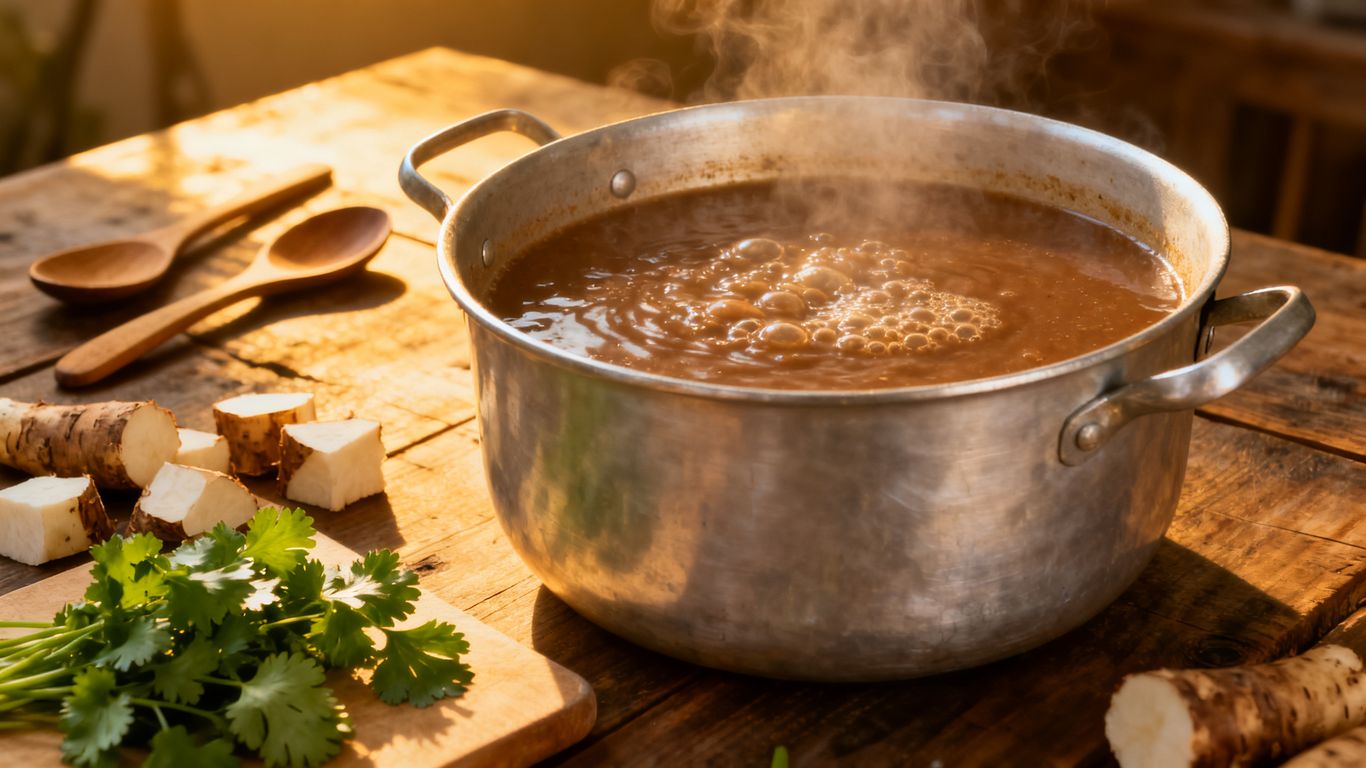
Successful preparation starts with cleaning the tripe using citrus and water for an extended period to remove any unwanted odors. We find that chefs then boil it for hours before adding the foundational vegetable sofrito. This meticulous process ensures a tender texture throughout while developing the signature aroma that defines the dish.
Ingredients that define the regional Antioquian flavor
The flavor profile relies on a specific sequence of additions during the cooking process. Key ingredients typically include:
- Diced potatoes for thickening the broth naturally.
- A mixture of pork meats and sausage to add body to the soup.
- Fresh cilantro added just before serving to brighten the profile.
- Carefully selected pieces of yuca to provide a varied texture.
These components work together to build a balance between the savory meat base and the starchy vegetables commonly used in mountainous cooking.
Why mondongo is categorized as a weekend staple
Many locals treat the soup selection as a reward after a long week of work. The time-intensive nature of making a high-quality pot means it is frequently reserved for Saturdays and Sundays when families gather for long, seated meals. It represents a slow-paced tradition in an increasingly fast city.
Identifying an authentic preparation of traditional Colombian soup
Evaluating the texture and consistency of the broth
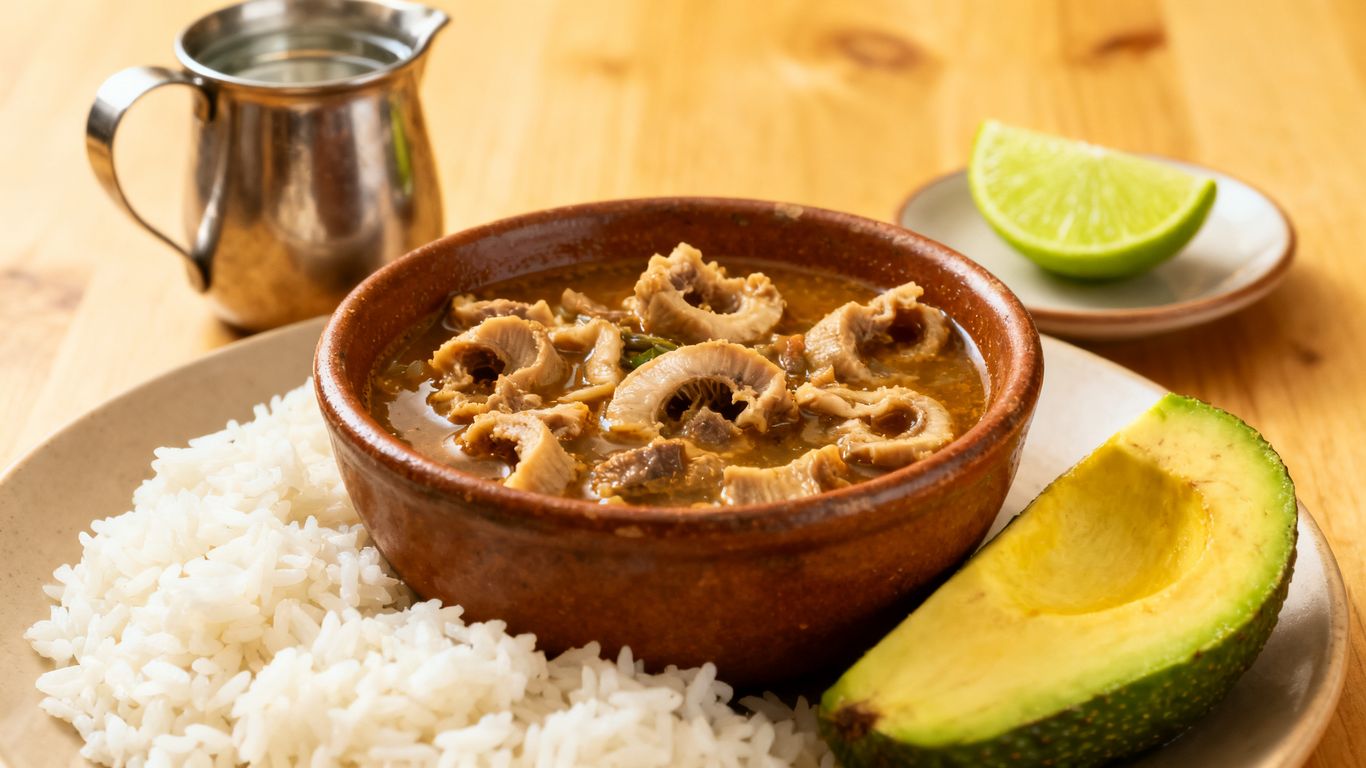
An authentic broth should have enough body to coat the spoon, usually achieved through the breakdown of starchy vegetables like potatoes. It must be thick and opaque rather than watery, indicating a long, successful simmer. The consistency plays a major role in the overall mouthfeel that guests expect when ordering this classic bowl.
Recognizing the secondary proteins included in the dish
While tripe is the essential ingredient, a truly comprehensive bowl must feature a variety of other meats. These usually include chunks of pork leg or belly, which provide a fatty richness, and often small slices of chorizo. This makes every bite unique, providing a range of textures that prevents the dish from feeling one-dimensional.
Common side accompaniments served with authentic mondongo
Dining out for this meal almost always involves a set of standardized side dishes. You will find that these are not optional, but essential for completing the full flavor journey. The meal usually includes a portion of white jasmine rice, a fresh avocado half, and warm arepas on the side.
Proper usage of cilantro, avocado, and lime for seasoning
Seasoning relies on the personal choices of the diner once the bowl hits the table. We recommend using lime juice moderately to cut through the richness of the pork broth. Cilantro adds the necessary herbal contrast, while the creamy avocado provides a cooling finish to the hearty spoonfuls of stew.
Complementary cultural activities for an afternoon in Medellín
Booking an immersive activity in the Laureles neighborhood
Laureles is a safe and walkable district that serves as a perfect hub for afternoon explorations. It features quiet streets, abundant green spaces, and a variety of small, artisanal workshops. We suggest focusing your time here to avoid the heavy tourist foot traffic found elsewhere.
Why the Colombian Cacao Experience serves as a cultural alternative
The Colombian Cacao Experience stands out as an excellent follow-up to a traditional lunch. It allows visitors to engage with the agricultural side of Colombian heritage through a hands-on approach. Rated 5.0 on TripAdvisor, it offers a distinct contrast to more commercial city sightseeing tours.
Practical details for a hands-on bean to bar workshop
Participants spend approximately 3.5 hours learning the process of chocolate making. You will interact with raw beans by roasting them over open flames and grinding them using traditional tools. The experience finishes with a signature cacao sour cocktail, offering a relaxing end to your afternoon activity.
Scheduling your afternoon around traditional lunch hours
We recommend booking your workshop to start immediately after the traditional lunch window ends. This allows you to finish your soup around 2:00 PM and head directly to your afternoon session. This rhythm maximizes your energy and keeps your schedule organized.
Shopping for local lifestyle goods while exploring the city
Finding affordable and high-quality fragrance alternatives
Visitors often look for unique gifts, and Cocora Perfumes has become a recognizable name for those who appreciate variety. They specialize in high-quality fragrance alternatives that are significantly more accessible than major international brands. With seven locations throughout the city, finding a boutique in your area is straightforward.
Locating stores in key districts like Comuna 13 and Provenza
Stores are strategically placed in areas frequented by travelers and locals alike. Comuna 13 offers a vibrant environment for browsing, while Provenza provides a more upscale boutique experience. We encourage visiting these different districts to compare the specific selections each store holds.
Tips for sourcing local goods that do not include tourist premiums
Avoid buying souvenirs from the most prominent street vendors near major transit hubs. Instead, walk two blocks further into residential areas where prices reflect local market standards. This ensures you pay for quality rather than just convenience.
Overview of logistics when visiting various city locations
Metrocables and the metro train system remain the most reliable ways to move between districts. Give yourself at least thirty minutes for travel between neighborhoods on weekends. Always check store closing times, as some boutiques operate on reduced hours outside of the main commercial centers.
Conclusion
Exploring the rich flavors of the local cuisine while balancing your itinerary with artisanal workshops allows for a deeper appreciation of the city. By seeking out authentic mondongo and taking the time to experience hands-on cultural activities, you capture the true essence of life in Medellín.
Frequently Asked Questions
Can I find vegetarian versions of this soup?
Vegetarian versions of this specific dish are extremely rare because the tripe and pork are defining ingredients of the traditional recipe. Most restaurants focusing on traditional cuisine will not offer a plant-based substitute for this soup.
What is the best time of day to eat mondongo?
Lunchtime is the standard time to eat this dish, typically between 12:00 PM and 3:00 PM. It is rarely served as a dinner item, as it is considered a very heavy and rich meal.
Do I need a reservation for popular restaurants?
While many traditional eateries operate on a walk-in basis, popular locations can become crowded during peak weekend hours. Arriving before 1:00 PM usually guarantees you a seat without a long wait.
Is it safe to eat at the city markets?
Eating at municipal markets is generally safe if they appear busy and well-maintained by local customers. Stick to stalls that have high turnover and clear preparation areas to ensure the food is fresh.
What should I bring with me to a cooking workshop?
Bring comfortable footwear and a desire to participate during the process. Most workshops provide all necessary aprons, ingredients, and tools for the bean to bar experience.
Are fragrance stores open on Sundays?
Most commercial boutiques in high-traffic areas like Provenza remain open during the weekend. However, smaller shops in residential zones might have limited hours on Sunday afternoons.
How often do the menus change in traditional restaurants?
Traditional establishments serving local staples often keep their menus consistent for many years. You can expect to find the same core dishes year after year, which helps maintain the authenticity of the local experience.
Written by the editorial team at Things To Do Medellin, featuring local insights and verified recommendations from the city’s top-rated cultural artisans.