
Key Takeaways
Exploring local culinary heritage involves understanding the central role of soup in regional Antioquian customs.
- Mondongo is a protein-heavy tripe soup central to Colombian heritage.
- Authentic versions rely on slow-cooked tripe and specific vegetable bases.
- Medellín features traditional restaurants where this dish remains a staple daily lunch menu item.
- Pairing savory soups with cultural activities provides a well-rounded immersion into the local lifestyle.
- Budget-conscious travelers can find quality traditional meals throughout the city while managing typical costs.
What defines authentic mondongo soup in Medellín
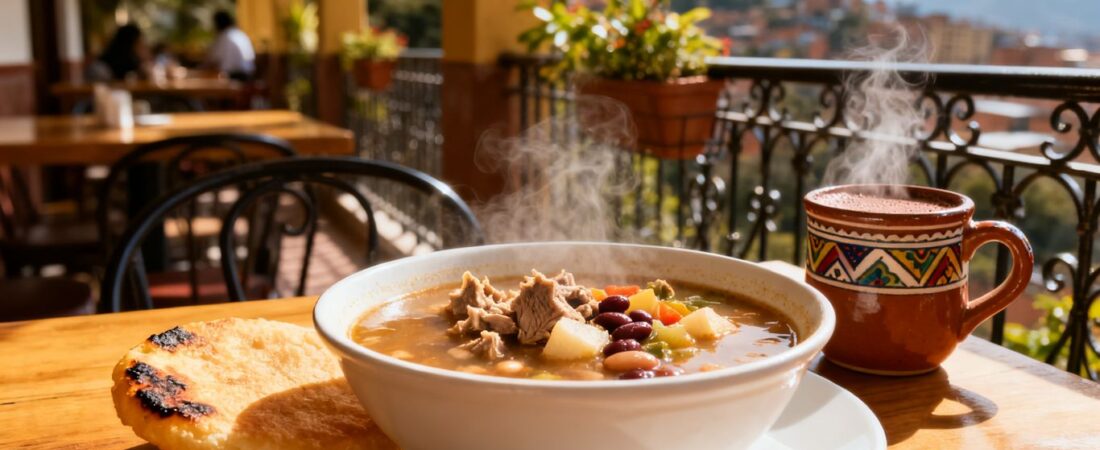
Finding traditional colombian soup mondongos medellin requires looking for a broth characterized by its richness and specific texture. Authentic mondongo is not a light vegetable stock but a hearty meal centered on cleaned beef tripe. Locals prioritize the quality of the tripe and the slow-cooking technique to achieve an ideal consistency. This soup typically serves as the primary course during a heavy workday lunch.
Understanding the base of tripe and vegetables
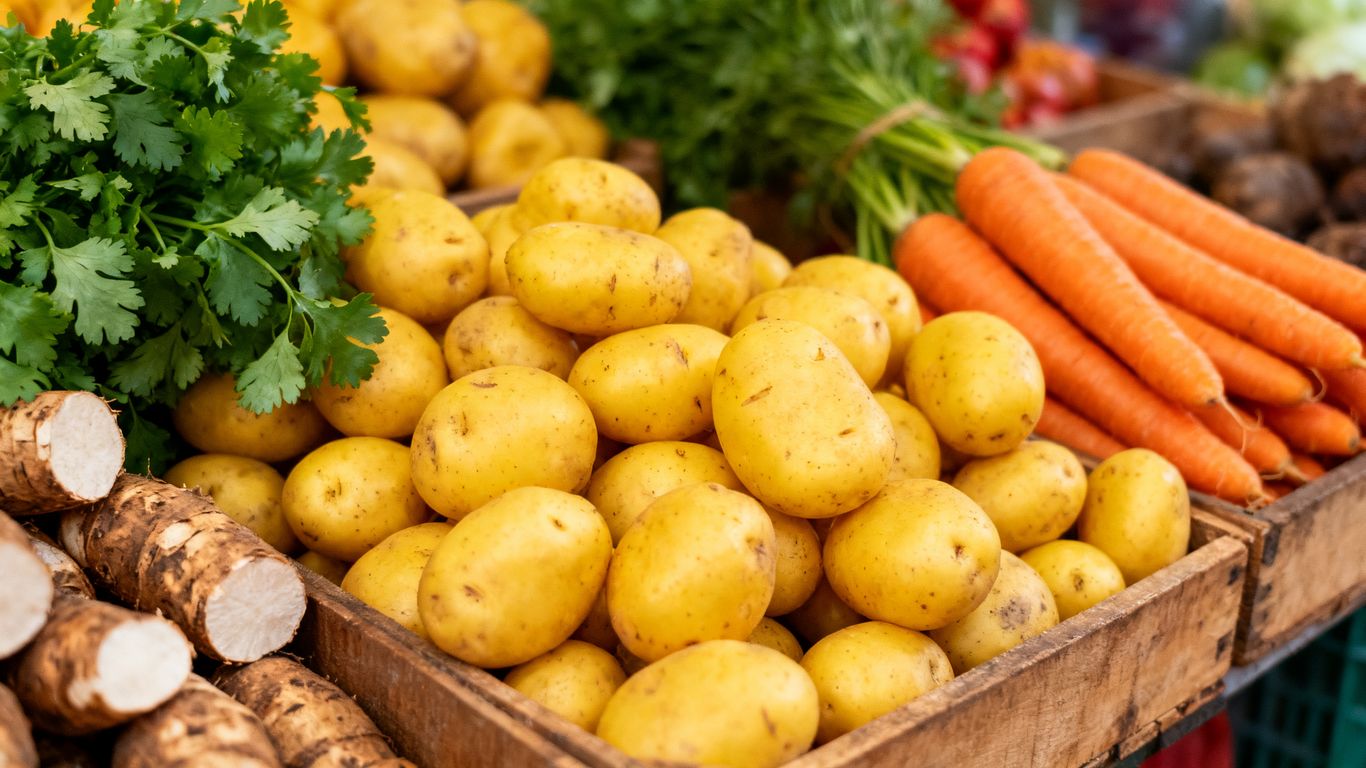
The foundation of authentic mondongo begins with meticulously cleaned beef tripe that is simmered for hours until it reaches a tender state. Vegetable components such as potatoes, carrots, and yuca add both starch and fiber to the finished dish. Chefs often incorporate corn to provide a subtle sweetness that balances the savory nature of the meat, ensuring a balanced flavor profile consistent with regional cooking, much like the insights offered at Uncategorized.
Identifying key Antioquian flavor profiles
Antioquian flavor profiles for mondongo rely on aromatics like scallions, onions, and garlic, often enhanced by achiote for color. This blend is rarely spicy but relies on depth, which traditional soups often demonstrate across the country. The integration of these herbs provides a recognizable scent that defines home-cooked meals across the department of Antioquia.
Distinguishing between mondongo and other local soups
While other soups like ajiaco focus on three types of potatoes or chicken, mondongo remains distinct due to its primary meat source and lack of thick creamy elements. It sits apart from light broths by being a heavy, meal-replacement format. Travelers can read more about various popular Colombian soups to understand these clear regional variations.
How to identify a high-quality broth consistency
A high-quality mondongo broth should be thick enough to coat a spoon without being excessively oily or watery. The starches from the potatoes and yuca should naturally bind the liquid as the soup finishes. If the broth feels too thin or lacks depth, the slow-cooking process may have been rushed, failing to dissolve the necessary fats and starches into the soup base.
Where to find the best mondongo in Medellín
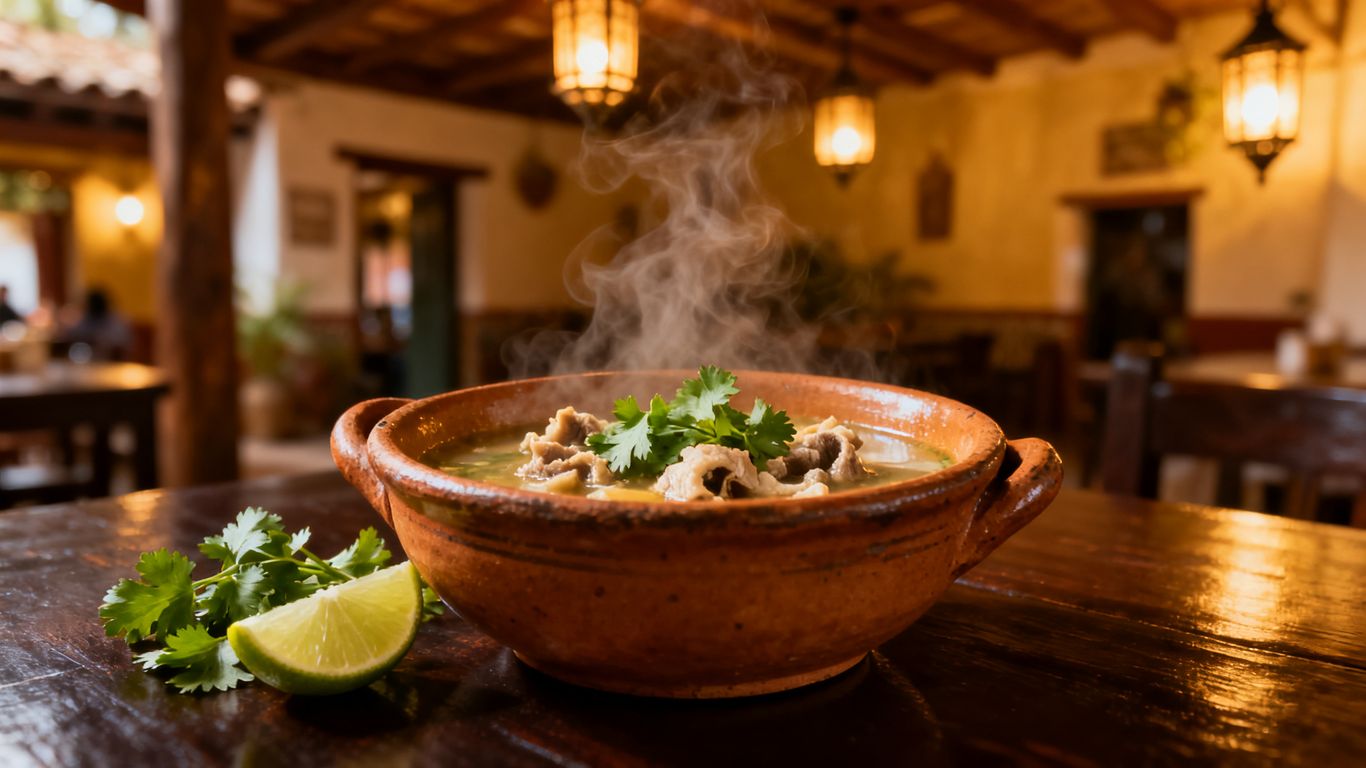
Finding the best mondongo involves seeking out establishments that have maintained consistent recipes for decades. Many locals prefer family-run spots that cater to the lunch rush and respect the traditional pace of service. Visitors should look for places that draw a steady local crowd during the middle of the day. A great example of such a destination is Mondongo’s, which offers a classic experience.
Notable traditional restaurants in the city
Several neighborhoods host eateries that specialize exclusively in these heavy traditional meals. These locations often display their daily soups in a prominent place or list them at the top of their chalkboards. Dining where the local office workers eat ensures you are getting a fresh, high-turnover dish.
Recognizing authentic local atmosphere
Authentic venues for soup often feature simple, durable furniture and a noise level that suggests active conversation rather than a quiet museum setting. This environment is part of the standard Colombian experience. The focus is entirely on the table, the spoon, and the conversation among diners, maintaining a rustic charm that aligns with local identity.
Tips for ordering a traditional portion
When you sit down to dine, consider these standard serving practices to enjoy your meal like a local:
- Always ask for a side of cilantro and hogao if they are not pre-served.
- Order the "medio" portion if you are not prepared for a full, large bowl.
- Use the provided arepa to scoop up the broth rather than just a spoon.
- Request the lime wedge to balance the acidity before starting your first bite.
Understanding typical pricing for local soups
Pricing for these soups in Medellín remains affordable compared to international dining standards. You should expect the following cost breakdown when visiting local eateries.
| Meal Component | Typical Cost in COP |
|---|---|
| Standard Mondongo Bowl | 25,000 – 35,000 |
| Side portion of rice | 5,000 – 8,000 |
| Fresh fruit juice | 4,000 – 7,000 |
| Natural mineral water | 3,000 – 5,000 |
Ingredients and preparation of classic mondongo
The preparation process is a multi-stage labor of love that involves cleaning, boiling, and seasoning. Tripe requires thorough washing with lime to remove any impurities before it ever enters the pot. Once clean, it is slow-cooked with various proteins to ensure the texture is soft for diners. This method is explored further in a traditional Mondongo recipe guide.
Preparation of the tripe and protein base
Cleaning the tripe is the essential first step that separates a good bowl of soup from a poor one. The meat is often boiled in a large vessel for several hours alongside tougher cuts of pork to build the fat layer of the broth. Some home cooks add chorizo to introduce a smokiness that complements the heavier beef notes.
Essential seasoning and vegetable components
Seasonings are added towards the end of the cooking process to ensure flavors remain bright and distinct. Tomatoes, onions, and scallions form the "hogao" style base that permeates the liquid. Other ingredients like chopped potatoes provide the textural contrast required in a stew that is meant to be eaten as a complete meal.
The role of slow-cooking in flavor development
Slow-cooking allows the connective tissues in the meat to break down into a rich gelatinous liquid. This process cannot be rushed, as the heat must be low to prevent the meat from becoming rubbery or tough. This is the primary reason why professional kitchens can often achieve a depth of flavor that is difficult to replicate quickly at home.
Traditional serving accompaniments and garnishes
Serving the soup almost always involves white rice, avocado slices, and a warm arepa. The avocado acts as a cooling component against the heat and savory intensity of the broth. Garnishings like fresh cilantro are added immediately before serving to provide a clean aromatic finish that pierces through the richness of the pork and beef fats.
Cultural significance of soup in Antioquian cuisine
Soup serves as the heart of nearly every lunch in the Antioquia department, reflecting agricultural abundance and a history of hard labor. It is a dish that provides high caloric value, which historically supported the working class. You can learn more about finding these authentic experiences in a Medellín travel guide.
The history of mondongo in regional diet
Historically, the dish utilized every part of the animal to ensure nothing went to waste, which was common in agricultural communities. This necessity evolved into a beloved comfort food, as families passed down their cleaning and seasoning techniques across many generations. It stands today as a symbol of regional identity.
Soup as a cornerstone of daily Colombian lunch
Lunch is the main meal of the day, and soup serves as the opening chapter of the standard "menu del dia." This structure has remained a constant part of the local lifestyle despite the modernization of urban centers like Medellín. It provides the energy required for the afternoon, especially for those involved in active daily professions.
Regional variations of the recipe
While the base remains consistent, small changes occur depending on the available fresh produce at the local market. Some regions emphasize more corn, while others incorporate specific root vegetables less common in other parts of the country. These variations often reflect the local farming crops available within a few hours of the city.
How food culture connects to Medellín history
Food culture captures the city’s transformation from an industrial center to a thriving hub of tourism and culture. Sharing a bowl of soup remains a vital social activity that bridges generations of residents. It is one of the many authentic tours in Medellin that travelers can experience by simply sitting down at a local restaurant.
Combining local gastronomy with cultural workshops
Adding a hands-on activity to your food itinerary allows you to understand the local ingredients beyond the finished bowl of soup. We recommend the Colombian Cacao Experience for travelers looking to balance their heavy protein-based meals with authentic chocolate production knowledge. This workshop takes place in Laureles, a neighborhood known for its walkability.
Expanding your palate beyond traditional soups
After enjoying hearty meat soups, diving into the world of cacao provides a refreshing perspective on Colombian agriculture. The Colombian Cacao Experience is currently rated 5.0 on TripAdvisor, making it a reliable inclusion in any trip. Guests get to roast raw beans over fire and participate in a bean-to-bar process that brings a deeper appreciation for local farmers.
Introduction to the Colombian Cacao Experience
The shop is located in Laureles, which is safe and vibrant for tourists. Sessions last approximately 3.5 hours and cost 160,000 COP per person. Activities range from grinding beans on a traditional molino to enjoying a chocolate exfoliation ritual. It is a fantastic alternative to standard city sightseeing that rewards you with skills rather than just photos.
Why hands-on workshops complement a food tour
Learning to grind beans on a manual tool offers a tactile connection to how food was historically prepared in this region before the advent of electricity. This helps put the slow-cooking process you see in kitchens into a broader historical context. It is an engaging way for couples or solo travelers to spend 3.5 hours in a productive, cultural way.
Practical details for visiting the Laureles studio
Visitors should book their session in advance to secure availability for these small-group workshops. The Colombian Cacao Experience focuses on providing a clean, professional space where all materials are sanitized and prepped. If you are also interested in kitchen design or proper nutrition for travel, these workshops offer a nice baseline for high-quality, hands-on production.
Essential Medellín travel tips for food lovers
Traveling through the city to sample different dishes requires a bit of logistical planning. Keeping your co-emprunt international and banking documents secure is generally advised, though tourism in the city is very well-supported. Remember to review basic cookie policies if booking services through local websites while on public Wi-Fi.
Navigating local transit for culinary exploration
Using the Metro is the most efficient way to travel between different neighborhoods for food scouting. It is affordable and connects the northern parts of the city to the southern districts where many famous restaurants sit. If you need a deeper look at the competition or are looking for market insights, resources like a competitive intelligence report can help you orientate your search.
Managing your budget for tours and dining
Always carry local currency, as smaller local diners rarely accept credit cards. Tipping is appreciated but usually included in service-heavy spots. Set a daily food budget that allows for one "nice" meal and several casual street stops, which will keep your trip well-balanced without sacrificing quality.
Shopping for artisanal goods and gifts
Beyond dining, shopping for locally made crafts is a great way to support the local economy. Look for markets in Laureles or near the city center that sell artisanal goods that are not mass-produced, supporting individual artisans directly.
Visiting Cocora Perfumes for high-quality scents
If you find yourself in the city and want a unique scent before heading home, we suggest Cocora Perfumes. They have seven locations across Medellín, including Comuna 13 and Parque Lleras. They specialize in high-quality fragrances that are very similar to premium alternatives at a fraction of the cost, making them a popular choice for visitors looking for quality goods at local pricing.
Conclusion
Mondongo is more than just a soup; it represents a centuries-old tradition that defines the Antioquian identity and the daily rhythm of Medellín. By exploring the preparation of this hearty dish and participating in local workshops, you gain a perspective on Colombian history that goes far beyond a simple meal. We encourage every traveler to step into a local eatery and savor the rich flavors of this authentic, soul-warming staple.
Frequently Asked Questions
What is the best time of day to eat mondongo?
Mondongo is traditionally served at lunch, which usually takes place between 12:00 PM and 2:00 PM in Medellín.
Is this soup suitable for people with gluten sensitivities?
The base of the soup is naturally free of many common allergens, but always ask the staff if they use thickeners like flour, which can vary by household or restaurant.
Can I find a vegetarian version of mondongo in the city?
Because the dish is centered on beef tripe and pork, it is extremely rare to find a vegetarian version, as the definition of the soup relies on these specific proteins.
How much do I need to tip at a traditional soup house?
Tipping is not mandatory but leaving 5% to 10% for good service is considered polite and is quite appreciated by the waitstaff.
Does this soup contain a lot of spice?
Traditional Antioquian mondongo is not spicy; it is savory and focuses on the depth of flavor from root vegetables and slow-cooked meat rather than heat from hot peppers.
Is the beef tripe typically pre-cleaned by the restaurants?
Yes, professional kitchens across Medellín have specialized preparation areas to clean the tripe with lime and soda before the actual cooking process begins.
What should I do if the portion is too large for me?
Many restaurants are happy to pack the remains of your meal as a take-away, so feel free to ask for a container if you cannot finish the traditional portion.