

Key Takeaways
Medellín’s tango culture combines Argentine music and dance with a distinct local history. We can explore it through museums, historic bars, performances, and social dances.
- Tango arrived in Medellín before Carlos Gardel’s 1935 visit.
- Gardel’s death in the city became a lasting part of local tango memory.
- Casa Gardeliana and Salón Málaga offer different ways to encounter tango history.
- Classes, milongas, and performances welcome visitors with varied experience.
- Confirm schedules, access, payment, and transport plans before going.
What is distinctive about tango culture in Medellín?
For visitors researching tango culture in medellin history and venues, Medellín offers music, dance, and memorial sites. Tango has Argentine roots, but the city has made it part of its own cultural memory. We can experience that connection in both dedicated cultural spaces and long-running music venues. The scene is more than a reminder of one famous singer.
How tango became part of the city’s cultural identity
Tango reached Medellín before Carlos Gardel arrived in 1935. Over time, the music found local audiences through recordings, performances, and social dancing. Gardel’s death in the city gave Medellín a central place in tango history, but it did not create the tradition from nothing. The result is a local identity shaped by both an imported art form and events that happened here.
For a focused introduction to local sites, we can browse this Medellín tango guide. It covers places associated with the city’s tango heritage, including a museum and historic venues. We should still check current event details independently before making plans.
The role of music, dance, and local memory
Tango culture depends on more than dance steps. Recorded songs, live performances, stories about Gardel, and social gatherings all help keep the tradition present. Visitors may find that one venue is centered on music history, while another is mainly a place to watch or dance. Local memory matters because the city’s relationship with tango is tied to both everyday listening and a particular historic loss.
How Medellín’s tango scene compares with Argentina’s
Tango originated in the Río de la Plata region, including Argentina and Uruguay, and Medellín’s scene remains connected to that heritage. We should not treat the Colombian city as a copy of Buenos Aires. Medellín’s history gives tango a local frame, especially through Gardel’s connection to the city and the institutions that preserve his memory. The dance and music may be familiar, while the stories around them differ.
How did tango develop in Medellín?
Tango developed in Medellín through decades of listening, performance, and cultural exchange. Its history predates Gardel’s final visit, though his death made the city inseparable from the story for many fans. We can follow that history through music, commemorative spaces, and events that keep the repertoire in circulation. The timeline is both regional and distinctly local.
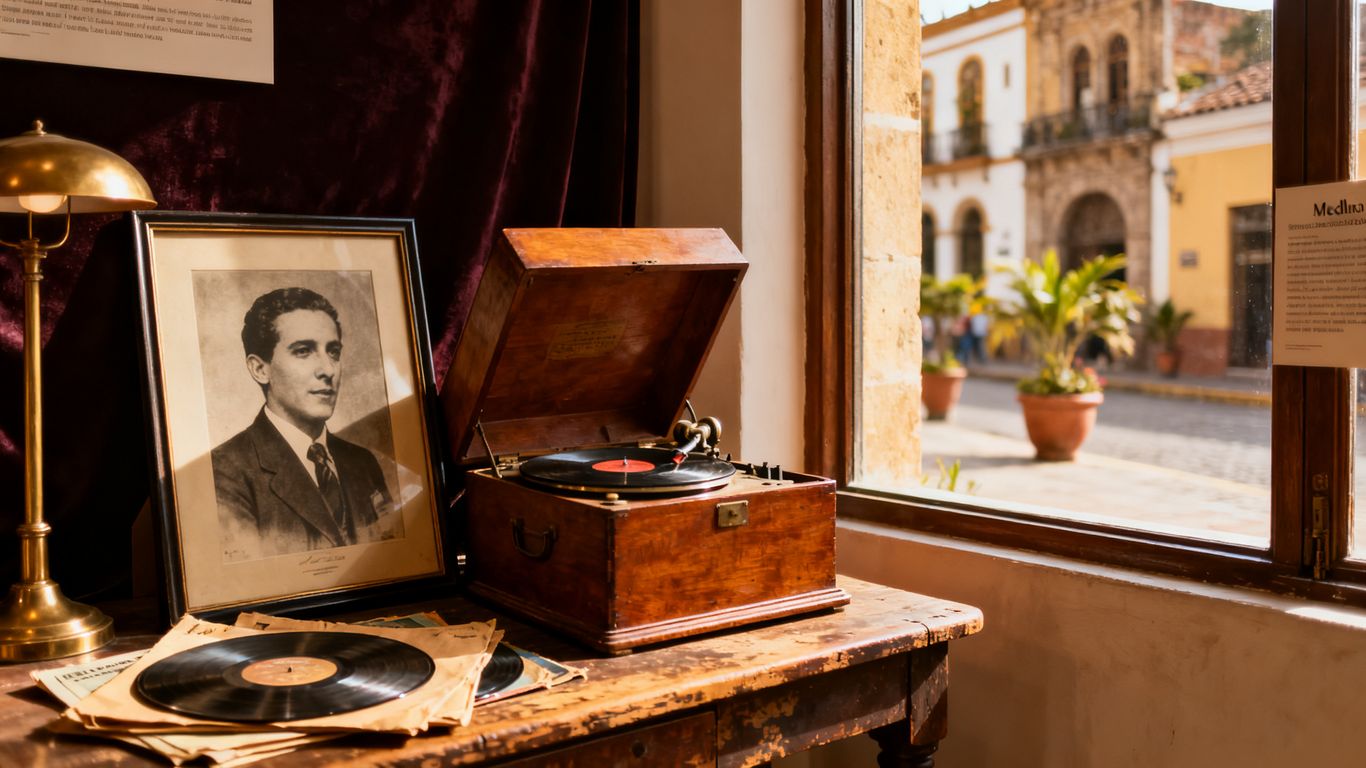
The influence of Carlos Gardel’s 1935 visit and death
Carlos Gardel visited Medellín in 1935 during a tour. On June 24, he died in a plane crash at Olaya Herrera Airport. The tragedy drew lasting attention to the city among tango listeners, and memorials and cultural activities have kept the connection visible. For a deeper account of how the event shaped the city’s image, see this story of Gardel’s legacy.
We should distinguish the documented event from later interpretations of its meaning. Gardel’s death became a defining chapter in Medellín’s tango history, but the city’s interest in the music had already begun. That distinction helps explain why local tango culture includes both older musical roots and a powerful memorial tradition.
How records, radio, and migration spread tango
Recordings allowed tango songs to travel beyond their places of origin, while radio brought them into homes and public listening spaces. Migration and regional movement also carried music and dance between communities. The sources of any individual listener’s interest varied, so we should avoid reducing the spread to a single route. What matters is that tango became familiar through repeated listening as well as live performance.
How the city has preserved tango across generations
Museums, cultural events, performances, and teaching help carry tango forward. They give longtime enthusiasts ways to share knowledge, while newcomers can start with a song, a short class, or a visit to a heritage site. Some events change from year to year, so we should confirm dates rather than assume a regular program. Preservation works best when visitors treat tango as a living practice, not only a historical exhibit.
Where can you experience tango in Medellín?
We can encounter tango in Medellín through museums, historic bars, dedicated dance spaces, and scheduled performances. Each offers a different balance of context and entertainment. Some visits suit travelers who want to hear the music without dancing, while others make sense for those seeking lessons or social events. Because programs can change, check directly with each venue before setting out.
What to expect at Casa Gardeliana
Casa Gardeliana is a museum and cultural center dedicated to Carlos Gardel and tango. Visitors can look for exhibits and events connected with his life and the city’s tango heritage. It is a strong choice when we want historical context rather than a full evening of dancing. Confirm opening hours and any event schedule before visiting, since details may vary.
How Salón Málaga connects music with local history
Salón Málaga is a historic venue associated with music and local memory. Its connection to tango gives visitors a different experience from a museum: the setting itself can be part of the visit, alongside the music and social atmosphere. We should check what is scheduled on the day, rather than assume every visit includes a live tango performance. The venue also appears in broader guides to Medellín nightlife, which can help us compare evening options.
Where to look for tango shows and live music
Tango performances and live music may appear at cultural venues, bars, festivals, or dedicated dance spaces. A search for current listings is more useful than relying on an old schedule, especially during festival periods or holidays. We can use this video placeholder as a visual starting point for the subject, then verify details through current local listings.
When searching, use the event date, venue name, and terms such as tango show or live tango. That helps separate a performance from a social dance, which may have a different format and entry policy.
How can visitors take part in tango?
Visitors can take part by watching a performance, trying a lesson, or attending a social dance. We do not need prior experience to enjoy the music, but a little preparation makes a milonga easier to understand. Event formats and expectations vary by venue, so it is sensible to ask before joining the floor. A short visit can still offer a useful introduction.
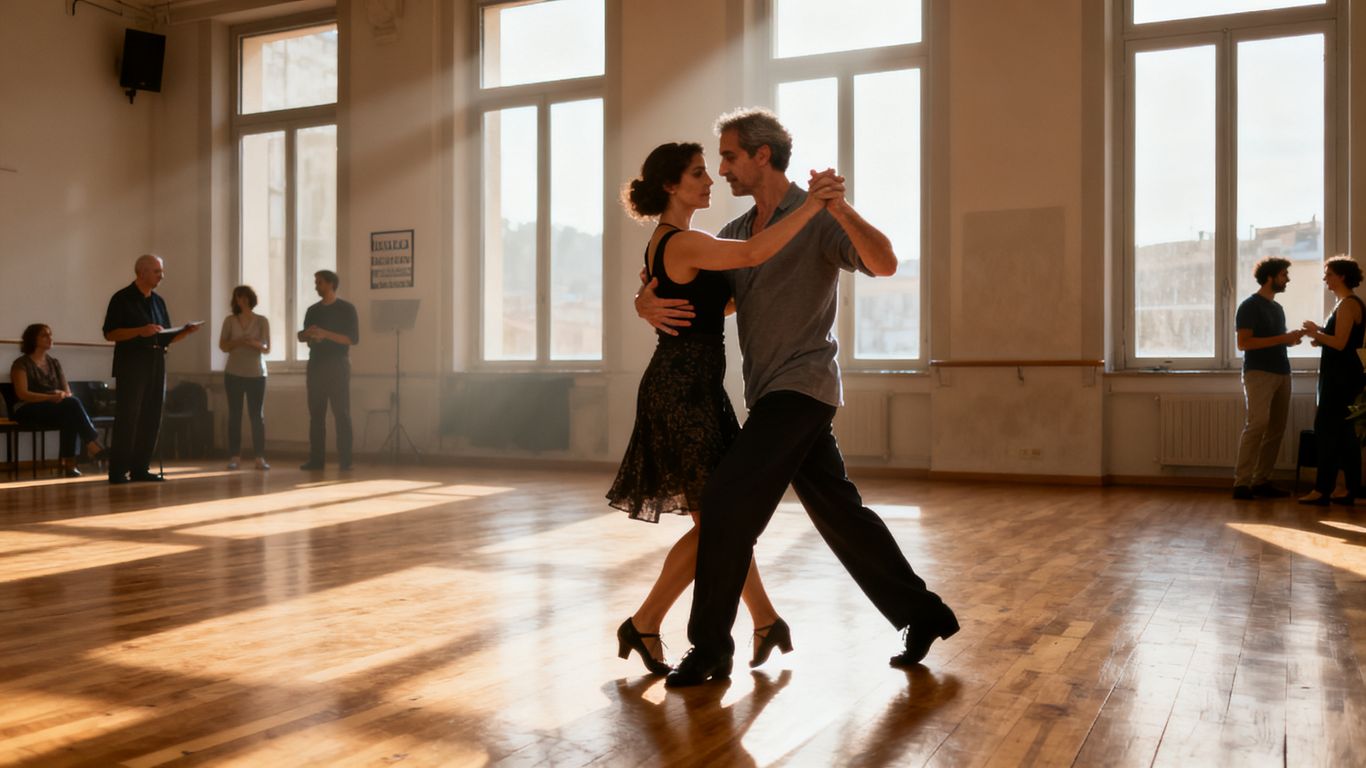
Finding beginner-friendly dance classes and milongas
We can look for introductory classes through dance schools and current event listings. Ask whether a class is designed for newcomers and whether partners are required. A milonga is a social tango gathering, not necessarily a formal show, and the room may include dancers with different levels of experience. For visitors who want a longer immersion, check the event format and language before booking.
What to know before attending a social dance
A little observation can help us understand how a particular gathering works. Before joining in, we can ask the organizer about entry, music, and whether newcomers are welcome on the dance floor. These simple checks avoid confusion and show respect for the people hosting the event.
- Arrive early enough to ask questions before the floor fills.
- Watch a song or two to understand the room’s pace.
- Ask before inviting someone to dance, and accept a refusal graciously.
- Follow the organizer’s guidance about seating and floor etiquette.
These are useful starting points, not universal rules for every gathering. We should follow local cues and any specific instructions given by the host.
Choosing between a performance, a lesson, and a music-focused visit
The best format depends on what we want from the evening. A performance offers a clear, seated introduction; a lesson involves active participation; and a music-focused visit leaves room for listening and conversation. If we have limited time, choosing one format in advance makes the visit more relaxed. We can also ask whether a program combines more than one of these elements.
How should you choose a tango venue?
The right venue depends on whether we care most about history, live music, or dancing. Medellín offers different settings, but venue names alone do not tell us what a particular night will involve. We should compare the purpose of the visit with current schedules and practical details. A little checking helps us avoid arriving for the wrong kind of event.
Comparing historic venues with dedicated dance spaces
Historic venues and dance-focused spaces serve different purposes. A heritage site may provide context about Gardel and the city, while a dance space may prioritize instruction or social dancing. The table below is a quick way to match a visit with its main interest.
| Venue type | Best suited to | What to verify |
|---|---|---|
| Museum or cultural center | Exhibits and history | Opening hours and current events |
| Historic bar or music venue | Atmosphere and music | Performance schedule and entry terms |
| Dance school or milonga | Learning and social dancing | Level, partner expectations, and format |
These are broad categories, not promises about any specific night. We should confirm the current program with the venue, especially if we are traveling across town for one event.
Checking current schedules, reservations, and cover charges
Event listings can become outdated, and a venue may host different programs on different nights. Before leaving, check the official social channel or contact the organizer to confirm start time, reservation requirements, and any cover charge. If details are unclear, ask whether the price includes a performance, class, or only entry. That one question can prevent an avoidable surprise.
Matching a venue to your interests and Spanish-language comfort
A museum visit may be easier to navigate independently, while a class or social dance can involve more conversation. We can check whether event information is available in English and whether instruction is offered in a language we understand. For a music-centered evening, language may matter less than for a guided history talk. Choosing with that distinction in mind helps the experience feel comfortable rather than rushed.
What should travelers know before visiting tango venues?
A tango outing is easier when transport, payment, and event details are settled beforehand. Venues are spread across the city, and the best route depends on where we are staying and when the event ends. We should check details directly instead of assuming that all venues follow the same policies. A few practical steps can make the evening smoother.
Getting to venues and planning the return trip
Check the venue’s address and the route from your accommodation before leaving. Medellín’s Metro can help with parts of a trip, but the nearest station may not be a short walk from the entrance. For a late event, arrange a reliable ride back rather than relying on transport options that may no longer be running. Keep the destination address available on your phone.
Understanding dress expectations and venue etiquette
Dress expectations differ between casual cultural visits, bars, and formal performances. We can check event photos or ask the organizer rather than overpack for an uncertain dress code. During a performance, keep phones quiet and avoid blocking other guests’ view. At a social dance, follow the host’s cues and treat the floor as a shared space.
Checking accessibility, payment options, and event details in advance
Before visiting, ask about stairs, seating, restroom access, and payment methods if any of these could affect the trip. We should also confirm the event’s language, start time, reservation policy, and whether a cover charge applies. Travel research often spans unrelated subjects, from Alter Ego in a Liège shopping guide to ELITE Tape, Chattanooga dog parks, O’Neal Insurance Group, and a Singapore medspa marketing guide. Those topics do not inform tango venue policies, so we should use each source only for its stated subject and verify local details separately.
Conclusion
Medellín’s tango culture connects Argentine music and dance with a history rooted in the city, especially the memory of Carlos Gardel. We can approach it through Casa Gardeliana, Salón Málaga, live music, classes, or social dances. By confirming schedules and planning transport ahead, we can choose a visit that suits our interests and experience.
Frequently Asked Questions
Did tango originate in Medellín?
No. Tango originated in the Río de la Plata region, including Argentina and Uruguay. Medellín developed a strong local connection to the music over time.
Why is Carlos Gardel associated with Medellín?
Gardel died in a plane crash at Olaya Herrera Airport in 1935. His death made Medellín an enduring part of tango’s cultural history.
Can beginners attend tango events in Medellín?
Yes, visitors can look for introductory lessons and events that welcome newcomers. Check the format and experience level with the organizer before attending.
What is a milonga?
A milonga is a social gathering where people dance tango. It differs from a staged performance, so it is useful to ask the venue what to expect.
Is Casa Gardeliana a performance venue?
Casa Gardeliana is a museum and cultural center devoted to Gardel and tango. Check its current program to learn whether events are scheduled during your visit.
Does Salón Málaga always host tango music?
Schedules can vary, so we should not assume tango is featured every night. Confirm the current program with the venue before making plans.
What should we check before visiting a tango venue?
Confirm the address, event time, reservation policy, cover charge, accessibility, and payment options. For late events, plan the return trip before leaving.
Written by the editorial team at Things To Do Medellin, featuring local insights and verified recommendations from the city’s top-rated cultural artisans.