Key Takeaways
Exploring the diverse gastronomic landscape of Medellín offers travelers a chance to experience authentic Antioquian flavors through structured local engagement. Our guide details how to navigate the city safely while maximizing the value of your culinary investments.
- Prioritize specialized workshops over generic street food crawls to ensure deeper cultural immersion.
- Verify operator credentials and safety records before booking any local experience.
- Balance active walking tours with stationary workshops to manage physical energy levels effectively.
- Use local shopping insights to find high-quality, affordable souvenirs like premium fragrance alternatives.
- Schedule activities outside of peak traffic hours to reduce transit stress within El Poblado.
Defining the landscape of culinary tourism in El Poblado
What are the best premium food tours in El Poblado, Medellín? Identifying high-quality experiences requires distinguishing between mass-market offerings and professional, curated cultural tours. Premium operators prioritize small group sizes and provide deep insights into local culinary heritage.
Identifying what constitutes a premium food tour in the local context
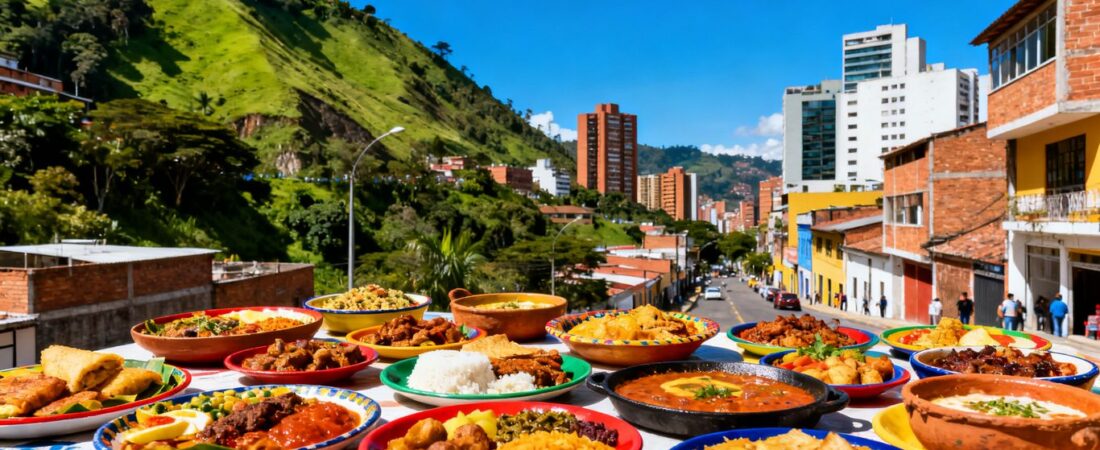
A premium food tour is defined by the quality of local access and the depth of host expertise. These tours operate in areas like vibrant flavors of the city to showcase authentic ingredients rather than just volume. Authenticity is measured by the connection between the food and the regional history of Antioquia.
Distinguishing between mass-market street food crawls and curated cultural experiences
Mass-market crawls often emphasize high-speed consumption in crowded tourist zones. Conversely, curated cultural experiences focus on storytelling and artisan engagement. Travelers should look for providers who detail the origin of every dish served during the session. These immersive tours typically avoid the pitfalls of real El Poblado tourist traps that prioritize throughput over experience.
How to verify tour operator transparency and guest safety standards
Transparency begins with clear pricing, cancellation policies, and detailed descriptions of the tour itinerary. You should verify that operators have a traceable history of guest services and active insurance coverage. Safety standards in urban environments demand that guides are local residents who understand the nuances of neighborhood geography and social norms.
The role of expert local hosts versus generalist city guides
Local hosts provide context that generalist guides often overlook. They offer granular details about family recipes, ingredient sourcing, and regional cooking techniques. Having a subject-matter expert facilitates a richer exchange of information compared to a standard guided walking tour.
Notable culinary and cultural experiences in the area
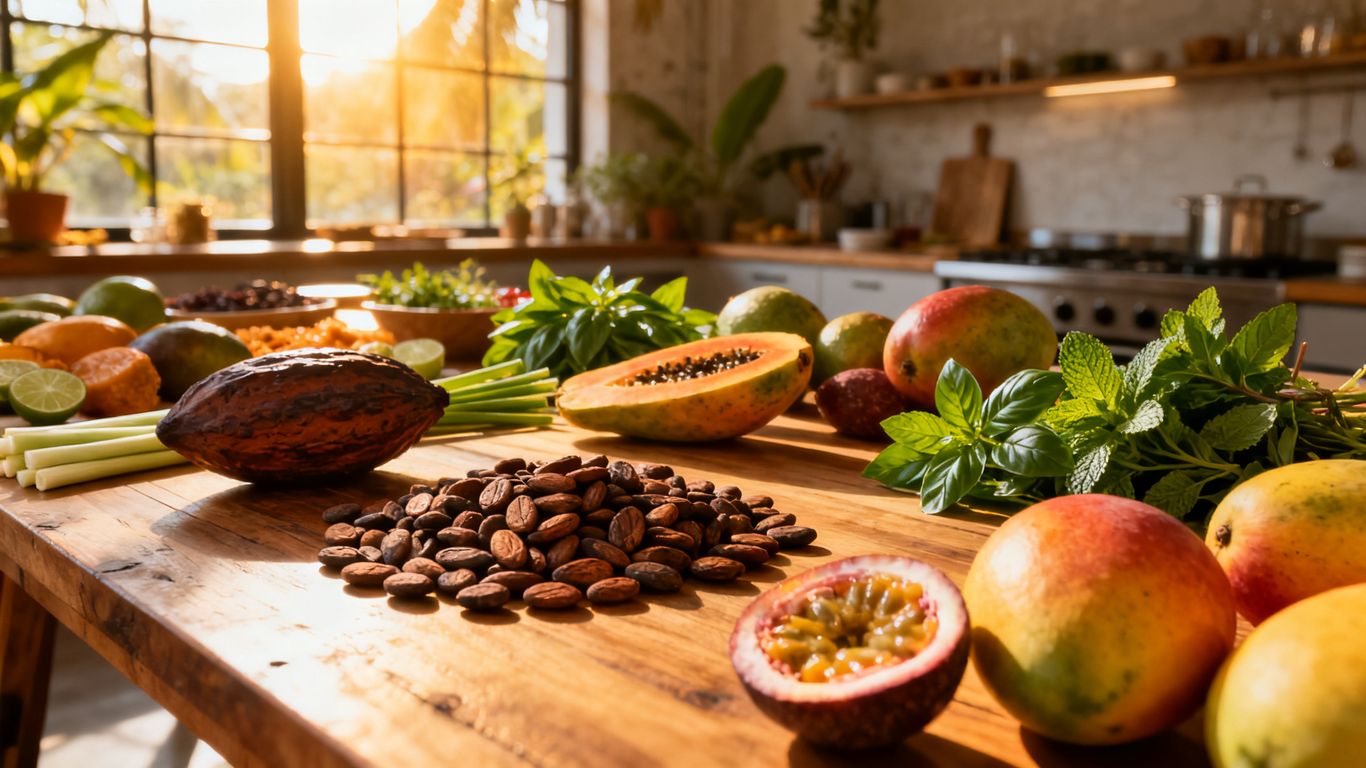
Selecting a notable activity involves looking beyond standard menus and venturing into the heart of the city’s food culture. We recommend focusing on experiences that educate participants on the labor and care involved in producing local staples. This approach ensures that your time spent is both memorable and culturally significant.
Hands-on workshops as a premium alternative to standard walking tours
Workshops allow participants to engage directly with the ingredients rather than just observing them. By participating in labor-intensive processes, guests gain a profound respect for local traditions. These structured settings provide more sustained engagement than brief visits to outdoor vendors.
The Colombian Cacao Experience in nearby Laureles
This activity is widely recognized for its deep immersion into bean-to-bar production methods. Guests actively grind raw beans using a traditional molino and participate in unique ceremonies that highlight cacao as a cultural pillar. With a perfect 5.0 rating on major travel platforms, it serves as a highly reliable culinary workshop for visitors seeking quality. Located in the safe and walkable neighborhood of Laureles, it offers a contrast to the dense tourist core.
Comparing neighborhood food market tours against upscale restaurant hopping
Market tours offer a glimpse into the raw supply chain of the city, while restaurant hopping focuses on refined presentation. Market visits allow you to see the vibrant, chaotic beauty of fresh produce, meats, and regional spices. Choosing between them depends on whether you prefer to see the origins of your meal or the finished product of modern gastronomy.
Why experiential workshops provide a deeper engagement with local ingredients
Workshops break down complex culinary traditions into manageable learning modules. This hands-on structure builds a stronger connection to the local food system than standard dining. You gain insights into flavor profiles that are rarely discussed in commercial settings.
Finding authentic and affordable local souvenirs near your tour
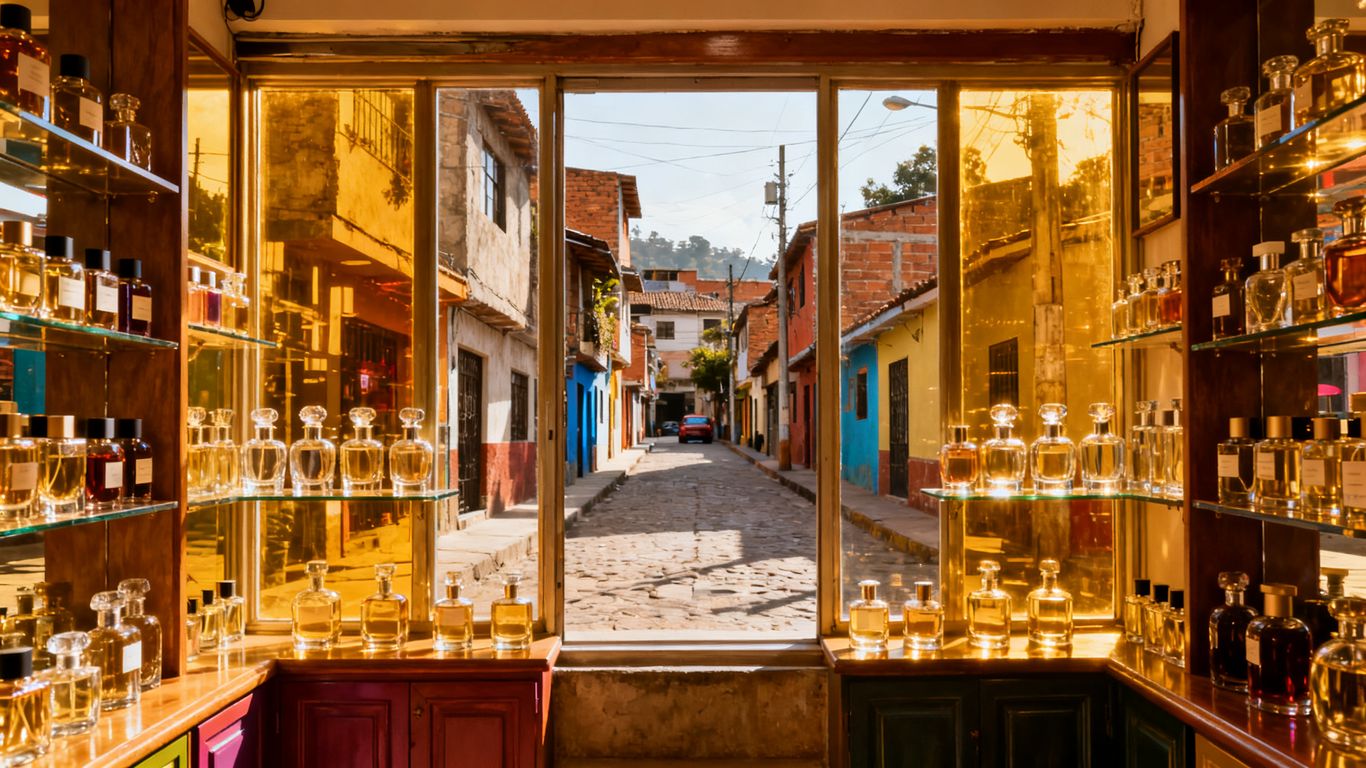
Finding value after your culinary tour involves knowing where to shop for authentic goods. We suggest prioritizing local creators who offer genuine quality at prices reflective of the local economy. Shopping in quieter districts often yields better results than near the primary tourist corridors.
Visiting the Cocora Perfume locations located throughout the city
These shops are known for selling high-quality fragrance alternatives that are nearly indistinguishable from high-end brands. With seven locations across town, they are conveniently placed near major cultural hubs like Provenza and Parque Lleras. This makes them an easy addition to your daily itinerary after a food tour.
Why Cocora Perfumes is recommended for high-quality and affordable fragrance alternatives
Cocora Perfumes offers a cost-effective alternative for travelers who value scent quality without the premium price tag. Their products represent a significant saving while maintaining 99 percent similarity to luxury counterparts. For those building an affordable gastronomic tours experience, these shops bring balance to your spending budget.
Navigating the seven city locations including the shops in Provenza and Parque Lleras
Each shop location provides a consistent inventory that allows you to test scents locally before committing to a purchase. The staff are frequently able to guide you toward the most popular options for both men and women. These spaces operate efficiently even during busy periods in the surrounding nightlife areas.
How to incorporate retail visits into your broader cultural itinerary
We suggest mapping out shop locations based on your proximity to your tour end-points to save transit time. A quick visit to a fragrance boutique is a perfect transition from a morning workshop to an afternoon meal. Integrating these retail stops ensures that your souvenir shopping does not become an exhausting standalone errand.
Logistics for participating in Medellín food and beverage activities
| Activity Type | Typical Duration | Average Price (COP) |
|---|---|---|
| Street Food Tour | 3 Hours | 90,000 |
| Cacao Workshop | 3.5 Hours | 160,000 |
| Market Visit | 2.5 Hours | 70,000 |
Planning your logistics requires careful consideration of timing and professional transportation options. We find that the following table helps in framing the expected budget and time commitment for diverse cultural outings.
Duration and cost expectations for typical half-day cultural activities
Most premium half-day activities range between 70,000 and 160,000 COP per person. Variations in price depend heavily on whether ingredients or workshop materials are included in the ticket. Taking note of these estimates helps in maintaining a balanced travel budget throughout your stay.
Best times of day to schedule tours to avoid heavy El Poblado traffic
Traffic conditions in the city can significantly impact your ability to reach a meeting point on time. We recommend scheduling morning sessions before 10:00 AM or late afternoon spots that avoid the rush hour peak. Planning your departure thirty minutes earlier than suggested is a standard local practice for reliability.
Transportation options from major hotels to centralized tour meeting points
Most reliable operators designate a safe landmark as a meeting point, such as a major plaza or community park. We advise using registered ride-sharing applications or official taxi services directly from your hotel lobby. Avoid walking long distances with luggage or high-value items if you are unfamiliar with the specific route.
Managing reservation windows for popular small-group experiences
High-demand experiences often require booking several weeks in advance to ensure availability. Check the provider’s website periodically for cancellations if your preferred slot is sold out. Small-group formats provide better individual access but limit the number of participants, so securing your spot early remains critical.
Evaluating your culinary itinerary based on personal interests
We emphasize the need to curate your schedule based on individual energy levels and dietary priorities. Taking an analytical approach to your plan prevents burnout while ensuring you hit the most meaningful highlights. We recommend the following steps for refinement:
- Audit your calendar for overlapping transit times to avoid unnecessary delays.
- Group geographical locations for your daily itinerary to optimize for neighborhood saturation.
- Verify active user feedback on third-party platforms to confirm the current quality of the service.
- Research dietary limitations beforehand if you have specific restrictions that could impact your tour choice.
Selecting activities based on dietary preferences and physical activity levels
Before booking, communicate any health requirements or dietary allergies to your chosen operator. Some tours are more physically demanding due to hilly terrain or high-density street walking. Ensure you select a pace that allows you to enjoy the experience comfortably.
Balancing active food tours with educational or stationary workshops
Mixing high-intensity walking tours with stationary learning provides a refreshing change of pace for your schedule. Stationary workshops, such as those focusing on chocolate production, provide comfortable environments for processing your discoveries. This balance keeps you energized for the duration of your trip.
How to track recent reviews and verify third-party platform rankings
Review platforms provide helpful context, but check how recent the feedback is to ensure the tour standards remain constant. Look for mentions of specific guides to gauge the consistency of the delivery. A steady stream of recent, positive reviews is a strong indicator of a reliable premium tour provider.
Customizing your schedule to prioritize neighborhoods beyond the tourist core
While popular areas offer convenience, branching out reveals a different side of the city’s culinary evolution. Many authentic Colombian gastronomy experiences are intentionally located in residential spots. Adjusting your plan to visit these areas provides a much richer sense of the daily life in Medellín.
Conclusion
Crafting a premium culinary itinerary through Medellín relies on choosing experiences that prioritize authentic education and fair engagement with local artisans. By thoughtfully balancing your activities between hands-on workshops and insightful tours, you ensure a culturally rewarding visit that respects both the destination and your travel budget.
Frequently Asked Questions
Are premium food tours in Medellín suitable for solo travelers?
Yes, these small-group activities are excellent for meeting like-minded individuals in a structured social environment. They offer a safe and engaging way to explore the local culture while feeling part of a guided community.
Should I tip my food tour guide in Medellín?
Tipping is appreciated for exceptional service, though it is not strictly mandatory for every type of activity. A standard amount is usually between ten and fifteen percent of the total activity cost.
Which neighborhoods are best for experiencing authentic food culture?
Laureles and parts of Envigado offer high densities of authentic local restaurants and workshops favored by residents. These neighborhoods maintain a vibrant culinary scene that is often more grounded than those in the central tourist zones.
Is it necessary to know Spanish to participate in these workshops?
Most premium tour providers offer bilingual guides who can explain complex techniques in English while maintaining local context. You should check the tour language details during the booking process to ensure clear communication.
Can I find gluten-free options on traditional food tours?
Many traditional dishes in the region are based on corn, which is naturally gluten-free but can be subject to cross-contamination. Informing your tour operator of specific dietary needs well in advance allows them to adapt the menu or recommendations for your specific situation.
What should I carry with me on a half-day walking tour?
Carry a light rain jacket, sunscreen, and a reusable water bottle to prepare for the city’s variable weather. It is also wise to keep your local currency in a secure bag rather than keeping all valuables exposed during the tour.
How does the weather typically influence food tour schedules?
Afternoon showers are common in the city, but they rarely last long enough to cancel outdoor activities. Many operators provide flexible meeting points or indoor venues for workshops to ensure that your experience continues regardless of minor seasonal rain.