
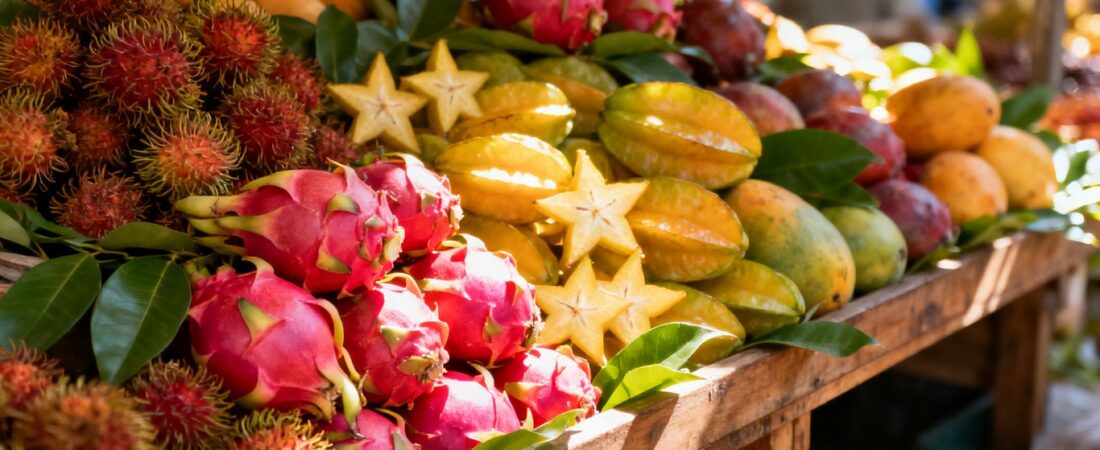
Exploring the Minorista Market offers a fantastic opportunity to experience Medellin’s rich biodiversity and local culture. Here are some key things to remember for your visit.
Key Takeaways
- The Minorista Market is a central hub for a wide variety of local and exotic fruits unique to Colombia.
- A guided local exotic fruit tour can significantly enhance your understanding and tasting experience.
- Many unique fruits like Lulo, Uchuva, Chontaduro, and various Passion Fruits are available for sampling.
- The market offers more than just fruits, including other local foods and goods, providing a full cultural immersion.
- Visiting the market is best done in the morning for the freshest produce and a more lively atmosphere.
Discovering Medellin’s Minorista Market
Navigating the Vibrant Minorista Marketplace
La Minorista is Medellin’s main market. It is a central hub for local commerce. We can find almost anything here. It is a place where daily life unfolds. We will explore its bustling aisles. This market is a sensory experience.
A Sensory Journey Through Local Produce
We will immerse ourselves in the sights and smells. The market overflows with fresh produce. We see colorful fruits and vegetables. The air is filled with aromas. It is a feast for the senses. We can sample many local items. This is where we begin our fruit tour. You can find over 10 exotic fruits to sample here. Explore the market.
Understanding the Market’s Role in the Community
La Minorista is more than just a place to shop. It is the heart of the community. Local vendors have worked here for years. They connect producers with consumers. The market supports many families. It is a vital part of Medellin’s economy. We gain insight into local life here.
The market operates daily, offering a glimpse into the city’s rhythm. It is a place where traditions meet modern commerce. We can observe the interactions. It shows the city’s true character.
We will learn about the market’s history. Its importance has grown over time. It is a place of constant activity. We can see different sections. Each area has its own focus. It is a dynamic environment. We will experience it firsthand.
Embarking on a Local Exotic Fruit Tour
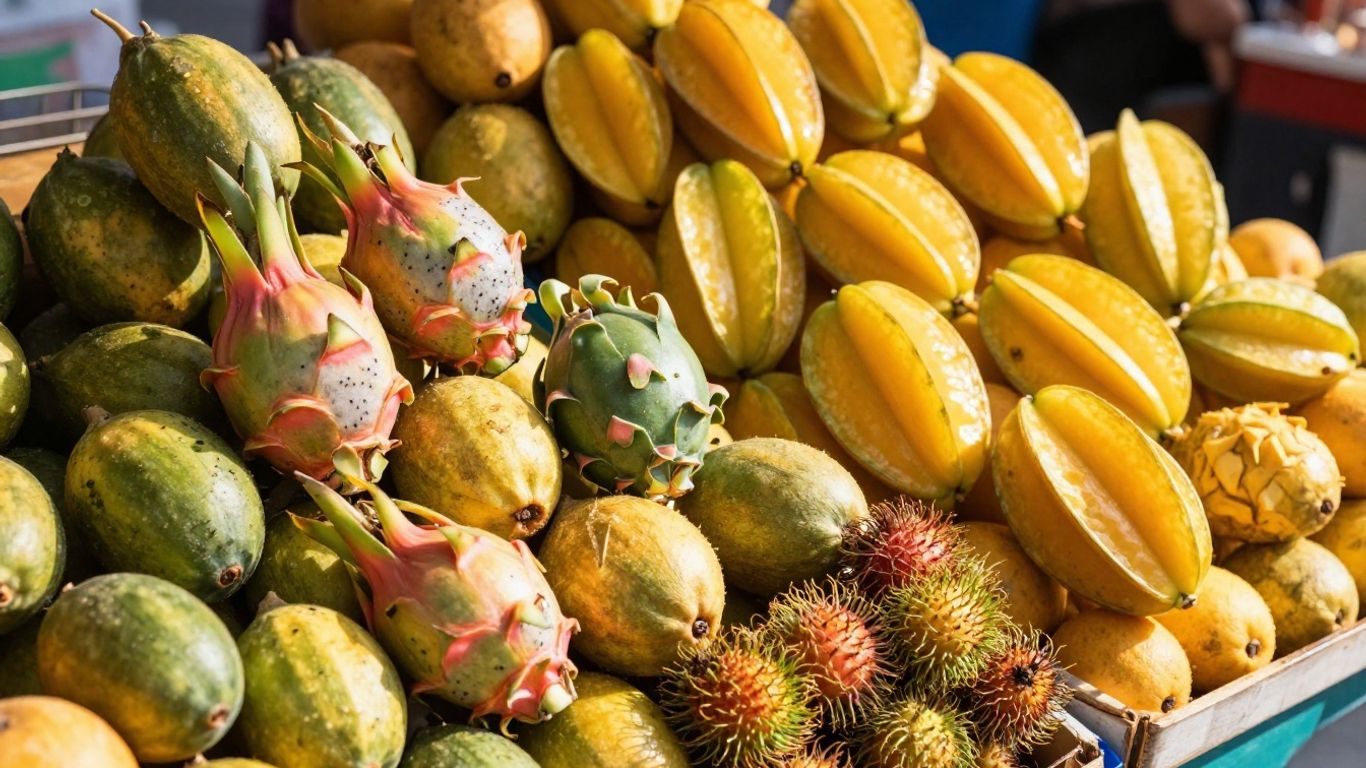
Embarking on a local exotic fruit tour is a great way to experience Medellin’s unique produce. We will explore the vibrant Minorista Market. This tour offers a direct look at Colombia’s fruit diversity. It is a hands-on way to learn about local flavors.
The Allure of Colombia’s Unique Fruits
Colombia’s biodiversity means an incredible variety of fruits. Many are unknown outside the country. We can find over a thousand types of bananas alone. The sheer number of strange fruits is impressive. They are a daily part of life here.
What to Expect on an Exotic Fruit Tour
Expect to taste many different fruits. We will learn how to identify them. Guides show us the best ways to eat them. Some tours include juice or smoothie tastings. You might try up to 14 different fruits.
- Taste new flavors: Experience fruits you’ve never seen before.
- Learn about origins: Understand where these fruits come from.
- Discover uses: Find out how locals prepare and consume them.
- Sensory experience: Engage all your senses with new sights, smells, and tastes.
A guided tour helps us pack in more fruit knowledge. We can sample more varieties in a few hours. It is more efficient than exploring alone.
Maximizing Your Fruit Tasting Experience
Go with an open mind and an empty stomach. Ask your guide questions about each fruit. Try to taste everything offered. Don’t be afraid of unfamiliar textures or tastes. This is how we truly appreciate the local produce. Consider taking an exotic fruits tour in Medellin. It is a fantastic way to learn.
Key Exotic Fruits to Sample
We will explore some of the most interesting exotic fruits found at the Minorista Market. These fruits offer a unique taste of Colombia’s biodiversity. Many are common here but unknown elsewhere. We’ll focus on fruits with distinct flavors and textures.
Passion Fruit Varieties: Maracuya, Granadilla, and Gulupa
Passion fruits are a diverse group. We can find several types at Minorista. Each has its own character.
- Maracuya: This is the common yellow passion fruit. It is tart and rich in Vitamin C. We eat the seeds covered in pulp. It’s often used in juices and desserts.
- Granadilla: This one has a hard, orange shell. Inside, it’s filled with juicy, edible seeds. The flavor is sweet and slightly floral. It’s less tart than maracuya.
- Gulupa: Also known as purple passion fruit. Its exterior can be wrinkly. The taste is sweeter and less acidic than maracuya. Many consider it the most delicious of the three.
The Distinctive Flavors of Lulo and Uchuva
Lulo and uchuva are two more fruits worth trying. They have unique flavor profiles.
- Lulo: This small, orange-like fruit is often used in juices. It has a sour taste, similar to kiwi with citrus notes. The soft seeds inside are edible. We can enjoy it on its own if we like sour flavors.
- Uchuva: Also called the goldenberry or physalis. It grows inside a papery husk. The fruit is small, round, and bright orange. Its taste is a mix of sweet and tart, with tropical undertones. It’s great fresh or in jams.
Exploring Lesser-Known Delights like Chontaduro and Pitahaya
Beyond the more common exotic fruits, Minorista offers rarer finds. These fruits provide a deeper dive into local tastes. A local market guide can help us discover them.
- Chontaduro: This fruit comes from a palm tree. It has a starchy texture and a nutty flavor. It is often boiled or cooked before eating. It’s a very filling and nutritious option.
- Pitahaya: Known as dragon fruit, it has a vibrant pink or yellow exterior. The flesh is speckled with tiny black seeds. Its flavor is mild and slightly sweet. It’s refreshing and known for digestive benefits. Be mindful not to eat too much.
We can find many of these fruits at the Minorista Market. Trying them fresh is the best way to experience their true taste. Don’t hesitate to ask vendors for samples.
Experiencing the Minorista Market with a Guide
Benefits of a Guided Local Exotic Fruit Tour
Taking a guided tour is the best way to understand the Minorista Market. We found it helps us pack more into our visit. Guides know the market’s layout. They can point out fruits we might miss. This saves us time and effort. We learn about fruits we’ve never seen before. A guide makes the experience more informative. It’s a good way to get acquainted with the market quickly.
We recommend booking a tour for your first visit. It helps us avoid feeling overwhelmed. Guides share interesting facts about the produce. They also know the best stalls to visit. This ensures we sample the freshest and most unique items. It’s a practical approach to exploring. We get a real feel for the local culture.
Choosing the Right Tour for Your Visit
When selecting a tour, look for one focused on local fruits. Some tours might cover broader market aspects. We prefer tours that highlight the exotic produce. Check the tour duration. A 2.5 to 3-hour tour is usually sufficient. This allows for a good sampling without being too long. Consider the group size. Smaller groups offer a more personal experience. We found tours with fewer than 10 people work well.
Look into what the tour includes. Most good tours include fruit tastings. Some might also include a local snack or drink. We saw one tour that included an arepa. Another offered a fresh fruit smoothie. Make sure the meeting point is clear. It should be easy to find, perhaps near a Metro station. This makes getting there straightforward. You can find tours that fit your schedule. Some operate daily, while others are less frequent.
Insights from Local Market Guides
Local guides offer a unique perspective. They share stories about the market’s history. They can explain the cultural significance of certain fruits. We learned about traditional uses for some produce. Guides often have personal connections to vendors. This can lead to special introductions. They know which fruits are in season. This helps us taste the best of what’s available. Their knowledge is extensive.
A good guide can transform a market visit from a simple shopping trip into an educational adventure. They bridge the gap between the unfamiliar and the familiar, making the experience richer and more memorable for everyone involved.
Guides can also offer practical advice. They might suggest the safest ways to get around. They can point out other interesting sections of the market. We found they are great resources for local tips. They help us understand the local economy. It’s a chance to connect with someone who knows the area well. We always appreciate their insights. It makes our visit more meaningful. Consider booking an Exotic Fruits Tour at Medellín’s Plaza Minorista for a guided experience.
Beyond the Fruit Stalls
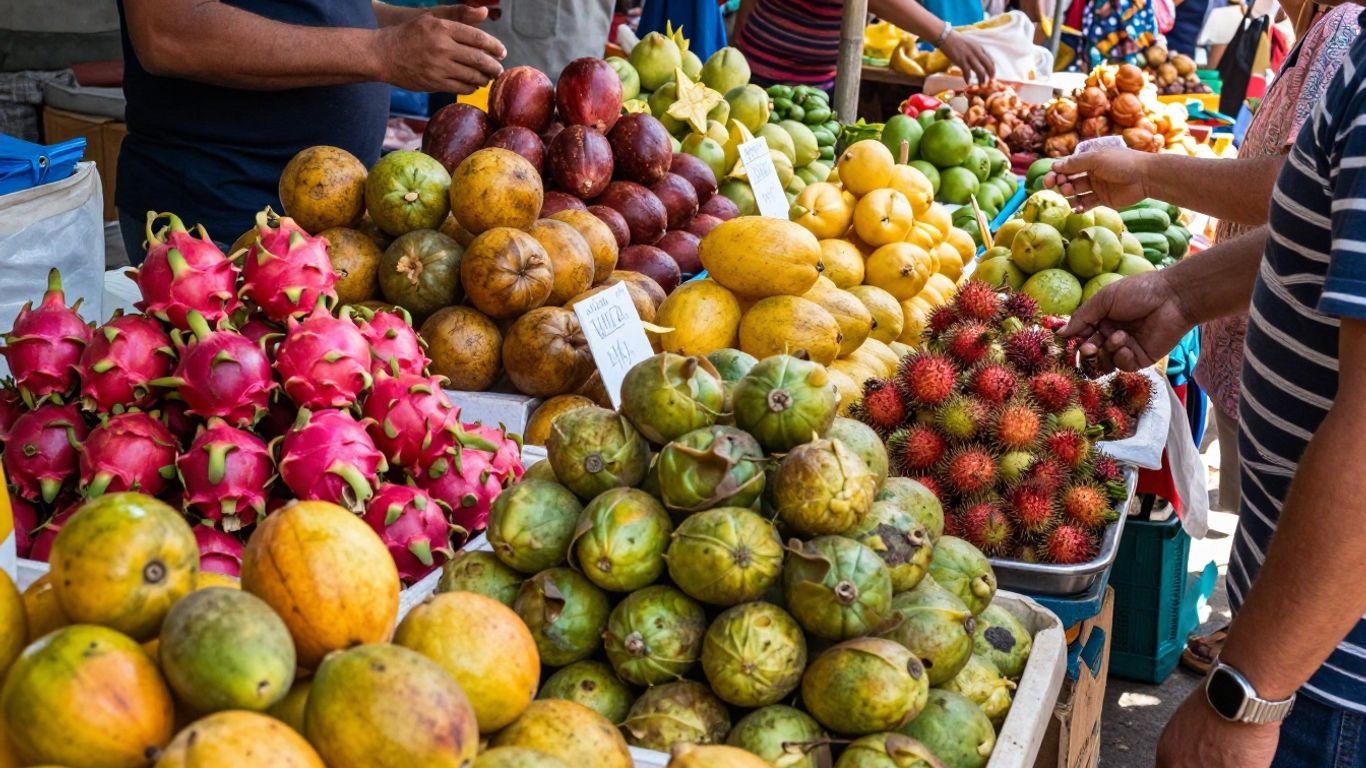
Other Local Delicacies at Minorista
While we focus on the exotic fruits, Minorista Market offers much more. We can find various meats, cheeses, and prepared foods. Many vendors sell fresh herbs and spices too. It is a place to experience local Colombian flavors beyond just fruit. We might also find some interesting baked goods or sweets. Exploring these stalls gives us a fuller picture of the local diet. We can even find some unique local crafts if we look closely.
Navigating Different Sections of the Market
The market is organized into different zones. There are sections for produce, meats, and household goods. We will see areas dedicated to flowers, which are quite popular. The fish market has its own distinct area. It is helpful to know these sections beforehand. This helps us find what we are looking for efficiently. We can also discover new things by wandering through each part. The flower market, though smaller than Bogotá’s Paloquemao, offers a diverse selection and high-quality blooms [2f40].
Cultural Immersion Beyond Exotic Fruits
Minorista is more than just a place to buy food. It is a hub of daily life for many Medellin residents. We can observe how locals interact and conduct their business. The energy of the market is infectious. We can try other local snacks like arepas or empanadas. Sometimes, we can find small eateries serving traditional meals. This offers a genuine glimpse into Medellin’s culture. It is a chance to connect with the community on a deeper level. We can also find unique souvenirs here.
Planning Your Minorista Market Visit
Planning your visit to the Minorista Market is key for a good experience. We suggest going in the morning for the freshest produce. This is when vendors are setting up. You will see the widest selection then.
Best Times to Visit for Fresh Produce
We find the market is most active from Monday to Saturday. Early mornings, between 7 AM and 10 AM, are ideal. This is when the fruit stalls are fully stocked. You can see a lot of activity.
- Monday – Saturday: Peak hours for fresh fruit.
- Sunday: Market is open but with fewer vendors.
- Early Morning (7 AM – 10 AM): Best selection of fruits.
Getting to and Around the Minorista Market
We usually take the Metro to the Parque Berrío station. From there, it is a short walk. You can also take a taxi or an Uber directly to the market entrance. Once inside, the market is a maze.
Wear comfortable shoes. You will be doing a lot of walking. The market can get crowded, especially later in the day.
Tips for a Rewarding Local Exotic Fruit Tour
To get the most out of your exotic fruit tour, we have a few tips. Booking a guided tour is highly recommended. A guide can help you find the best fruits. They also explain what you are tasting.
- Book a Tour: Consider a guided tour for insights. Real City Tours offers popular fruit tours.
- Go Early: Arrive before 9 AM for the best selection.
- Be Open Minded: Try fruits you have never seen before.
- Bring Small Bills: Useful for purchasing snacks or small items.
- Stay Hydrated: Carry a water bottle, especially on warm days.
Conclusion
Our journey through Medellin’s Minorista Market and its incredible array of local exotic fruits has hopefully shown us the vibrant heart of the city’s food culture. We’ve seen how this market is more than just a place to buy produce; it’s a hub of community and a gateway to unique flavors. Whether you join a guided tour or explore on your own, experiencing the exotic fruits here is a must-do for any visitor wanting a true taste of Colombia. Remember to be adventurous, try new things, and savor every bite!
Frequently Asked Questions
What is the Minorista Market?
The Minorista Market in Medellin is a large, bustling public market. It’s a place where you can find all sorts of things, especially a huge variety of fresh local produce, including many exotic fruits you might not see anywhere else.
Why should I take a local exotic fruit tour?
Going on a guided tour means you’ll have someone who knows the market well. They can introduce you to fruits you’ve never seen before, explain what they taste like, and help you pick the best ones. It makes the experience much richer and easier.
What are some common exotic fruits to try?
You should definitely try different types of passion fruit like Maracuya, Granadilla, and Gulupa. Also, look for Lulo, Uchuva (which looks like a small tomato inside a husk), and sometimes Chontaduro or Pitahaya (dragon fruit) are available.
Is it safe to eat fruit from the market?
Yes, generally it is safe, especially if you buy from vendors who are busy and have fresh-looking produce. Many tours will also ensure you are trying fruits that are prepared or presented in a safe way. It’s always good to wash your hands before eating.
What else can I find at the Minorista Market besides fruit?
The market is huge and has many sections. You can find fresh meats, cheeses, flowers, spices, clothing, household items, and prepared foods. It’s a great place to see everyday Colombian life and try other local snacks.
When is the best time to visit the Minorista Market?
The market is busiest and has the freshest items in the morning, usually from around 6 AM to noon. Visiting earlier in the day means you’ll see the most activity and have the best selection of fruits.