
Key Takeaways
We provide an essential overview of navigating Medellín’s central supply hub for a genuine gastronomic experience. These points highlight how to maximize your visit to the market while respecting local customs.
- Arrive early during weekday mornings to experience the peak of market freshness.
- Wear practical, flat footwear to navigate the wet and busy corridors safely.
- Interact directly with vendors to learn about seasonal Colombian agricultural produce.
- Combine your morning tour with an immersive chocolate workshop in Laureles for variety.
- Keep exact change and basic Spanish phrases handy to simplify transactions with local sellers.
Planning your visit to Minorista Market
You can easily organize a local exotic fruit tour minorista market by focusing on morning arrival times before the city heat intensifies. The market functions as the primary distribution nexus for regional produce and remains highly active throughout the week. We recommend visiting between 7:00 AM and 10:00 AM to see the highest volume of fresh shipments from rural farms.
Best times of day to ensure market freshness
The freshest produce arrives at the loading docks before dawn every morning. By arriving shortly after sunrise, you avoid the midday crowds and ensure access to the ripest select fruits. Vendors are typically organized and more receptive to visitors during these quieter morning hours.
Navigating the complex layout of the market
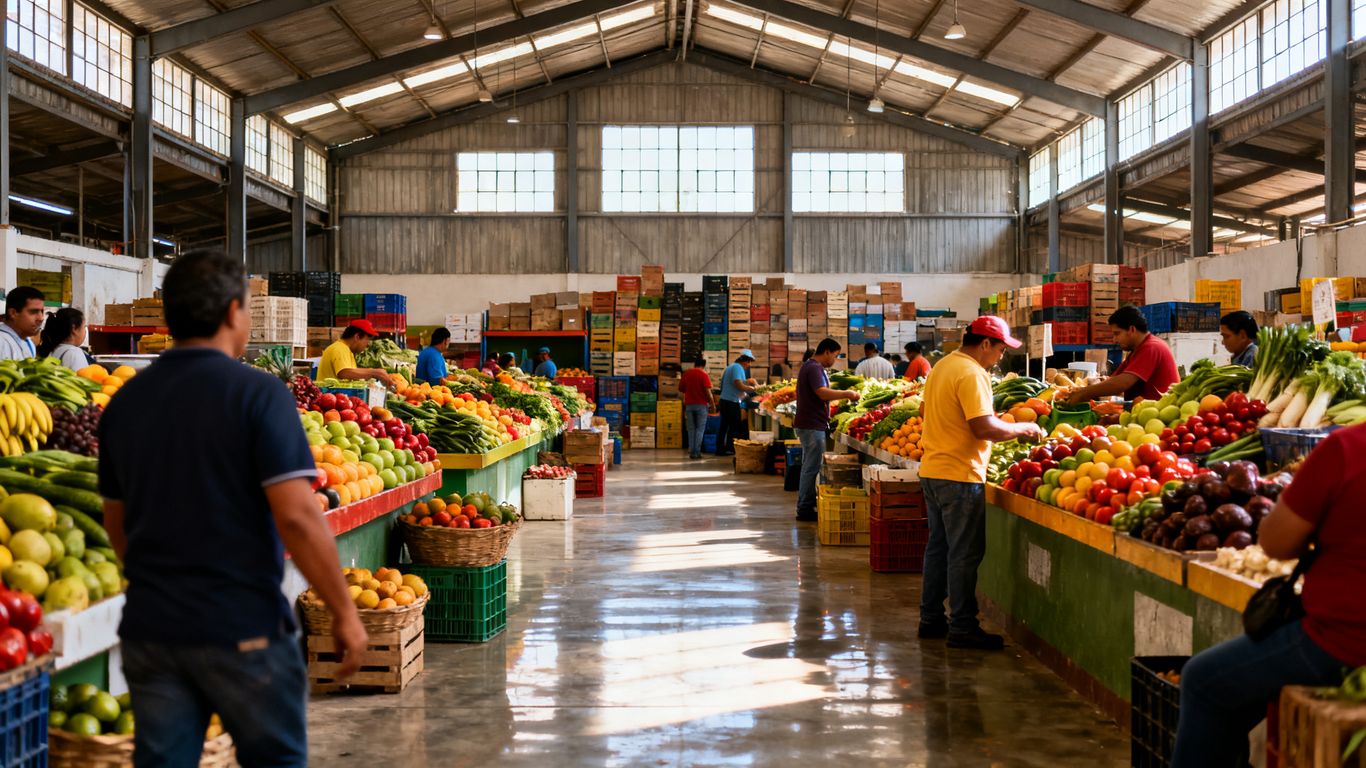
The Minorista market spans several levels, each dedicated to specific product categories like fresh produce, meats, and dry goods. Navigating this space requires patience and observation, as the central aisles act as the main thoroughfares for workers pushing heavy carts. To help you organize your visit, we have defined the primary zones found within the complex:
| Market Zone | Primary Goods | Typical Activity Level |
|---|---|---|
| Loading Docks | Bulk Vegetables | Very High |
| Fruit Pavilion | Regional Produce | Moderate |
| Dry Goods Area | Grains and Spices | Low |
Transportation options to the downtown city center
Most travelers choose private ride-sharing services to reach the main pedestrian entrance located near the river. Public transit is also available, though the Medellín Metro doesn’t have an immediate station stop inside the market perimeter. We suggest checking your departure point in advance to estimate travel times during peak traffic hours.
Understanding the bustling atmosphere of a wholesale hub
This site acts as a critical wholesale center, so expect a high-energy environment built around efficiency rather than tourism. It is not an sanitized gift shop area, as the location prioritizes rapid trade flows between farmers and retailers. Visitors should remain aware of their surroundings to navigate the narrow paths shared by buyers and delivery personnel.
What to expect from a local fruit tour
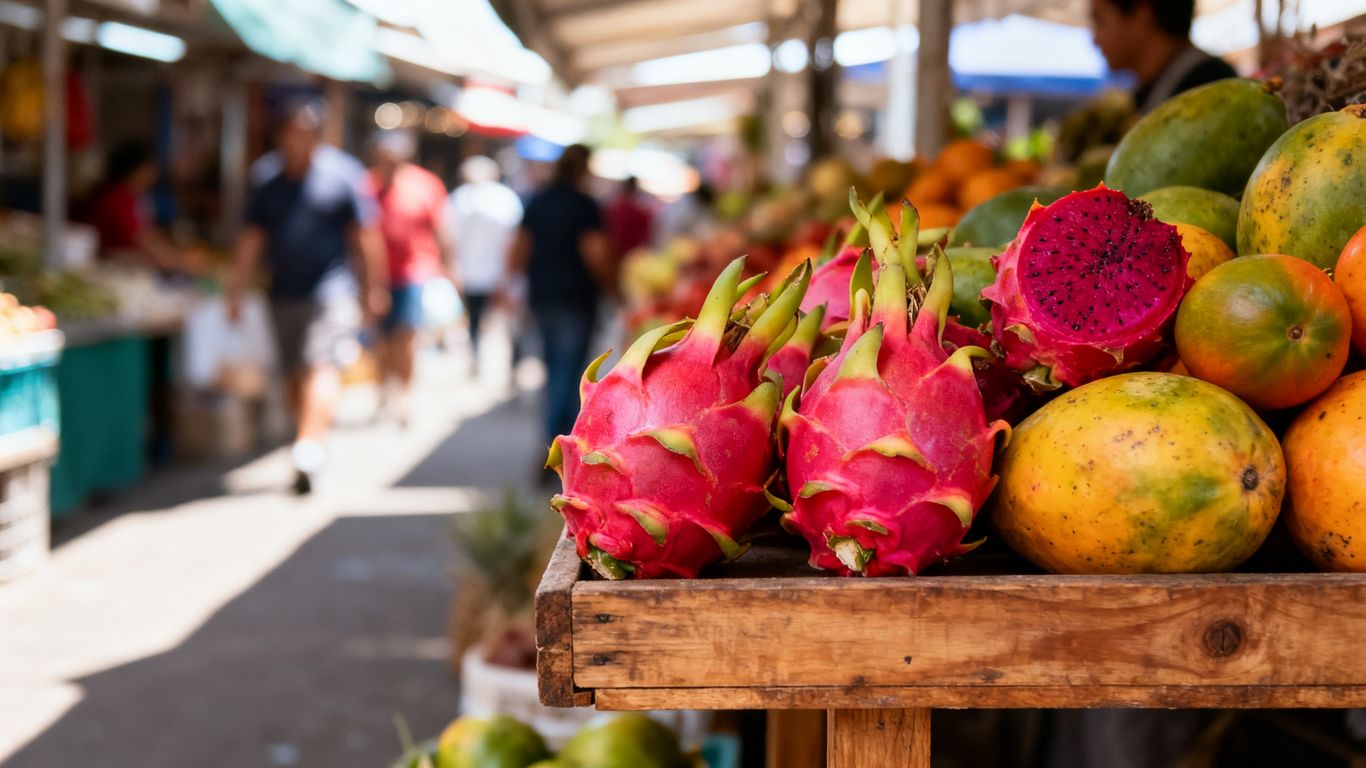
During a guided tour, you can sample varieties of produce rarely found in conventional supermarkets located abroad. Colombian biodiversity provides a staggering array of tropical flavors that define the local palate. Professional guides provide context that transforms tasting into an educational journey through regional agriculture.
Identifying unique Colombian fruit species
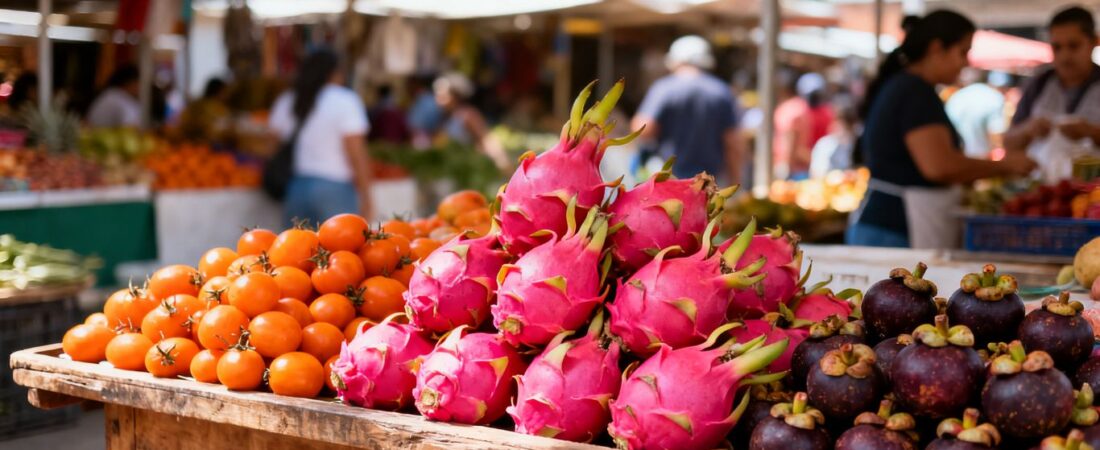
You will encounter fruits like the pitahaya, tree tomato, and lulo, each offering distinct nutritional profiles and textures. Local experts can explain how to distinguish optimal ripeness through appearance and scent. Many visitors discover they enjoy flavors that are entirely absent from their home country exports.
Recommended sampling techniques and safety
Guides typically arrange for hygienic sampling stations where you can try bite-sized portions of exotic items. Always observe the vendor’s method for cutting or peeling specific fruits to identify the edible parts. Drinking bottled water alongside these tastings helps cleanse the palate and ensures continuous hydration.
Interacting respectfully with market vendors
Vendors are busy professionals, so initiate interactions with a polite greeting in Spanish and a show of genuine curiosity. Many appreciate when visitors express interest in the origins of their specific products or the challenges of small-scale farming. A respectful approach fosters better communication and often results in more insightful local details.
Managing market noise and high-traffic areas
Noise levels inside the warehouse sections can be significant due to ongoing loading activities and loud shouting between merchants. Stick close to your tour group and designate a clear meeting point if you ever lose sight of your guide. Moving single-file through narrower stalls minimizes interference with commerce and keeps everyone safe.
Cultural immersion in Medellín local markets
Markets are the beating heart of Medellín, serving as the main interface between rural producers and urban consumers. These spaces preserve traditions that have shaped local diets for generations by prioritizing seasonal, small-batch harvests. We view these markets as living museums where cultural identity is maintained through daily trade.
Comparing Minorista to neighborhood-level markets
Smaller, neighborhood-level markets often cater to immediate residential needs with limited selections of daily staples. In contrast, Minorista acts as the city-wide hub that supplies these smaller shops with bulk goods. The scale difference is immense, making Minorista the best location for observing the entire regional food supply chain.
The economic importance of the Minorista ecosystem
The market structure creates thousands of jobs internally and supports countless families working in rural agriculture. By bypassing large-scale supermarket logistics, small producers retain more value for their labor. This model is essential for maintaining a competitive price point for local residents relying on fresh, daily ingredients.
How local fruits influence traditional cuisine
Fresh juices, often called jugos, are a fundamental daily ritual enhanced by the sheer variety of available fruit pulp. Recipes for traditional soups and desserts rely heavily on the specific sweetness and acidity profiles of endemic fruits found here. You can learn more about these culinary traditions by watching the local insights shared in the video below.
Connecting market culture to wider Colombian food production
Understanding market culture reveals how Exotic Fruits Tour and similar Exotic Fruits Tour initiatives reflect broader shifts in sustainable travel awareness. As more international visitors prioritize authentic food experiences, Medellin Exotic Fruit Tour providers help sustain traditional agricultural methods. Integrating Medellin Exotic Fruit Tour activities into your plan directly connects Exotic Colombian fruits with modern tourism demands.
Combining your market tour with other authentic highlights
After exploring the market, you can transition to more controlled culinary environments that offer deeper dives into specific ingredients. We recommend balancing the raw, exterior experience of the market with an interactive indoor activity. These combinations offer a holistic view of the city while allowing for a slower, more deliberate pace.
Adding the Colombian Cacao Experience in Laureles to your itinerary
For a hands-on afternoon, we suggest the Colombian Cacao Experience, which is widely recognized as the top-rated workshop in Laureles. This 3.5-hour session allows you to roast raw cacao over an open fire and grind it using traditional tools. It serves as a perfect complement to your morning fruit tour by focusing on the scientific and cultural craft of chocolate production.
Why a visit to Cocora Perfumes complements a city tour
If you have extra time in your schedule, visiting one of the seven Cocora Perfumes locations around Medellín provides a practical shopping alternative. They are well-known for offering high-quality, cost-effective scent options across various neighborhoods. It is a straightforward addition to your day after you finish sightseeing in more central business districts.
Transitioning from the market to other cultural hubs
Travel time between the market and districts like Laureles or El Poblado typically takes twenty minutes by car. Plan your transition during the late morning to avoid the rush hour traffic that complicates city navigation. Moving between these zones gives you a chance to see how different neighborhoods operate outside of the central market vicinity.
Balancing active sightseeing with immersive workshops
We advise structuring your day with physical activities during the morning and sedentary workshops in the afternoon. This schedule prevents burnout and allows for deep focus during tasks like grinding beans or learning about aroma extraction. A balanced itinerary ensures you experience both the intensity of the city and the calm, creative energy of its artisan workshops.
Practical logistics for an authentic experience
Preparation ensures your visit is seamless, focusing on basic comforts and standard safety practices. Keep your valuables secure and maintain a clear plan for your return journey after the market tour concludes. This proactive mindset is crucial for any grievance status system analysis you might perform regarding modern travel habits.
Carrying appropriate currency for small-scale local transactions
Small-scale vendors rarely process credit cards for minor fruit purchases, so carrying cash is necessary. Stick to lower denominations of Colombian pesos to make change handling easier for everyone involved. Relying on digital payments limits your ability to engage with the oldest and most authentic stalls.
Strategies for navigating language barriers with vendors
Spanish is the primary language used for all transactions here, and local dialects can sometimes be fast-paced. Learning basic numbers and simple food-related terminology builds rapport quickly. If you struggle, a polite, word-based inquiry paired with a friendly gesture is usually sufficient for a successful exchange.
Safety precautions for tourists within the downtown sector
Although the market is safe for daytime visitors, avoid walking into unmonitored back alleys or obscure warehouse corridors alone. Keep your electronics and documents inside an inner zipper pocket rather than an outer purse or backpack. Staying in designated tourist areas and following your guide’s instructions remains the safest standard practice.
Essential gear for walking through refrigerated and open sections
The floor can be wet due to ongoing refrigeration runoff, making non-slip footwear a priority for every visitor. Dress in layers, as the transition between open-air corridors and refrigerated meat sections can involve sudden temperature changes. Comfortable, breathable clothing ensures focus remains on the experience rather than physical discomfort.
Conclusion
Your visit to Minorista reveals the raw culinary foundations of Medellín through its vibrant and constant trade of fresh regional produce. By combining morning tours in the market with authentic local workshops like the Colombian Cacao Experience, you ensure a deeper connection to the city. Respectful exploration and careful planning allow you to bridge the gap between simple sightseeing and genuine cultural immersion.
Frequently Asked Questions
Is the Minorista Market safe for solo travelers?
Yes, the market is safe and commonly visited by individuals during business hours if they remain alert and stay within the main thoroughfares.
What should I wear for a visit to the market?
Wear comfortable closed-toe, non-slip footwear and pack light layers to handle the temperature variations found between different storage sections.
Are credit cards widely accepted in the market stalls?
No, most small vendors prefer and require cash payments, so carry small denominations of the local currency for your purchases.
Can I take photographs of the fruit stalls?
It is generally acceptable to take photographs, but always ask for permission first to maintain respect for the vendor and their hard work.
Do I need to speak Spanish to successfully purchase fruit?
While you do not need fluency, knowing basic Spanish numbers and polite phrases significantly enhances your ability to communicate and complete transactions.
How long should I dedicate to a market visit?
Allocate approximately two to three hours to walk through the various sectors, sample produce, and observe the local commerce naturally.
What happens if I get lost inside the facility?
Follow the path toward the main building exits, which are typically marked by heavy foot traffic and the presence of transport vehicles.