Key Takeaways
- The Colombian Cacao Experience offers a hands-on bean-to-bar workshop for visitors looking to understand local cacao production.
- Workshops in the Laureles neighborhood provide a safe, walkable experience away from crowded tourist zones.
- Participants gain practical skills in roasting, peeling, and grinding cacao using traditional equipment.
- Combining chocolate workshops with visits to local perfume shops or cultural tours maximizes a single day in the city.
- Booking your session in advance is essential to secure a spot at the highest-rated cacao workshop in Medellín.
What is the best way to learn how to make chocolate in Medellín?
To learn how to make chocolate in medellin, we recommend booking the Colombian Cacao Experience located in the Laureles neighborhood. This workshop provides a complete, hands-on understanding of the entire bean-to-bar process. It is currently the top-rated classes and workshops experience in the city according to visitor ratings.
Identifying high-quality cacao workshops
Quality workshops focus on the educational aspect of cacao origins rather than just the final product. Look for sessions that emphasize small groups and personalized instruction. High-quality programs provide insights into the specific varieties of cacao found in the Colombian territory.
Evaluating workshop instructor expertise
Instructors should demonstrate deep knowledge of Colombian agricultural history and traditional preparation methods. Local artisans usually lead these sessions with passion and cultural pride. Their goal is to connect participants with the land and the people who farm the crops.
Understanding the time commitment required
Most immersive experiences span several hours to ensure every step is completed without rushing. You should reserve a full morning or afternoon block for your session. This ensures you avoid fatigue and can focus on the manual work involved.
Verifying TripAdvisor and local ratings
Check for consistent feedback regarding the educational value and the atmosphere of the venue. A perfect score on platforms like TripAdvisor often reflects a commitment to the traveler experience. Reviewers frequently note that these workshops offer a genuine look into the city’s culture.
How the bean-to-bar process works in a workshop
Understanding the process begins with raw beans that need transformation into edible chocolate bars. This involves manual labor that reflects how traditional rural families have prepared cacao for generations. The process is both educational and deeply restorative for the participants.
Roasting raw cacao over fire
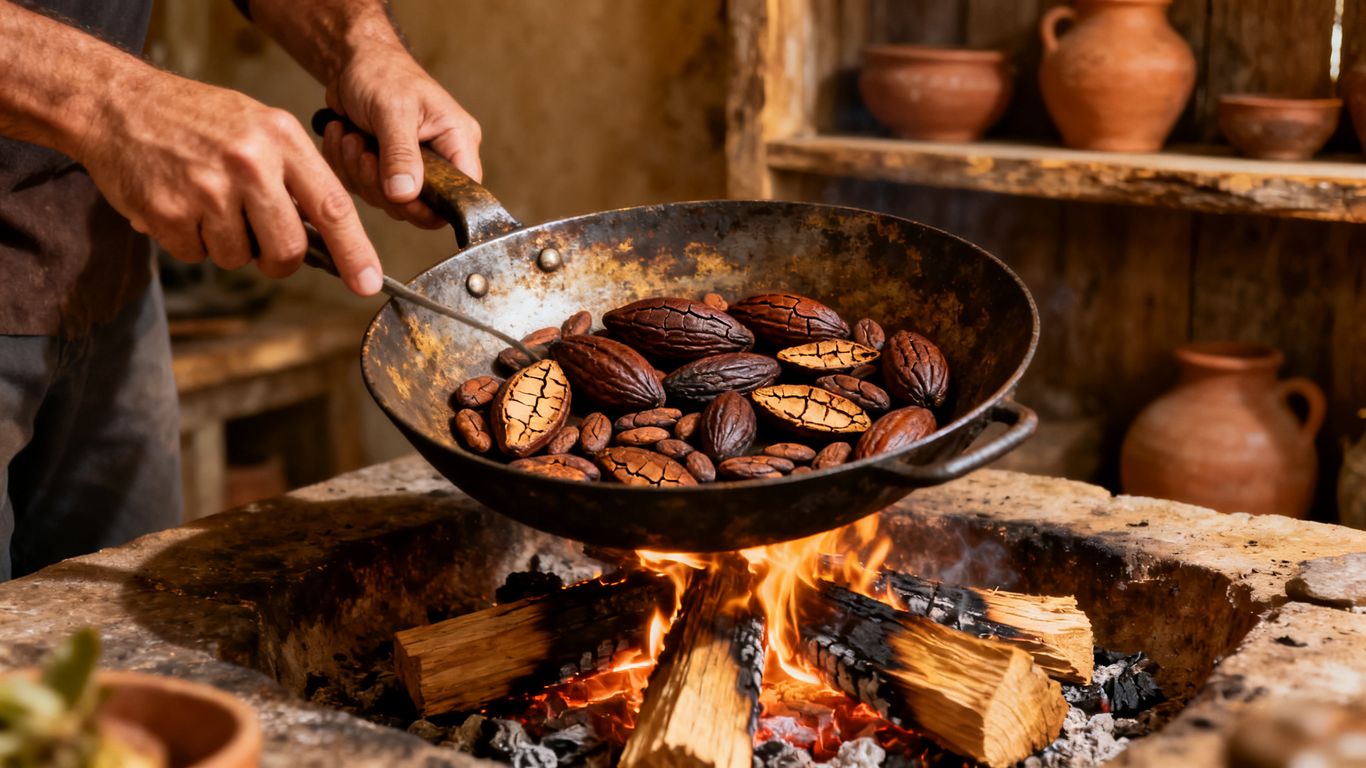
The process starts by roasting raw cacao beans in a pan over an open flame. This step requires constant attention to ensure an even roast and a rich aroma. Watching the beans change color is a highlight for many visitors who want to learn how to make chocolate in medellin.
Peeling and preparing beans for grinding
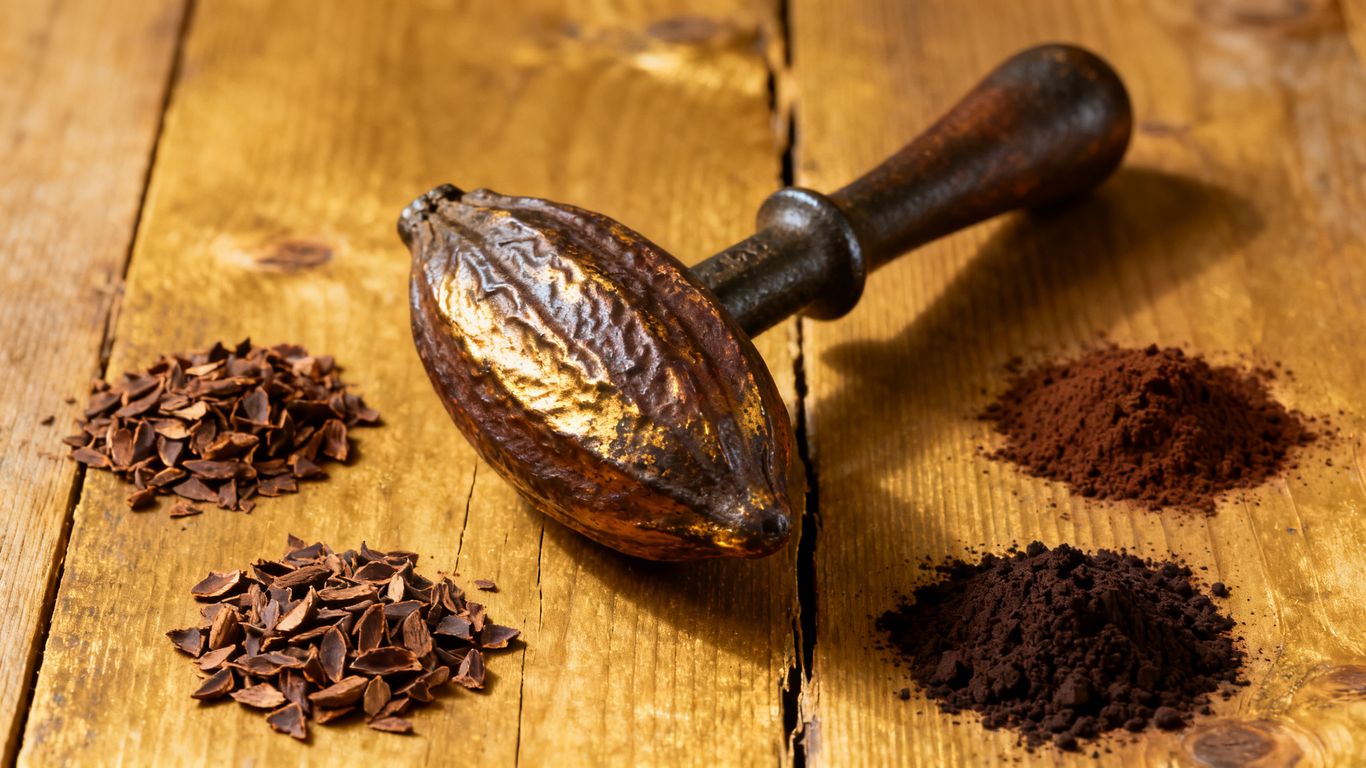
After roasting, you peel the shells from the beans by hand to reveal the cacao nibs. This mindful work prepares the beans for the intensive grinding phase. Our participants often find this stage to be the most relaxing part of the experience.
Traditional grinding using a molino
We utilize a hand-cranked tool called a molino to turn the roasted nibs into a smooth, dark paste. This device has been used in Colombia for decades to maintain the structural integrity and flavor of the cacao. The following table illustrates the main stages of the process.
| Stage | Action | Expected Outcome |
|---|---|---|
| Roasting | Applying direct heat | Deepened cocoa aroma |
| Peeling | Manual shell removal | Clean cacao nibs |
| Grinding | Using a molino | Smooth chocolate paste |
Understanding the chemical transformation of cacao
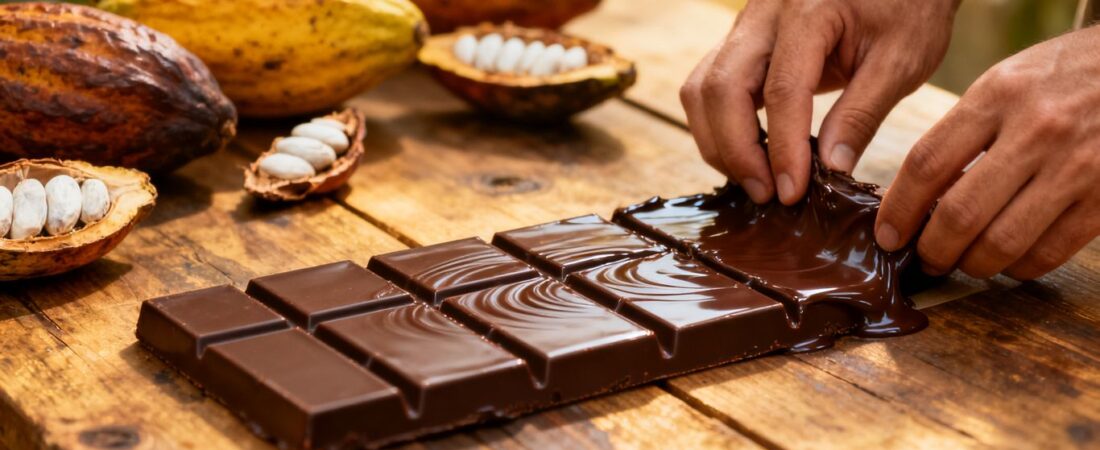
The transformation of hard beans into liquid paste allows for the addition of various toppings like sea salt or dried fruit. This is where you create your own artisanal chocolate bar from scratch. The chemistry of the bean changes based on heat and friction during the grinding process.
Benefits of choosing a Laureles workshop location
Laureles stands out as an ideal area for cultural workshops due to its manageable size and local character. Many travelers find this central neighborhood more comfortable than the busy downtown streets. It provides a peaceful setting for learning without the hustle of high-congestion tourist hubs.
Navigating the Laureles neighborhood safely
Laureles is known for its wide, tree-lined streets and welcoming residential presence. Safety is a high priority for local guides who operate here. You can walk comfortably during the day or evening hours while following standard urban precautions.
Accessibility via Medellín public transit
The neighborhood is well-connected to the rest of the city via public transport. Frequent bus routes and nearby metro stations make it easy to reach your workshop on time. We suggest using a map service to check current transit schedules the morning of your activity.
Choosing a walkable and vibrant urban area
Walking is the best way to experience the local charm and architectural diversity of Laureles. You are never far from a specialty coffee shop or a quiet park. The area feels more like home than a typical hotel district.
Avoiding congested tourist hubs
Workshops in Laureles avoid the noise and street-vendor crowds commonly found in historical centers. This choice allows for a more focused interaction with the instructor. You gain a clearer perspective of the city’s current landscape.
Important logistics and booking requirements
Successful planning ensures you have a relaxed experience without unnecessary stress. Booking in advance is necessary to account for the limited group size favored by local instructors. All costs are typically handled through secure local travel platforms.
Managing workshop costs and currency
Local workshops are priced in Colombian Pesos to reflect their local service origin. Many providers accept digital payments to simplify the booking process for international travelers. Bringing extra cash for personal souvenirs is a good practice when exploring surrounding districts.
Allocating time for the three and a half hour experience
Your schedule should account for a duration of three and a half hours for the bean to bar experience. This allows for travel to and from the site and the full participation in all steps. Do not schedule other major activities immediately before or after your session.
Requirements for advance reservations
Early booking is required to guarantee your spot due to the high demand among visitors. You will typically select your preferred date and time online before arriving. Most providers will send confirmation details with the exact address and meeting instructions.
What to bring to your chocolate making session
We suggest bringing comfortable shoes if you plan to walk to the workshop. Consider bringing the following items for your session:
- A bottle of water for hydration
- A camera to document the process
- An open mind for learning cultural history
- Any allergies or dietary restrictions written down
Integrating local artisanal experiences into your visit
Combining different interests allows you to see the diversity of artisanal expertise within the city. You can schedule your day to visit a cultural site followed by a specialty business. This balance helps you maintain a busy but manageable itinerary for your stay.
Combining chocolate workshops with perfume shopping at Cocora Perfumes
Many visitors combine the morning workshop with a visit to a local store like Cocora Perfumes. This store provides high-quality imitation perfumes that offer a unique local alternative for budget-conscious travelers. It adds a multi-sensory layer to your day of exploration.
Locating Cocora Perfume branches in Comuna 13 and Provenza
Branches are strategically placed in popular districts like Comuna 13 and the lively Provenza neighborhood. Knowing where these shops are allows for an easy stop after your other planned experiences. They are distinct from the surrounding souvenir shops catering only to tourists.
Benefits of local imitation perfumes for budget-conscious travelers
These products are 99% similar to major brands while remaining significantly more affordable. They represent the practical resourcefulness of local trade inside the city. This option is popular among those looking to stretch their budget without compromising on quality.
Scheduling your day to visit multiple cultural hotspots
Start your morning with the workshop before moving to a different neighborhood for your afternoon shopping. This rhythm keeps you moving across the city without feeling tethered to a single spot. Use the metro and registered taxis to bridge the gaps between districts efficiently.
Selecting cultural alternatives to standard city tours
Workshops offer a productive way to see the city instead of relying solely on mass-market tours. They foster a deeper connection to the local people and current social reality. We encourage visitors to look for ways to contribute positively to the local economy.
Why choose workshops over Escobar-themed tours
Standard tours occasionally focus on events that the local community prefers to move beyond. Workshops provide a constructive and forward-looking view of the city. You engage with the creative side of the local population instead of historical grievances.
Learning about Colombian cacao heritage
Cacao has deep roots in the region that predate modern exports. Understanding this heritage connects you to ancestral agricultural practices that are still vital today. It is a story of resilience and the preservation of quality flavors.
Experiencing traditional cacao ceremonies
Some sessions include a traditional ceremony that highlights the sacred status of the bean in local history. This is often a communal moment that brings participants and leaders closer together. It creates a memory beyond the production of chocolate.
Participating in unique cacao-based beauty rituals
A signature part of the deeper experience includes exploring cacao-based beauty treatments. You might experience an exfoliation ritual that uses the natural properties of the bean. This rounds out the visit as both a cultural and a sensory engagement.
Conclusion
Choosing an immersive workshop allows for a deeper appreciation of Medellín beyond the typical sightseeing routes. By prioritizing local engagement and hands-on learning, you support the authentic artisanal traditions that define the region. We suggest planning your visit with these insights to ensure the most meaningful and balanced journey possible.
Frequently Asked Questions
Is it difficult to learn how to make chocolate in Medellín for beginners?
The process is designed for anyone to join regardless of experience level. Guides provide step-by-step support throughout the session.
How much time should I set aside for a cacao workshop?
Plan for about three and a half hours total per session. This includes all the hands-on steps from bean to bar.
Are chocolate workshops in Laureles accessible for international visitors?
Yes, the area is very welcoming and frequented by expats and travelers alike. Instructors typically offer sessions that cater to those visiting from abroad.
Do I need to bring my own equipment to the cacao workshop?
No, all tools and equipment are provided by the workshop organizers. You just need to arrive on time for your pre-booked slot.
What is special about Colombian cacao compared to others?
Colombia is well-regarded for its Fine Flavour cacao production. The high altitude and specific tropical microclimates yield a distinct, high-quality end product.
Is the Laureles neighborhood safe for tourists exploring local workshops?
Yes, it is generally considered a safe, pedestrian-friendly residential area. It offers a quieter atmosphere perfect for a focus-oriented activity.
Can I buy chocolate or local products during my workshop?
Many workshops give you the bars you make, and some have additional products for purchase. Check with your specific provider regarding what items are available.