
Key Takeaways
We can use Medellín’s integrated transport system confidently by planning ahead and protecting our belongings.
- Check routes, transfers, and service updates before leaving.
- Keep phones, wallets, and passports out of sight.
- Stand behind platform markings and let passengers exit first.
- Allow extra time for queues, transfers, and cable cars.
- Ask Metro staff for help when something feels wrong.
What is the safest way to use the Medellín Metro?
To understand how to use the medellin metro system safely, we should plan routes, protect valuables, and stay alert. The Metro is practical for visitors, but normal urban precautions still apply. We should travel with a charged phone, a simple route plan, and enough time for transfers.
Why the Metro is useful for visitors
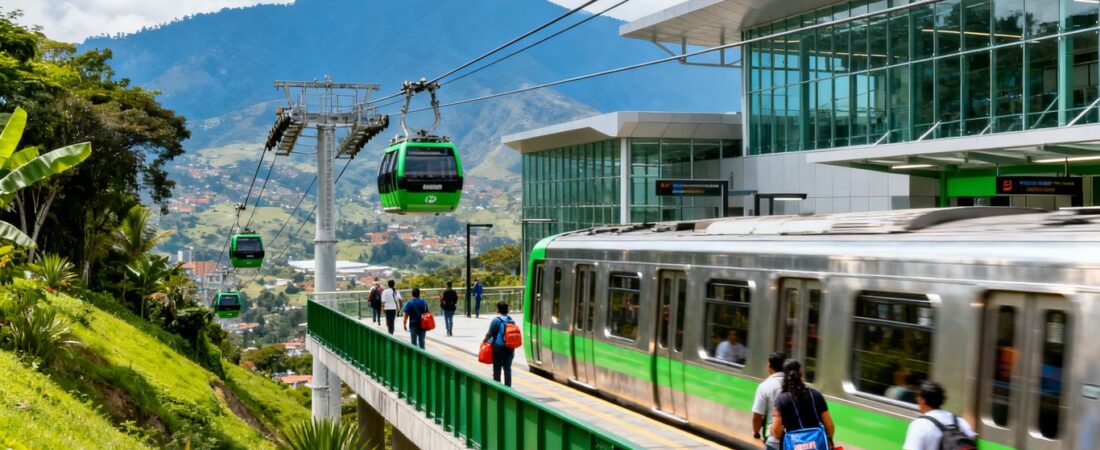
The Metro connects central areas with northern and southern parts of the Aburrá Valley. It also links with Metrocable, tram, Metroplús, and feeder services. We can reach museums, markets, neighborhoods, and meeting points without relying on unfamiliar street routes. For broader orientation, this Medellín transport overview explains the system’s main rail lines and stations.
The system can be busy, especially around central stations and during commuting hours. We should treat it like any major city network. Keep moving with purpose, but stop beside a wall or open area when checking directions.
When to travel for a calmer journey
Mid-morning and mid-afternoon are usually easier periods for visitors who have flexible plans. Trains and platforms become more crowded during weekday morning and evening commutes. Weekend conditions vary by station, event, and destination.
We should avoid rushing for the last train or making a complicated transfer late at night. If a journey ends after dark, plan the final walk before boarding. A short ride or prearranged pickup may be preferable for the last segment.
Which personal safety habits matter most
We should carry only what the journey requires and keep important documents secured. Phones are safer inside a closed pocket or bag than in an open hand near station entrances. Backpacks should remain closed and positioned where we can feel them.
A few simple habits reduce distractions during the trip:
- Check maps before entering a crowded platform.
- Keep wallets in front pockets or closed compartments.
- Avoid displaying large amounts of cash.
- Stay aware when someone creates unusual distraction.
These habits are practical rather than alarmist. Quiet awareness matters most because it lets us notice changes without making every interaction feel threatening.
What to do if another passenger causes concern
If someone follows us, repeatedly crowds us, or tries to distract us, we should move toward other passengers or Metro personnel. We should not confront the person or continue into an isolated area. Entering a staffed station zone can create distance and provide immediate support.
We can also change carriages at the next station if conditions allow. Tell a staff member what happened, including the station and approximate time. Trusting our judgment is sensible when behavior feels deliberately intrusive.
How to plan your route before entering a station
A safe journey begins before we reach the turnstiles. We should identify the starting station, direction, transfer points, and final stop. Route planning reduces the need to stand still with a phone out in busy areas.
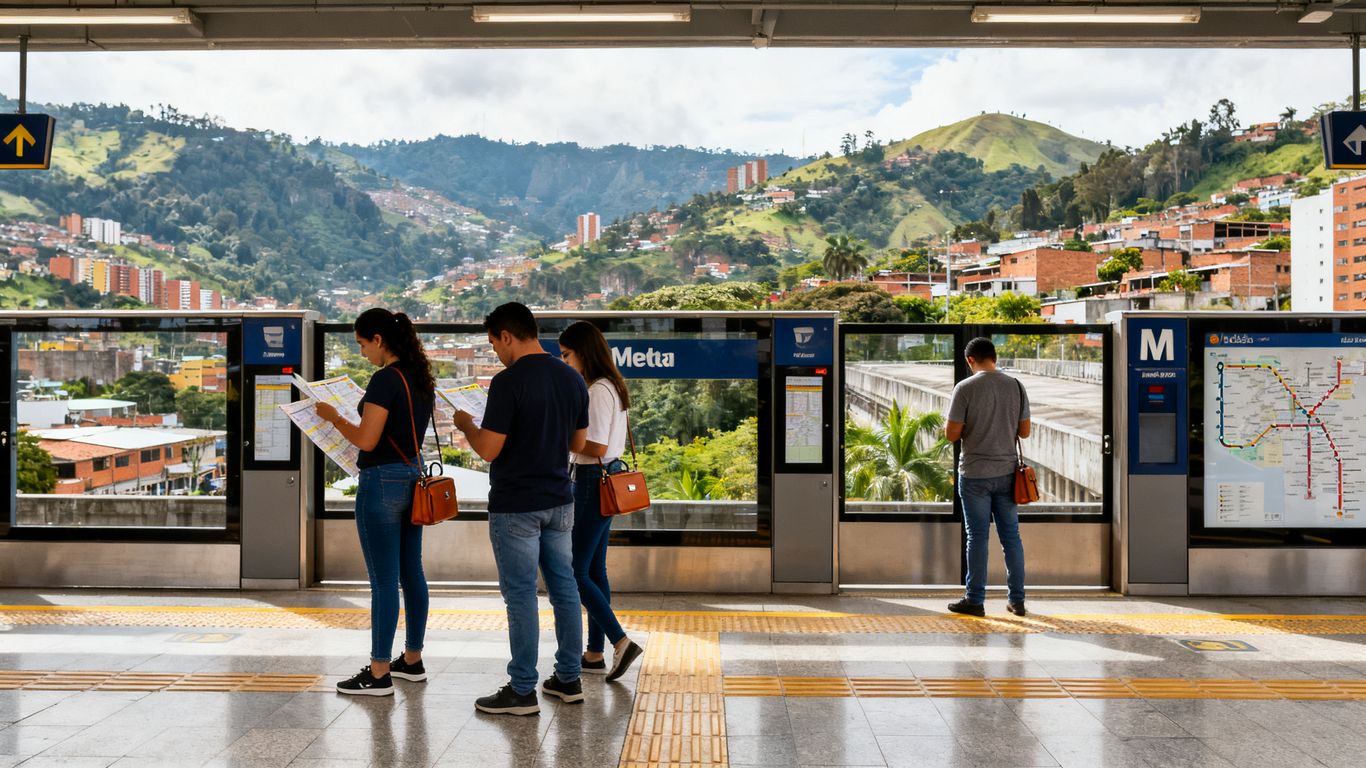
Checking the Metro, Metroplús, and Metrocable network
The Metro network works with several connecting services, so a route may involve rail, cable car, tram, or bus. We should check the complete journey rather than assuming the train reaches the destination directly. This Cívica travel guide gives useful background on integrated services and contactless travel.
Station maps and official service information should take priority over old screenshots or outdated blog posts. When a route includes a cable car, we should confirm operating hours and whether a separate fare or transfer applies.
Identifying transfer stations and final stops
Before boarding, we should confirm both the line direction and the final station shown on the train or platform display. Knowing the final stop helps us choose the correct side of a split route. It also prevents a late transfer when we are already tired.
Write down the transfer station and destination in a note on our phone. We can then check it discreetly before leaving the train. If uncertain, ask staff rather than following another traveler’s route.
Allowing extra time for queues and connections
A route that looks short on a map can take longer during busy periods. Queues may form at ticket offices, turnstiles, transfers, and cable-car boarding areas. We should add time for finding the correct entrance and walking between platforms.
A useful planning table looks like this:
| Journey element | What to allow for | Safer planning habit |
|---|---|---|
| Station entrance | Finding the correct access point | Check the station name first |
| Ticket purchase | Queues and card recharging | Arrive before the planned departure |
| Transfer | Walking and platform changes | Note the connecting line |
| Metrocable | Boarding queues and waiting | Avoid scheduling a tight connection |
The goal is not to predict every delay. Extra time simply keeps us from rushing, crowding doors, or checking directions while moving through a bottleneck.
Confirming service updates before departure
We should check for planned closures, maintenance, protests, events, or weather-related changes before leaving. Information can change during the day, so a second check is useful before the return journey. Station staff can clarify changes that are not obvious on a map.
If service stops unexpectedly, we should remain in a staffed area and review alternatives calmly. Avoid accepting unsolicited transport offers from strangers. Use known pickup points and verify the vehicle before entering.
How to pay fares and enter the system
Fare procedures can change, and the correct payment choice depends on our trip length. We should confirm current prices at an official station source rather than relying on an old travel post. Keeping payment simple also reduces time spent handling cash near entrances.
Choosing between a Cívica card and other payment options
Cívica is a rechargeable contactless card used across parts of the integrated transport system. Visitors should ask at a station ticket office which card or ticket option fits their journey. The available choice may depend on whether we need one trip or several connections.
We should confirm whether the selected fare covers the planned transfer. This is especially useful when combining Metro, cable, tram, and bus services. The integrated transport guide provides additional background, but current station information should govern the purchase.
Buying or recharging a travel card
At a station, we should keep our route and payment ready before reaching the counter. Count cash discreetly and place the card in a secure wallet or pouch after recharging. Avoid leaving it on the ticket machine or holding it loosely while walking away.
If a machine or turnstile rejects the card, step aside and ask an employee for help. Repeatedly trying the same gate can create a queue and expose our belongings. We should never share a card or payment PIN with another passenger.
Understanding fares and fare changes
Fares can differ by passenger category, card type, route, and connected service. Special routes may have different conditions, so we should ask before entering if the journey includes Metrocable or a feeder service. A small amount of extra credit can prevent a stressful stop during a transfer.
We should keep receipts or note the recharge amount when practical. If the balance appears incorrect, report it promptly at the station. Avoid purchasing unofficial tickets from people outside the system.
Keeping your card, phone, and wallet secure
Use one accessible but closed pocket for the card, and keep the phone somewhere separate. That arrangement prevents us from exposing every valuable item during each entry. We should also avoid placing a wallet in a back trouser pocket.
When traveling with a group, one person can handle the route while another watches the bags. This reduces fumbling at turnstiles. Once inside, move away from the gate so others can pass.
How to navigate stations and trains safely
Stations become easier when we read signs before following the crowd. We should identify the platform, line direction, and exit number without blocking walking paths. A calm pace is safer than trying to board the first arriving train.
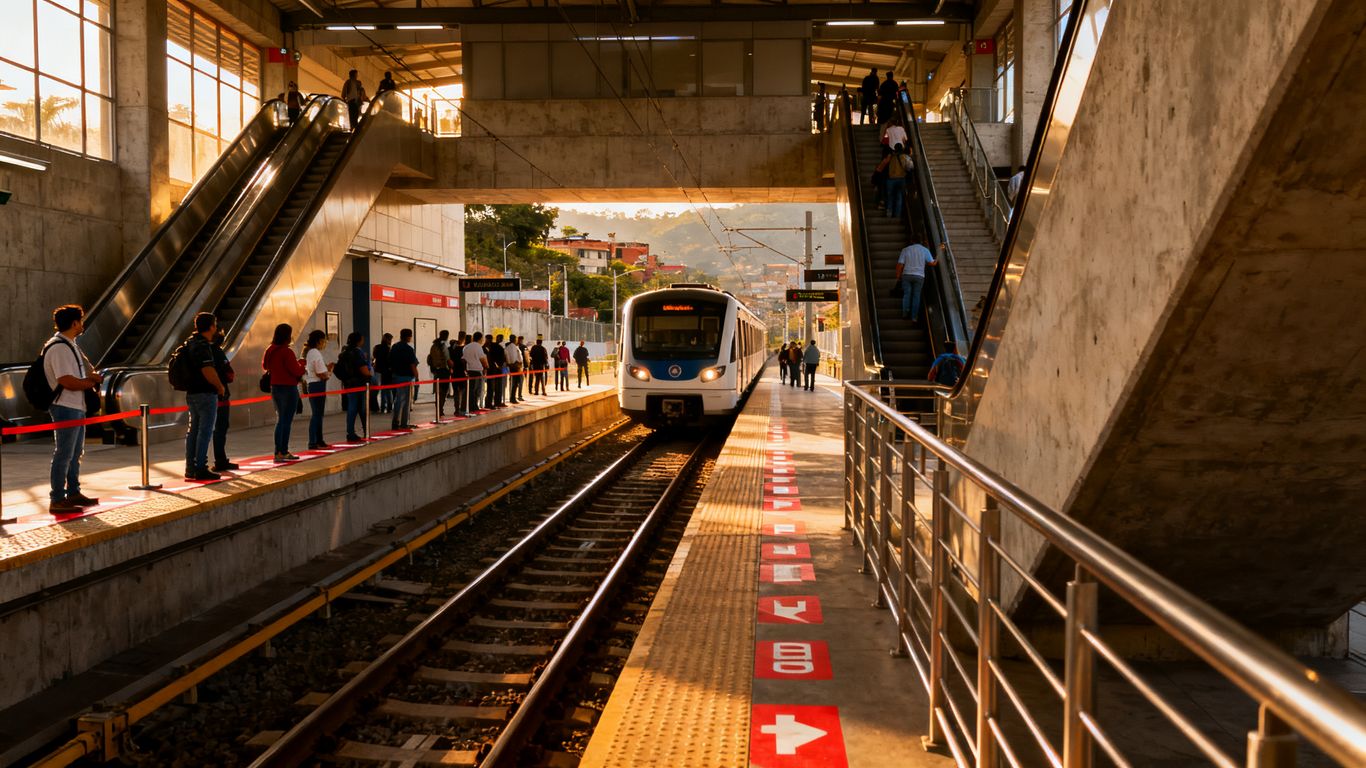
Reading platform signs and station names
Station names can sound similar, and some journeys require a transfer. We should compare the station sign with our written destination before crossing a platform. If the sign is unclear, ask a uniformed employee near the entrance or platform.
We should also notice the direction of travel, not only the line letter. This prevents boarding a train that uses the correct line but travels away from our destination. Keeping a short list of intermediate stations can help confirm progress.
Waiting behind platform safety markings
We should stand behind the marked safety line and keep children close to an adult. Bags should remain away from the platform edge. When trains arrive, wait until the carriage has fully stopped before stepping forward.
Do not lean over the edge to look for an approaching train. If an object falls onto the track, notify staff instead of retrieving it. The same rule applies when a child drops a toy or phone.
Boarding without blocking passengers
Let passengers leave before we enter. We should stand to one side of the doorway and move deeper into the carriage after boarding. Holding the door or stopping in the entrance creates pressure and can separate companions.
During crowded trips, keep bags low and close. We should use handrails when standing and avoid leaning against doors. If the carriage is too full, waiting for the next train is often the better choice.
Handling crowded trains and escalators
On escalators, hold the handrail and keep luggage stable. We should avoid stopping at the top or bottom, where arriving passengers need space. At crowded platforms, remain with our group and agree on a meeting point.
If separated, wait at a preselected station landmark rather than searching through every carriage. This reduces unnecessary movement and phone use. Staff can help reunite travelers who become separated.
How to protect your belongings during the journey
Most problems begin when attention shifts toward a map, conversation, or open bag. We should keep valuables secured before entering crowded areas. The safest approach is consistent, low-key awareness rather than visible suspicion toward everyone nearby.
Where pickpocketing risks are most likely
We should pay closer attention at entrances, ticket queues, transfers, escalators, and train doors. These areas compress movement and create natural distractions. Crowds near popular attractions can also make it harder to notice a bag opening.
Keep passports and spare cards in a concealed travel pouch. Carry only limited cash for the day. We should avoid leaving phones on café tables or station benches while planning the next stop.
How to carry phones, cameras, and backpacks
Use a closed crossbody bag in front of the body or a backpack with secure zippers. Cameras should return to the bag after use, especially near entrances and platforms. We should not hang a phone from a loose lanyard where it can be grabbed.
When photographing views from a cable car, keep the camera strap and bag firmly secured. Pause in a safe place before reviewing images. A simple routine prevents sightseeing from becoming a distraction.
Why open doors and crowded platforms require attention
Train doors create brief moments of pressure as passengers enter and exit. A person may use that movement to brush against a bag or create confusion. We should keep zippers closed and avoid placing valuables in coat pockets.
The final seconds before doors close deserve particular attention. If we are not fully aboard, let that train go. Missing one train is safer than forcing our way through a closing doorway.
What to do if something is stolen
Tell Metro staff as soon as possible and record the station, carriage, direction, and approximate time. We should block bank cards and device access remotely if necessary. A police report may be useful for insurance or replacement documents.
Do not chase the suspected thief through the system. Move to a staffed location and protect remaining belongings. For general travel planning, our safe market visit guide also discusses cash handling and awareness in busy public spaces.
How to use Metrocable and connecting services responsibly
Metrocable is part of the transport network, not simply a sightseeing ride. We should follow station instructions, respect queues, and remain aware when arriving in unfamiliar hillside areas. Planning the return trip matters because services and neighborhood conditions may differ from the center.
Understanding Metrocable boarding and transfers
We should confirm the cable line, transfer station, and final destination before joining the queue. Follow the marked circulation route and wait for staff instructions. This Line J Metrocable guide explains how that line connects with the wider system.
Cabins may load continuously, but we should never hold a cabin for a companion. Keep bags inside and avoid leaning against doors. At transfer stations, follow signs rather than assuming every platform serves the same direction.
Staying aware at hillside and outer stations
Outer stations can feel quieter after busy central stops. We should stay on established routes and avoid wandering with a phone displayed. If meeting a driver or guide, agree on the exact pickup point before arrival.
Daylight can make orientation easier, particularly when we plan to walk after leaving the cable car. We should also check the return schedule before beginning an activity. A full battery and offline route note are useful precautions.
Using Metroplús and feeder routes
Connecting buses may use different boarding areas and stop patterns. We should confirm the route number, direction, and destination before boarding. Ask an employee or driver for clarification when several buses appear similar.
Keep bags close while waiting and avoid standing alone at an empty stop. For a wider view of connected modes, our public transport basics explain how rail, cable, and bus services fit together.
Choosing a safe route after leaving the station
The safest final route is usually the one we have checked in advance. Choose a visible street with regular activity and use a recognized pickup point when traveling by car. We should avoid accepting rides from unverified people outside the station.
At night, travel with companions when possible and keep the phone away while walking. If the route suddenly feels isolated, return to the station or enter a busy business. Plans can change without making the whole journey unsafe.
What to do during disruptions or emergencies
Delays and closures are inconvenient, but rushing can increase risk. We should remain behind safety markings, follow staff directions, and avoid crowding blocked gates. A calm response gives us more time to choose a reliable alternative.
Responding to delays, closures, and crowded platforms
Move away from the platform edge if a train is delayed or a crowd gathers. We should not push toward doors or climb barriers. Check official announcements and ask staff which exits or replacement connections remain open.
If the station becomes uncomfortably crowded, move to a wider area when directed. Keep companions together and establish a simple meeting point. We can review other planning resources, such as digital marketing tools, later, rather than using a congested platform for unrelated tasks.
Finding Metro staff and security personnel
Station employees, security personnel, and ticket-office staff are the first people to approach. Describe the issue clearly and identify the station, line, and direction. If language is difficult, show the destination or write down the key details.
Stay in a visible staffed area while waiting for assistance. We should avoid following an unknown person who offers unofficial help. For concerns about account security outside transport, a separate managed IT services guide covers a different type of risk and is not a Metro resource.
Contacting local emergency services
For an immediate threat, serious injury, or urgent medical problem, contact local emergency services and alert nearby staff. Give the station name, platform, carriage, and direction whenever possible. We should follow instructions from responders and avoid interfering with their work.
If there is no immediate danger, use the station’s reporting channels first. Keep emergency contacts accessible before traveling. We should also tell a trusted companion where we are if separated.
Reporting lost property or suspicious behavior
Report lost items promptly, even if we think they may be recoverable. Include identifying details, the last location, and the time we noticed the loss. We should secure accounts and cards while staff record the report.
Suspicious behavior should be described objectively rather than exaggerated. Note clothing, location, actions, and direction of travel if safe. We should never investigate personally or accuse someone without evidence.
For unrelated online-safety reading, our Plinko safety guide discusses recognizing scams, while a daily MuscloPro routine addresses supplement use. Neither resource replaces instructions from Metro staff or emergency responders.
Conclusion
We can use Medellín’s Metro safely by planning the route, allowing extra time, securing valuables, and asking staff for help early. Staying calm and attentive makes transfers, trains, Metrocable, and connecting services easier to manage.
Frequently Asked Questions
Is the Medellín Metro safe for visitors?
It is generally practical for visitors who use ordinary urban safety habits. We should stay alert in crowds, secure valuables, and follow staff instructions.
What should we avoid carrying on the Metro?
Carry only the documents, cards, and cash needed for the journey. Keep expensive devices concealed when they are not in use.
Is a Cívica card necessary for tourists?
The best payment option depends on the number of trips and connections planned. We should ask at the station which current option covers our route.
How early should we arrive at a Metro station?
Arrive early enough to find the entrance, buy or recharge a card, and locate the platform. Add more time for transfers and Metrocable queues.
What should we do if we miss our stop?
Leave at the next station and check the route from a safe, stationary place. Ask staff for directions rather than boarding randomly.
Can we use Metrocable as part of a Metro journey?
Yes, some cable-car journeys connect with the wider transport system. We should confirm the line, transfer, operating conditions, and fare before entering.
What is the first step after a theft?
Move to a staffed location and report the incident promptly. Block cards and device access, then record the time, station, and carriage details.