
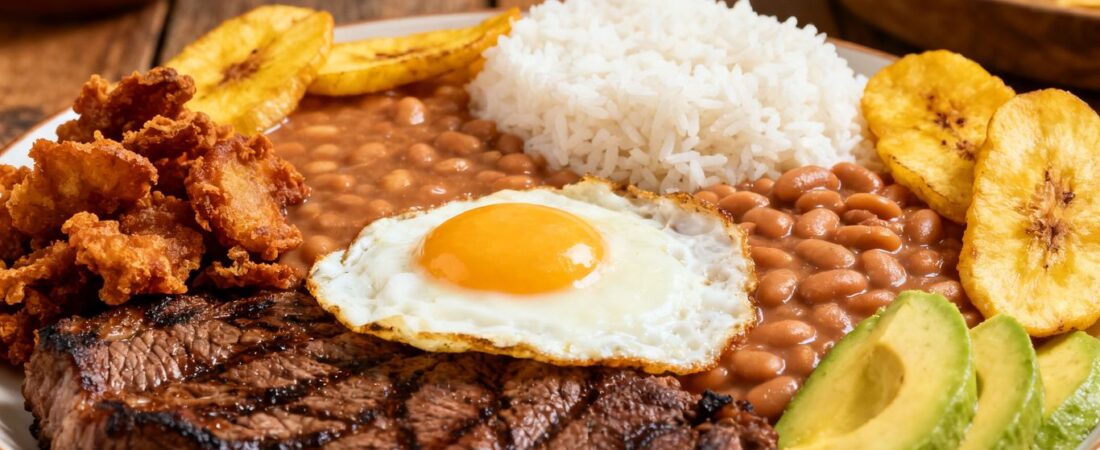
When you set out to find the best traditional Bandeja Paisa in Medellin, keep these key points in mind. This iconic dish is a cornerstone of local cuisine, and understanding its components will help you appreciate its richness and flavor.
Key Takeaways
- Bandeja Paisa is a very large, filling meal packed with many different foods.
- Its main parts include rice, beans, chicharrón, chorizo, plantain, and a fried egg.
- Each ingredient has a role, from providing energy to adding different textures and tastes.
- Finding a great Bandeja Paisa means looking for places that honor the traditional recipe.
- Enjoying this dish is a way to connect with the local culture and history of Medellin.
1. Bandeja Paisa
The Bandeja Paisa is the quintessential Colombian dish from the Antioquia region. It is a massive platter designed to be incredibly filling. We consider it a true taste of local culture. This dish is more than just food; it’s a statement of abundance.
Its origins trace back to the demanding work of 19th-century miners and farmers. They needed a meal packed with energy to sustain long, hard days. The Bandeja Paisa provided that necessary fuel. It became a symbol of the region’s resilience and generosity.
We often see it referred to as the national dish of Colombia. It represents the hearty, abundant spirit of the Paisa people. Eating it is an experience, a connection to history. You can find excellent versions at places like Hacienda.
What exactly makes up this famous platter? It’s a combination of several distinct elements, each contributing to the overall hearty nature of the dish. We’ve broken down the typical components below:
- White Rice
- Red Beans (slow-cooked)
- Ground Meat (carne molida)
- Chicharrón (crispy fried pork belly)
- Fried Egg
- Fried Ripe Plantain (tajadas)
- Chorizo
- Arepa
- Avocado
This dish is a caloric powerhouse. It offers a mix of carbohydrates, proteins, and fats. It is designed for sustained energy and satisfaction. We think of it as a complete meal in one serving.
While incredibly substantial, it’s traditionally eaten as a main meal, often lunch or dinner. It’s not typically a breakfast item for most. Trying a Bandeja Paisa is a must for anyone visiting Medellín. It offers a deep dive into local culinary traditions. You can explore other dining options in the city, including those with tasting menus at places like Carmen and El Cielo.
2. Chicharrón
Chicharrón is a key component of the Bandeja Paisa. We find it to be crispy fried pork belly. It adds a satisfying crunch to the dish. This element provides a rich, fatty texture that contrasts with other ingredients. It is a common sight on many Colombian plates.
Making good chicharrón requires careful preparation. The pork belly is typically scored and then slow-cooked or boiled. This process renders out much of the fat. It is then fried until the skin becomes incredibly crisp. The result is a tender interior with a brittle, golden exterior. We often see it served in generous chunks.
We’ve noticed that the quality of chicharrón can vary. Some are perfectly puffed and airy. Others can be a bit too dense or greasy. When done right, it is a true delicacy. It’s a testament to simple ingredients prepared well. We think it’s one of the most addictive parts of the meal. You can find great examples at many local restaurants serving authentic bandeja paisa.
The preparation involves rendering the fat from the pork belly. This step is crucial for achieving the signature crispiness. It’s a process that demands patience and attention to detail. The final product should be light and crunchy, not heavy or tough.
3. Chorizo
The chorizo is a key component of the Bandeja Paisa. We find this cured sausage adds a distinct, savory flavor. It is typically made with pork and seasoned with spices.
This sausage is usually fried until crispy. It offers a different texture and taste profile. We often see it alongside other meats on the platter. It’s a common element in Colombian cuisine.
We can find regional variations in chorizo preparation. Some are spicier than others. The spices used can include paprika, cumin, and garlic. This sausage is a flavorful addition to the meal. It complements the other rich ingredients well. We appreciate its smoky notes. It’s a staple in many Colombian dishes. You can find it at local markets. It’s a taste of traditional Colombian food.
4. Arepa
The arepa is a fundamental part of the Bandeja Paisa. These cornmeal patties are a staple in Colombian cuisine. We eat them daily. They are made from ground maize dough.
Arepas can be prepared in several ways. They are often grilled, baked, or fried. For Bandeja Paisa, we usually see them grilled or pan-fried. They serve as a base for other ingredients. They also help soak up the flavors on the plate.
We often find arepas served with butter or cheese. Some variations include stuffing them. The arepa’s texture can vary. A good arepa is slightly crisp outside. The inside should be soft and moist. It is a versatile food item.
The arepa is more than just a side dish. It is a cultural icon. It represents the heart of Colombian food traditions. Its simple ingredients belie its importance.
We can find different types of arepas across Colombia. The arepa served with Bandeja Paisa is typically plain. It is meant to complement the other rich flavors. It is a simple yet satisfying component. We can also find stuffed arepas, like the arepa de huevo [bb9e]. This is a different preparation.
Here are some common ways arepas are served:
- Plain with butter
- With cheese
- As a base for toppings
- Stuffed with fillings
- Alongside hearty meals like Bandeja Paisa
5. Plantain
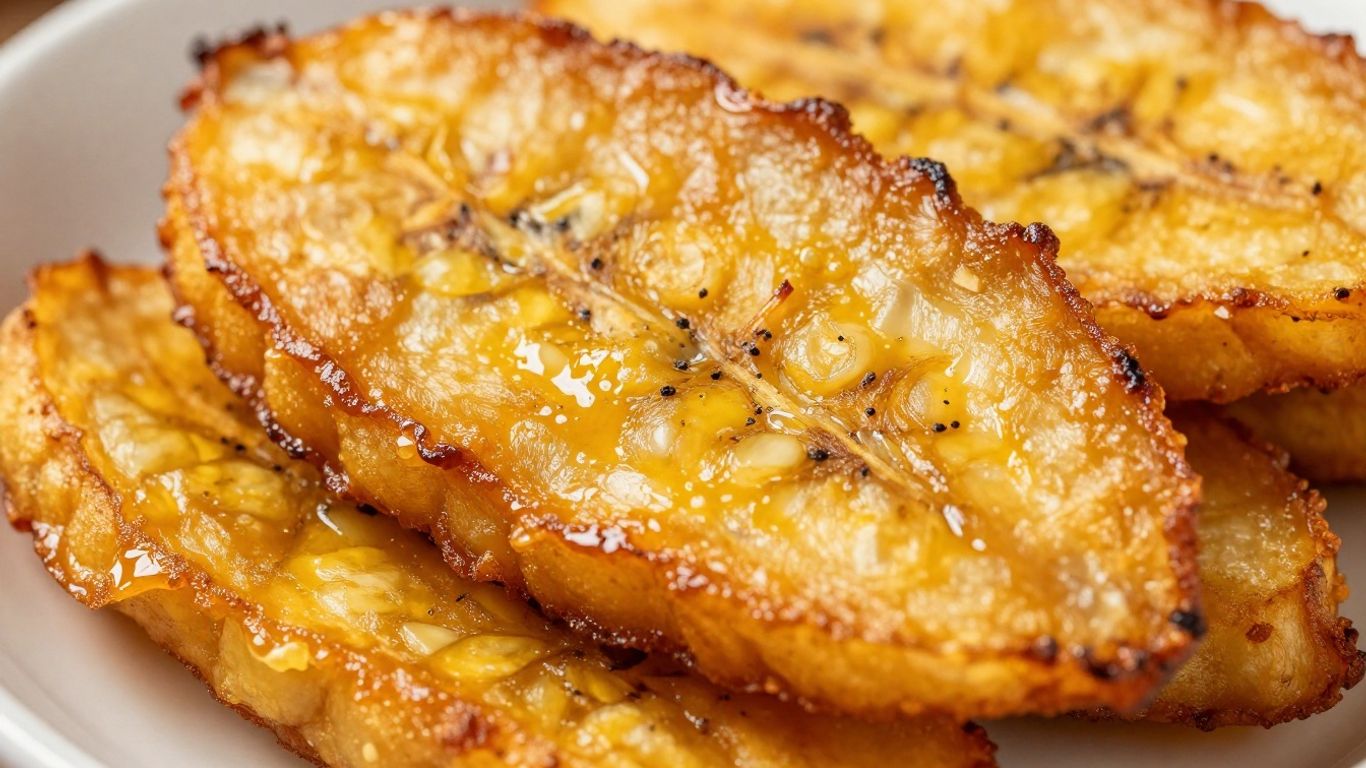
Plantain is a key element in the traditional Bandeja Paisa. We always make sure sweet, ripe plantain is included, fried until it’s golden and caramelized. This balances the heavier meats and beans, adding both sweetness and texture to the plate.
The classic approach is "tajadas", which are plantain slices pan-fried until the edges crisp up. We rely on local markets for ripe plantains, which should have mostly blackened skins. These are never served green or undercooked.
- Adds natural sweetness
- Supports balance between savory and sweet
- Usually served in long slices
- Always fried, never baked or boiled
For those exploring Colombian cuisine for the first time, you’ll notice plantain features heavily in many dishes, not just Bandeja Paisa. Its presence bridges the gap between hearty proteins and the lighter items like arepa and avocado. Sometimes you’ll see platanos maduros paired with eggs, rice, or even just beans, especially at local breakfasts. To get a feel for how platanos maduros are done elsewhere in Colombia, check out the way they’re prepared in classic Colombian breakfast side dishes.
In our experience, a good fried plantain should be soft inside with a slightly crisp, caramel-flavored crust. No single component of Bandeja Paisa stands alone — the plantain always brings the plate together, bite after bite.
6. Avocado
Avocado is a key component of the Bandeja Paisa. It adds a creamy texture and a fresh flavor. We often see it served as a half or sliced on the side. This fruit provides a cool contrast to the hot, savory elements of the dish. Its mild taste complements the richness of the meats and beans.
We appreciate the avocado for its healthy fats. It also adds a vibrant green color to the plate. This fruit is a staple in Colombian cuisine. It’s readily available in local markets year-round.
The smooth, buttery texture of the avocado is essential. It balances the crispy chicharrón and the hearty beans. It’s a simple addition that makes a big difference.
We find that the quality of the avocado can vary. Look for one that is ripe but not overly soft. A good avocado will mash slightly when pressed gently. It should have a deep green color.
Avocado is also a popular ingredient on its own. We enjoy it in salads, sandwiches, and as a simple spread on toast. Its versatility makes it a favorite. It’s a healthy choice for any meal. You can find great avocado dishes throughout Medellín.
7. Rice
The rice in a Bandeja Paisa is usually plain white rice. It serves as a neutral base for the other strong flavors. We often see it cooked simply. It is not typically seasoned heavily. This allows the other components to stand out. It is a staple in many Colombian meals. We find it in many local dishes. It provides necessary carbohydrates. This helps make the meal filling. It’s a key part of the Bandeja Paisa experience. We eat it with a spoon. Sometimes we use it to scoop up beans. It complements the richness of the meat. It also balances the fried elements. We can also find rice in dishes like Arroz Paisa. That dish mixes many Bandeja Paisa ingredients together. The rice there is cooked with those flavors. For the Bandeja Paisa itself, it’s usually separate. We can find it at most restaurants. It’s a simple but important part of the plate. We appreciate its role in the dish. It helps soak up sauces too. We often see it piled high. It’s a generous portion. We think of it as the foundation. It holds everything together. We enjoy it with every bite. It’s a familiar taste. We can also find it at local markets. It’s a common sight. We eat it daily. It’s a comfort food for many. We appreciate its simplicity. It makes the meal complete. We can also find it at local markets. It’s a common sight. We eat it daily. It’s a comfort food for many. We appreciate its simplicity. It makes the meal complete.
8. Beans
The beans in Bandeja Paisa are slow-cooked red beans, usually simmered with pork and spices. They form half of the classic rice-and-beans foundation and bring deep, comforting flavor. We always see a generous scoop, often soupy, and never skimped on the plate.
Locally in Medellin, we notice beans vary by restaurant. Sometimes there’s extra pork skin or even a slightly sweet touch from green plantain in the broth.
Typical qualities of authentic Bandeja Paisa beans include:
- Silky, almost creamy texture
- Subtle seasoning with garlic and spring onion
- Cooked in a clay pot for richer taste
| Feature | Detail |
|---|---|
| Color | Deep reddish-brown |
| Main meat added | Pork rind or belly |
| Usual consistency | Thick and broth-like |
In many Paisa households, the beans are started a day ahead, letting flavors soak in. That overnight rest really sets Medellin’s Bandeja Paisa apart from hurried versions in other regions.
9. Fried Egg
The fried egg is a standard component of the Bandeja Paisa. It is typically served sunny-side up. This preparation allows the yolk to remain slightly runny. We often break the yolk to mix it with the other ingredients. This adds a creamy texture and extra richness to the dish. It’s a simple addition that significantly enhances the overall flavor profile. We find it balances the saltier elements on the plate. It’s a key part of the complete Bandeja Paisa experience. You can find great examples of this dish at many local eateries across the city. Exploring these places is part of our culinary journey through Medellin.
10. Hogao Sauce
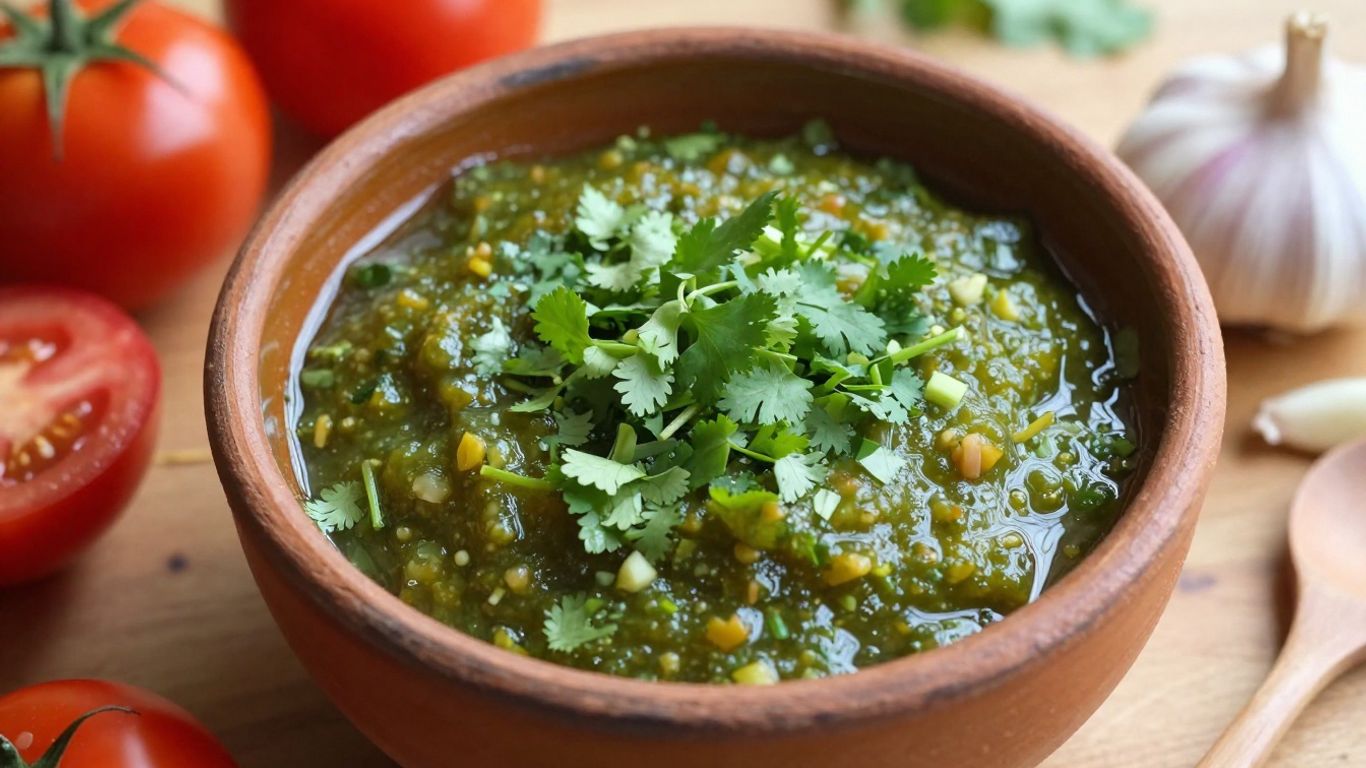
Hogao is a fundamental Colombian sauce. It forms the flavor base for many dishes, including Bandeja Paisa. We often see it served alongside the main meal. This simple sauce adds moisture and depth.
This sauce is a mix of tomatoes, onions, and garlic. We cook these ingredients down slowly. The result is a rich, savory condiment. It is not spicy but flavorful. We use it to top meats and beans. It also complements the rice and plantains. You can find hogao in most traditional Antioquian kitchens. It is a staple in Colombian cuisine [d480].
We prepare hogao by sautéing finely chopped onions and garlic. Then, we add crushed tomatoes. The mixture simmers until it thickens. We season it with salt and cumin. Sometimes, a bit of cilantro is added at the end. The consistency is important. It should be thick enough to coat food. It should not be watery.
We can make hogao ahead of time. It stores well in the refrigerator. This makes it convenient for busy cooks. We often make a large batch. It is versatile and used frequently. It is a key component of many Colombian meals. We also see it with arepas and eggs.
Conclusion
Exploring the best traditional Bandeja Paisa in Medellin is more than just eating; it’s a deep dive into the heart of Paisa culture. Each component tells a story of the region’s history and its people’s connection to the land. We’ve walked through the essential elements that make this dish a true icon. So, when you’re in Medellin, don’t miss the chance to experience this hearty, flavorful platter. It’s a taste of tradition you won’t soon forget, a true culinary adventure that satisfies both hunger and curiosity. We hope this guide helps you find your perfect Bandeja Paisa experience in the city.
Frequently Asked Questions
What exactly is a Bandeja Paisa?
A Bandeja Paisa is a huge platter loaded with many different foods. Think of it as a sampler of classic Colombian flavors all on one plate.
What are the must-have ingredients in a real Bandeja Paisa?
You absolutely need rice, beans, crispy pork belly (chicharrón), chorizo sausage, fried plantain, and a fried egg. These are the core parts of the dish.
Is Bandeja Paisa a heavy meal?
Yes, it’s known for being very filling. It was originally made for workers who needed a lot of energy. Most people share it or eat it for lunch so they have time to digest.
Where can I find the best Bandeja Paisa in Medellin?
Many local restaurants, especially those focusing on traditional Antioquian food, serve great Bandeja Paisa. Look for places that have been around for a while and are popular with locals.
Can I customize my Bandeja Paisa?
While the traditional recipe is quite set, some places might let you swap out a minor item. However, to get the authentic experience, it’s best to try it as it’s traditionally served.
What makes Bandeja Paisa special to Medellin?
It’s the signature dish of the Paisa region, which includes Medellin. It represents the area’s food traditions and the hearty appetite of its people, making it a symbol of local pride.