
Key Takeaways
The local artisan market sabaneta park is easiest to enjoy with flexible timing and practical expectations.
- Check the current market schedule before travelling.
- Expect stalls around the central park, not one enclosed hall.
- Carry Colombian pesos and small bills.
- Compare similar items before buying.
- Combine the market with plaza dining and an evening walk.
Where the market is and what to expect
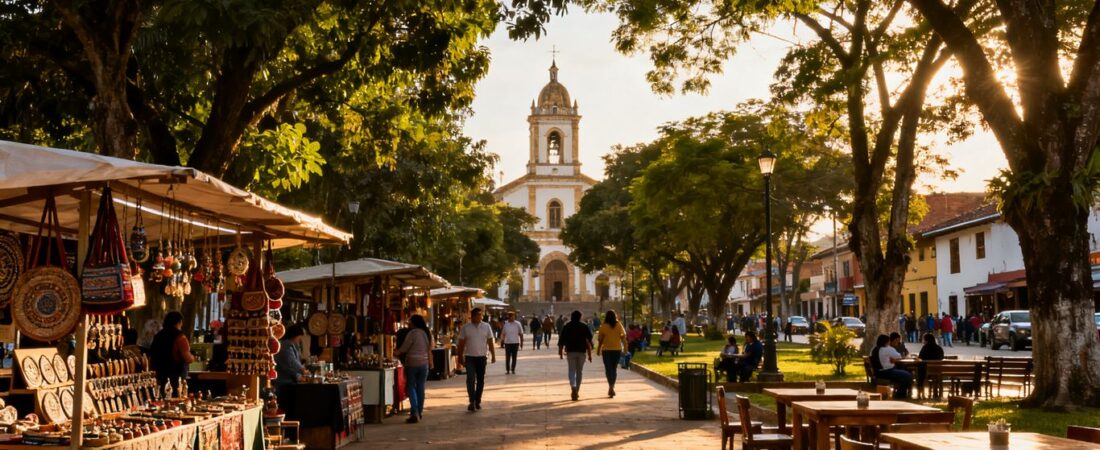
The local artisan market sabaneta park usually refers to craft stalls around Parque Sabaneta in the town center. We should treat it as a flexible outdoor market rather than a permanent retail complex. The park itself is a compact public plaza surrounded by restaurants, shops, and streets used for local events. For broader context, our Sabaneta local guide covers the municipality, food, transport, and general visitor planning.
Sabaneta Park’s location within the town center
Parque Sabaneta sits in the central part of Sabaneta, south of Medellín and close to the main commercial streets. The plaza is small enough to cross on foot in a few minutes, which makes it a useful meeting point. We can use the church, central plaza, and surrounding restaurants as visual references when orienting ourselves.
How the artisan market fits around the park
Craft sellers typically use the streets and edges around the park when market activity is scheduled. That means the exact stall positions may change, and some vendors may appear only for particular events. The market works best as part of a short town-center walk rather than as a destination requiring an entire day.
Typical market layout and walking distances
Most visitors can circle the park, inspect nearby stalls, and reach cafés without needing transport between stops. The central plaza is compact, while the surrounding blocks offer more shops and food options. We should allow extra time for browsing, since a small stall can take longer than expected when we want to compare materials or ask about a handmade piece.
Differences between market days and regular weekdays
Market days generally bring more temporary stalls, food vendors, and families into the area. On a regular weekday, the park may feel quieter, with fewer craft displays and more emphasis on ordinary local commerce. A useful rule is to plan around the event date rather than assume that the same market appears every day.
What you can buy at the local artisan market
The local artisan market sabaneta park can offer small Colombian gifts, decorative objects, snacks, and locally designed goods. Selection depends on the vendors attending that day, so we should avoid treating any single product as guaranteed. For another Medellín market comparison, this La Minorista market guide explains how a much larger commercial market differs in layout, payment, and navigation.
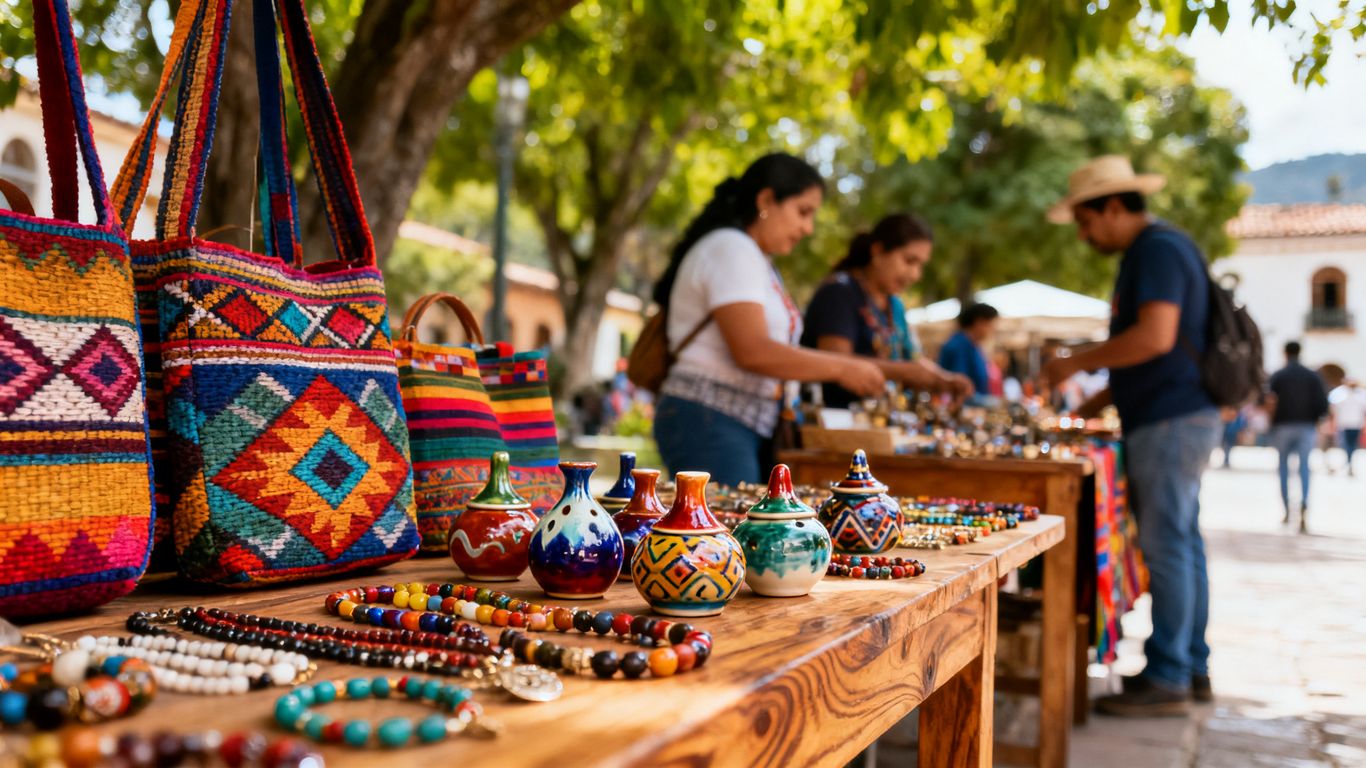
Handmade jewelry, accessories, and small gifts
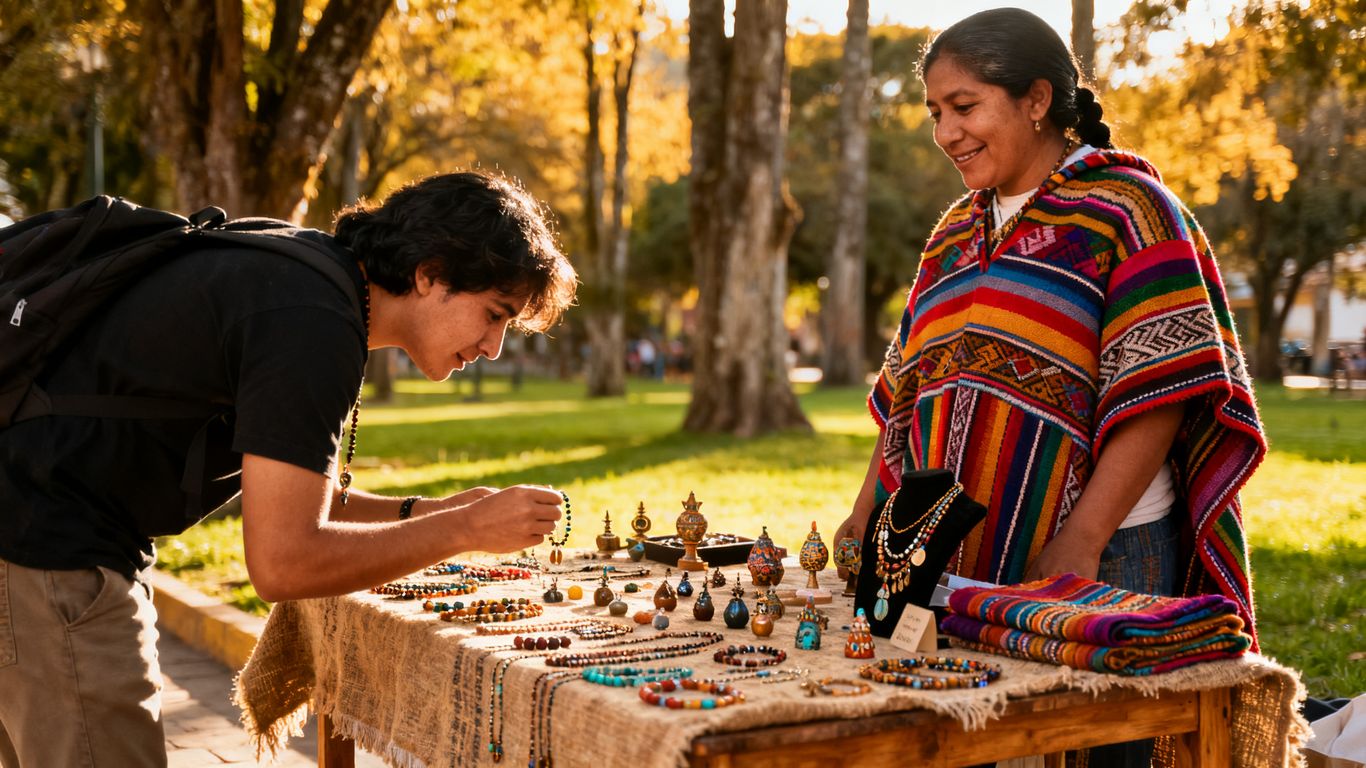
Jewelry, woven accessories, keychains, and small keepsakes are often practical choices because they fit easily into luggage. We should ask what materials were used and whether an item was made locally or sourced elsewhere. Comparing two or three similar pieces can reveal differences in finishing, size, and workmanship.
Colombian crafts, home décor, and decorative pieces
Some stalls may carry carved objects, woven goods, pottery, or small decorative pieces inspired by regional design. These items vary considerably in weight and fragility, so packaging matters if we are flying home. We can ask the vendor how to protect the piece and whether the price includes wrapping.
Regional snacks, sweets, and packaged food products
Packaged sweets, coffee, sauces, and other regional foods can make convenient gifts when labelled and sealed. We should check ingredients, expiry dates, and luggage restrictions before purchasing. A separate exotic fruit market guide is more useful for fresh produce than this craft-focused stop.
Artwork, clothing, and locally designed items
Artwork, printed clothing, and locally designed accessories may appear when independent creators join the market. Sizes, colours, and stock can be limited, especially late in the day. We should inspect seams, prints, and frames before paying, then keep receipts or vendor contact details when available.
When to visit Sabaneta Park’s artisan market
Opening days and hours for the local artisan market sabaneta park may change with municipal events, weather, and vendor schedules. We should confirm the current date instead of relying on an old social media post or travel review. Earlier visits usually provide more browsing time, while later visits can bring a busier social atmosphere.
How opening days and hours may vary
Outdoor markets rarely follow the same timetable as permanent shops. A weekend event may open for only part of the day, and individual sellers may arrive or leave at different times. We should build flexibility into the plan, especially when the market is the main reason for visiting Sabaneta.
The advantages of visiting earlier in the day
Morning visits usually give us cooler conditions, clearer stall access, and more time to compare items. Vendors may also have their full selection before popular pieces sell. We should still verify the start time, since arriving early does not help if the event begins later.
Weekend crowds, weather, and vendor availability
Weekends generally create more foot traffic around the plaza, nearby food stalls, and public spaces. Rain can affect an outdoor market quickly, so a light waterproof layer and protected shopping bag are sensible. Vendor availability is also less predictable than in a fixed shop, particularly during changing weather.
How to confirm current market dates locally
We can check the municipality’s current announcements, ask a nearby café, or confirm with a vendor before making a special trip. Local businesses around the park often know whether an event is planned. This practical approach is also useful when comparing market schedules with the Placita de Flórez visitor guide, which covers a different Medellín market and its timing.
How to shop fairly and confidently
Shopping at the local artisan market sabaneta park is straightforward when we ask clear questions and inspect goods carefully. Prices may reflect materials, labour, size, and finishing rather than just the object’s appearance. A calm comparison usually helps us buy fairly without turning every purchase into a negotiation.
Comparing prices between nearby stalls
We should first walk through several stalls before choosing an item. Similar products can have different prices because their materials or construction differ, but large gaps are worth asking about. The goal is not simply to find the cheapest option, but to understand what we are paying for.
Checking materials, quality, and local craftsmanship
We can examine stitching, joins, clasps, glaze, print quality, and surface damage before purchasing. Asking who made the item and where the materials came from often clarifies its character. Careful inspection saves money and reduces disappointment once we leave the market.
Paying with Colombian pesos and carrying small bills
Colombian pesos are the most practical payment method for small outdoor stalls. We should carry modest denominations, keep larger notes separate, and confirm the price before handing over cash. A simple list helps us manage spending:
- Set a spending limit before browsing.
- Carry small Colombian peso notes.
- Confirm the final price and change.
- Keep purchases secure after paying.
These habits make short transactions easier for both visitors and vendors. They also reduce the need to search for an ATM during a busy market period.
Respecting photography and vendor consent
We should ask before photographing people, work in progress, or close details of handmade products. Some creators may be comfortable with a general market image but not with exact designs being copied. A polite question in Spanish, such as “¿Puedo tomar una foto?”, is usually enough.
How to reach Sabaneta Park
Sabaneta Park is accessible from Medellín by Metro, taxi, rideshare, or a combination of public transport and walking. The most reliable route depends on our starting point, luggage, mobility, and the current traffic. We should check the final walking segment before leaving, especially during rain or crowded weekend periods.
Traveling by Medellín Metro to Sabaneta station
The Medellín Metro’s southern line reaches Sabaneta station, which is the natural rail reference for this visit. From the station, we still need a road connection or a substantial walk to the central park. We should allow time for the transfer rather than assuming the station is directly beside the plaza.
Taking a taxi or rideshare for the final connection
A taxi or rideshare can simplify the final connection from the station or another Medellín neighbourhood. We should confirm that the destination is Parque Sabaneta in the municipality of Sabaneta, not another similarly named place. During busy periods, traffic may make the trip slower than the distance suggests.
Walking from nearby streets and landmarks
Once near the center, walking is usually the easiest way to connect the park, church, restaurants, and market stalls. We should keep phones and wallets secure while navigating crowded sidewalks. Visitors building a longer city plan may also appreciate this Plaza Botero planning guide for a separate central Medellín outing.
Accessibility considerations for visitors with limited mobility
The park’s compact layout can simplify movement, but outdoor stalls may create narrow passages or uneven surfaces. We should check the route from the drop-off point and avoid assuming every vendor area has step-free access. A taxi to the closest practical entrance may be preferable when rain, crowds, or mobility limitations are concerns.
What else to do near the artisan market
Parque Sabaneta works well as one stop in a relaxed half-day, especially when we combine shopping with food and the central plaza. The surrounding streets offer cafés, restaurants, and places to sit after browsing. We should keep the itinerary local rather than adding distant attractions that make the market visit rushed.
Exploring Sabaneta’s restaurants and cafés
Restaurants and cafés around the park make it easy to pause before or after shopping. We can choose a simple snack, coffee, or Antioquian meal according to the time available. For a broader food comparison, this traditional buñuelos guide offers useful context about a popular Colombian snack.
Visiting the church and central plaza
The church and plaza provide an easy cultural extension because they sit within the same central area. We can observe the public space, take a quiet walk, and return to nearby stalls without arranging another ride. The visit feels more complete when we allow time for ordinary town life, not only shopping.
Combining the market with an evening food outing
An evening meal can follow the market naturally, particularly when weekend activity continues around the plaza. We should confirm restaurant hours and keep valuables close during busier periods. If we are planning a separate Medellín food day, this Mercado del Río guide covers a different, more structured dining setting.
Planning a half-day visit around Parque Sabaneta
A practical half-day might include the park, the artisan stalls, a café stop, and an early dinner. We can also reserve another afternoon for a hands-on cultural activity elsewhere in Medellín. The Colombian Cacao Experience in Laureles lasts approximately 3.5 hours and includes roasting raw cacao over fire, peeling and grinding beans on a traditional molino, a cacao ceremony, a chocolate exfoliation ritual, and a signature cacao sour cocktail. It costs 160,000 COP per person, so it is a separate planned activity rather than a quick add-on.
For visitors researching unrelated trip logistics online, specialist pages such as a walking safari guide, a serum selection guide, or a disability insurance comparison may appear in search results. They do not describe Sabaneta, so we should not confuse them with local planning information. The same applies to a ceiling rose product guide and a property sale service, which concern entirely different decisions.
A second option is to schedule the Colombian Cacao Experience on a rainy day after visiting Sabaneta, since the workshop is an indoor activity in Laureles. We should allow separate travel time and reserve the session in advance. Its documented format is focused on cacao preparation and cultural participation, not on shopping at the artisan market.
Conclusion
The local artisan market sabaneta park is best approached as a flexible outdoor stop around a compact town plaza. We should verify the date, carry pesos, inspect goods, ask before taking photos, and leave time for nearby food. With those basics covered, the market can fit comfortably into a simple half-day in Sabaneta.
Frequently Asked Questions
Is the artisan market at Sabaneta Park open every day?
Not necessarily. Outdoor stalls and special events can vary by date, weekend schedule, weather, and vendor availability, so we should confirm locally before travelling.
What can visitors usually buy at the market?
Visitors may find jewelry, accessories, decorative crafts, artwork, clothing, packaged foods, and small gifts. The exact selection changes according to the attending vendors.
Should we carry cash at Sabaneta Park’s artisan market?
Yes, Colombian pesos and small bills are practical for outdoor stalls. We should confirm the price and change before completing each purchase.
Can we negotiate prices with market vendors?
We can ask politely whether a price is flexible, but negotiation should remain respectful. Comparing similar items first gives us a better sense of value.
How do we reach Parque Sabaneta from Medellín?
The Medellín Metro reaches Sabaneta station, followed by a walk, taxi, or rideshare connection to the central park. Travel time depends on the starting point and traffic.
Is the market suitable for visitors with limited mobility?
The park is compact, but outdoor stalls may create uneven or narrow routes. We should check the final approach and arrange a close drop-off when needed.
What else can we do near the market?
We can visit the church and plaza, stop at a café, explore nearby restaurants, and plan an evening meal. These options keep the visit within the central area.