
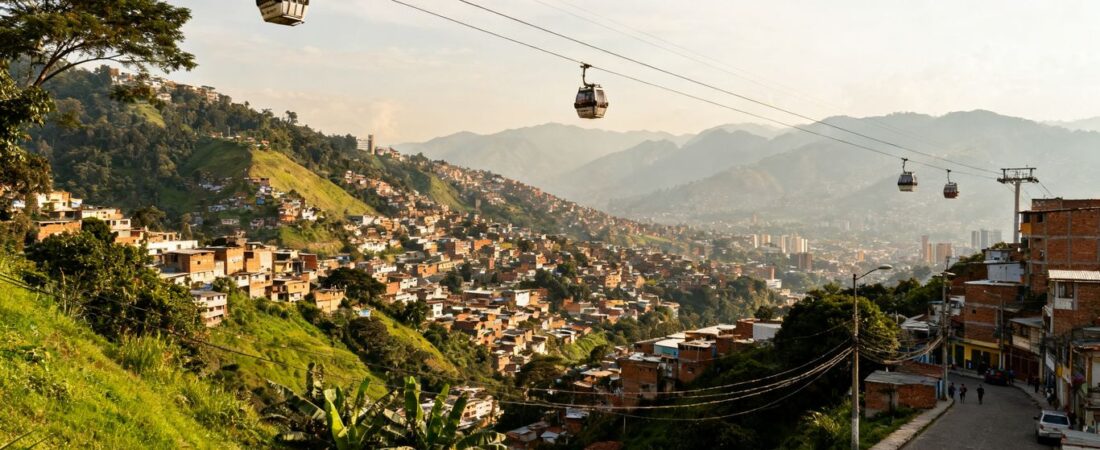
Key Takeaways
Medellín can be explored comfortably on a modest daily budget when we choose walkable areas, use public transit, and plan paid activities selectively.
- We can usually control costs through neighborhood choice, local meals, and Metro travel.
- Laureles offers a practical balance of walkability, dining, and local atmosphere.
- El Poblado is convenient, but accommodation and nightlife usually cost more.
- Free public spaces, museums, viewpoints, and neighborhood walks fill a strong itinerary.
- We should carry Colombian pesos, protect our phones, and use sensible routes after dark.
How much does a budget trip to Medellin cost?
A budget travel guide to medellin colombia should begin with a direct answer: we can travel simply for roughly 120,000 to 220,000 COP per person daily, excluding flights. That estimate covers a bed or basic room, local meals, Metro fares, and mostly free activities. Prices vary with season, neighborhood, exchange rates, and how often we choose restaurants or organized tours.
Typical daily costs for accommodation, food, and activities
A hostel bed often takes the smallest share of a backpacker budget, while a private room raises the daily total quickly. Local breakfasts and lunch specials remain affordable, especially away from nightlife districts. We should also leave room for small purchases, coffee, occasional taxis, and entrance fees.
A realistic low-cost day might include a simple breakfast, a menu del día for lunch, two or three Metro rides, and a free museum or neighborhood walk. A paid workshop or day trip changes the calculation, so we should treat those as separate line items rather than hiding them inside the daily average.
Budget ranges in Colombian pesos and US dollars
Using a rough planning conversion of 4,000 COP to one US dollar, the following ranges provide a useful starting point. Exchange rates change, so we should check the current rate before booking or exchanging money.
| Travel style | Approximate daily cost in COP | Approximate daily cost in USD |
|---|---|---|
| Strict backpacker | 120,000–160,000 COP | $30–$40 |
| Comfortable budget | 160,000–260,000 COP | $40–$65 |
| Budget with paid activities | 260,000–420,000 COP | $65–$105 |
| Private room and frequent taxis | 350,000–550,000 COP | $88–$138 |
These figures exclude international flights and major day trips. They work best as planning ranges, not promises, because accommodation prices can change sharply around festivals and holidays.
When to book flights and accommodation
We should compare several dates before committing, particularly when our schedule is flexible. Accommodation usually offers more savings than trying to predict the perfect airfare, especially when we choose a private room outside the busiest nightlife areas.
Booking early helps during major events, school holidays, and popular weekends. For a longer stay, we can ask about weekly rates, but we should confirm cleaning charges, deposits, cancellation terms, and whether utilities are included.
Extra costs travelers often overlook
Small expenses can quietly overtake a careful budget. Airport transfers, luggage fees, card surcharges, laundry, bottled water, tips, and SIM cards all deserve a line in our notes. Rain can also create extra taxi rides when walking was part of the original plan.
A sensible approach is to reserve 10 to 15 percent for unplanned spending. That buffer protects the rest of the trip when we decide to buy a museum ticket, replace a charger, or accept a late-night ride instead of walking.
Where should budget travelers stay in Medellin?
For most first-time visitors, the best budget base depends on walking habits, nightlife plans, and tolerance for hills. Laureles is often easier for everyday errands, while El Poblado offers dense tourist services at a higher average price. Envigado and nearby residential areas can reduce costs, but they require more attention to transit and evening routes.
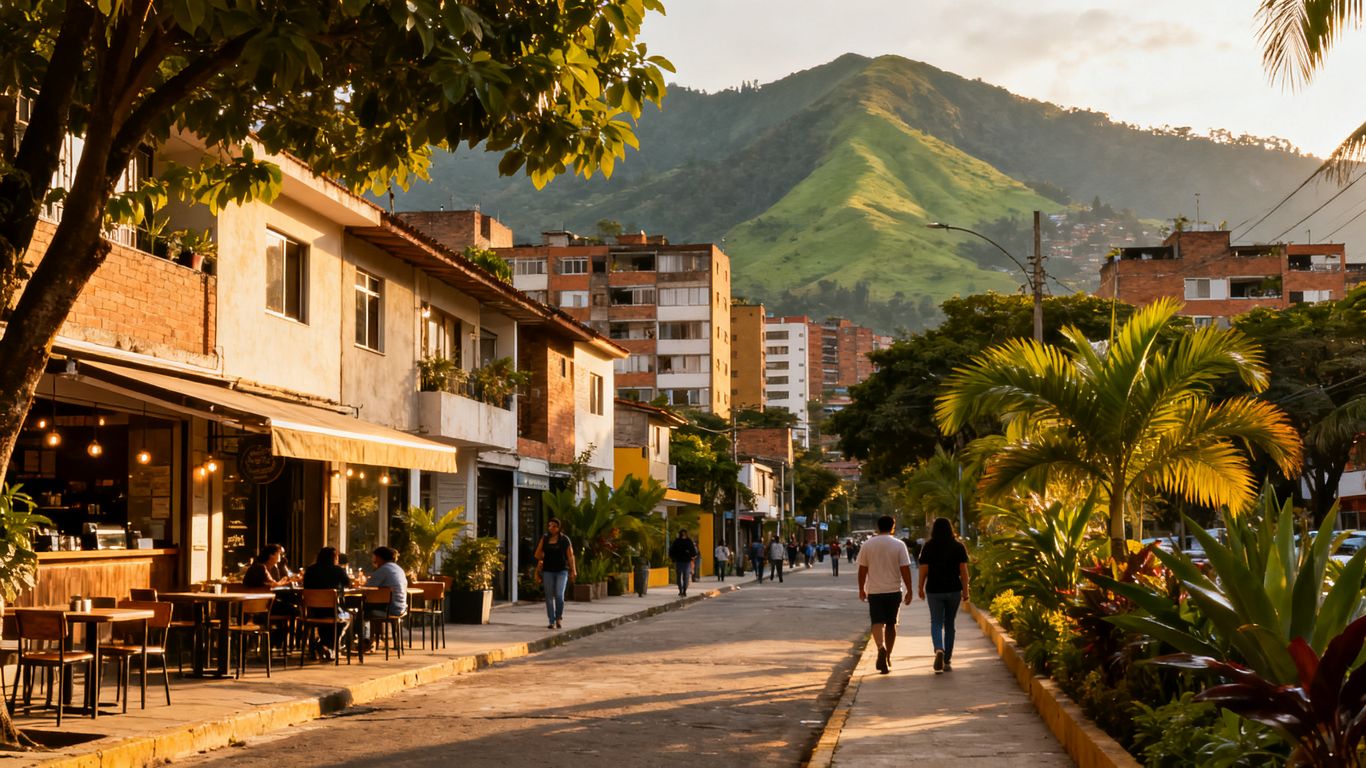
Laureles for walkability, dining, and local atmosphere
Laureles works well when we want cafés, restaurants, supermarkets, and broad streets within walking distance. The area is relatively flat compared with many parts of the valley, which helps us avoid paying for short rides. It also makes a convenient base for a slower, neighborhood-focused itinerary.
We should compare streets carefully rather than treating the entire district as identical. A quiet residential block may suit us better than a bar-heavy corner, especially if we value sleep. Laureles also places us near the Colombian Cacao Experience, which lasts approximately 3.5 hours and costs 160,000 COP per person.
El Poblado for nightlife and convenient services
El Poblado has abundant accommodation, restaurants, cafés, coworking options, and nightlife. That convenience is useful for a short visit, but prices often rise around Provenza and Parque Lleras. We should check whether the room rate reflects the location or simply the tourist demand.
The district is hilly, and a map showing a short distance may still involve a steep walk. After dark, we should use a planned ride rather than wandering quiet streets with a phone in hand. Visitors interested in nightlife can read this practical Parque Lleras safety guide before choosing a late evening route.
Envigado and other lower-cost alternatives
Envigado can suit travelers who prefer a more residential setting and do not mind using transit. It offers local restaurants and shops, but we should calculate the cost and time of returning from central attractions. A cheaper room is not a bargain if every evening requires a long ride.
Other areas may also work for experienced travelers who research the exact block. We should prioritize reliable transit, nearby food options, and a well-reviewed property over a low headline price. Asking hosts about the walk home at night often reveals more than a listing description.
How to compare hostels, hotels, and short-term rentals
We should compare the total stay rather than the nightly headline. A hostel may include a kitchen and social space, while a hotel may include breakfast. A rental can work for several nights, but cleaning fees and minimum stays may erase the apparent savings.
Before booking, we should check these practical details:
- The exact street and distance to a Metro station.
- Reviews mentioning noise, hot water, and security.
- Kitchen access, breakfast, laundry, and added service fees.
- Check-in arrangements and support after regular office hours.
This comparison helps us match accommodation to our actual routine. A simple room near a reliable breakfast spot can be better value than a stylish property requiring daily taxis.
How can you get around Medellin affordably?
Medellín’s Metro and integrated transit network usually provide the clearest way to control transportation costs. We can combine trains, buses, cable cars, and walking instead of relying on taxis for every journey. The city’s geography still matters, so we should allow extra time when crossing the valley or climbing toward hillside districts.
Using the Medellin Metro and integrated transit system
The Metro connects important parts of the city and links with several cable-car lines. We should study the official route map before leaving, especially when a transfer is involved. A rechargeable travel card may be useful for repeated journeys, while single fares suit very short visits.
The Metro is economical for central sightseeing and many neighborhood transfers. We should avoid peak crowding when possible and keep phones and wallets secure while waiting on platforms. A useful overview of low-cost routes appears in this self-guided Medellín city tour, which focuses on Metro and cable-car travel.
When buses, taxis, and ride-hailing apps make sense
Buses can reach places beyond the rail network, but routes may be less intuitive for first-time visitors. Taxis are useful for short uphill trips, luggage, or late arrivals. Ride-hailing applications can make pickup details clearer, although we should confirm the vehicle and avoid displaying a phone on the street.
We should compare convenience with cost rather than treating one option as universally best. Splitting a planned ride among travelers can be reasonable, while a short walk to a station may save money and time during traffic.
Walking between neighborhoods and major attractions
Walking works best within one neighborhood or along familiar daytime routes. Laureles, central districts, and some parts of El Poblado reward short walks, but steep streets and traffic crossings can slow us down. Comfortable shoes matter more than ambitious daily step counts.
We should use a map before leaving, not while standing at a busy corner. A local walking route can also help us discover bakeries, parks, and small shops without adding another paid activity. If a route becomes isolated or confusing, we should turn back and take a known transport option.
Practical transport tips for airport transfers
José María Córdova International Airport is outside central Medellín, so we should budget more time and money than for an inner-city ride. Shared vans, taxis, and prearranged transfers have different trade-offs in price and convenience. We should confirm the destination neighborhood before accepting a quote.
For departures, traffic and mountain roads make a generous buffer sensible. We should keep passports and payment cards in a secure place, and we should avoid changing money casually at the airport without comparing rates.
Where can you eat well on a Medellin budget?
Eating affordably in Medellín means following local meal patterns rather than recreating every meal from home. Breakfast bakeries, lunch specials, markets, and neighborhood restaurants can provide more value than tourist-focused menus. We should still inspect food turnover and choose busy stalls with clean preparation areas.
Finding affordable local breakfasts and lunch specials
A simple breakfast may include eggs, arepa, fruit, and a hot drink. At midday, the menú del día often combines soup, a main dish, a side, and a drink. We should ask what is included before ordering, since portions and extras vary by restaurant.
Lunch is often the easiest meal for budget control. Eating the larger meal earlier also leaves room for a lighter dinner from a bakery, market, or casual counter. A little Spanish helps us ask about ingredients and prices without confusion.
Typical dishes and their expected prices
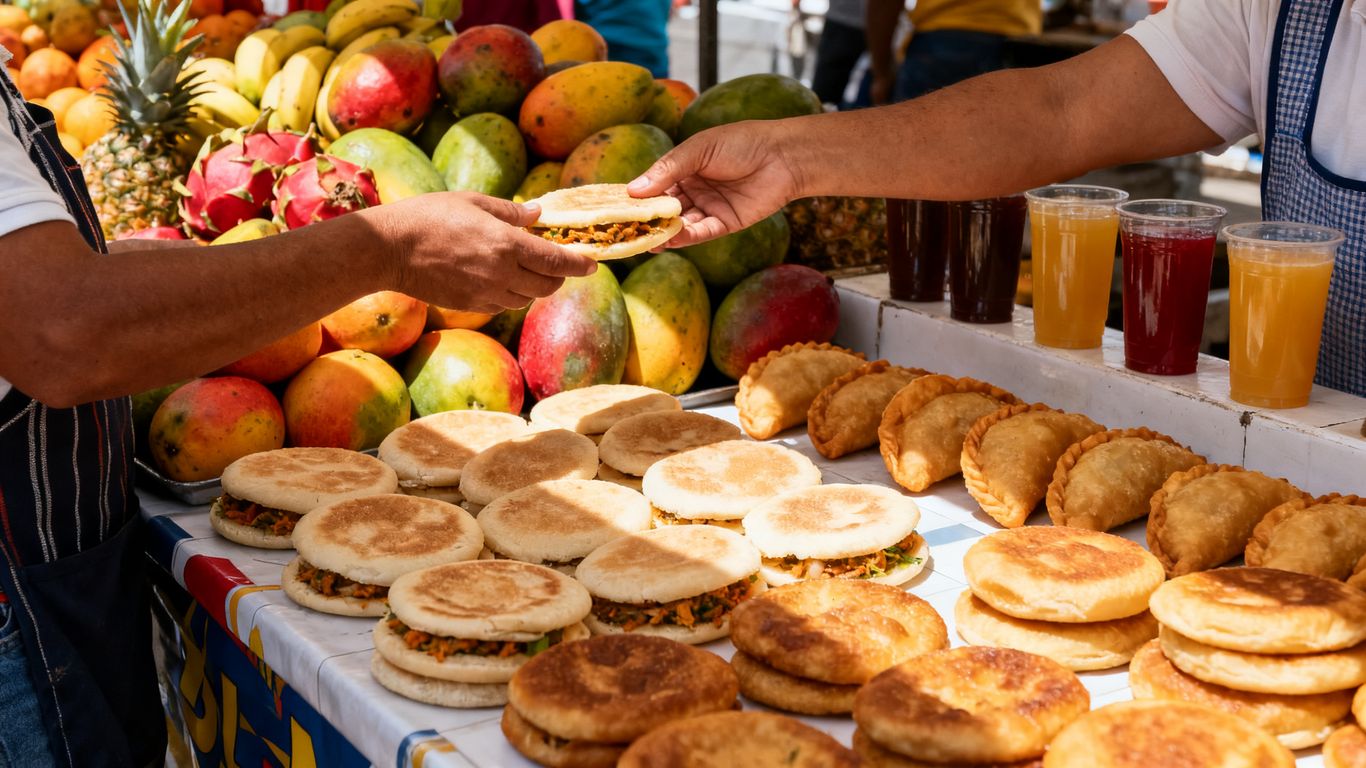
Prices vary by neighborhood and restaurant style, but local staples remain useful reference points. Arepas, empanadas, soups, rice plates, and chicken dishes commonly cost less than international restaurant meals. Bandeja paisa is filling, though its size may make it better suited to a planned meal than a quick snack.
A reasonable planning range is 8,000 to 18,000 COP for a snack or simple breakfast, 15,000 to 30,000 COP for a local lunch, and more for a sit-down dinner. We should treat these as broad estimates rather than fixed menus.
Budget-friendly markets, bakeries, and street food
Markets can offer fruit, juices, pastries, and cooked food at accessible prices. The Medellín street food guide is useful for identifying staples such as arepas, empanadas, chicharrón, and fresh juices before we explore. We should carry small notes and ask permission before photographing vendors.
A bakery stop can also make a practical breakfast or late snack. We should choose food that is freshly prepared and busy enough to show regular turnover. Markets are lively, so we should keep bags closed and phones out of sight while ordering.
Managing dietary needs without overspending
Vegetarian travelers can usually find rice, beans, arepas, eggs, vegetables, soups, and fruit, though we should ask about meat-based broth. Vegan and allergy-sensitive diets require more explanation, particularly at traditional restaurants. Writing a short Spanish sentence on our phone can reduce misunderstandings.
We can save money by choosing naturally suitable dishes instead of relying on specialty imported products. Markets and bakeries may help with fruit, rice, and simple snacks, while larger supermarkets provide backup ingredients for longer stays.
What are the best low-cost things to do in Medellin?
Medellín offers a strong mix of public art, viewpoints, parks, museums, and neighborhood walks. We can build a rewarding first visit without booking an activity every morning and afternoon. A useful guide to things to do in Medellín helps us compare Comuna 13, Metro Cable views, Guatapé, and Laureles activities.
Exploring Plaza Botero and the surrounding city center
Plaza Botero places large sculptures in a public setting near museums and central landmarks. We can combine the square with nearby streets during daylight, then decide whether a museum entrance fits the budget. The area rewards awareness because busy central spaces create opportunities for pickpocketing.
We should plan the route before arriving and avoid displaying expensive equipment. The city center can feel intense, but its public art and architecture provide a useful introduction to Medellín’s history and daily rhythm.
Visiting Comuna 13 responsibly and independently
Comuna 13 is known for street art, escalators, music, and hillside views. We can visit independently during the day, but we should remain respectful and avoid treating residential streets as a backdrop. We should follow public routes, ask before photographing people, and support local vendors when we can.
A guided visit may provide historical context, while independent travelers should research the route in advance. The goal is to meet the neighborhood on its own terms, not to reduce a complex community to a quick photo stop.
Using parks, viewpoints, museums, and public spaces
Free or low-cost public spaces give us flexibility when weather or energy changes. Botanical gardens, neighborhood parks, city viewpoints, public plazas, and selected museums can fill an afternoon without exhausting the budget. We should verify opening hours because schedules can change.
A free walking experience can add context to central landmarks, and the Medellín free walking tour outlines a three-hour route with local historical interpretation. We should remember that tipping the guide is customary when the tour is useful, even when there is no fixed ticket.
Deciding whether the Colombian Cacao Experience fits your budget
The Colombian Cacao Experience costs 160,000 COP per person and lasts approximately 3.5 hours in Laureles. Guests roast raw cacao over fire, peel and grind beans on a traditional molino, join a cacao ceremony, try a chocolate exfoliation ritual, and finish with a signature cacao sour cocktail.
That price is higher than a free museum, but it covers a substantial hands-on cultural activity. It can also suit a rainy day because much of the experience takes place indoors. We should choose it when learning, participation, and food culture matter more than collecting another viewpoint.
Comparing paid cultural activities with free attractions
A balanced itinerary usually combines one paid anchor with several free or inexpensive stops. We can spend the morning in a public plaza, eat a local lunch, and reserve the afternoon for a workshop or museum. This avoids both overspending and the fatigue of rushing between attractions.
The Colombian Cacao Experience is currently listed as the number-one Classes & Workshops experience in Medellín on TripAdvisor with a 5.0 rating. That is a current platform ranking, not a guarantee, so we should still compare the schedule and price with our personal priorities.
How should you plan an affordable Medellin itinerary?
A good low-cost itinerary groups activities by neighborhood and leaves space for weather changes. We should avoid crossing the valley repeatedly for short visits, since transport time can become a hidden expense. The following plans work as frameworks rather than rigid schedules.
A low-cost first day in the city
We can begin with a relaxed neighborhood walk, a local breakfast, and a Metro ride toward central Medellín. Plaza Botero, nearby public spaces, and a museum provide enough structure for an afternoon. Dinner in Laureles or another neighborhood restaurant keeps the first day manageable.
This approach helps us learn the Metro before attempting a more complicated route. We should resist filling the evening with distant plans after a flight, especially if luggage or jet lag is involved.
A two-day plan focused on neighborhoods and culture
On day one, we can combine the city center with public art, a market stop, and a simple local meal. On day two, we can explore Comuna 13 during daylight, then return to Laureles for cafés or a cultural workshop. This pairing balances history, daily life, and a paid experience.
We should keep the two days geographically sensible. If rain interrupts the outdoor plan, a museum, food stop, or the indoor cacao workshop can replace the affected activity without rebuilding the entire itinerary.
A three-day itinerary with Guatapé considerations
A three-day visit can include central Medellín, Comuna 13, and either a Laureles cultural activity or a Guatapé day trip. Guatapé requires substantial travel time, so we should treat it as a full-day commitment rather than a quick add-on. Transport, entrance fees, meals, and the climb at El Peñol should appear in the budget.
We should choose Guatapé because the landscape and town fit our priorities, not because every itinerary must include it. Travelers who prefer deeper city exploration may receive better value from another Medellín day.
Balancing paid experiences with free activities
We can set a daily activity allowance before booking anything. One paid experience every day may be expensive, while an entirely free plan can feel repetitive. A simple rotation keeps spending visible and still leaves room for local discoveries.
For example, we might combine one of these paid choices with free or low-cost plans:
- A cacao workshop with a Laureles neighborhood walk.
- A museum ticket with Plaza Botero and central streets.
- A Guatapé excursion with a low-cost dinner back in Medellín.
- A short guided visit with a free park or viewpoint afterward.
The point is not to maximize attractions. It is to give each paid activity enough time to feel worthwhile, while free spaces provide breathing room.
Adjusting plans for rain and changing weather
Medellín’s weather can change during the day, so we should carry a light layer and protect electronics. Outdoor plans work best earlier when conditions are clearer, while museums, cafés, markets, and indoor workshops provide useful backups. We should avoid scheduling every major activity on the same weather-dependent day.
Rain may slow traffic and make steep paths slippery. A flexible itinerary costs less than repeated emergency rides, and it usually feels calmer too.
What should budget travelers know about safety and money?
Budget travel works best when we protect both our cash and our attention. Medellín has busy transit, crowded attractions, nightlife districts, and steep neighborhoods that require different habits. We should use current local advice, stay aware, and avoid assuming that a popular area is risk-free.
Using ATMs, cards, and Colombian pesos
We should withdraw Colombian pesos from reputable bank ATMs in secure, busy locations. Using an ATM inside a bank, shopping center, or hotel area may feel more comfortable than using an isolated machine. We should decline unfamiliar conversion offers when our card provider gives a clearer exchange rate.
Cards work at many hotels, restaurants, and larger shops, but cash remains useful for markets, small bakeries, transit, and minor purchases. Carrying only the amount needed for the day limits losses if a wallet disappears.
Avoiding common tourist overcharging and scams
We should confirm taxi fares, menu prices, tour inclusions, and service charges before agreeing. Tourist-heavy areas may quote higher prices, while unclear menus can create surprises at payment. We should keep receipts when a deposit or prepayment is involved.
No des papaya is a useful local expression about avoiding unnecessary opportunities for theft or trouble. We should not flash phones, count cash in public, or accept unsolicited help with cards and luggage.
Choosing safer routes after dark
After dark, we should stay on active, well-lit streets and use a verified ride when the route is unfamiliar. Walking between busy restaurants may be reasonable, but shortcuts through quiet streets are rarely worth the small saving. We should share our destination and arrival plan with someone we trust.
Nightlife districts deserve particular attention because crowds, alcohol, and phone use create extra risks. A local Medellín travel safety guide offers broader practical advice, including precautions around public transit and evening activities.
Protecting phones and valuables in crowded areas
Crowded Metro cars, markets, escalators, and busy plazas require deliberate phone habits. We should step inside a shop or café before checking directions rather than stopping at the curb with a visible device. Crossbody bags should close fully and remain in front of the body.
We should also keep backup identification copies separately from passports. A small, inexpensive day bag is less conspicuous than a large camera backpack, particularly when moving through crowded central areas.
Understanding travel insurance and emergency support
Travel insurance can help with medical treatment, cancellations, baggage loss, and emergency transport, depending on the policy. We should read exclusions and confirm whether planned activities are covered. Digital copies of the policy, passport, and emergency contacts should remain accessible offline.
Before departure, we should save the accommodation address in Spanish and identify the nearest clinic or hospital. Preparation does not make a trip alarmist. It simply keeps a small problem from becoming an expensive one.
Conclusion
We can experience Medellín on a budget by staying near useful services, eating local meals, using the Metro, and mixing free attractions with one or two carefully chosen paid activities. A flexible plan gives us better value than a crowded checklist, while sensible money and phone habits make the city easier to navigate. Written by the editorial team at Things To Do Medellin, featuring local insights and verified recommendations from the city’s top-rated cultural artisans.
Frequently Asked Questions
How much money do we need for a budget day in Medellín?
A practical starting range is 120,000 to 220,000 COP per person, excluding flights and major excursions. Private rooms, frequent taxis, nightlife, and paid workshops can raise that total.
Which Medellín neighborhood is best for budget travelers?
Laureles is often a useful balance of walkability, restaurants, and local atmosphere. Envigado may offer alternatives, while El Poblado provides convenience but often costs more.
Is the Medellín Metro affordable for visitors?
Yes, the Metro and integrated transit system are generally among the most economical ways to move around the city. We should check routes, allow transfer time, and protect belongings in crowded areas.
What are some cheap things to do in Medellín?
Public plazas, outdoor sculptures, neighborhood walks, selected museums, parks, and viewpoints can fill several days at low cost. Comuna 13 can also be visited independently during daylight with respectful behavior and advance route planning.
How much does local food cost in Medellín?
Simple breakfasts and snacks may cost around 8,000 to 18,000 COP, while local lunch specials often fall around 15,000 to 30,000 COP. Prices vary by neighborhood, ingredients, and restaurant style.
Should we carry cash in Medellín?
Yes, Colombian pesos remain useful for markets, bakeries, small restaurants, and minor purchases. We should use reputable ATMs, carry limited cash, and keep cards secure.
Is a Guatapé day trip practical on a short budget itinerary?
It can be practical during a three-day visit, but it usually takes most of one day and adds transport and activity costs. Travelers who prefer deeper city exploration may find another Medellín day better value.