
Key Takeaways
We can cover Medellín’s main cultural, culinary, and transport highlights in three full days without racing across the valley.
- Spend day one around Plaza Botero, Museo de Antioquia, and the Metrocable.
- Explore Comuna 13 with a local guide on day two.
- Reserve day three for a hands-on cultural activity in Laureles.
- Use the Metro during the day and trusted taxis at night.
- Add Guatapé only if the city’s core experiences are already covered.
How to plan a complete 3 day Medellin itinerary
A complete 3 day Medellin itinerary works best with downtown on day one, Comuna 13 on day two, and Laureles on day three. This route combines history, public art, views, food, and a practical cultural workshop. We should keep each day focused on nearby areas rather than crossing the city repeatedly. For broader planning ideas, this three-day Medellín itinerary guide offers useful comparisons for different trip lengths.
Choosing the right neighborhood for your stay
Laureles is a practical base for travelers who prefer walkable streets, cafés, and a calmer evening pace. El Poblado offers more restaurants, nightlife, and accommodation choices, but its hills can make short walks surprisingly strenuous. The historic center is convenient for daytime sightseeing, though we generally recommend staying elsewhere for a quieter night.
We should choose accommodation near a Metro station or a main avenue. That decision matters more than having a famous address. It reduces transfer time and makes early tours easier to reach.
Estimating daily costs and booking requirements
Our daily budget depends mainly on accommodation, restaurant choices, and guided activities. Transport remains relatively affordable, while popular workshops and day trips require advance planning. We should reserve fixed-time experiences before arrival, especially during weekends or holiday periods.
| Planning item | Typical approach | When to arrange it | Why it matters |
|---|---|---|---|
| Accommodation | Laureles or El Poblado | Several weeks ahead | Better location and choice |
| Downtown visit | Walking tour or self-guided route | A few days ahead | Guides improve historical context |
| Comuna 13 | Local guided tour | Before arrival | Meeting points fill quickly |
| Guatapé | Full-day excursion | Before arrival | Early departures limit flexibility |
This framework keeps the budget realistic without pretending every traveler spends the same amount. We should leave room for spontaneous cafés, small purchases, and changing weather.
Planning around Medellín’s weather and opening hours
Medellín can shift from clear skies to heavy rain within the same afternoon. We should place outdoor viewpoints earlier in the day when possible, then keep indoor alternatives available. Museums, workshops, and cafés are useful anchors when rain interrupts a route.
Opening hours vary, so we should verify them directly before visiting. Monday closures are common for museums and attractions in many cities. A quick check the evening before can prevent an unnecessary cross-city trip.
Balancing sightseeing, food, and downtime
Three days allow a strong introduction, not an exhaustive survey. We should plan one major experience each morning and protect several hours for meals, wandering, or rest. A slower middle afternoon often makes the final evening more enjoyable.
The city rewards flexible pacing. We can add a market, viewpoint, or café when energy is high, but we should not turn every stop into an obligation. Medellín’s hills and warm afternoons make overplanning easy to regret.
What should you do on day one in Medellin?
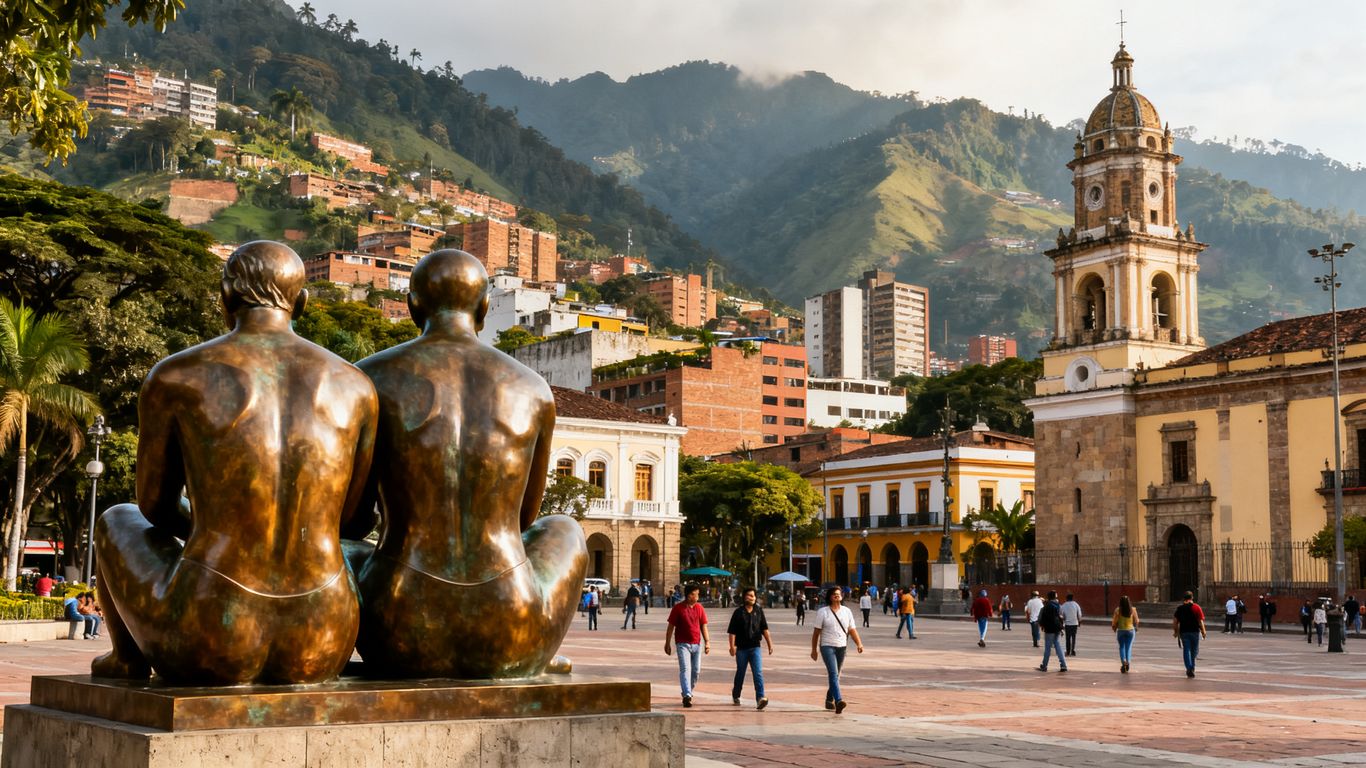
On day one, we should start downtown with Plaza Botero and the Museo de Antioquia before riding the Metrocable. This sequence introduces Medellín’s public art, history, and geography in a logical order. We should use daylight for the historic center and return to a familiar neighborhood for dinner. Pack lightly, carry water, and keep phones away in crowded places.
Starting in Plaza Botero and the historic center
Plaza Botero is an efficient first stop because Fernando Botero’s large bronze sculptures sit in an open public setting. From there, we can walk through nearby streets and plazas while observing the center’s dense commercial rhythm. A guided route can add context that is difficult to find from plaques alone.
The area is busy rather than polished. We should stay aware of traffic, crowds, and changing street conditions. This downtown walking tour guide explains what to expect and how to prepare.
Visiting the Museo de Antioquia
The Museo de Antioquia adds historical and artistic depth after Plaza Botero. We should allow enough time for the collection instead of treating it as a quick photo stop. Its indoor setting also gives us a practical break if rain arrives.
Check the museum’s current schedule before leaving our accommodation. After the visit, lunch nearby keeps the route compact. We can then decide whether energy and weather justify the mountain ride.
Taking the Metrocable to Parque Arví or Santo Domingo
The Metrocable shows how Medellín’s transport network connects the valley with hillside communities. We can ride toward Santo Domingo for an urban panorama or continue toward Parque Arví when conditions are dry and time allows. The ride itself is part of the experience, not merely a transfer.
For day one, we should choose one destination rather than forcing both. These three checks help us decide:
- Choose Parque Arví when skies are clear and we want outdoor space.
- Choose Santo Domingo when rain threatens or time is limited.
- Ride before late afternoon so the return feels unhurried.
- Keep our phone and wallet secure near stations and platforms.
The choice should follow the weather and our energy, not a rigid checklist. Returning before dark also leaves a comfortable margin for dinner.
Choosing a safe evening area for dinner
Laureles and El Poblado are practical evening choices because they offer many restaurants and established transport options. We should walk on active streets and use a registered taxi or ride-hailing service when the route is unfamiliar. The historic center is better treated as a daytime area for first-time visitors.
Dinner does not need to become another scheduled attraction. A nearby restaurant, an early meal, and a short walk can reset us after downtown. We should save nightlife for a night when we genuinely want it.
How should you spend your second day in Medellin?
Day two belongs to Comuna 13, where guided visits connect public art with the neighborhood’s recent history. We should choose a morning tour and keep the afternoon flexible. The route involves stairs, crowds, music, and frequent stops, so comfortable shoes matter. A respectful attitude matters even more.
Exploring Comuna 13 with a local guide
A local guide helps us understand the neighborhood beyond its murals and escalators. We should book a tour that explains the community’s transformation and supports local guides and small businesses. This Comuna 13 graffiti tour is a useful reference when comparing routes and expectations.
Meeting points vary, so we should confirm the exact station, time, and language beforehand. We should arrive early rather than navigating unfamiliar streets while rushed. Tours often include walking on steep or uneven sections.
Understanding the neighborhood’s history and public art
The murals provide more than colorful backdrops. Guides can explain how artists, residents, and public projects shaped the area’s changing identity. We should listen carefully and avoid reducing the neighborhood to a simple before-and-after story.
Photography is welcome in many places, but we should ask before photographing residents or performers. Buying a small snack or craft can be a more respectful way to participate than taking only pictures.
Allowing time for viewpoints, street food, and local shops
We should leave at least an hour after the formal tour for viewpoints, snacks, and local shops. Empanadas, fruit drinks, and other simple foods are easy to try, though we should choose busy vendors with good turnover. Small purchases also create a natural opportunity to support local sellers.
The afternoon works best at an easier pace. We can stop for coffee, return to our accommodation, or visit another nearby area without adding a second major tour. The goal is to absorb the visit rather than collect every viewpoint.
Returning to Laureles or Provenza for dinner
After Comuna 13, Laureles offers a calmer transition than another crowded attraction. Provenza suits travelers who want more restaurants and evening energy, but we should not confuse popularity with necessity. Booking dinner can help on busy nights, especially for larger groups.
We should return by a direct route and avoid wandering into unfamiliar streets after dark. If everyone is tired, a nearby meal is usually the better decision. There is always tomorrow’s breakfast.
What is the best cultural experience for day three?
For day three, we can choose the Colombian Cacao Experience in Laureles as a focused cultural activity. The approximately 3.5-hour workshop costs 160,000 COP per person and offers hands-on bean-to-bar preparation. It works especially well after two active sightseeing days because it is structured, local, and primarily indoors. We should reserve ahead rather than expecting same-day availability.
Joining the Colombian Cacao Experience in Laureles
The workshop takes place in Laureles, a walkable neighborhood with cafés and restaurants nearby. We should schedule it in the morning or early afternoon, leaving time for lunch and a final neighborhood walk. Its location avoids another long transfer across the valley.
This option suits travelers seeking food culture rather than another conventional city overview. It also gives us a tangible way to learn about Colombian cacao while staying in Medellín.
Roasting, grinding, and preparing cacao by hand
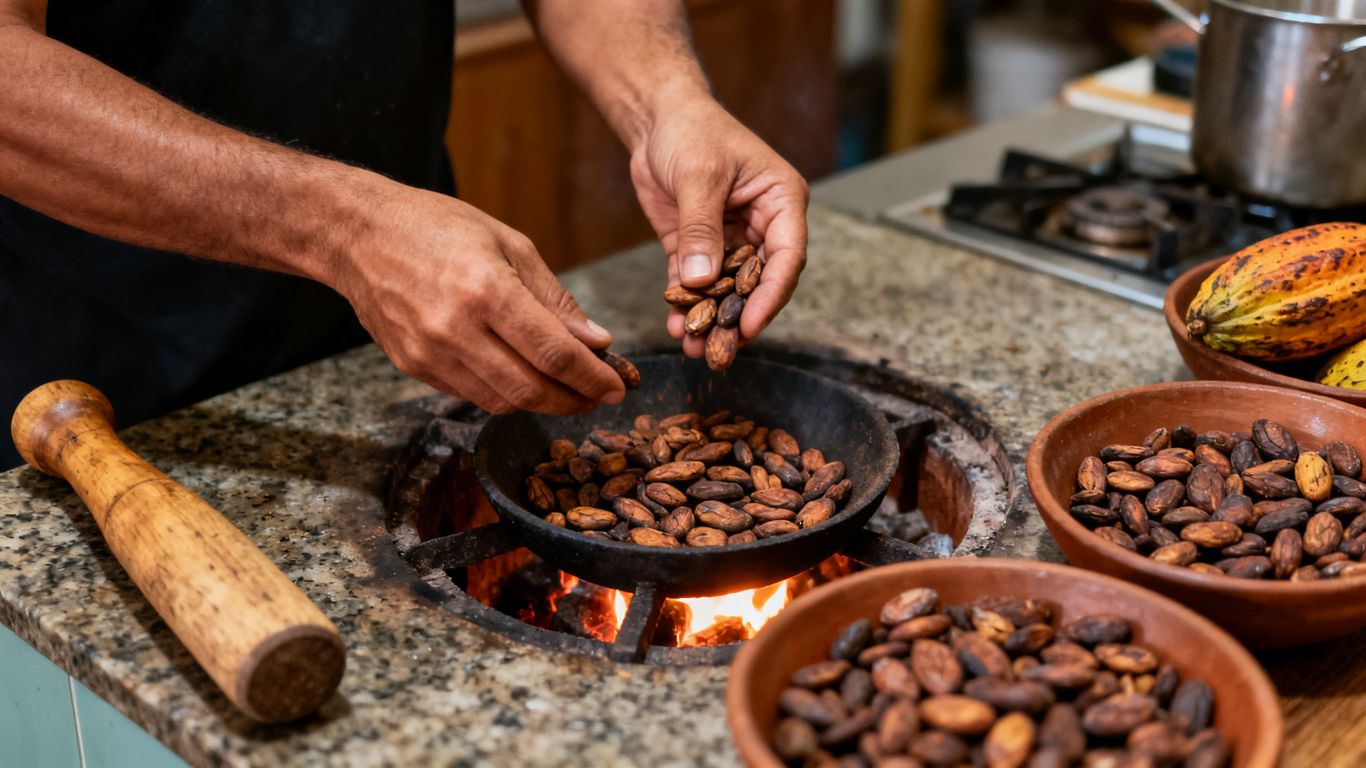
Participants roast raw cacao over fire, peel the beans, and grind them on a traditional molino. The experience also includes a cacao ceremony, a chocolate exfoliation ritual, and a signature cacao sour cocktail. These steps make the session participatory rather than lecture-based.
We should wear comfortable clothes and expect to work with cacao directly. The process is intentionally hands-on, so it suits beginners as well as travelers already interested in chocolate making. The finished knowledge, rather than a rushed photo, is the main souvenir.
Comparing the 3.5-hour workshop with a standard city tour
A standard city tour covers more ground and usually provides a wider overview of landmarks. The cacao workshop spends longer on one subject, with practical preparation and guided cultural explanation. We should choose the workshop when depth, food, and indoor time matter more than adding another neighborhood.
It also pairs well with the rest of this itinerary. Downtown covers history, Comuna 13 covers public art and community stories, and Laureles adds a culinary tradition. That balance gives each day a distinct purpose.
Planning around the 160,000 COP price and advance reservations
The listed price is 160,000 COP per person, and the session lasts approximately 3.5 hours. We should confirm the current price, meeting details, and available dates when booking. Advance reservations are sensible because a workshop has limited places.
We can plan lunch nearby afterward and keep the evening open. That makes day three feel complete without adding a final attraction simply to fill time. A relaxed finish is often the right finish.
Where should you eat during three days in Medellin?
We should treat meals as part of the itinerary rather than fuel between attractions. Laureles is convenient for cafés and casual restaurants, while El Poblado offers a broader evening dining scene. The historic center is useful for daytime snacks and traditional meals. Prices and menus change, so we should check current details locally.
Trying traditional Antioquian dishes and local snacks
We can look for arepas, empanadas, buñuelos, fresh fruit, and bandeja paisa during the trip. Portions can be substantial, so sharing a dish helps us sample more flavors. Local markets and busy casual restaurants often provide a more practical introduction than formal dining rooms.
We should carry small Colombian peso notes for snacks and smaller vendors. Checking cleanliness, turnover, and food temperature is sensible. Curiosity is good, but basic judgment still travels well.
Comparing Laureles, El Poblado, and the historic center
Laureles works well for relaxed breakfasts and dinners near a walkable base. El Poblado has more concentrated restaurant choices, especially around Provenza, but evenings can feel louder and busier. The historic center is strongest for daytime exploration, quick lunches, and market-style food.
A simple comparison keeps decisions practical:
| Area | Best for | General pace | Useful timing |
|---|---|---|---|
| Laureles | Cafés and relaxed meals | Walkable and moderate | Morning or evening |
| El Poblado | Dining and nightlife | Busy and social | Late afternoon onward |
| Historic center | Snacks and local atmosphere | Crowded and active | Daytime |
We should pick the area that matches the day’s route instead of crossing town for one restaurant. That saves time and leaves more energy for the city itself.
Finding coffee, breakfast, and vegetarian-friendly options
Breakfast is easy to keep simple with coffee, fruit, eggs, arepas, or pastries. Vegetarian travelers should ask about broths, meat-based fillings, and cooking methods rather than relying on menu labels. Specialty cafés are concentrated in Laureles and El Poblado, making either neighborhood convenient for a slower morning.
We can ask staff for local recommendations when menus feel unfamiliar. Spanish phrases such as “sin carne” and “sin pollo” help, though cross-contact may still matter for strict dietary needs. A short conversation often solves more than a long online search.
Visiting Provenza without overcommitting to nightlife
Provenza is worth visiting for restaurants, cafés, and an energetic evening atmosphere, even if we do not want a late night. We can arrive before peak hours, eat, and leave by a prearranged ride. A short visit gives us the neighborhood’s character without sacrificing sleep.
We should keep valuables discreet and avoid accepting unsolicited invitations from strangers. If the streets feel too crowded, returning to Laureles is an easy adjustment. Three days do not require us to stay out until closing.
How do you get around Medellin safely and efficiently?
Medellín’s Metro and Metrocable make the main itinerary manageable without private transport. We should combine public transit with short walks and trusted vehicles when needed. Routes are straightforward, but stations can be crowded during commuting hours. Planning the return route before leaving is a small habit with a large payoff.
Using the Metro and Metrocable system
The Metro is useful for connecting central areas, Comuna 13 routes, and major transfer points. The Metrocable adds hillside access and broad valley views. We should check the operating status and allow extra time for queues, especially on weekends.
Keeping our fare card and phone accessible prevents fumbling at gates. We should stand to one side after exiting so other passengers can move. Local transport works better when we treat stations as shared spaces.
Choosing taxis and ride-hailing services
Taxis and ride-hailing services are practical for airport transfers, late dinners, and routes with steep hills. We should use official taxi services or a reputable app, confirm the vehicle and driver, and avoid entering an unmarked car. Cash remains useful for shorter taxi journeys.
During busy periods, pickup locations may shift. We should wait inside a restaurant, hotel, or staffed venue until the vehicle arrives. That is both safer and less stressful than standing curbside with luggage.
Managing valuables in crowded areas
Crowded stations, plazas, and tourist areas require ordinary urban awareness. We should keep phones out of sight when not needed and carry bags across the body. “No dar papaya” is a useful local idea: do not make valuables or distraction easy opportunities.
We can divide cash between a wallet and a secure backup place. Passports belong in secure accommodation unless an official requirement says otherwise. These habits allow us to focus on the visit without becoming anxious.
Avoiding late-night travel in unfamiliar neighborhoods
We should avoid exploring unfamiliar streets late at night, particularly after drinking or when carrying luggage. A direct ride from a known venue is preferable to a long walk. Staying in active, well-lit areas also makes meeting drivers easier.
If plans change, we can shorten the evening without losing anything essential. Medellín has enough cafés and restaurants that an early return rarely feels like a failure. Good logistics protect the next morning.
How can you adapt this three-day itinerary?
This route is a framework, not a test. Weather, arrival times, mobility, and personal interests may require changes. We should protect the core experiences first, then add optional stops. The best Medellín tours overview can help us compare city activities and day-trip possibilities.
Replacing Parque Arví during heavy rain
Heavy rain can make Parque Arví less comfortable and reduce visibility from the cable car. We can choose Santo Domingo instead, spend longer inside the Museo de Antioquia, or move the cacao workshop earlier if dates allow. Indoor plans should be confirmed before changing transport routes.
We should not force a mountain excursion simply because it appears on the original schedule. A dry, shorter alternative usually creates a better day. Weather flexibility is part of sensible planning here.
Adding a Guatapé day trip without rushing the city
Guatapé requires a full day, including transport and an early departure. We should add it only when we can extend the trip or replace a less essential city day. Removing Comuna 13 or the downtown introduction would leave major gaps in a first visit.
If Guatapé is non-negotiable, we can use day four rather than compressing three city days. The colorful town and El Peñol area deserve enough time to avoid returning exhausted. Early planning helps compare transport and tour arrangements.
Adjusting the route for families, couples, or solo travelers
Families may prefer shorter walking blocks and earlier dinners. Couples can combine a relaxed meal with a viewpoint, while solo travelers may value group tours and clear meeting points. Everyone benefits from keeping one flexible afternoon.
We can also reduce stairs, arrange vehicles, and choose accommodation near transit. The best version is the one that matches our actual energy. A beautiful plan that nobody can follow is not a useful plan.
Extending the itinerary with shopping or local workshops
An extra day creates space for markets, neighborhood cafés, shopping, or another workshop. We should avoid stacking several paid activities into one afternoon. Markets are best visited with cash, light bags, and patience for crowded aisles.
We can also use the additional time to revisit a favorite area. Medellín becomes easier to read after the first few journeys. A second coffee in Laureles may teach us more about the city than a hurried fifth attraction.
Conclusion
A well-paced three-day Medellín visit combines downtown history, Comuna 13’s public art, a Laureles cultural workshop, local food, and practical transport choices. We should book fixed-time activities early, adjust outdoor plans around rain, and leave enough space for the city to feel manageable.
Frequently Asked Questions
Is three days enough for a first visit to Medellín?
Three days are enough for a focused introduction to the city’s history, public art, food, and neighborhoods. We should prioritize nearby experiences rather than attempting every attraction.
Where should first-time visitors stay in Medellín?
Laureles suits travelers seeking walkability and a calmer evening atmosphere. El Poblado offers more concentrated dining and nightlife, while the historic center is usually better for daytime visits.
What is the safest way to get around Medellín?
We can use the Metro and Metrocable during the day, then choose official taxis or reputable ride-hailing services at night. Keeping valuables discreet remains essential in crowded areas.
Should we visit Comuna 13 with a guide?
A local guide can explain the neighborhood’s history, public art, and community context more clearly. We should confirm the meeting point, route length, and language before booking.
Is Parque Arví worth including in a three-day itinerary?
Parque Arví is worthwhile when the weather is clear and we enjoy outdoor space. With heavy rain or limited time, Santo Domingo and indoor attractions are more practical alternatives.
How much does the cacao workshop cost?
The Colombian Cacao Experience is listed at 160,000 COP per person and lasts approximately 3.5 hours. We should confirm current availability and booking details before traveling.
Can we add Guatapé to a three-day Medellín trip?
Yes, but Guatapé usually requires a full day and an early start. It is better as a fourth day unless we are willing to remove one of the city’s main cultural experiences.