
Key Takeaways
Medellín is a year-round destination, but rainfall, events, and demand change by month.
- December through March usually offers the driest conditions.
- April through June often brings more frequent showers.
- July and August combine warm days with important local celebrations.
- September through November can mean greener scenery and fewer visitors.
- Flexible plans work better than relying on perfectly dry days.
How Medellín’s weather affects the best time to visit
The best time of year to visit medellin is generally December through March, when conditions are warm and comparatively drier. Medellín remains comfortable throughout the year, however, with daytime temperatures commonly in the high 20s Celsius. We should expect brief rain even during the drier months.
Typical temperatures and daily conditions
Medellín’s elevation keeps daytime weather mild rather than tropical and intensely hot. Average daytime highs usually sit around 26–28°C, while evenings can feel cooler. Mornings often begin bright, with cloud cover or rain developing later.
The city’s valley setting also creates noticeable differences between neighborhoods and slopes. We can often walk comfortably in light clothing, then need a layer after sunset or during a passing shower.
Dry and rainy seasons in the Aburrá Valley
The broad seasonal pattern has two relatively drier periods and two wetter periods. December through March is commonly the driest stretch, while April through June and September through November tend to bring more rain.
July and August are usually warm and pleasant, although sudden showers remain possible. These patterns are useful for planning, but they are not strict boundaries. Weather can change quickly from one week to the next.
How rainfall varies between mornings and afternoons
Rain does not necessarily last all day. A clear morning may turn cloudy in the afternoon, followed by a short but heavy shower. This makes early starts useful for outdoor sightseeing and longer day trips.
We can usually preserve an itinerary by placing flexible activities later in the day. Museums, cafés, markets, and workshops provide practical alternatives when rain becomes persistent.
What weather to expect in the hills and surrounding towns
Temperatures and rainfall can differ outside the central valley. Higher viewpoints and mountain towns may feel cooler, windier, or cloudier than Medellín itself. Guatapé can also experience changing conditions during a day trip.
For a broader overview of Medellín tours, we can compare city activities with excursions into the surrounding landscape. A light jacket and rain layer are sensible whenever we leave the valley.
The best months for different types of travelers
The ideal month depends on what we want to do, not only on rainfall. Outdoor travelers may prefer the drier season, while budget-conscious visitors can accept showers during quieter periods. Event-focused trips require advance planning because popular dates fill quickly.
Best time for outdoor sightseeing and day trips
December through March is often the easiest period for walking tours, viewpoints, and excursions. January and February are especially useful for travelers prioritizing clear periods and longer outdoor days.
We should still begin early and keep a backup plan. Even in these months, brief rain can affect mountain roads, viewpoints, and outdoor schedules.
Best time for lower prices and fewer crowds
September through November can suit travelers seeking a quieter experience. Rain is more likely, but the city remains warm and many showers are short. March can also work as a shoulder-season option before wetter conditions become more established.
Prices vary by neighborhood, event calendar, and accommodation type. Checking several dates often matters more than choosing one supposedly perfect month.
Best time for festivals and cultural events
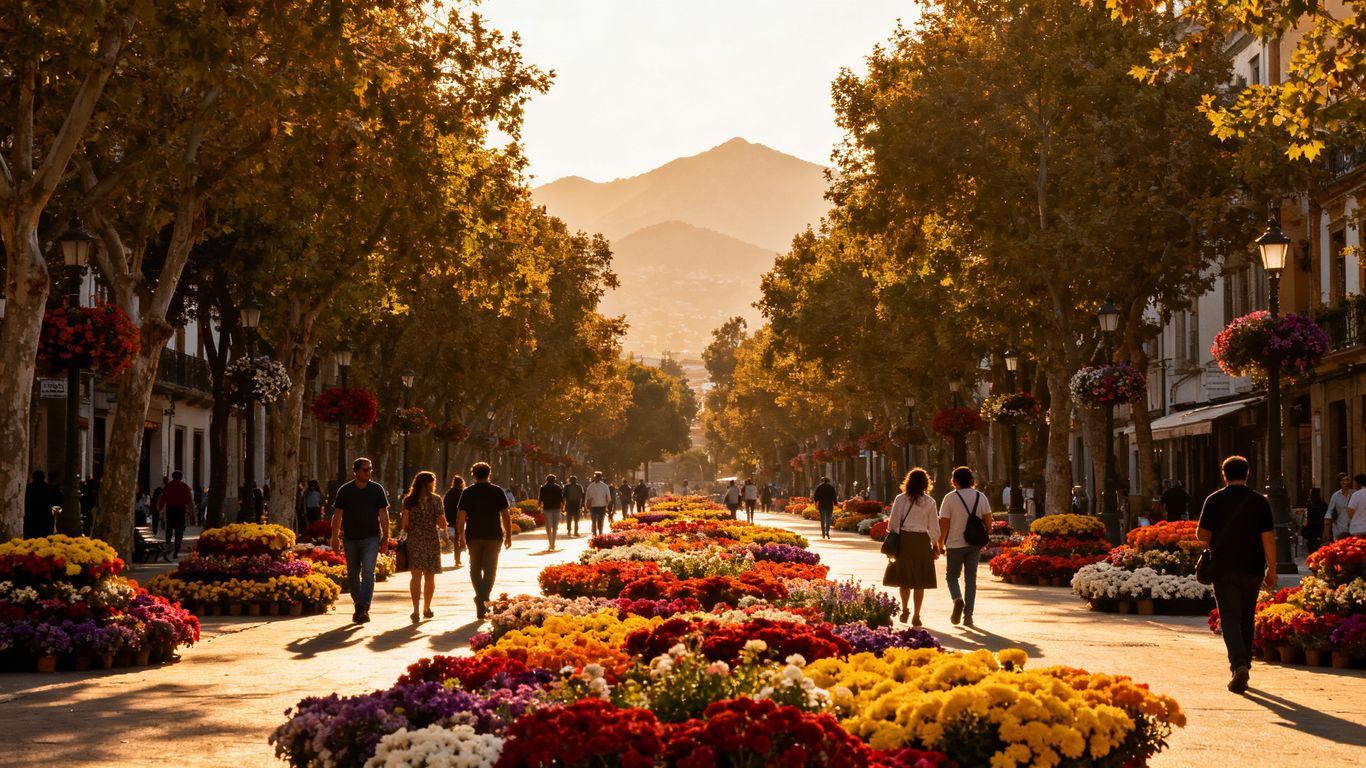
August is associated with Feria de las Flores, one of Medellín’s most prominent annual celebrations. Parades, floral displays, and related programming increase demand across the city. We should reserve accommodation early if the festival is central to the trip.
December also brings holiday activity and strong visitor demand. Travelers interested in business events can separately review leadership conferences, but those schedules should not be confused with Medellín’s local festival calendar.
Best time for comfortable digital nomad travel
Digital nomads can work in Medellín during any month because temperatures rarely require extreme heat or cold planning. The drier periods make commuting and café visits easier, while wetter months reward a slower routine near accommodation.
A reliable indoor workspace is useful during afternoon showers. We can also plan neighborhood changes around weekly weather patterns rather than committing every day to outdoor work.
A month-by-month guide to visiting Medellín
A monthly view helps us balance weather with demand and local programming. Medellín does not become unusable during its rainy periods, but plans need more flexibility. The following guide treats seasonal patterns as practical tendencies rather than guarantees.
January through March: warm conditions and seasonal events
January is warm and often comparatively dry, though it can be busy after New Year. February generally continues with comfortable temperatures and useful outdoor periods. March can bring fewer visitors while remaining suitable for city walks.
These months work well for combining neighborhood exploration with day trips. We should book popular stays ahead during January, then compare March dates for better availability.
April through June: wetter weather and indoor activities
Rainfall commonly increases from April through June, with warm temperatures continuing. Showers may interrupt walking routes, but they rarely prevent a full day of activity if we plan sensibly.
This is a good period for museums, restaurants, markets, and hands-on cultural activities. The Colombian Cacao Experience in Laureles lasts approximately 3.5 hours, costs 160,000 COP per person, and includes roasting cacao over fire and grinding beans on a traditional molino.
July through September: clearer periods and local celebrations
July often brings pleasant conditions with periods of sunshine and sudden downpours. August is especially notable for Feria de las Flores, while September may offer a quieter balance between warm weather and green scenery.
We should expect higher demand around major festival dates. Outside those dates, this period can support both urban sightseeing and selected excursions.
October through December: rain, holidays, and peak demand
October and November can be among the wetter months, although sunshine still appears regularly. December often becomes busier as holiday travel increases, and conditions may become somewhat drier.
The table below offers a quick planning comparison. It is best used alongside current forecasts and event announcements.
| Period | Typical weather pattern | Crowd tendency | Useful planning approach |
|---|---|---|---|
| January–March | Warm, often drier | High in January, moderate later | Prioritize outdoor plans early |
| April–June | Warm with more showers | Moderate | Mix indoor and outdoor activities |
| July–September | Warm with changing rain | High around August events | Reserve festival dates early |
| October–November | Warm, frequently wet | Often quieter | Keep schedules flexible |
| December | Warm and comparatively dry | High around holidays | Book accommodation in advance |
This comparison shows why no single month suits every traveler. We can choose a quieter rainy month or pay more for easier outdoor planning during peak periods.
How crowds, prices, and events change throughout the year
Weather is only one part of the decision. Accommodation demand rises around public holidays, major events, and school vacation periods. Neighborhood choice also affects how quickly rooms and tables become unavailable.
High-season periods around Christmas and New Year
Christmas and New Year usually bring some of the year’s strongest demand. December’s pleasant conditions make outdoor sightseeing attractive, while holiday gatherings increase domestic travel. Rates and minimum-stay rules may also change.
We should reserve accommodation and important activities before arrival. Travelers who prefer quieter streets can consider early December or dates after the first week of January.
Semana Santa travel patterns and accommodation demand
Semana Santa can increase domestic travel across Colombia, especially around the holiday week. Roads, flights, and accommodation may become busier even when Medellín’s weather is mixed.
The exact dates change each year, so we should check the calendar before booking. Flexible cancellation terms are useful when plans involve regional travel.
Feria de las Flores and other major events
Feria de las Flores usually takes place in August and attracts visitors for floral parades and cultural programming. Hotels in popular areas can fill well ahead of the event. Prices often reflect demand rather than weather alone.
We can also build a quieter visit around smaller neighborhood programs. Checking official event schedules helps us distinguish fixed headline dates from broader seasonal activity.
Booking advice for popular neighborhoods and attractions
El Poblado, Laureles, and areas near major attractions are often convenient bases, but availability varies sharply during events. We should compare transport access, cancellation terms, and noise levels before focusing only on nightly price.
A practical booking sequence is simple:
- Reserve accommodation first for August and holiday dates.
- Book timed or limited-capacity activities next.
- Leave open blocks for weather changes.
- Confirm transport for mountain and regional excursions.
This approach reduces the risk of paying peak prices for a rigid itinerary. It also leaves room for local recommendations once we arrive.
Planning activities around Medellín’s seasons
Medellín’s weather rewards flexible sequencing. We can use clear mornings for viewpoints and longer trips, then keep indoor options available later. A good itinerary changes order without losing its main experiences.
Best days for Guatapé and other outdoor excursions
Guatapé and other mountain excursions are most enjoyable when visibility is good. We should watch the forecast for cloud cover, rain, and road conditions before confirming a departure. Earlier departures usually provide more daylight for the journey and activities.
A day with uncertain weather is not automatically a cancellation. We can ask operators about flexible rescheduling and keep a city-based alternative available.
Choosing indoor cultural activities during rainy periods
Rainy days suit museums, markets, restaurants, and workshops. The Colombian Cacao Experience is a hands-on bean-to-bar workshop in Laureles, with a cacao ceremony, chocolate exfoliation ritual, and signature cacao sour cocktail.
Its indoor format makes it practical when a walking route is uncomfortable. We should confirm current availability directly because schedules and prices can change.
Scheduling neighborhood walks in Laureles, El Poblado, and Comuna 13
Neighborhood walks are easiest during dry morning periods or after rain has passed. Laureles generally suits slower walking and cafés, while El Poblado combines steep streets with dining and nightlife. Comuna 13 involves slopes and stairs, so wet surfaces deserve extra care.
We can check a short-range forecast before leaving. Carrying water and a compact rain layer keeps a brief shower from ending the outing.
Allowing flexibility for changing mountain weather
Mountain weather can shift faster than conditions in the valley. Clouds may reduce views, and wet roads can lengthen travel times. We should avoid stacking another fixed reservation immediately after a regional excursion.
A spare afternoon provides useful protection against delays. It also lets us move a viewpoint or cable car visit into a clearer window.
What to pack and how to prepare for the weather
Packing for Medellín is mostly about light layers and rain protection. We do not need heavy winter clothing, but evenings and higher elevations can feel cool. Comfortable footwear matters more than formal outfits for most daytime plans.
Clothing for mild temperatures and cool evenings
Breathable shirts, lightweight trousers, and a thin sweater cover most city conditions. A light jacket helps after sunset and in air-conditioned interiors. We should choose fabrics that dry reasonably quickly.
Even during warm months, the combination of shade, wind, and rain can change comfort within minutes. Layering is more useful than bringing one heavy garment.
Rain gear, footwear, and protection from the sun
A compact umbrella or waterproof shell is useful throughout the year. Shoes should have dependable traction because pavements and stairs become slippery after heavy rain. Sunglasses, sunscreen, and a hat remain useful during bright breaks.
For longer days, we can pack a small day bag with practical essentials:
- Lightweight rain shell or compact umbrella.
- Shoes with secure grip and comfortable soles.
- Sunscreen, sunglasses, and a refillable water bottle.
- A dry pouch for phones and travel documents.
These items take little space and cover the city’s most common weather shifts. They also make day trips easier when forecasts are uncertain.
Practical considerations for hiking and cable car rides
Hiking routes require more attention to rain, mud, and visibility than central neighborhoods. Cable car rides can feel cooler because of elevation and exposure. We should check operating conditions and avoid assuming that a sunny valley means clear mountain views.
A morning departure often offers better light and more scheduling options. We should keep hands free for railings on steep or wet paths.
Weather planning for travelers staying outside the city
Travelers staying in nearby towns should expect different temperatures and transport conditions. Rural roads may take longer during rain, while higher locations can feel noticeably cooler. Accommodation with covered common areas is helpful during showers.
We can ask hosts about local forecasts rather than relying only on a city app. Regional advice is particularly useful for hiking, farms, and waterfalls.
How to choose your ideal travel dates
Choosing dates means weighing weather against budget, events, and personal priorities. The most comfortable period for one traveler may be too busy for another. We should decide which compromise matters most before booking flights.
Balancing weather, budget, and crowd levels
For the driest tendency, December through March is the clearest starting point. For lower demand, September through November may offer better value, provided we accept more showers. August suits event-focused travelers who reserve early.
We can compare a few adjacent weeks instead of searching for one perfect date. A flexible schedule helps when conditions or prices change.
Comparing Medellín with Colombia’s Caribbean and coffee regions
Colombia’s regions have different climates, so a national weather rule can mislead us. Caribbean destinations are generally hotter, while coffee-country excursions can be wetter and more variable. Medellín’s moderate valley climate often feels easier for extended city stays.
The best time to visit Colombia guide can help us compare regional patterns before adding other destinations. We should allow extra clothing and planning flexibility when combining coast, mountains, and coffee areas.
Selecting dates for first-time visitors
First-time visitors often benefit from December through March because outdoor plans are somewhat easier. March can be a useful compromise for travelers who want fewer crowds. August is appropriate when Feria de las Flores is a central reason for visiting.
We should avoid filling every day with fixed reservations. A balanced first trip includes city walks, one regional excursion, and indoor alternatives.
Building a flexible itinerary around local conditions
We can organize each day by priority rather than by exact sequence. Put viewpoints, hikes, and long walks into the clearest forecast windows. Keep museums, meals, and workshops available for wetter periods.
For broader practical planning, things to do in Medellín offers ideas that can be rearranged by neighborhood and weather. This method keeps the trip active without making sunshine a requirement.
Conclusion
The best time of year to visit medellin depends on our priorities, but December through March usually offers the easiest outdoor conditions. April through June and September through November bring more rain, while August adds major festival demand. With light layers, early starts, and flexible bookings, we can enjoy Medellín in every season.
Written by the editorial team at Things To Do Medellin, featuring local insights and verified recommendations from the city’s top-rated cultural artisans.
Frequently Asked Questions
What is the driest time to visit Medellín?
December through March is generally the driest period. Short showers can still occur, so we should pack rain protection year-round.
Is Medellín worth visiting during the rainy season?
Yes, because temperatures remain mild and rain often arrives in short bursts. We can combine outdoor plans with museums, restaurants, and indoor activities.
Which month is best for Feria de las Flores?
August is the usual month for Feria de las Flores. We should confirm the annual dates and reserve accommodation early.
What time of day is best for sightseeing?
Mornings often provide clearer conditions for walking and viewpoints. Afternoon plans should remain flexible because showers can develop later.
Does Medellín get cold at night?
Evenings can feel cool, especially after rain or at higher elevations. A lightweight sweater or jacket is usually sufficient.
When are accommodation prices highest?
Prices often rise around Christmas, New Year, Semana Santa, and major August events. Booking early gives us more choice and better cancellation options.
Should we plan a Guatapé day trip during rainy months?
Yes, but we should check the forecast and road conditions first. Flexible operators and an unscheduled backup afternoon make the trip easier to manage.