

Key Takeaways
Medellín can work well for expats who plan carefully and spend time testing daily routines before settling.
- Choose a neighborhood based on noise, hills, transport, and your normal schedule.
- Build a budget around rent, currency changes, deposits, and recurring household costs.
- Confirm visa, tax, and work rules before extending a tourist stay.
- Learn practical Spanish for housing, healthcare, banking, and transport.
- Use local advice for safety, services, and changes affecting everyday life.
What should expats know before moving to Medellín?
This expat guide to living in medellin gives a direct answer: Medellín suits many expats, but a successful move requires neighborhood research, Spanish practice, and legal planning. We should treat the city as a large urban area with distinct local conditions. A short trial stay usually reveals more than online comparisons.
The city’s main advantages and trade-offs
We can find a moderate climate, extensive public transport, active social groups, and many services in a compact valley. Medellín also has drawbacks, including traffic, steep terrain, uneven sidewalks, noise, and security concerns that vary by street. Costs may feel manageable, but imported goods and short-term rentals can change the calculation. The expat safety context is useful background, though we should still follow current local advice.
The city rewards people who establish routines rather than treating every day as a holiday. We may enjoy cafés, parks, markets, and cultural events close to home. At the same time, unfamiliar administrative systems can make simple tasks slower. Daily convenience depends on location more than broad citywide averages.
Climate, altitude, and everyday routines
Medellín sits at high elevation, so temperatures are generally mild compared with many tropical cities. Rain can arrive quickly, and homes may feel damp during wetter periods. We should carry a light rain layer, check ventilation, and inspect an apartment for mold before signing. Sun exposure can still be strong, despite the comfortable air.
Our routines may shift toward morning errands and earlier outdoor plans. Hills affect walking time, while rainfall affects traffic and taxi availability. People sensitive to altitude should allow time to adjust, especially during the first days.
Language expectations for daily life
We can manage some tourist-facing transactions in English, particularly in popular expat areas. Spanish remains essential for landlords, repair workers, clinics, government offices, deliveries, and neighborhood shops. A small working vocabulary often matters more than perfect grammar.
We should learn phrases for prices, contracts, addresses, allergies, appointments, and payment problems. Translation tools help, but they do not replace checking names, numbers, and dates. Regular classes or conversation groups can make the transition less isolating.
How long to stay before committing to a move
For most expats, two to three months provides a more realistic test than a short holiday. We can experience rain, commuting, grocery shopping, and weekends with different noise levels. A trial also lets us compare furnished rentals before making a longer commitment.
During that period, we should track actual spending and travel times. We can ask whether the chosen neighborhood works on ordinary workdays, not only during pleasant evenings. The reality of living in Medellín offers a useful comparison with outdated assumptions about the city.
Which Medellín neighborhoods are best for expats?
For this expat guide to living in medellin, the direct answer is that Laureles, El Poblado, Envigado, and Belén suit different priorities. We should compare the exact street, not only the neighborhood name. Rent, hills, nightlife, transport, and building quality can change within a few blocks.
Laureles for walkability and a quieter routine
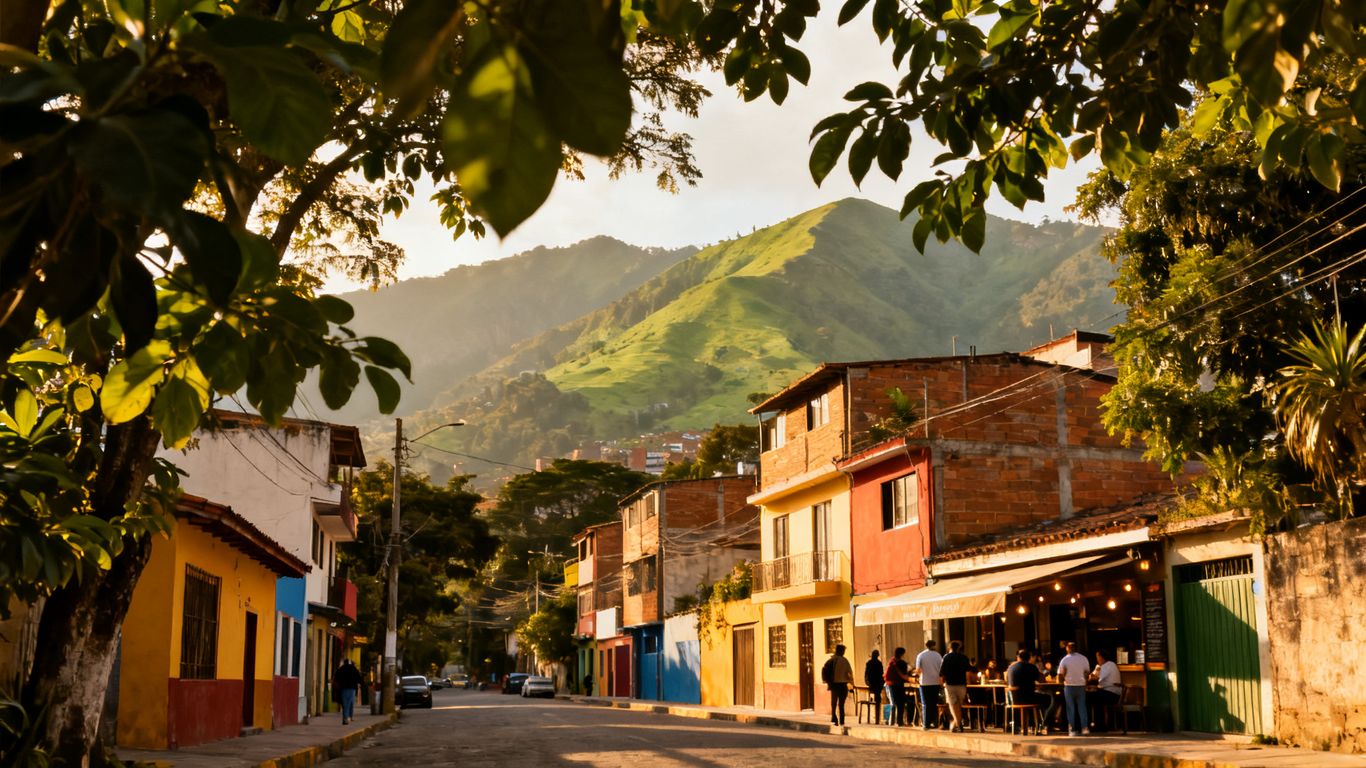
Laureles is often practical for expats who want flatter streets, local restaurants, cafés, and errands within walking distance. Many streets feel residential, although restaurant corridors can become lively at night. We should check the distance to a supermarket, pharmacy, and preferred transport route.
The neighborhood can also make Spanish practice easier because daily commerce is not limited to international businesses. For cultural orientation, the Medellín neighborhoods guide compares Laureles with other common bases. We should still inspect lighting and pedestrian activity on the precise route home.
El Poblado for amenities and international connections
El Poblado offers many furnished apartments, restaurants, coworking options, and services used to international residents. Its hills can make a short map distance feel much longer on foot. Streets near nightlife areas may be noisy, busy, and less suitable for people seeking quiet evenings.
We should inspect the building at night and test the route to transport. Prices often reflect convenience and demand, especially for furnished short stays. A central location does not remove the need for ordinary urban awareness.
Envigado for residential living and local services
Envigado can suit expats who want a more residential setting with established local services. Some areas connect well with the Metro, while others require buses, taxis, or uphill walks. We should confirm municipal boundaries and transport options before assuming a listing is centrally located.
The neighborhood may feel calmer than nightlife-heavy parts of El Poblado. However, the best fit depends on where we work, study, or socialize. A test rental can clarify whether the longer trips are acceptable.
Belén and other areas to consider
Belén includes several distinct sectors, so we should avoid treating it as one uniform housing market. Some parts offer useful local commerce and access to major roads. Others may have steeper streets or longer connections to the Metro.
We can also consider Laureles-Estadio, Sabaneta, or central areas after checking current conditions. The 2026 Medellín city guide provides broader orientation on neighborhoods and transport. We should prioritize the route we will use repeatedly, rather than a dramatic view or attractive listing photos.
How to compare noise, hills, transport, and security
Before choosing, we should visit at three different times: weekday morning, evening, and weekend. That simple test reveals traffic, music, construction, pedestrian activity, and access to transport. We should also ask residents how conditions change during rain or major events.
A short comparison list keeps the decision practical:
- Walk the route between the building and the nearest useful transit stop.
- Check mobile signal and internet options inside the apartment.
- Listen for bars, schools, traffic, generators, and construction noise.
- Identify nearby pharmacies, supermarkets, and well-used streets.
Afterward, we can compare the evidence with our own schedule. A neighborhood that looks convenient online may become tiring when hills and traffic are included.
How much does it cost to live in Medellín?
This expat guide to living in medellin gives a practical answer: monthly costs depend mainly on rent, furnishing, dining habits, transport, and exchange rates. We should create a personal budget instead of relying on one citywide figure. Housing deserves the largest margin of uncertainty.
Typical monthly budgets for different lifestyles
A careful single person using local services may spend less than someone renting a large furnished apartment and dining internationally. Couples and families need to add insurance, schooling, larger housing, and more frequent transport. We should record actual prices during a trial stay.
The following framework helps us compare lifestyles without pretending to offer fixed quotes:
| Expense area | Careful local routine | Comfortable expat routine | Higher-cost routine |
|---|---|---|---|
| Housing | Room or modest apartment | Furnished one-bedroom | Large or premium apartment |
| Food | Markets and local meals | Mixed groceries and restaurants | Frequent international dining |
| Transport | Metro and occasional taxi | Metro, taxis, and ride-hailing | Mostly private rides |
| Services | Basic mobile and internet | Faster plans and subscriptions | Added convenience services |
These categories show where budgets usually diverge. We should price the specific apartment, commute, and food preferences before deciding whether the move is affordable.
Rent, deposits, and short-term housing
Furnished rentals offer flexibility but often cost more per month. Unfurnished leases may require local documentation, a guarantor, or additional screening. Requirements differ by landlord and property manager, so we should request them in writing.
A short-term rental can be useful while we learn the city. We should avoid sending deposits before verifying the owner, address, contract, and payment instructions. Photos are not enough to confirm noise, ventilation, or building maintenance.
Groceries, restaurants, and household expenses
Local markets, neighborhood shops, and supermarkets provide different price points. Imported foods, specialty products, and familiar brands can quickly raise a weekly bill. We should test a normal grocery basket rather than comparing isolated prices.
Eating out also varies sharply by location and venue. Local breakfasts and set lunches may cost less than international restaurants in popular expat districts. The Medellín street food guide can help us understand local staples before planning a food budget.
Utilities, mobile plans, and internet
Utility arrangements depend on the rental contract and building. We should confirm whether electricity, water, gas, administration fees, and internet are included. A furnished listing may include some services while charging separately for others.
Remote workers should test internet speed from the actual apartment. Mobile coverage and backup options matter during outages or installation delays. We should keep enough data for maps, translation, banking, and emergency communication.
Managing currency changes and payment methods
The Colombian peso can move against our home currency, changing the real cost of rent and subscriptions. We should review conversion fees, withdrawal limits, and foreign transaction charges. Keeping a monthly budget in both currencies makes changes easier to see.
We should use secure payment methods and keep modest cash for small shops, transport, or temporary outages. Do not assume every landlord accepts the same payment method. Written receipts and clear records help resolve misunderstandings.
What visas and legal requirements apply to expats?
For this expat guide to living in medellin, the direct answer is that visa needs depend on nationality, purpose, duration, and income source. Tourist permission is not the same as authorization to work locally. We should verify current rules with Colombian authorities before making non-refundable plans.
Tourist stays and permitted activities
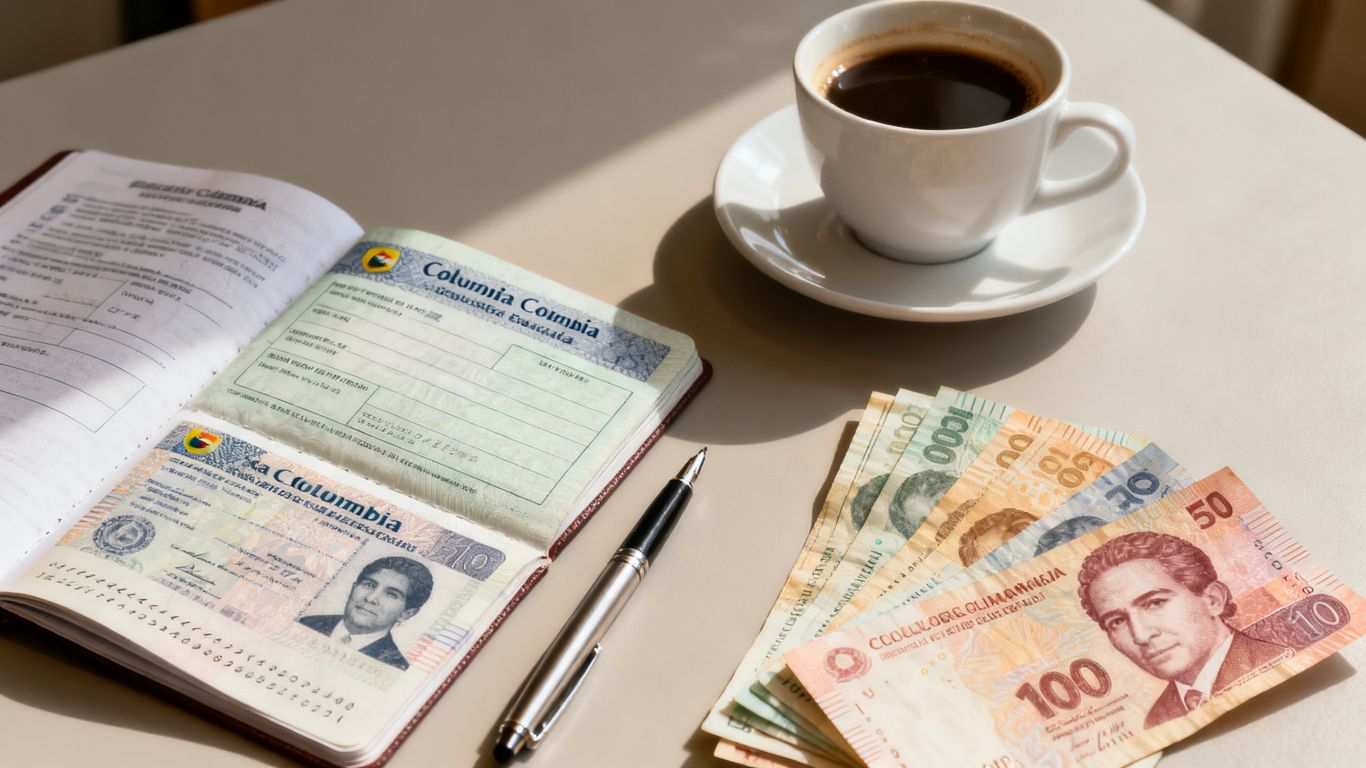
Tourist entry can support visits, exploration, and some business-related activities, subject to current conditions. It does not automatically authorize local employment or an indefinite stay. We should check the permitted duration stamped or recorded at entry.
Overstaying can create fines and future immigration problems. Passport validity, onward travel evidence, and entry records should be kept accessible. Requirements can change, so official sources remain the appropriate reference.
Digital nomad, migrant, and resident visa options
Colombia offers different immigration categories for people working remotely, joining family, investing, studying, or taking local employment. Eligibility normally depends on documents and the purpose of stay. We should distinguish remote work for a foreign employer from employment by a Colombian entity.
The work and living guide discusses employment sectors and work-permit considerations. We should not treat an online summary as approval of our individual case. A qualified immigration professional can identify the correct category.
Documents, translations, and application timing
Applications may require a passport, photographs, proof of income, background documents, and supporting records. Foreign documents may need apostilles, legalizations, or official Spanish translations. Names and dates should match across every document.
We should begin early because obtaining records from another country can take weeks. Digital copies help, but authorities may request specific formats or originals. Keep confirmation numbers and copies of every submission.
Tax residency and foreign income considerations
Immigration status and tax residency are separate questions. Time spent in Colombia, local economic ties, and income arrangements may affect tax obligations. Remote workers should not assume that foreign clients eliminate local reporting responsibilities.
We should track entry and exit dates from the first day. Income, banking, property, and business structures can create additional questions. Cross-border tax advice is usually worth considering before a long stay becomes permanent.
When to seek advice from a qualified professional
Professional advice is sensible when we plan local employment, open a business, bring dependents, buy property, or receive income from several countries. It is also useful after a rejected application or unclear immigration notice. We should choose a licensed adviser with current Colombian experience.
General guides can explain terminology, but they cannot assess our documents. This is one area where paying for a review may prevent larger costs later. Keep written advice and ask what assumptions support it.
How do expats find housing and set up daily services?
This expat guide to living in medellin gives a direct answer: we should rent temporarily first, verify every contract, and arrange services after confirming the address. Housing searches move quickly in popular areas. Patience protects us from rushed payments and unsuitable leases.
Choosing between furnished and unfurnished rentals
Furnished housing works well during a trial period or when we lack household items. It can include kitchenware, appliances, linens, and basic internet, but standards vary. We should photograph the inventory and test appliances immediately.
Unfurnished housing may provide more control and lower long-term costs. It also requires furniture, installation, and sometimes additional paperwork. We should compare the full first-year cost rather than only the advertised rent.
Avoiding common rental and deposit problems
We should verify the owner or authorized agent before transferring money. The contract should identify rent, deposit terms, utilities, administration fees, repairs, notice periods, and inventory. Never rely only on a chat conversation for material promises.
A careful inspection should cover water pressure, locks, windows, appliances, mold, noise, and mobile reception. We should keep dated photographs and written confirmation of defects. If a term is unclear, ask for a Spanish explanation before signing.
Signing up for utilities and internet
Some buildings have established utility accounts, while tenants arrange internet separately. We should ask who pays each bill and how readings are handled. Installation appointments may require someone to remain at home.
A local contact can help with access instructions and building rules. We should test the connection for video calls from the work area, not only near the router. Backup mobile data is useful during the first weeks.
Banking, cash, and local payment platforms
Opening a local account may require immigration documents and proof of address. Until then, we can plan for card payments, cash withdrawals, and international transfers. Fees and exchange rates deserve comparison before we move regular income.
Local payment platforms can be convenient for small transfers and household services. We should protect passwords, avoid sharing one-time codes, and confirm recipients carefully. Keep an emergency payment method separate from our daily wallet.
Building a reliable network of local providers
Recommendations from neighbors, building staff, coworkers, and community groups can help us find cleaners, technicians, tutors, and repair workers. We should start with small jobs and clarify price, timing, and materials. Reliability becomes easier to judge after several interactions.
We may occasionally research unrelated practical needs while settling abroad. For example, non-invasive pain relief, sun damage guide, About Batterie, and Evercare medical weight loss address specialized topics outside housing. They should not substitute for local professional advice, but organized research habits are useful during a move.
How do expats get around Medellín?
For this expat guide to living in medellin, the direct answer is that the Metro system, buses, walking, taxis, and ride-hailing cover most routine trips. We should learn one dependable route before exploring alternatives. Travel time can change sharply during rain and peak traffic.
Using the Metro, Metroplús, and cable cars
The Metro connects important parts of the valley, while Metroplús and integrated buses extend the network. Cable cars connect hillside communities and provide practical links as well as views. We should check operating hours, fares, transfers, and station exits before leaving.
Keeping belongings secure matters in crowded stations and vehicles. We should use official payment procedures and follow local instructions. The city’s Metro navigation guide offers additional planning context for visitors and new residents.
Taxis, ride-hailing apps, and airport transfers
Taxis remain common for short trips, while ride-hailing apps can simplify pickup details. We should confirm the vehicle, driver, route, and final charge before entering. At night, door-to-door transport may be preferable to walking long distances.
The airport is outside the central valley, so transfers require extra time. We should allow for traffic and coordinate the exact building entrance. Avoid accepting unsolicited transport offers at busy arrival points.
Walking, cycling, and navigating steep streets
Walking is practical in flatter sectors with active sidewalks and nearby services. Hills, uneven pavement, heat, and sudden rain can make short trips demanding. Comfortable shoes and a charged phone are basic necessities.
Cycling suits some routes, but traffic conditions and hills require confidence. We should use well-used roads, secure bicycles properly, and avoid assuming that a map route feels comfortable in person. Local cyclists can explain safer alternatives.
Travel times between major neighborhoods
Map distances do not tell the entire story. A trip between Laureles, El Poblado, Envigado, Belén, and central areas may vary with transfers, hills, and congestion. We should test the exact journey at the time we expect to travel.
A home near a station may save more time than a larger apartment farther uphill. We should also calculate the return trip, especially after evening activities. Commute fatigue is easy to underestimate during a short visit.
Practical considerations for driving or buying a vehicle
Driving can help with regional travel but may add insurance, parking, maintenance, traffic, and licensing concerns. We should first understand local road behavior and parking arrangements. Motorcycles require additional caution because traffic conditions are demanding.
Buying a vehicle is a larger commitment than using taxis or public transport. We should verify ownership records, inspection requirements, outstanding obligations, and mechanical condition. Professional inspection can be worthwhile before any payment.
What is everyday life like for expats in Medellín?
This expat guide to living in medellin gives a direct answer: everyday life becomes easier when we combine local routines, practical Spanish, community connections, and current safety habits. The city offers social opportunities, but friendships usually develop through repeated contact. We should give ourselves time to adjust.
Making friends through language and community groups
Language exchanges, sports clubs, coworking spaces, classes, and neighborhood groups can create regular contact. We should attend more than once because a single event rarely builds familiarity. Mixing international and Colombian social circles can improve both language skills and local understanding.
A hands-on cultural activity can be another way to meet people. The Colombian Cacao Experience in Laureles is a bean-to-bar workshop involving roasting and grinding cacao, with sessions conducted in English. It lasts approximately 3.5 hours, and we should confirm current availability before booking.
Understanding local etiquette and social expectations
Greetings, punctuality, invitations, and personal questions may differ from what we expect at home. We should observe how people introduce themselves and respond warmly without assuming every custom applies everywhere. Courtesy toward building staff, vendors, and neighbors matters.
Photography in markets and residential areas deserves permission. We should avoid treating local neighborhoods as backdrops. Learning a few polite Spanish expressions often changes the tone of ordinary interactions.
Accessing healthcare, pharmacies, and insurance
We should identify a nearby pharmacy, clinic, and emergency route soon after arrival. Prescription names and availability may differ, so keeping medical records and medication details is sensible. Private insurance, travel insurance, and local coverage have different exclusions.
We can ask a licensed provider about pre-existing conditions, emergency treatment, and reimbursement procedures. Do not wait until an urgent situation to learn which documents are required. Pharmacies may offer guidance, but they do not replace medical assessment.
Working remotely or finding local employment
Remote workers should confirm visa permissions, tax exposure, internet reliability, and time-zone requirements. Coworking spaces and cafés can provide alternatives when a rental is unsuitable for work. We should protect confidential calls and devices in public settings.
Local employment requires separate authorization and may involve contracts, payroll, and professional credentials. The remote work and expat overview discusses transport, climate, and community considerations. We should verify employment rules independently before accepting an offer.
Staying informed about safety and changing conditions
We should follow local alerts, building notices, transport updates, and advice from trusted residents. Avoiding isolated routes, protecting phones, and using discreet bags are ordinary precautions. Conditions can change by neighborhood and time of day.
Our routine should include a backup route, emergency contacts, and copies of important documents. We can ask neighbors which streets they use after dark and which services they trust. Awareness works best when it remains calm and specific.
Conclusion
Medellín can be a practical home for expats who test neighborhoods, budget honestly, confirm legal requirements, and build local routines before committing. We should stay flexible, keep learning Spanish, and use current local advice rather than relying on broad stereotypes. Written by the editorial team at Things To Do Medellin, featuring local insights and verified recommendations from the city’s top-rated cultural artisans.
Frequently Asked Questions
Is Medellín a good place for expats to live?
Medellín can suit expats seeking mild weather, public transport, services, and an active social scene. The right fit depends on neighborhood, budget, language ability, and legal status.
Which Medellín neighborhood is easiest for a first long stay?
Laureles is often practical for walkability and a quieter routine, while El Poblado offers more international services. We should inspect specific streets before choosing either area.
How much money do we need each month in Medellín?
There is no single reliable figure because rent, furnishing, dining, transport, and exchange rates vary. We should build a personal budget from actual housing and spending preferences.
Can expats work remotely from Medellín?
Remote work may be possible under an appropriate immigration category, but permission depends on the person’s circumstances and income source. We should confirm visa and tax rules before working from Colombia.
Is Spanish necessary for daily life in Medellín?
English may work in some expat-facing businesses, but Spanish is valuable for leases, repairs, healthcare, banking, and government services. Basic practical phrases can reduce misunderstandings considerably.
How do expats usually get around Medellín?
The Metro, integrated buses, cable cars, taxis, ride-hailing, and walking cover many daily journeys. Hills, rain, congestion, and late-night conditions should be included in route planning.
Should we rent before moving permanently?
A short furnished rental lets us test noise, transport, internet, weather, and neighborhood routines. It also gives us time to verify documents and compare longer-term housing options.