
Key Takeaways
The palace is a central Medellín landmark known for its Gothic Revival design and cultural role. We can enjoy its exterior even when interior access or programming needs checking.
- The palace stands beside Berrío Park in central Medellín.
- Agustín Goovaerts designed the building in a Gothic Revival style.
- Its black-and-white façade and decorative details reward a slow look.
- Cultural activities and interior access can vary, so check before visiting.
- Plaza Botero and Museo de Antioquia are nearby stops.
What is Palacio de la Cultura Rafael Uribe Uribe?
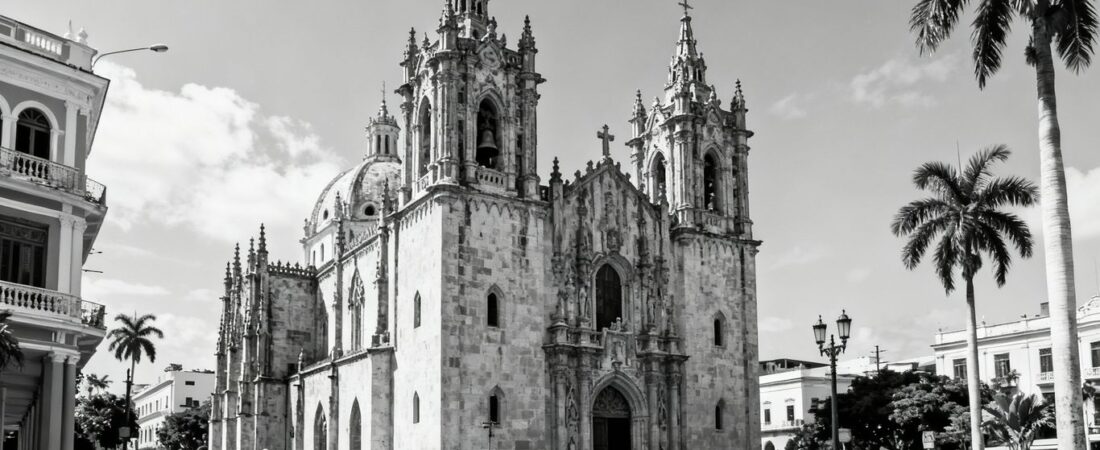
The palacio de la cultura rafael uribe uribe is a historic cultural building in central Medellín. We can see its distinctive façade near Berrío Park and explore the surrounding museum district. It serves as the headquarters of Antioquia’s Institute of Culture and Heritage. What visitors can access inside may depend on current programming and building rules.
Its location in central Medellín
The palace sits in the downtown area, beside Berrío Park and close to several major cultural landmarks. The nearby streets are busy, so we can plan this as one stop in a central-city walk. The location also makes it easy to pair an exterior visit with nearby public art and museums.
Its role as a cultural landmark
The palace is more than a striking historic façade: it is associated with cultural programs and heritage work in Antioquia. Its halls and rooms have hosted artistic events, including exhibitions, though current offerings may differ. We can check the institute’s current notices rather than assume an exhibition is on during our visit.
What visitors can expect from a visit
We can expect a memorable architectural stop, with possible access to cultural spaces depending on the day. The palace’s central cultural role gives it a different feel from a monument viewed only from the street. For a practical first look, take in the exterior and nearby civic spaces, then confirm whether interior areas are open.
How the palace became a Medellín landmark
The palace began as a major public building and later became closely associated with culture and heritage. Its construction began in 1925, and its design gave the city center an unusual Gothic Revival presence. Today, its architecture and institutional role make it a recognizable stop in Medellín’s historic core.
Its origins as a government building
Construction began in 1925, when the building was planned for departmental government use. Its imposing scale and detailed exterior suited a formal civic purpose. The palace’s history is therefore tied both to public administration and to the changing uses of central Medellín’s historic buildings.
The architect behind its design
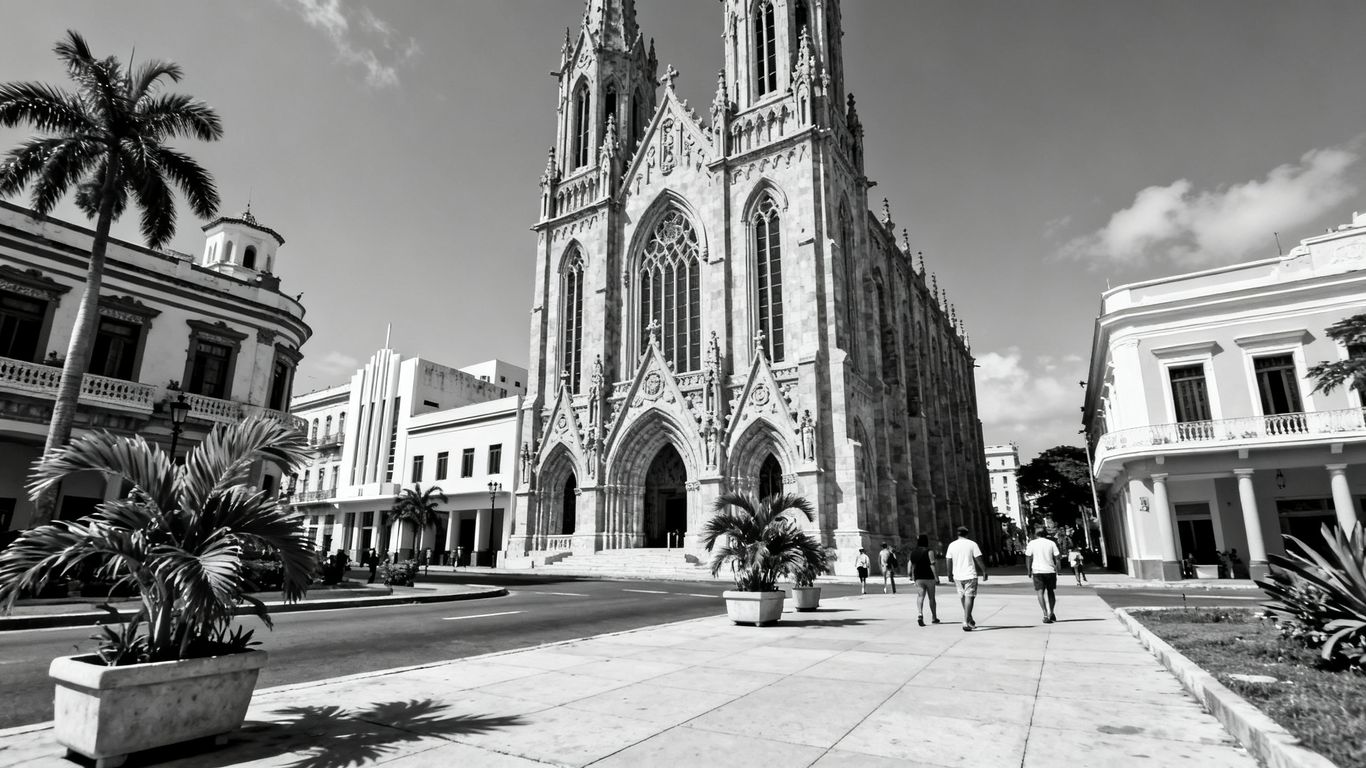
Belgian architect Agustín Goovaerts designed the palace in a Gothic Revival style. That choice is apparent in its vertical lines, pointed forms, and ornamental treatment. The result stands apart from many neighboring buildings, making the palace easy to recognize as we approach from nearby streets.
How its purpose has changed over time
The building is now the headquarters of the Institute of Culture and Heritage of Antioquia, and it has hosted artistic activities. Those uses connect the palace’s public history with contemporary cultural work. The program can change, so we should treat past exhibitions as context rather than a promise of what we will find today.
What to look for in the architecture
The palace is especially rewarding when we slow down and look beyond its overall silhouette. Its dark-and-light exterior, Gothic Revival details, and relationship to the surrounding streets all contribute to its distinctive character. We can view it from more than one angle without needing a long visit.
The distinctive black-and-white façade
The façade’s contrasting tones make the palace stand out among central Medellín’s varied buildings. From across the street, we can take in the full composition; closer up, smaller architectural details become easier to notice. A short pause to compare both views gives us a fuller impression than a quick photograph alone.
Gothic-inspired details and decorative features
Goovaerts’s Gothic Revival design includes pointed shapes and ornamental details that draw the eye upward. We can look for the contrast between the building’s strong overall mass and its finer decorative elements. A few minutes spent observing the windows, towers, and façade patterns helps explain why the palace feels different from nearby civic architecture.
Views of the palace from nearby streets
Nearby streets offer different perspectives, from broad views of the façade to closer views of its edges and details. The palace also sits among other recognizable central-city landmarks, so it can be part of a broader walking route. We can use this Palacio de la Cultura guide for another overview of its setting and cultural role.
What to see inside the palace
Interior access can add context to the visit, but it should not be assumed. The palace has been associated with cultural events and exhibitions, while the specific spaces open to visitors may vary. We can check current information before setting expectations for galleries, archives, or other areas.
Public areas and cultural spaces
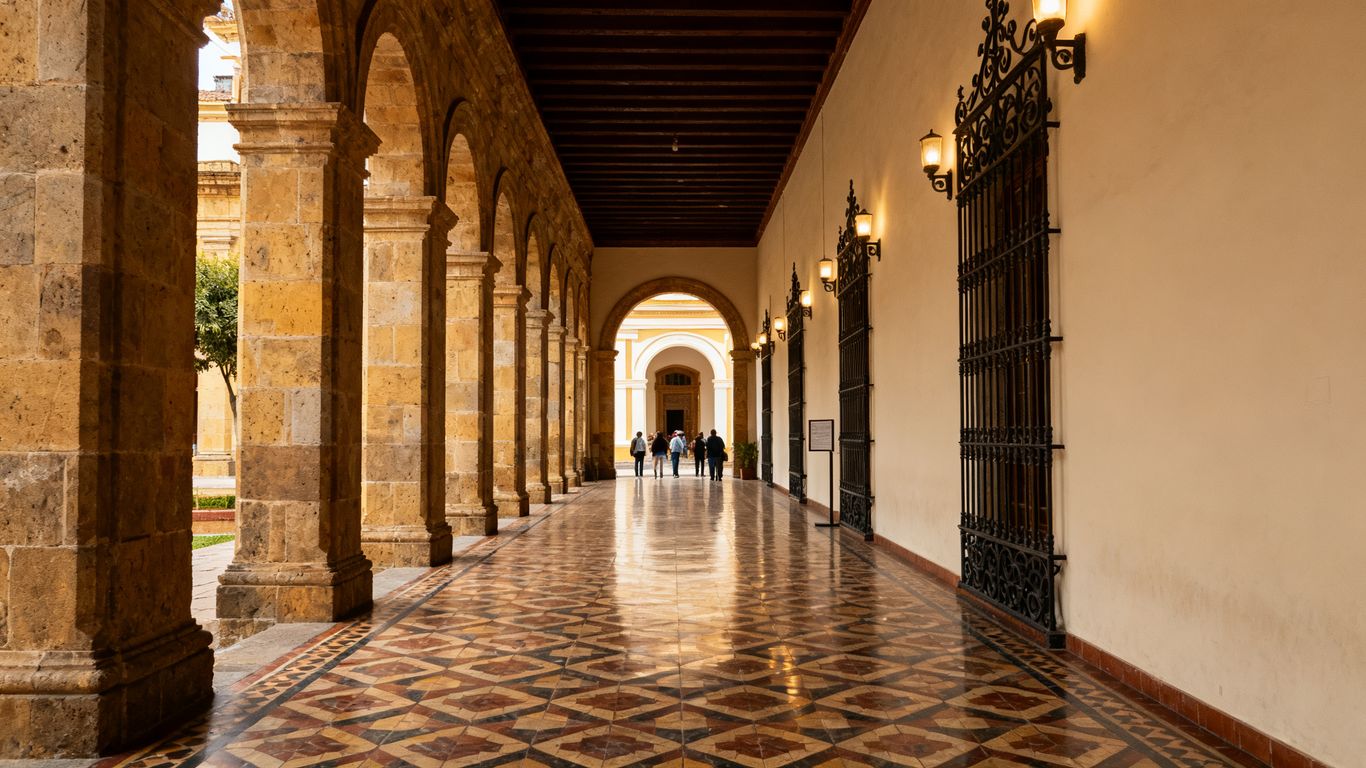
The building’s corridors, halls, and rooms are part of its architectural interest, and cultural activities have taken place within them. Access to any particular area depends on current arrangements. If the doors are open, we can follow posted guidance and ask staff which spaces are available rather than wandering into restricted areas.
Exhibitions and events that may be on offer
Art exhibitions and other cultural events have been hosted at the palace, but schedules change. Before visiting, we can look for announcements from the Institute of Culture and Heritage of Antioquia. That simple check helps us distinguish a building visit from a visit timed around a specific event.
How to check access before arriving
Access details are best confirmed through current official information, since hours, events, and visitor rules can change. The links below address unrelated topics and do not verify palace logistics, so they are not substitutes for checking directly. For the palace itself, we should confirm the practical details that shape a visit.
| Detail to confirm | Why it matters |
|---|---|
| Current opening hours | Hours may change by day or event |
| Interior access | Not every room may be open |
| Exhibition schedule | Programming can change |
| Visitor rules | Photography or entry conditions may apply |
These checks help us avoid planning around a space or event that is unavailable. Unrelated resources on car shipping, pendant lighting, chronic urinary conditions, activity archives, and art investment do not establish current access details. For reliable planning, we should use the palace’s own current notices.
How to plan a visit
The palace is an easy addition to a central Medellín itinerary, particularly when paired with nearby sights. We can keep the stop brief if we only want to see the exterior, or allow more time if interior spaces or an event are open. Since access information can change, checking before departure is the most useful planning step.
Finding the palace in the city center
The palace is next to Berrío Park, within a cluster of central landmarks that includes museums and churches. We can orient ourselves around the park and use the nearby Metro area as a reference point. Central streets can be crowded, so it is sensible to keep personal belongings close and stay aware of our surroundings.
Allowing time for a brief stop or longer visit
A short exterior stop works well if our schedule is tight, while an open exhibition or event can make the visit longer. We can leave flexibility in the itinerary instead of assigning a fixed duration without knowing what is accessible. For a simple sequence, we might:
- Walk around the exterior and note the façade from more than one angle.
- Check whether any cultural spaces are open to visitors.
- Pair the stop with Plaza Botero or Museo de Antioquia.
- Leave extra time if an exhibition or event is scheduled.
This flexible approach lets us enjoy the architecture without rushing through nearby attractions. If interior access is unavailable, the exterior and surrounding historic center still make a worthwhile stop.
Checking current opening hours and visitor rules
Opening hours and visitor rules are not guaranteed to remain the same, so we should confirm them close to the day of our visit. We can check official channels for notices about access, events, and any photography restrictions. A quick confirmation is more useful than relying on outdated listings or assumptions about public entry.
What else to see nearby
The palace sits among several of Medellín’s best-known central cultural stops. We can combine architecture, outdoor sculpture, and museum collections in one walk, while allowing time for busy streets and museum visits. The order can depend on opening times and how much time we want indoors.
Plaza Botero and its outdoor sculptures
Plaza Botero is known for its monumental outdoor sculptures by Fernando Botero, making it a natural companion to the palace. The public space is close enough to include in the same central-city outing. We can read more about the sculptures and the plaza in this Plaza Botero visitor guide.
Museo de Antioquia
Museo de Antioquia is another major cultural stop near the palace and Plaza Botero. Its collections give us a museum-based complement to the palace’s architecture and public role. We can check the museum’s current hours and exhibits separately, then decide whether to visit both institutions on the same day.
Other historic sites in central Medellín
Berrío Park, the Candelaria Basilica, and Veracruz Church add context to a walk through the center. These sites are close enough to make a compact route, though the area’s busy streets call for ordinary city awareness. We can also browse a wider central Medellín attractions guide when building a longer downtown itinerary.
Conclusion
Palacio de la Cultura Rafael Uribe Uribe is worth seeing for its Gothic Revival architecture, central location, and continuing cultural role. We can enjoy the exterior on a brief stop, then check current access before planning around interior spaces or events. Nearby museums and public sculptures make it easy to extend the visit.
Frequently Asked Questions
Where is Palacio de la Cultura Rafael Uribe Uribe?
It is in central Medellín beside Berrío Park. Several museums and historic sites are nearby.
Who designed the palace?
Belgian architect Agustín Goovaerts designed the building. Its style is Gothic Revival.
When did construction begin?
Construction began in 1925. The building was originally planned for government use.
Can visitors go inside the palace?
Interior access may depend on current arrangements and events. Check official information before visiting.
What is the palace used for today?
It serves as the headquarters of the Institute of Culture and Heritage of Antioquia. Cultural programming and events have also taken place there.
What is near the palace?
Plaza Botero, Museo de Antioquia, Berrío Park, and several historic sites are nearby. They can be combined in a central Medellín walk.
How much time should we allow for a visit?
A brief exterior visit can be short, while open cultural spaces or events may take longer. We should leave room for nearby museums if they are part of our plan.