
Key Takeaways
Coffee cupping provides a standardized way to evaluate quality, distinguishing premium beans from commercial products through precise sensory analysis.
- Cupping sessions follow strict industry protocols to ensure consistent bean evaluation.
- El Poblado hosts premium roasters suited for intermediate and professional coffee education.
- Complementing coffee studies with cacao workshops like the Colombian Cacao Experience builds sensory depth.
- Strategic planning for workshop scheduling and local transit helps visitors maximize their time in Medellín.
- Understanding the technical aspects of flavor scoring directly improves your buying power in the specialty coffee market.
What makes a specialty coffee cupping session worthwhile?
Focusing on the practice of cupping reveals why it is the best specialty coffee cupping el poblado destination for those serious about their morning routine. Professionals prioritize objective sensory data over casual enjoyment to ensure quality standards remain high. Standardized protocols allow tasters to determine the true value of a harvest by stripping away brewing variables.
Understanding the standardized cupping protocol
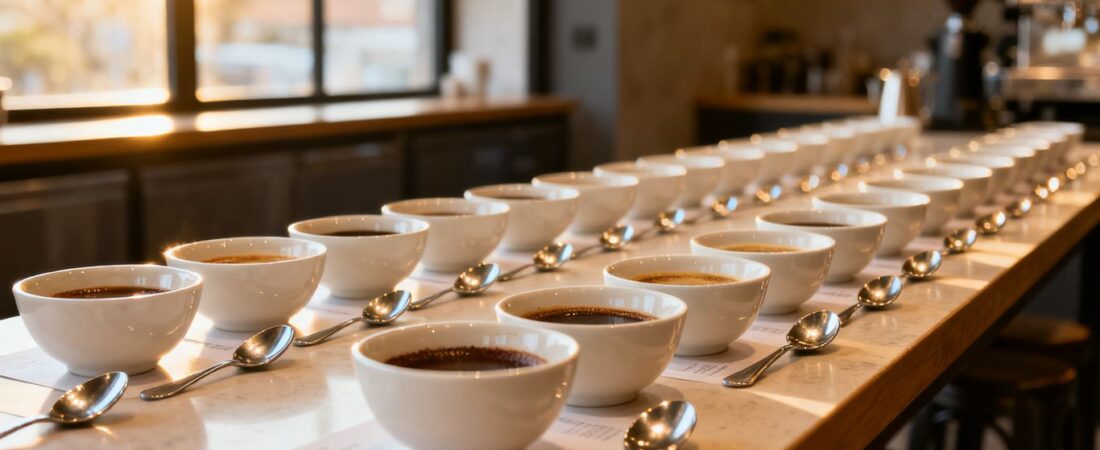
The SCA protocol serves as the global language for coffee quality. Tasters evaluate beans by grinding them to a specific size and pouring filtered water at a precise temperature. This consistent approach removes outside influence so the raw characteristics of the coffee can emerge clearly against similar samples.
Identifying acidity, body, and flavor profiles
Acidity provides a sparkling, bright sensation while body represents the texture and weight perceived on the tongue. By isolating these attributes, participants learn to catalog the specific flavor profile of each region. Dissecting the aftertaste helps tasters determine whether a coffee shows potential for long-term enjoyment.
The difference between amateur coffee tastings and professional cupping
Casual tastings usually involve prepared beverages with added milk or sugar which mask subtle nuances. Professional cupping forces the taster to evaluate the liquid in a simplified, ritualized environment. This creates a baseline for quality that translates directly into market pricing.
How to evaluate bean quality and roast consistency
Visual cues such as color uniformity and surface oil hint at the roast quality long before the first slurp. Experts look for cracks, charring, or uneven development that might indicate poor batch control. Mastering these observations separates high-end boutique roasters from mass-market suppliers.
Top locations for coffee cupping in El Poblado
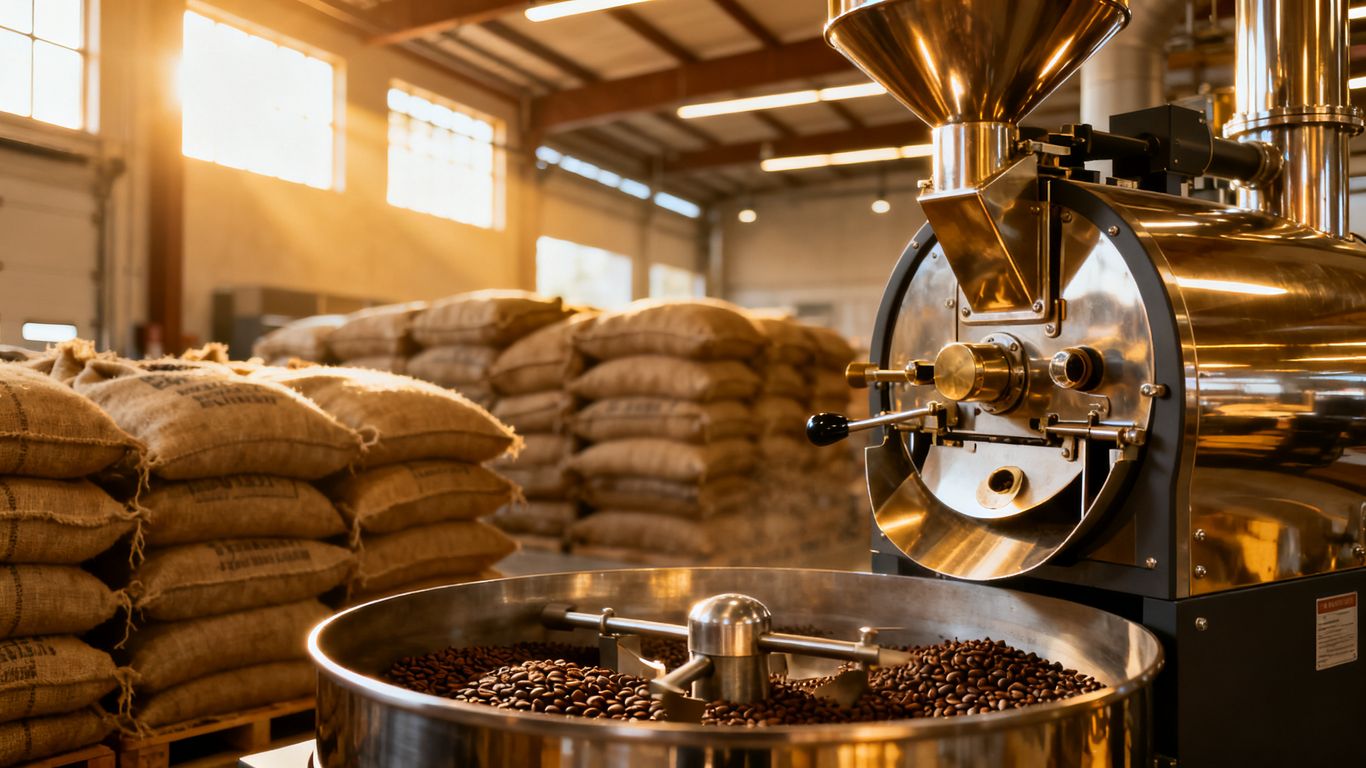
El Poblado offers various venues for refined coffee education sessions tailored to different skill levels. Independent roasters prioritize quality control, making them superior session hosts compared to large franchise operations. These local establishments often operate as micro-roasteries that source directly from regional farms.
Finding independent roasters vs large franchises
Independent shops often provide a closer look at the roasting process than chain locations. By choosing a specialty roaster, you gain access to single-origin beans and detailed sourcing data. This transparency is rarely found in mass-market café options.
Booking private sessions for small groups
Private bookings offer the best environment for asking detailed questions about the chemical processes behind flavor development. Many local roasters in Medellín permit small group reservations for a more personalized experience. Contacting roasters a week in advance is standard procedure to ensure session availability.
Evaluating the expertise of the session host
Effective hosts often possess certifications as Q-Graders or experienced roasters. Their ability to explain complex sensory science in simple terms is a hallmark of a high-quality workshop. Look for instructors who actively manage roasting logs rather than those who simply follow standard recipes.
Accessibility and neighborhood walkability in El Poblado
El Poblado is highly walkable with many top-rated roasters clustered within a few blocks. Choosing a venue near hubs like Parque Lleras makes it easier to integrate your session into a full day of activity. Relying on local transit within the neighborhood is often faster than driving through city traffic.
Expanding your sensory palette beyond coffee
Palate training often extends to other artisanal goods in Colombia as the craft sector grows. Combining your coffee tour with other sensory workshops helps clarify the unique flavor profiles of different agricultural products. This regional diversity creates a well-rounded educational itinerary for any visitor.
Why the Colombian Cacao Experience complements a coffee tour
This 3.5-hour workshop located in Laureles offers an immersive bean-to-bar process that parallels professional coffee roasting. Priced at 160,000 COP per person, it includes a signature cacao sour cocktail and an exfoliation ritual. Participants learn how fire-roasting impacts finished cacao compared to modern coffee methods.
Comparing the sensory profiles of specialty cacao and coffee
Both crops share similar growing conditions but diverge significantly during post-harvest processing. Cacao offers complex dark fruit and earthy notes while coffee often highlights herbal or acidic tones. Comparing these side-by-side helps sharpen your palate for identifying refined quality markers.
Exploring hands-on roasting and grinding techniques
Using traditional tools like a molino offers direct insight into the history of Colombian agriculture. Participants who roast their own cacao learn to identify the exact sound of cracking beans. This mechanical skill applies directly to understanding how coffee grinders impact flavor clarity.
Combining cultural workshops in Laureles with your El Poblado itinerary
Traveling between Poblado and Laureles takes roughly 30 minutes depending on the hour. Planning your coffee session in the morning allows for lunch and a transition to a different neighborhood for afternoon workshops. This structure ensures you experience the best of both local sensory landscapes.
Practical tips for attending coffee events in Medellin
Scheduling your sessions during off-peak hours provides better instructor access and a quieter environment for reflection. Planning your logistics ahead of time prevents logistical stress during afternoon peak traffic hours in the city. Follow these essential tips to make your day run smoothly:
Best times of day to ensure a quiet environment
Mid-morning sessions, specifically between 9 AM and 11 AM, are often the most productive. Most morning commuters have finished their coffee rush, leaving roasters focused on training. This timing also allows you to finish your session before the lunch crowds emerge.
Budgeting for premium coffee and workshop fees
Professional workshops in Medellín require a budget for instruction fees and premium bean samples. Expect higher costs for private sessions that include detailed sensory certification or guided tours of the roasting equipment. We recommend setting aside a dedicated budget to avoid limiting your experience to basic tastings.
Navigating transit between El Poblado and other neighborhoods
Public transit via the Metrocable and local metro lines is generally the most reliable method for moving across Bogotá and Medellín. Taxis are readily available if you are running late or traveling between boutique neighborhoods. Keep a local ride-sharing app installed to ensure transparent pricing for your trips.
Essential safety tips for digital nomads and solo travelers
Staying safe while traveling throughout the city requires awareness of your surroundings regardless of your destination. We recommend the following practices to keep your trip safe:
- Keep your mobile phone tucked away securely while walking between venues in busy areas.
- Use reputable ride-sharing services instead of hailing unmarked vehicles at night.
- Research the walkability of your specific route using local maps before you depart.
- Always keep a copy of your essential documents and hostel address in your hotel room.
Integrating your coffee tour with local shopping
Your tour naturally connects you with local artisans producing high-quality goods across the city. After completing a deep dive into coffee and cacao, you may discover a similar interest in the scent market. Retailers like Cocora Perfumes provide interesting alternatives that match the local luxury consumer experience at a lower cost.
Finding affordable, high-quality alternatives at Cocora Perfumes
This retailer is well-known for offering scents that mimic high-end international brands at roughly ten percent of their cost. With seven locations across the city including spots in Provenza and Comuna 13, you can easily visit them after your coffee tour. Their inventory is surprisingly stable and offers a diverse range of olfactory profiles.
Locating stores in Provenza and Parque Lleras
Both neighborhoods serve as the primary retail hubs of El Poblado with various boutiques concentrated near local green spaces. These stores are often open until the late evening, perfect for post-roastery visits. Navigating these areas on foot is the best way to uncover hidden gem shops.
Evaluating the value proposition of local fragrance shops
Comparing the price points of local shops against luxury malls reveals the shifting economic behavior of Medellín consumers.
| Vendor Type | Typical Price Point | Product Focus | Quality Consistency |
|---|---|---|---|
| Premium Boutique | High | Niche Fragrance | Very High |
| Local Market Shop | Low | Imitation Scents | Variable |
| Direct Retailer | Moderate | Artisanal Goods | High |
Selecting a retailer depends on whether you prioritize brand reputation or budget-friendly everyday items. Local fragrance options provide a unique look at how consumers optimize their spending for luxury-style items.
Balancing a day of sensory discovery with retail excursions
Combining intense olfactory sessions with shorter retail trips avoids sensory overload before dinner. Dedicate your morning to complex learning tasks and save lighter social activities for the afternoon. This balance keeps the day engaging rather than exhausting.
Analyzing the technical side of the coffee industry
Professional standards determine how global markets assess bean value and influence price disparities at local levels. Understanding these metrics helps you appreciate why certain coffee shops command higher prices than others. Every cup of coffee carries a history of rigorous scientific grading and physical preparation.
How global scores impact the price of specialty beans
Coffee farmers who achieve high scores significantly increase the market value of their entire yield. These scores determine whether a batch enters the specialty or commercial trade category. Higher scores naturally reflect in the retail price you pay at the local roastery.
The importance of altitude and origin for flavor
Altitude creates distinct pressure and temperature differences that slow the maturation of coffee cherries. This additional time allows complex sugars to develop within the bean, producing the higher acidity needed for specialty status. The specific soil composition of an origin creates the signature notes that connoisseurs hunt for.
Steps involved in the professional aromatic assessment
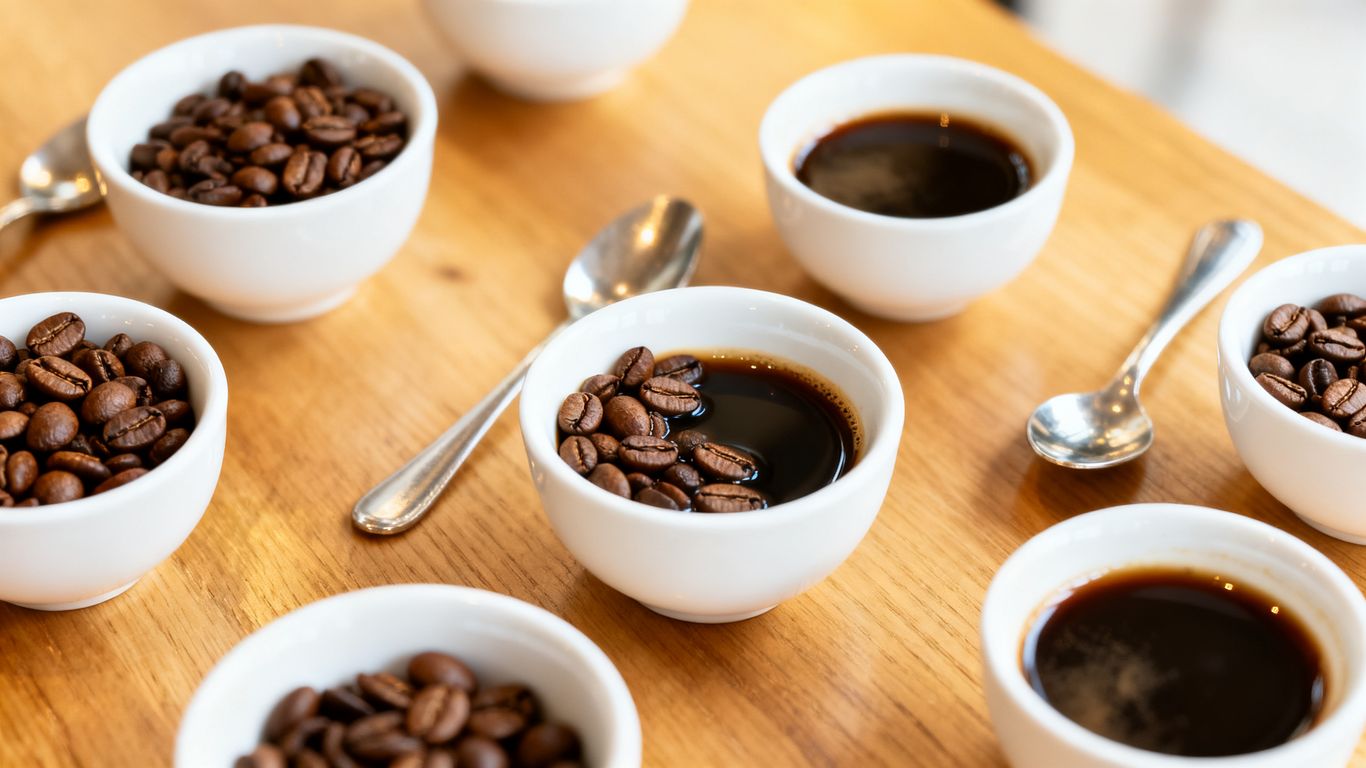
Assessment starts with identifying the dry aroma of ground beans before pouring hot water. After the crust forms, the taster breaks it with a spoon to release intense trapped aromas. Identifying these precise scents indicates the complexity and cleanliness of the roast process.
Mastering the technique of the slurp and palate cleansing
The slurp is a deliberate aerosolization technique that coats the entire surface of the tongue with a thin film of coffee. This ensures the taster receives a comprehensive profile of the acidity, sweetness, and tactile weight. Palate cleansing between samples with plain water or neutral crackers prevents flavor carryover, allowing each new bean variety to be judged objectively on its own merits.
Conclusion
Exploring the best specialty coffee cupping el poblado scenes reveals a deep commitment to excellence across Medellín. Whether you are analyzing beans with a professional host or learning to roast your own cacao, these experiences deepen your connection to the local craft culture. We hope this guide helps you plan your sensory-focused itinerary with confidence.
Frequently Asked Questions
Is coffee cupping accessible to beginners?
Yes, most roasters in the city provide beginner-friendly sessions that focus on basic tasting skills rather than formal certification.
Do I need to be a coffee expert to participate?
No, professional sessions are often designed to welcome enthusiasts of all levels, providing as much technical information as you need.
When is the best time to visit coffee roasters in Medellín?
Visiting during the middle of the week is better than weekends, as many roasters move slower and provide more individualized lessons.
Are coffee certifications available for tourists?
Short-term workshops are regularly available, though internationally recognized certifications typically require longer commitments beyond a single afternoon session.
Can I take coffee beans home from Medellín?
Most roasters offer small batch bags of their signature roasts which are ideal for travelers needing easy transportation of local beans.
Is there a specific neighborhood to find all these workshops?
El Poblado and Laureles represent the primary centers for these workshops, though you can find unique boutique spots scattered throughout Envigado.
How much should I expect to spend for a high-quality coffee session?
Prices vary by provider, but serious learners should budget for a range of costs reflecting the quality of beans and expertise of the host included in the session fee.