
To help you remember the highlights of our flavorful exploration of Medellin’s street food, here are the main points to keep in mind. These are the tastes and experiences you won’t want to miss.
Key Takeaways
- Bandeja Paisa is a massive, must-try platter representing Antioquia’s flavors.
- Arepas are a versatile staple, found in many forms from simple to stuffed.
- Don’t miss sweet treats like Mango Biche and refreshing Salpicón.
- Savory snacks like Arepa de Huevo and Carimañola offer unique textures and tastes.
- Exploring local markets like Plaza Minorista is key to finding authentic bites.
Savoring Antioquia’s Signature Flavors
We explore the distinct tastes of Antioquia. This region offers unique dishes. We focus on local ingredients and preparation methods. These flavors define the area’s culinary identity.
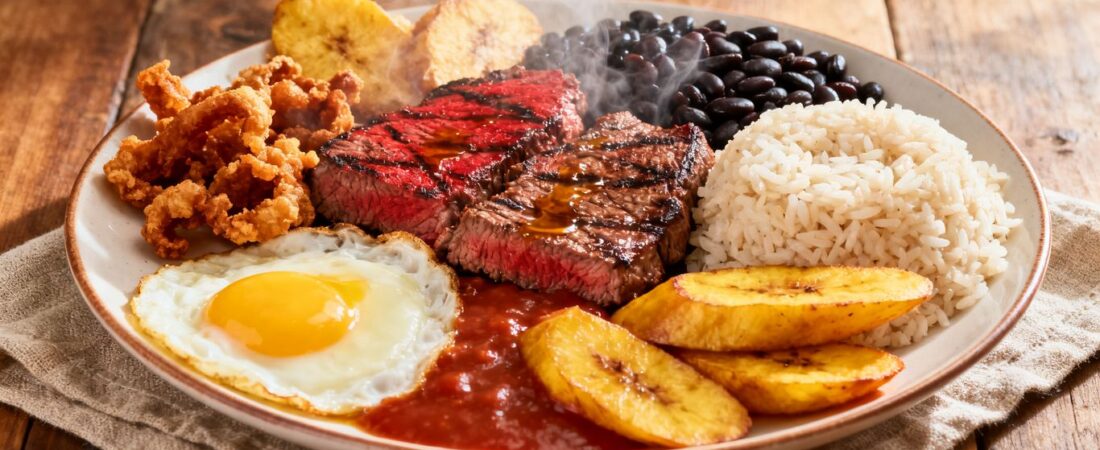
The Iconic Bandeja Paisa
The Bandeja Paisa is a substantial meal. It represents the region’s agricultural heritage. This dish is a true Antioquian classic. We often see it served for lunch or even breakfast.
Key Components of Bandeja Paisa:
- Rice
- Beans (Frijoles)
- Ground beef
- Chicharrón (fried pork belly)
- Fried egg
- Plantain (Plátano maduro)
- Arepa
- Avocado
This plate is known for its generous portions. It provides a full sensory experience. We find it in many local eateries. It’s a dish meant to be shared or savored slowly. It’s a good way to understand Colombian cuisine.
Arepa Antioqueña: A Staple Snack
The Arepa Antioqueña is a corn-based delight. It is flatter and thinner than other regional arepas. We often eat it grilled or fried. It serves as a base for many toppings.
We enjoy it with cheese or butter. Sometimes it comes with a side of hogao, a tomato and onion sauce. It’s a versatile food item. You can find it at street stalls and restaurants. It’s a simple yet satisfying part of our diet.
Crispy Chicharrón Delights
Chicharrón is a popular pork belly dish. We prepare it by slow cooking and then frying. This results in a crispy exterior and tender interior. It’s a rich and flavorful component of many meals.
We often eat it as a side dish. It adds a salty crunch to our plates. You can also find it as a filling in other foods. Its texture and taste are quite distinct. We consider it a treat.
Chicharrón is a testament to our love for pork. The preparation focuses on achieving the perfect crisp. It is a highlight of many traditional meals.
Exploring Medellin’s Sweet Street Treats
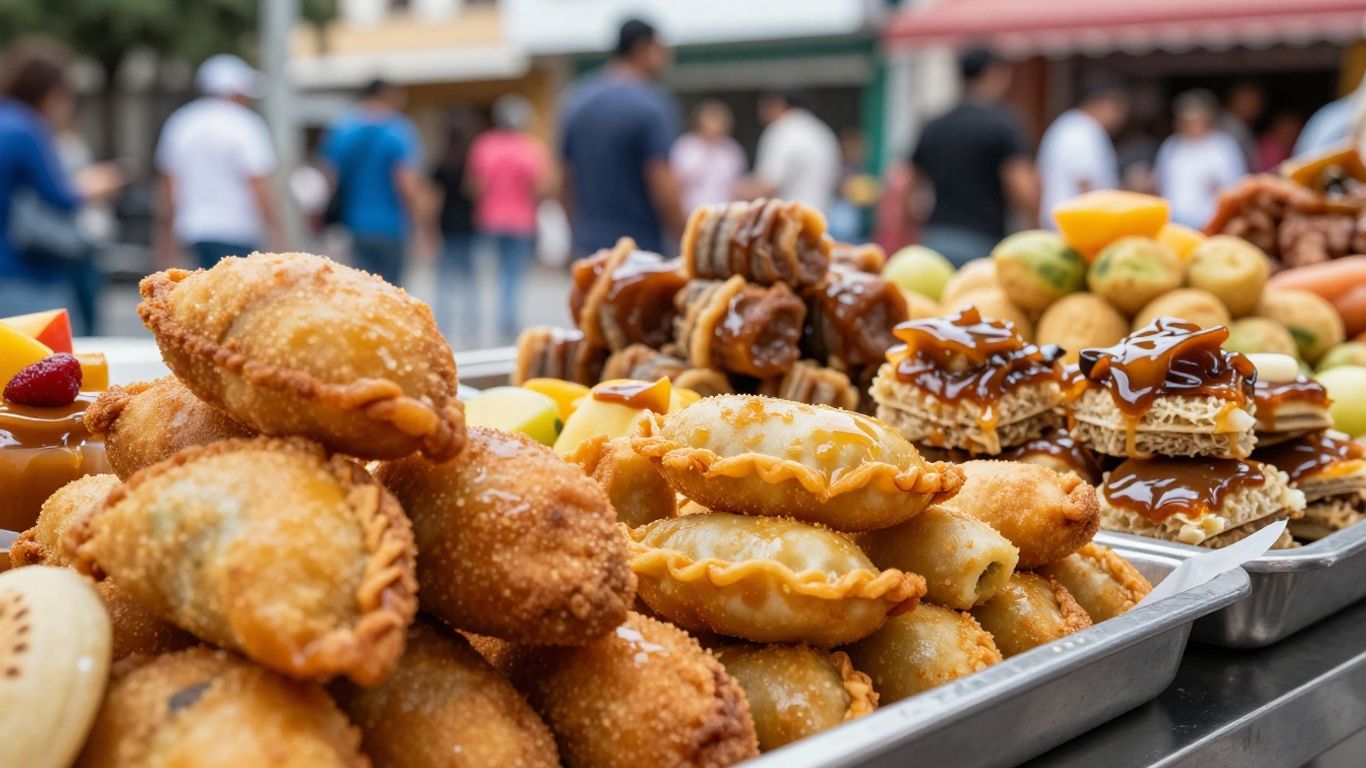
What street sweets should we try in Medellin? Medellin’s street food scene offers distinct sweet treats, including tangy mango biche, fruit-filled salpicón, and classic obleas. The focus keyword "Medellin’s sweet street treats" fits these snacks, all found at street markets or vendor carts.
Tangy Mango Biche
We often see vendors slicing green mangoes right on the spot. Mango biche is served with salt and lime—always cold and sharp. This fresh, firm mango delivers strong acidity with a pinch of salt. It’s a quick, energizing treat especially common during hot afternoons.
- Prepared from firm, unripe mango
- Topped with salt and a generous squeeze of lime
- Eaten straight out of a bag with a plastic fork
Locals say mango biche wakes up your taste buds and keeps you cool during Medellin’s warmest hours.
Refreshing Salpicón
Salpicón is more than a fruit salad—it’s a street favorite that’s almost a drink. The mix usually includes watermelon, papaya, pineapple, and banana, cut small and covered in sweet juice. Some add a scoop of ice cream on top for richness. We eat it with a spoon and finish by drinking the juice. See a regional salpicón fruit cocktail recipe for details.
| Key Ingredient | Typical Portion (grams) |
|---|---|
| Watermelon | 100 |
| Papaya | 70 |
| Pineapple | 50 |
| Banana | 30 |
| Ice Cream | 20 |
| Juice/Soda | 125 (ml) |
Sweet Obleas
Obleas are large, thin wafers filled with spreads like arequipe (dulce de leche), jam, or shredded cheese. We see these stacked at market stands, with regular lines at popular vendors. What goes inside is up to us: locals swear by layering arequipe, grated cheese, and fruit preserves.
- Wafers about 10-15 cm wide
- Most common fillings: arequipe, guava paste, sweetened cheese
- Often cut in half and wrapped for easy eating
- Widely found at city parks and market entrances
For more about Colombia’s signature desserts, check the list of traditional sweet treats covering obleas and more.
Obleas are easy to share, especially on a slow afternoon in Parque de los Deseos or near Universidad metro station.
Essential Savory Street Food Experiences
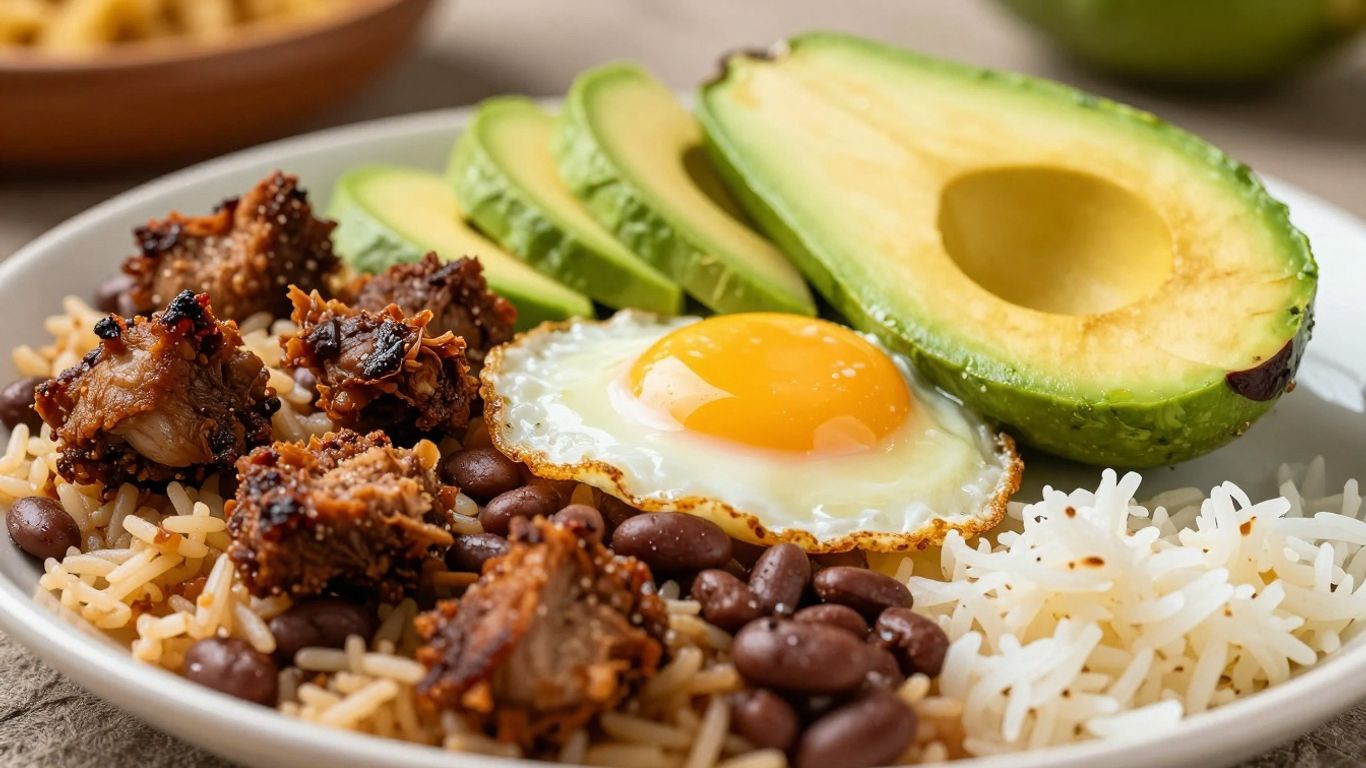
What are the must-try savory Colombian street foods in Medellin?
Medellin street food features hearty snacks like Arepa de Huevo, Carimañola, and Papa Rellena. These savory bites fill local plazas and bus stops. Recipes use simple, regional ingredients and traditional methods. Every stall highlights variations, giving us plenty to try when hungry on the go.
Arepa de Huevo: A Coastal Classic
Arepa de Huevo is a fried corn cake with an egg sealed inside. This snack comes from Colombia’s Caribbean coast but is easy to find at Medellin’s street stalls. Vendors fry the arepa once, slice it open, crack in a raw egg, and quickly fry again.
The outside is golden and crisp. The inside stays soft, with the egg slightly runny. Locals eat these in the morning or late at night. Each arepa costs about 3,000-4,000 COP. They pair well with spicy ají sauce or mild garlic mayo.
Carimañola: Yuca Dough Perfection
We recognize carimañolas by their thick yuca dough shell. Filled with meat—usually ground beef or shredded chicken—they are shaped like fat cigars. The yuca crust fries up creamy inside but crunchy outside. Shops fry them fresh to order.
Carimañolas are a common breakfast or early snack. The filling can have sweet notes if the cook adds raisins or bell pepper.
Main attributes of carimañola:
- Yuca dough outside
- Savory, sometimes sweetened, meat filling
- Best hot and crispy
Papa Rellena: Hearty Potato Bites
Papa Rellena means “stuffed potato” and it’s an easy, filling snack. Vendors mash potato, wrap it around ground meat or boiled egg, and coat it in batter before frying. This snack is dense, crispy outside and soft inside—perfect on cooler Medellin evenings.
A typical papa rellena costs 2,500-3,500 COP. Seasonings might include scallions or cumin for extra flavor. They go well with both salsa rosada and basic ketchup.
| Snack | Main Ingredient | Key Filling | Average Price (COP) |
|---|---|---|---|
| Arepa de Huevo | Corn meal | Egg | 3,000 – 4,000 |
| Carimañola | Yuca | Beef or Chicken | 2,000 – 3,000 |
| Papa Rellena | Potato | Beef or Egg | 2,500 – 3,500 |
Locals say Medellin’s street food is about quick comfort and daily routine, not just special treats.
For a taste beyond the streets, we sometimes explore main Colombian street food dishes to compare homemade and vendor versions. Nothing replaces hot snacks grabbed from a busy corner in Laureles or El Centro.
FAQ: Essential Savory Street Food Experiences
Where can we find these snacks in Medellin?
Small carts and stalls in Plaza Minorista, downtown corners, and local bus stops offer these snacks all day.
What sauces go best with arepas and potatoes?
Locals often add ají picante, garlic mayo, or pink sauce to boost flavor and cut through the oil.
Are these foods safe for travelers to eat?
Most stands cook everything fresh. We look for high-traffic vendors—busy equals fresher and safer snacks.
Do these snacks work for vegetarians?
Occasionally. Most classic versions use meat or egg, but some stalls offer cheese or plain potato versions.
How much should we budget for savory street food in a day?
Around 7,000 to 12,000 COP covers a few snacks and a drink. Very affordable for daily discovery.
Written by the editorial team at Things To Do Medellin, featuring local insights and verified recommendations from the city’s top-rated cultural artisans.
Understanding Medellin’s Street Food Culture
Street food is a big part of life here in Medellin. We eat it all day, every day. It is simple, filling, and usually quite affordable. Every vendor has their own way of making things. We often find our favorite dishes at small stands or in busy markets. It is a way to connect with the local way of life.
The Role of Sauces in Street Food
Sauces are really important for our street food. They add a lot of flavor and character. A good sauce can make a simple snack taste amazing. We have several popular sauces that go with many different foods. These sauces are often made with fresh ingredients.
- Salsa de Ajo: This is a creamy garlic sauce. It is made with mayonnaise, garlic, and lime. It tastes great on everything from fries to grilled meats. It is a very common sauce you will see everywhere.
- Chimichurri: Our version has parsley, garlic, oil, and vinegar. We often add cilantro and cumin too. It is fresh and a bit tangy. We use it a lot with grilled meats at asaderos.
- Guacamole: Avocado is a big deal here. Our guacamole is chunky, made with tomato, onion, cilantro, and lime. It is not too smooth. It goes well with empanadas and fried plantains.
The secret to many of our favorite street dishes is often in the sauce. It transforms simple ingredients into something special.
Popular Street Food Accompaniments
Besides sauces, there are other things we like to have with our street food. These are simple additions that make the meal more complete. They are usually fresh and add a nice texture or flavor. We often see these items offered at food stalls.
- Salt and Lime: For things like mango biche, a simple squeeze of lime and a pinch of salt is perfect. It brings out the natural flavors.
- Crushed Potato Chips: Yes, we put crushed chips on top of some dishes, like hot dogs. It adds a salty crunch.
- Fresh Herbs: Cilantro is used a lot. It adds a fresh, bright flavor to many dishes.
Where to Find Authentic Bites
Finding the best street food is part of the adventure. We look for busy spots where locals are eating. Markets are always a good place to start. You can find a wide variety of food there. Some neighborhoods are also known for their street food scene. We recommend exploring different areas to discover new favorites. You can find great food at Plaza Minorista or Mercado del Rio.
| Food Type | Common Location | Notes |
|---|---|---|
| Arepas | Sidewalks, Markets | Everyday staple |
| Empanadas | Street Stalls, Markets | Often served with aji |
| Chicharrón | Roadside Stands | Best when fresh from the fryer |
| Salpicón | Parks, Markets | Refreshing fruit mix |
Beyond the Plate: Local Market Discoveries
When we explore Medellin, we often look for authentic food experiences. Local markets offer a direct connection to the city’s culinary heart. These places are where we can see, smell, and taste the freshest ingredients. They are also great spots to find prepared foods.
Plaza Minorista’s Vibrant Offerings
Plaza Minorista is a large public market. It is a sensory experience. We can find a huge variety of fresh fruits here. Many are tropical and unique to the region. Vendors also sell vegetables, meats, and spices. It is a busy place, full of local life. We can try exotic fruits we have never seen before. It’s a good place to understand local produce. You can also find some prepared food stalls scattered throughout. This market is a true reflection of Antioquian agriculture. Consider taking a guided exotic fruits tour here.
Mercado del Rio’s Culinary Hub
Mercado del Rio offers a different market experience. It is more of a modern food hall. Here, we find many restaurants and food stalls. They serve a wide range of Colombian dishes. It is a good place to sample various foods in one location. We can try everything from bandeja paisa to seafood. The atmosphere is lively, especially on weekends. It is a popular spot for locals and visitors alike. This market is a great place for a casual meal. It showcases the diversity of food available in Medellin. We can find a good selection of local drinks too.
Markets are more than just places to buy food. They are community centers. They are where traditions are kept alive. We can learn a lot about local culture by visiting them.
A Taste of Local Delicacies
We explore some classic Colombian street food items. These are popular snacks found throughout Medellin. They offer a glimpse into local flavors and traditions.
Buñuelos: Golden Fried Cheese Balls
Buñuelos are a common sight at street stalls and bakeries. These are small, round balls made from cheese and tapioca flour. They are deep-fried until golden brown and puffed up. The texture is crispy on the outside and soft and chewy inside. They have a mild, savory cheese flavor. We often eat them for breakfast or as a snack with coffee. They are a simple yet satisfying treat.
Empanadas: A Colombian Staple
Empanadas are a must-try street food across Colombia. We find them everywhere, from busy markets to quiet corners. The dough is typically made from corn, giving it a distinct texture when fried. Fillings vary by region, but common ones include seasoned meat and potatoes. We often dip them in ají, a spicy salsa, for an extra kick. They are a versatile snack, perfect any time of day. You can find great empanadas at many local spots, including those recommended on food tours.
Hot Dogs: A Unique Local Twist
The Colombian hot dog, or perro caliente, is an experience in itself. It starts with a standard sausage and bun. Then, vendors add a generous array of toppings. These can include ketchup, mayonnaise, mustard, melted cheese, and even crushed potato chips. Some places offer pineapple sauce or quail eggs. TasteAtlas even ranked them highly for their size and unique combinations. It is a popular late-night food choice.
The perro caliente shows how local flavors transform familiar foods. It is a testament to Colombian creativity in street cuisine. We enjoy its bold and often surprising combinations.
Conclusion
Our journey through Medellin’s street food scene has shown us a vibrant world of flavors. From hearty main dishes to sweet treats and savory snacks, there’s always something new to try. We’ve explored bustling markets and learned about the culture behind these delicious foods. We hope this guide helps you discover the best authentic Colombian street food Medellin has to offer. Don’t forget to try the Colombian Cacao Experience in Laureles for a unique hands-on activity. It’s a great way to spend about 3.5 hours and costs 160,000 COP per person, offering a deep dive into chocolate making, including a cacao ceremony and a chocolate exfoliation ritual. It’s also a top-rated experience on TripAdvisor, perfect for a rainy day.
Frequently Asked Questions
What is Bandeja Paisa?
Bandeja Paisa is a huge meal from the Antioquia region. It comes with beans, rice, chicharrón (fried pork belly), plantain, avocado, and a fried egg. It’s a big plate meant to fill you up!
Are arepas sweet or savory?
Arepas can be both! The basic Arepa Paisa is plain and often eaten with cheese or eggs. Other types, like Arepa de Choclo, are made with sweet corn and topped with melted cheese, making them a sweet and savory treat.
Where can I find good street food in Medellin?
You can find great street food all over Medellin. Markets like Plaza Minorista and Mercado del Rio are good places to start. Also, just walking through neighborhoods like El Poblado or Laureles will lead you to many vendors.
What is chicharrón?
Chicharrón is crispy, deep-fried pork belly. It’s a popular part of many Colombian dishes, especially Bandeja Paisa, and is also enjoyed on its own as a crunchy snack.
Is street food safe to eat in Medellin?
Generally, yes, street food in Medellin is safe if you choose vendors that look clean and busy. Look for places where locals are eating, as this is usually a good sign of quality and freshness.
What’s a sweet street food I should try?
You should definitely try Mango Biche. It’s green mango sliced up and seasoned with salt and lime. It’s tangy, refreshing, and a very popular snack, especially on hot days.