
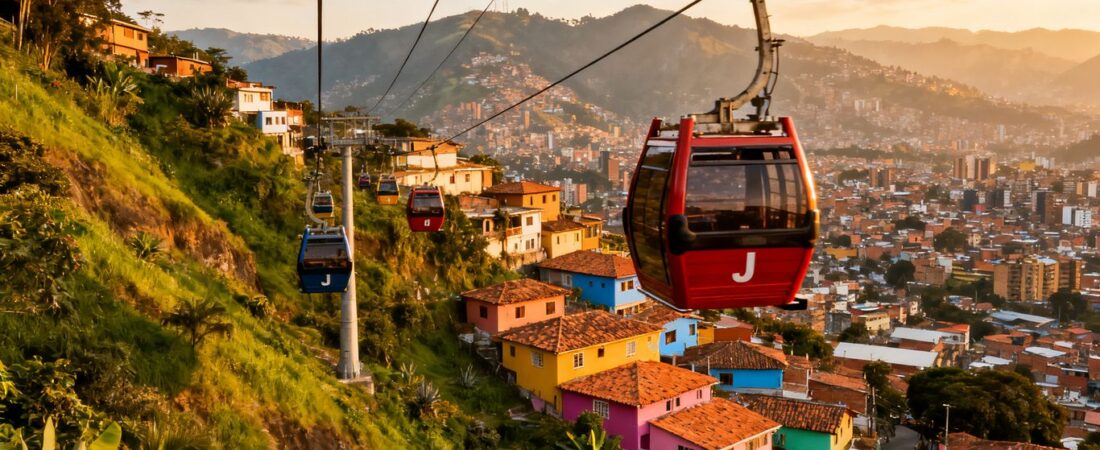
We wanted to see Medellin from a different angle, so we decided to take a ride on the Medellin Metrocable cable car Line J. It’s more than just a way to get around; it’s a window into the city’s life. We’ll share what we learned about this unique transit system and what you can expect if you decide to hop on.
Key Takeaways
- The Medellin Metrocable cable car Line J offers a unique perspective of the city, connecting hillside communities to the main transit network.
- Riding Line J is an affordable and efficient way to travel, integrating smoothly with Medellin’s broader public transport system.
- The Metrocable provides stunning panoramic views, showcasing the diverse landscape and urban sprawl of Medellin.
- Key stations along Line J serve as gateways to local neighborhoods, offering insights into daily life and culture.
- Using the Cívica card is the most convenient and cost-effective method for paying fares across the Medellin Metrocable and other public transit.
Understanding the Medellin Metrocable Cable Car Line J
An Overview of the Metrocable System
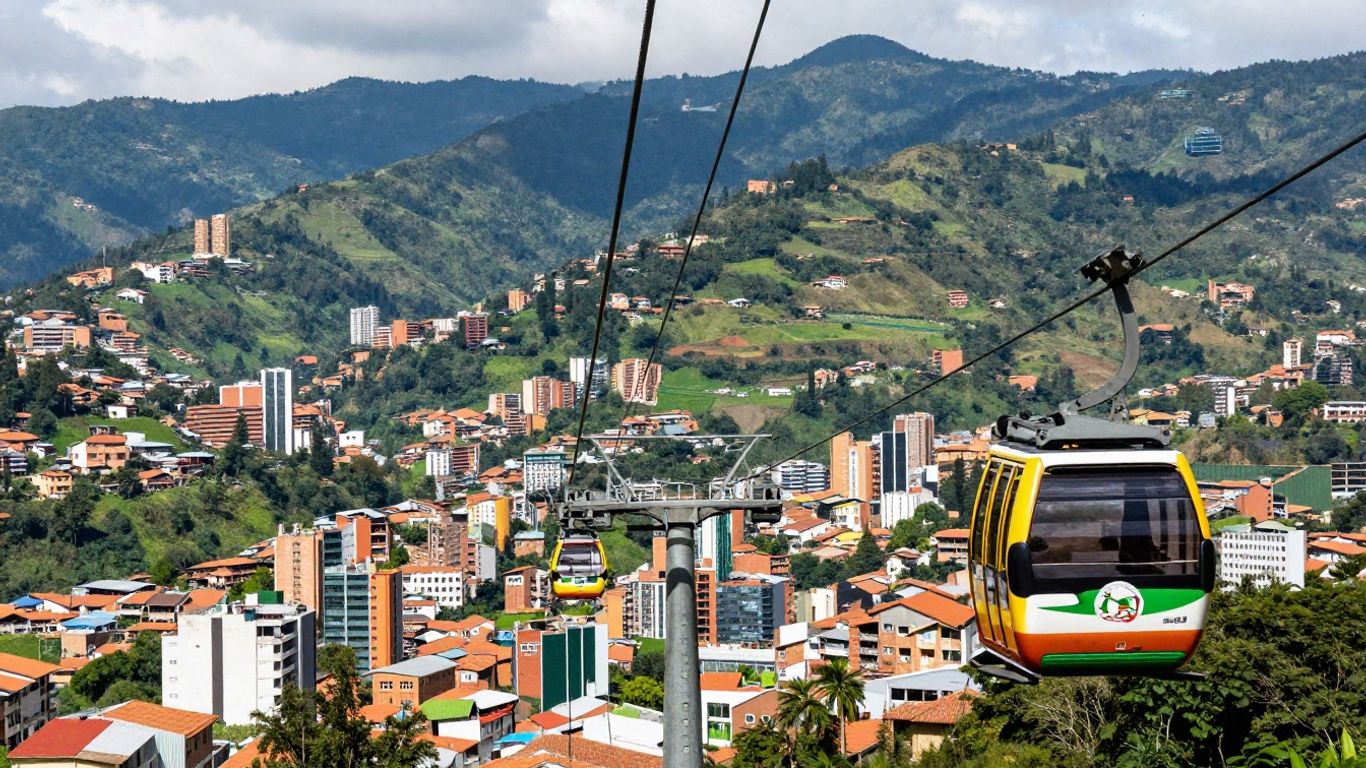
Medellin’s Metrocable is a unique public transport system. It uses cable cars to connect hillside communities. This system is vital for many residents. It provides access to the city’s main transit network. The cable cars offer a different perspective of the city. They glide over neighborhoods and green spaces.
Line J’s Strategic Importance
Line J is a key part of the Metrocable network. It was one of the first lines built. Its primary goal was to link the San Javier area. This area is in the western part of the city. Line J connects directly to the Metro’s Line B. This integration is crucial for daily commutes. It significantly reduced travel times for many people. The line serves densely populated hillside neighborhoods. These areas were previously hard to reach.
Connecting Communities Through the Sky
The Metrocable, including Line J, has transformed urban mobility. It bridges geographical divides. It brings isolated communities closer to opportunities. Access to jobs, education, and healthcare improved. We see a more connected city from above. The cable cars are more than just transport. They represent social inclusion and progress. This system is a model for other cities. It shows how innovative transit can serve communities. Exploring Line J offers a glimpse into this transformation. It’s a journey that connects people and places. You can experience this connection firsthand when you ride the Metrocable for stunning city views.
The Metrocable system is a testament to Medellin’s innovative spirit. It addresses urban challenges with practical solutions. The impact on daily life for residents is profound. It’s a visible symbol of the city’s ongoing development.
Navigating Medellin’s Public Transport Network
The Metro as the City’s Backbone
The Metro is the core of Medellin’s transit system. It is the only metro in Colombia. Two main lines, A and B, connect key city areas. The Metro is fast, reliable, and clean. It runs from early morning until late at night. Stations have clear maps and signs. You can use a Cívica card or buy single tickets. The card is cheaper and easier for transfers. The system connects well with other transit modes.
Integrating Metrocable with Other Transit
Medellin’s transit is designed to work together. The Metro connects to Metrocable lines. This makes travel between different parts of the city simple. You can transfer between the Metro and Metrocable at certain stations. This integration is key to reaching hillside neighborhoods. It also connects to the Ayacucho Tram. This creates a wide network for getting around.
The Role of the Cívica Card
The Cívica card is your main travel pass. It works on the Metro, Metrocable, and buses. Tourists can buy a basic "Al portador" card. You can get it at any metro station. Longer-term visitors might want a personalized card. You can reload your card at stations or through an app. Using the card offers transfer discounts. It also helps you avoid ticket lines. This makes your travel smoother and more affordable. It’s the smartest way to get around Medellin like a local.
Medellin’s public transport is more than just getting from A to B. It lets you experience the city’s daily rhythm. You connect with the friendly Paisa culture. This is where you feel the heartbeat of Medellin.
Experiencing the Journey on Line J
Boarding and Route Details
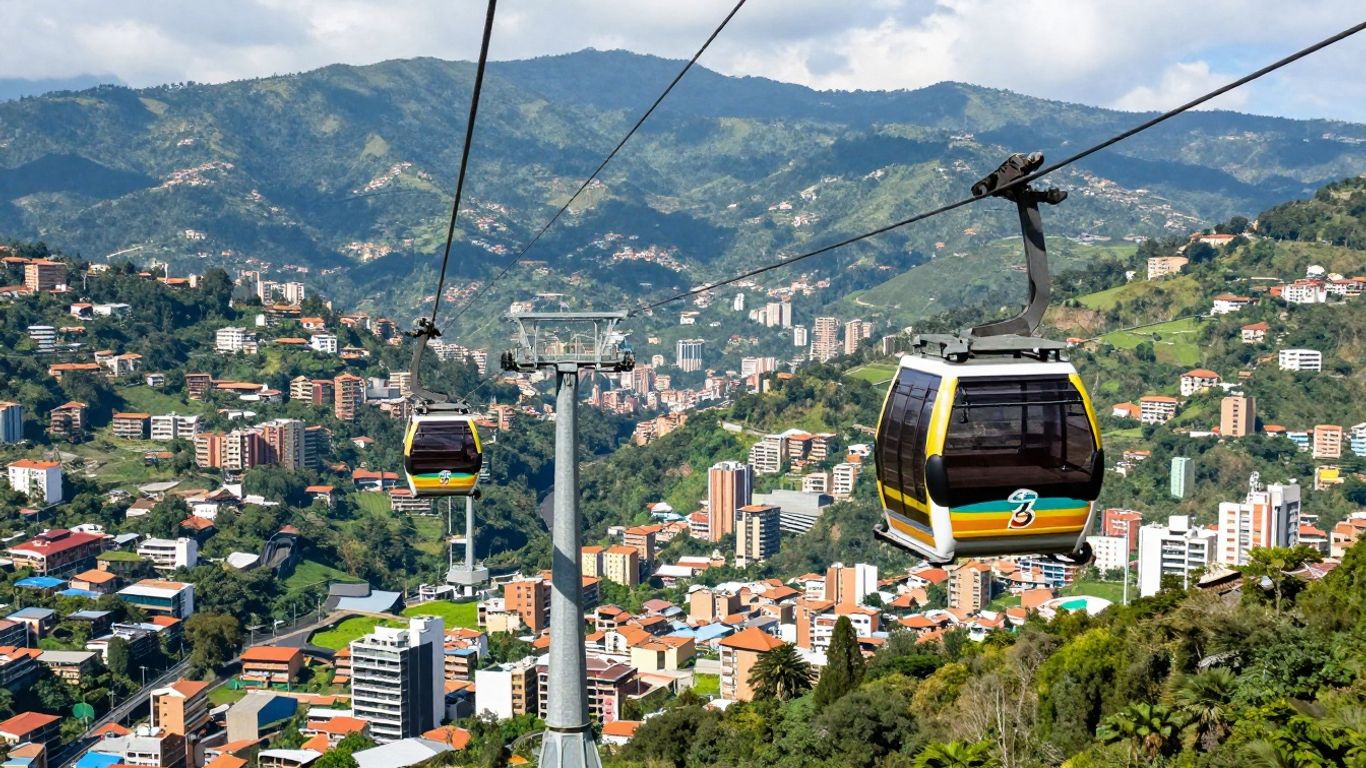
Getting on Line J is straightforward. We usually start at the San Javier Metro station. From there, we transfer to the Metrocable system. The journey begins with a smooth ascent. The cabins are modern and comfortable. We can see the city spread out below us. The route follows a specific path over the hillsides. It connects several neighborhoods. This aerial ride is a key part of our daily commute. It offers a unique perspective on Medellin.
Panoramic Views from Above
The views from Line J are truly something else. As we climb higher, the city unfolds. We see the colorful houses clinging to the slopes. The green mountains form a dramatic backdrop. It’s a different way to see Medellin. We get a sense of the city’s scale. The ride is generally quiet. We can talk or just enjoy the scenery. It’s a peaceful way to travel. The weather can change quickly up here. Sunny days offer the best visibility. Even on cloudy days, the views are interesting. It’s a visual treat for us locals.
Key Stations and Their Surroundings
Line J has several important stops. San Javier is our main transfer point. From there, we go to stations like La Aurora and Las Torres. Each station serves a distinct community. Around La Aurora, we find local markets. People gather here for daily shopping. Las Torres offers access to higher parts of the hills. We can see more of the urban landscape. Some stations are closer to parks or community centers. We often see children heading to school. Adults are on their way to work. The stations themselves are simple but functional. They are designed for easy access. Comuna 13 is a notable area accessible from this line. It’s known for its vibrant street art.
Accessibility and Practicalities of Line J
Understanding the fares and operating hours for Metrocable Line J is key. We can easily access neighborhoods using this system. It connects many parts of the city.
Fares and Payment Options
Using Line J is straightforward. We pay with the Cívica card. This card works across most of the transit system. You can buy a card or load it at stations. Single tickets are also available. The fare is quite low. It makes travel affordable for everyone.
Operating Hours and Frequency
Line J runs daily. It starts early in the morning. Service continues until late at night. Trains are frequent, especially during peak times. We can check the exact schedule at stations. Waiting times are usually short. This makes it reliable for daily commutes.
Safety and Etiquette on Board
We feel safe riding the Metrocable. The cabins are well-lit. Staff are present at stations. We should be aware of our surroundings. Keep belongings close. Let passengers exit before boarding. Priority seating is available. Respecting these simple rules helps everyone.
The Metrocable is a vital link for many residents. It offers a reliable and affordable way to travel. We appreciate its role in connecting communities.
Connecting to Further Adventures
Line J serves as a gateway. It allows us to reach new areas. From here, we can explore local life. We can also connect to other transport. This opens up more of the city. Consider using apps like Google Maps for planning. It helps us see the full transit network. Things To Do Medellín has many ideas for exploration.
Beyond the Cable Car: Exploring Line J’s Destinations
Line J of the Metrocable connects us to several important neighborhoods. It offers practical transport for daily life. We can reach areas previously harder to access. This line is a vital link for many residents.
Accessing Neighborhoods via Line J
The Metrocable Line J serves as a direct artery to communities in the northwestern part of the city. It begins its ascent from the San Javier Metro station. From there, it travels upwards, serving stations like Vallejuelos, Doce de Octubre, and San Javier. These stations are gateways to distinct local areas. The primary function is to integrate these hillside communities with the broader city network.
Local Life and Cultural Insights
Riding Line J offers a glimpse into everyday Medellín life. We see homes clinging to the hillsides. Children wave as the cabins pass overhead. The journey itself becomes a cultural experience. It shows how the city has grown and adapted. We can observe the daily commutes of residents. This perspective is different from tourist areas. It highlights the city’s resilience and community spirit. For those interested in authentic experiences, exploring these areas is rewarding. You can find local eateries and small shops. These places offer a taste of genuine neighborhood life. Consider visiting the Comuna 13 area, which is accessible via a transfer from the San Javier Metro station, a hub for vibrant street art and local culture. Comuna 13
Connecting to Further Adventures
Line J doesn’t just end at its last station. It acts as a starting point for further exploration. From the upper stations, we can walk or take local transport to discover more. We might find small parks or community centers. These are places where local events happen. The Metrocable makes these areas reachable for day trips. It allows us to see different facets of Medellín. We can connect with the city’s diverse urban landscape. This line opens up possibilities beyond the usual tourist paths. It encourages us to look closer at the city’s fabric. The journey on Line J is more than just a ride; it’s an invitation to explore.
The Metrocable system, including Line J, has significantly improved mobility. It has reduced travel times for many residents. This integration has also brought new opportunities to previously isolated areas. It’s a key part of Medellín’s urban development story.
Wrapping Up Our Metrocable Journey
So, that’s our look at Line J of the Metrocable. We’ve seen how it connects communities and offers a different view of the city. It’s more than just a way to get around; it’s part of the Medellín experience. We hope this helps you plan your own trips on the Metrocable and see the city from a new perspective. Remember to check schedules and enjoy the ride.
Frequently Asked Questions
What is the Metrocable Line J and why is it important?
Line J is one of the cable car lines that make up Medellin’s Metrocable system. It’s really important because it connects neighborhoods on the hillsides to the main metro system, making it easier for people to get to work, school, and other parts of the city.
How do we pay for the Metrocable Line J?
We can pay for Line J using the Cívica card, which is like a transit pass for Medellin’s public transport. You can also buy single tickets, but the Cívica card is usually cheaper and makes transfers easier.
What can we see from the Metrocable Line J?
Riding Line J offers amazing views of the city’s colorful neighborhoods climbing up the mountainsides. We get to see a different side of Medellin from above, with houses stacked on top of each other and the sprawling urban landscape.
Is the Metrocable Line J accessible for everyone?
The Metrocable system is designed to be accessible. The cabins are usually easy to get into, and the stations are connected to the metro, which also has accessibility features to help people with different needs.
What are the operating hours for Metrocable Line J?
Line J generally operates during similar hours to the rest of the metro system, usually starting early in the morning and running until late at night. It’s best to check the exact times, as they can sometimes change.
What’s the best way to use the Cívica card for transfers?
The Cívica card is great for transfers between the metro and Metrocable lines like Line J. We just tap our card when we enter the system, and it automatically handles the fare for the whole journey, often with discounts.