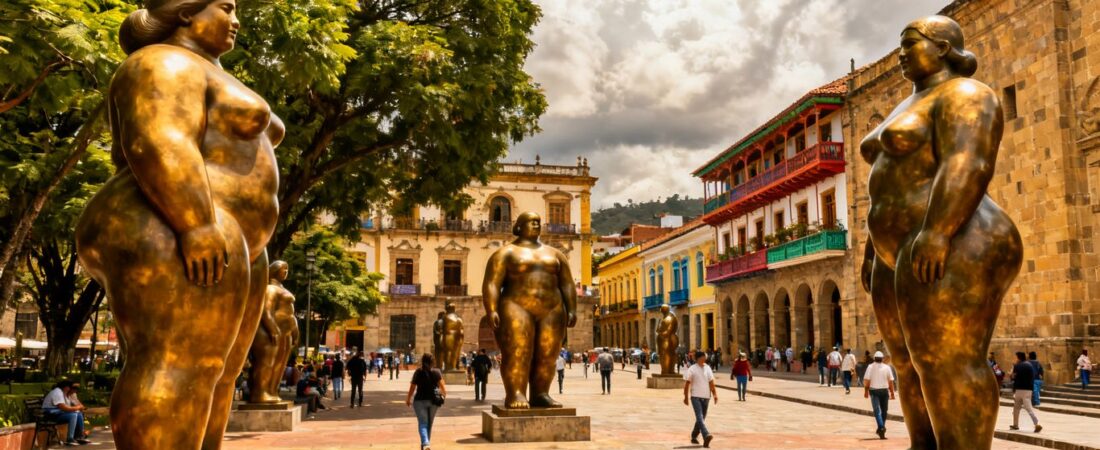
When we visit Medellín, one spot that always stands out is Plaza Botero. This open plaza, right in the city center, is packed with Fernando Botero’s famous bronze statues. We can walk among 23 of his oversized figures, snap photos, and watch how locals and tourists interact with the art. The plaza is free, lively, and gives us a real sense of Medellín’s public art scene. Whether we’re into art or just want to see something unique, the plaza botero medellin statues are hard to miss.
Key Takeaways
- Plaza Botero features 23 bronze sculptures by Fernando Botero, all free to view in the open plaza.
- Botero donated these statues to Medellín to make art accessible to everyone, not just museum visitors.
- The statues are designed for public interaction—people touch, lean on, and take photos with them daily.
- It’s easy to combine a visit to the plaza with the nearby Museo de Antioquia, which has even more Botero art.
- The plaza is busiest around midday, but mornings or late afternoons offer better light and fewer crowds.
Discovering Plaza Botero Medellin Statues
An Open-Air Museum of Voluminous Forms
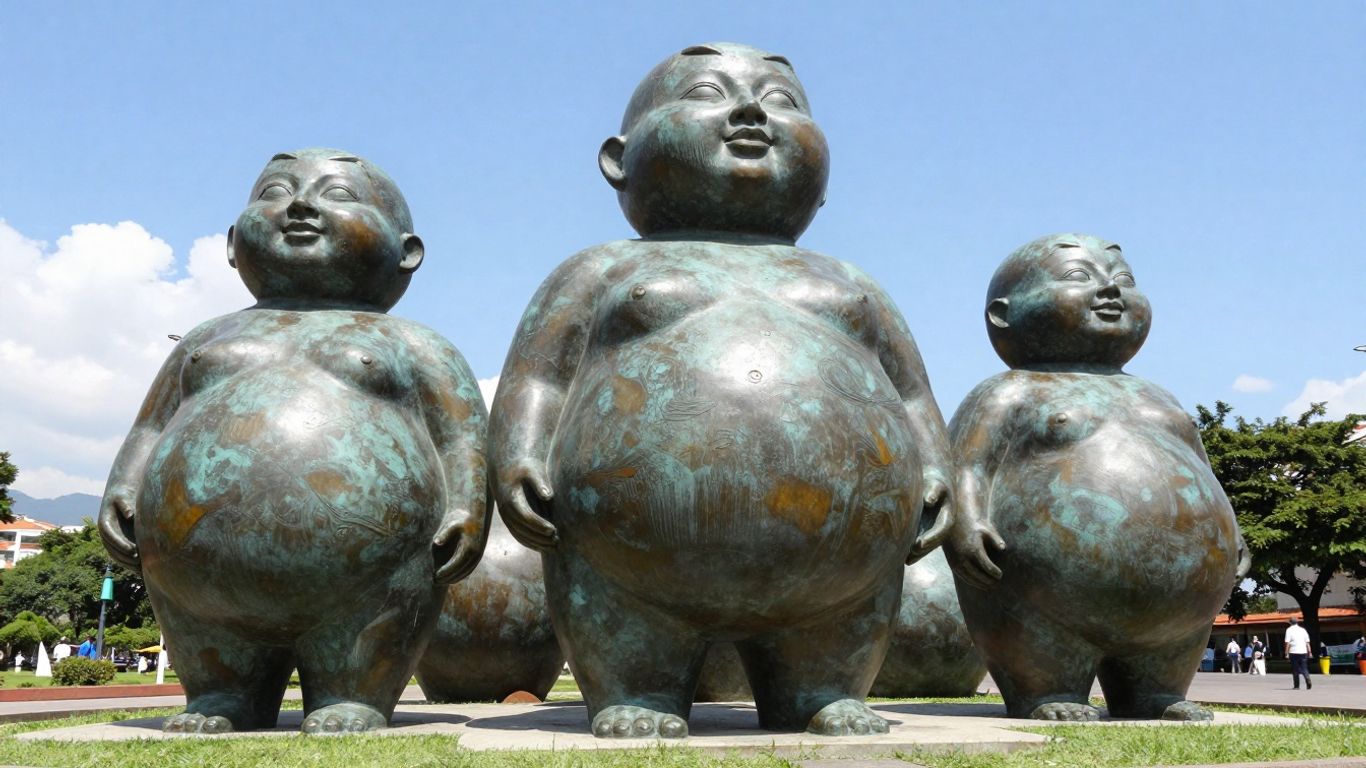
Plaza Botero is Medellín’s most famous public art space. It features 23 large bronze sculptures by Fernando Botero. These works transform a historic downtown plaza into an outdoor museum. The sculptures are all accessible without an entrance fee. They are a key part of the city’s cultural landscape.
Fernando Botero’s Generous Gift to Medellín
Fernando Botero donated these sculptures to Medellín in 2000. This gift was part of a larger cultural contribution. It included 108 works for the Museo de Antioquia. This created the largest public collection of his art outside major museums. Botero wanted to make art accessible to everyone. He placed these significant sculptures in a public plaza. This plaza is frequented by people from all walks of life. It fulfills Botero’s vision of art integrated into daily life. You can explore the sculptures in the plaza for free.
Understanding the Monumental Scale and Material
The sculptures are made of bronze. This material is durable and withstands the local climate. It also holds up to daily visitor interaction. The large size and weight of the pieces prevent theft. Botero designed them for public engagement. People are encouraged to touch and interact with the art. Children often climb on them. The exaggerated volume creates a sense of monumentality. It makes the art stand out in the urban environment. The rounded forms reference various artistic traditions. They are filtered through Botero’s unique perspective. The apparent simplicity hides complex artistic choices. These choices relate to proportion and balance. They reward careful observation by visitors.
Navigating the Plaza Botero Medellin Statues Collection
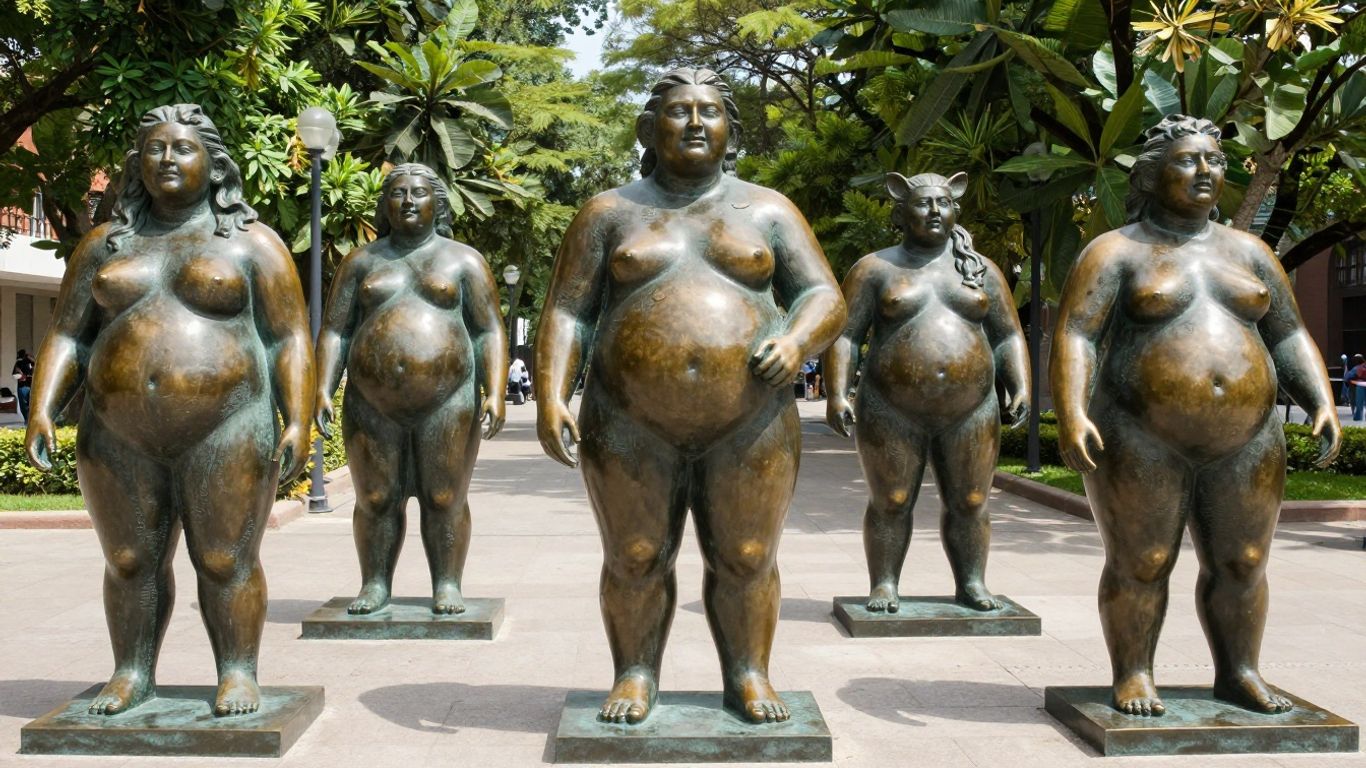
The Plaza Botero Medellin statues collection includes 23 large bronze sculptures donated by Fernando Botero. These works fill the square, making it a free, open-air display accessible to all. Visitors can see every sculpture in under an hour on foot. The plaza is centrally located and easy to reach from many city attractions.
Key Sculptures to Admire
Botero’s figures are notable for their exaggerated volume and rounded forms. We’ll want to look for:
- Reclining Woman: This piece sits near the main museum entrance.
- Roman Soldier: Recognizable by the stylized armor and exaggerated proportions.
- Adam and Eve: Standing close together, each with strong curving features.
- The Cat: A favorite among children for its playful stance.
Each bronze statue reflects Botero’s interest in sensuality and abundance. They are arranged so we can enjoy different sightlines as we move around the plaza. For a quick guide to the entire collection, check the interpretive plaques beside each artwork. Find more about the public access and connections to nearby spots at Plaza Botero in Medellin.
Suggested Viewing Times for Optimal Experience
The plaza is most lively in the morning and late afternoon, Tuesday through Sunday. Around 9 to 11 AM, local residents and guided groups begin to arrive. After 4 PM, the lighting softens and the heat drops, making viewing comfortable.
- Mornings: Least crowded, best for clear photos.
- Late afternoons: Good shade, pleasant for walking.
- Avoid Mondays: Museum is closed, and less activity in the plaza.
Expect more vendors and buskers in the late afternoon. Visiting during these recommended hours helps us feel safe and enjoy a more relaxed experience.
Self-Guided Exploration Versus Guided Tours
We notice that self-guided visits allow flexible timing and pacing. Guided tours, however, offer context, stories, and historical facts that deepen our understanding.
- Self-guided: Take 30-60 minutes.
- Guided: Usually lasts 1.5 hours, includes museum visit.
- Both formats: Opportunity to photograph, pause, and interact with sculptures.
Some tours are available in English and combine other attractions downtown, as curated by local Medellín experts.
Most of us find that spending at least 45 minutes here covers the artworks well, and guided tours add value if we’re interested in art history.
The Artistic Philosophy Behind the Plaza Botero Medellin Statues
The art in Plaza Botero is more than just big shapes. We see Botero’s unique style here. He called his approach "Boterismo." It focuses on exaggerated volume. This gives his figures a sense of monumentality. It makes them stand out in the city. We can see this in every piece. The forms are rounded and full. They suggest sensuality and abundance. This is Botero’s way of showing life. He wanted art to be for everyone. He donated these works to Medellín. This was a generous gift to the city. It brought world-class art to public spaces. People can interact with it daily. It is not hidden away in a museum. We can touch it and experience it. This makes art feel more accessible. It is part of our everyday lives here.
Botero’s work draws from many influences. We can see echoes of pre-Columbian art. There are also connections to Renaissance proportions. Baroque opulence is present too. But it is all filtered through his Colombian perspective. He is known as the "most Colombian of Colombian artists." The large scale and bronze material are important. Bronze is durable for our climate. It can handle many visitors. The weight also helps prevent theft. Botero wanted people to engage with the art. Children can climb on them. People can lean against them. This interaction is part of the design. It is not just for looking at. It is meant to be lived with.
Beyond Surface-Level Interpretations
It is easy to just see "fat people" in Botero’s art. But there is more to it than that. The exaggerated volume is intentional. It gives the sculptures presence. They command attention in the plaza. This is important for public art. It needs to compete with city noise. The simple shapes hide complex decisions. Botero thought about balance and space. He considered surface texture. Looking closely reveals these details. It is not just about the size. It is about how the forms occupy space. This makes the art more interesting. We encourage you to look closely.
Volume, Sensuality, and Abundance
Botero himself described his style as focusing on "volume, sensuality, and abundance." These are the core ideas. The rounded figures are not meant to be realistic. They represent a fullness of life. This is a key part of his aesthetic. It is a celebration of form. The sensuality comes from the curves. The abundance is in the sheer mass. It is a very distinct style. You will see it repeated across his work. It is what makes Botero’s art recognizable. It is a visual language he developed. It speaks of richness and presence. This is what we feel when we see the sculptures.
Botero’s Colombian Perspective
Fernando Botero is deeply connected to Colombia. He is often called the "most Colombian of Colombian artists." His art reflects this identity. The forms can be linked to pre-Columbian traditions. They also echo the lushness of the landscape. The style is uniquely his own. Yet, it feels rooted in his homeland. He brought his art back to Medellín. He wanted to share it with his people. This plaza is a testament to that. It is a public space filled with his vision. It shows how art can be local and universal. It is a source of pride for us. We see our culture reflected in his work. You can find more of his art at the Museo de Antioquia.
Integrating Plaza Botero Medellin Statues into Your Itinerary
Visiting the Plaza Botero Medellin Statues is easy to fit into any central Medellin itinerary. The sculptures are located in the heart of downtown and connect directly to key cultural sites. Most visitors spend 45 to 60 minutes at the plaza.
Connecting with Museo de Antioquia
We recommend pairing Plaza Botero with the adjacent Museo de Antioquia. A single visit covers Botero’s outdoor bronze works and his extensive paintings and sketches inside the museum. Buying a combined admission (about $4.50 USD) keeps logistics simple. Spending up to three hours here allows us to see the full Botero collection and experience the historic plaza setting. Most tours in Medellin suggest starting with the Plaza Botero and Museo de Antioquia for a well-rounded art experience.
Walking Routes from Nearby Landmarks
It’s possible to reach Plaza Botero by foot from several popular landmarks. Here are typical walking times:
| Starting Point | Approximate Walking Time |
|---|---|
| Parque Berrío Metro Station | 2 minutes |
| Palacio de la Cultura | 3 minutes |
| Museo de Antioquia | 1 minute |
| Local Downtown Cafés | 5 minutes |
We recommend entering through Parque Berrío station. This gives a quick orientation to Medellin’s downtown and places us directly at the plaza’s edge.
Combining with Comuna 13 for a Full Day
A common way to combine art and Medellin’s social transformation is to visit Plaza Botero in the morning and Comuna 13 in the afternoon. It’s efficient and stretches from classic public art to vibrant mural galleries high on the west hillside. Here’s our suggested sequence for a full day:
- Plaza Botero + Museo de Antioquia (9:00 AM – 12:30 PM)
- Lunch in the downtown area (12:30 PM – 1:30 PM)
- Metro and metrocable transfer to Comuna 13 (1:30 PM – 2:00 PM)
- Self-guided or guided Comuna 13 graffiti walk (2:00 PM – 5:00 PM)
Combining the Plaza Botero Medellin Statues and Comuna 13 delivers a practical cross-section of Medellin’s art, history, and urban stories in one day.
For those wanting an indoor workshop alternative or a break from walking tours, the Colombian Cacao Experience in Laureles is also popular for an afternoon (3.5-hour) cultural session. This option fits especially well in rainy weather or for travelers seeking something different from the main tourist routes.
Planning your visit around these routes lets us maximize our time and see Medellin’s artistic highlights in a single itinerary. For more route ideas, see recommendations for top tours in Medellin.
Practical Information for Visiting Plaza Botero Medellin Statues
When we visit Plaza Botero, we need to consider a few practical things. The plaza is generally safe during daylight hours. Police presence is consistent. We should always be aware of our surroundings. This helps us enjoy the art and the atmosphere without worry.
Accessibility and Visitor Comfort
Plaza Botero is quite accessible for everyone. The ground is flat and paved. There are no stairs within the plaza itself. This makes it easy for wheelchairs and strollers. We can move freely between all the sculptures. The nearby Museo de Antioquia also has ramps and elevators. Getting here via the metro is also an option. Parque Berrío station is close by. Just check if the station elevators are working before you go.
Safety and Security in the Plaza
We can feel secure visiting Plaza Botero. There is a noticeable police presence. They patrol the area regularly. This is especially true during peak hours. We should still take normal precautions. Keep valuables secure. Be mindful of street vendors. Avoid displaying expensive items openly. The area is much safer now than in past years. Visiting during the day is recommended for the best experience.
Understanding Plaza Botero’s Dual Nature
Plaza Botero has two distinct sides. During the day, it’s a cultural hub. Artists and tourists fill the space. It’s perfect for appreciating the sculptures. In the evenings, it becomes more of a local gathering spot. Street vendors set up shop. People relax and socialize. This change is part of its charm. We can experience both sides. Just be mindful of the shift in atmosphere. It’s a living, breathing part of the city.
We can combine our visit to Plaza Botero with other downtown attractions. A walk through the historic center is easy from here. We can also visit the Palacio de la Cultura Rafael Uribe Uribe. It’s right across the street. For a full day of art and culture, we can head to Comuna 13. It offers a different, vibrant perspective on Medellín’s transformation. Planning our route beforehand helps us make the most of our time.
The Enduring Legacy of Plaza Botero Medellin Statues
Plaza Botero Medellin statues represent a permanent transformation of the city’s center. The focus keyword is embedded here: these statues have anchored Medellín’s urban identity for over two decades, offering open access to world-class art and acting as a symbol of community renewal. We find their impact visible in daily life, tourism, and city policy.
A Catalyst for Urban Renaissance
Botero’s donation of his sculptures in 2000 reshaped downtown Medellín. Before this, the plaza suffered from neglect. Security and informal street commerce dominated the area. Now, police presence and municipal investment have created a safe, well-maintained cultural corridor. The statues act as a focal point for families, school groups, and tourists. This shift is part of a larger program supporting public culture, improved transit, and new development around the plaza. Metro access and proximity to other attractions make it a constant hub of local activity.
- Increased visitor numbers year-round
- Direct access from metro and bus lines
- New businesses catering to cultural tourism
| Year | Annual Plaza Visitors |
|---|---|
| 2000 | 450,000 |
| 2010 | 900,000 |
| 2025 | 1,700,000 |
The statues anchor daily downtown life, inviting people of all backgrounds to pause and interact with art.
Democratizing Art for All
Fernando Botero gifted the sculptures to make art accessible for everyone. Plaza Botero remains free and open 24 hours, with over 20 monumental works distributed across public space. This decision breaks with tradition—art is not hidden in museums but experienced openly among street vendors, commuters, and children at play.
- Free entry day and night
- Art encountered in daily routine
- Inclusive space crossing social divides
Botero’s aim was clear: bring international-level sculpture to those who might never visit a museum. Public feedback confirms that most Medellín residents first encounter Botero’s unique style right here.
Medellín’s Identity as a City of Public Art
We see Plaza Botero influencing Medellín’s broader image. The city now emphasizes its reputation for public art projects. Laws supporting mandatory art in new construction echo Botero’s vision.
Local and visiting artists contribute new pieces every year. The plaza stands as a visible claim—Medellín champions cultural citizenship. International guides list it among the city’s defining features.
- Over 23 major Botero statues in the plaza
- City policy requires art in new public buildings
- Annual events and workshops in the plaza
Medellín’s shift from post-conflict city to cultural capital is anchored by these works. Plaza Botero remains the most recognized physical symbol of this change.
Conclusion
Wrapping up our visit to Plaza Botero, we can see how these sculptures are more than just art—they’re part of Medellín’s daily life. Walking among Botero’s bronze figures, we get a sense of the city’s history and the artist’s unique style. It’s easy to spend an hour or two here, just taking it all in and watching locals and travelers interact with the art. If you want to keep exploring Medellín’s creative side, there are other spots nearby, like the Museo de Antioquia, that add even more context. And if you’re looking for something hands-on, the Colombian Cacao Experience in Laureles is a great option for a rainy day or anyone curious about local culture. It’s a 3.5-hour bean-to-bar chocolate workshop that’s ranked #1 for classes and workshops in the city. Whether you’re an art lover or just want to see what makes Medellín tick, Plaza Botero is a good place to start.
Written by the editorial team at Things To Do Medellin, featuring local insights and verified recommendations from the city’s top-rated cultural artisans.
Frequently Asked Questions
How much does it cost to visit Plaza Botero in Medellín?
Plaza Botero is always free to visit, and you can see all 23 Botero sculptures without paying anything. If you want to visit the Museo de Antioquia next door to see more of Botero’s art, the ticket is about 18,000 COP (around $4.50 USD).
What is the best time of day to see the Plaza Botero statues?
The best times are in the morning (9 AM to 11 AM) or late afternoon (3 PM to 5 PM) to avoid the midday heat and get the best photos. These hours also tend to be less crowded and safer for visitors.
Are the Plaza Botero sculptures safe to touch or climb?
Yes, the sculptures are made of bronze and are designed to be touched and enjoyed up close. Fernando Botero wanted everyone to interact with his art, but we should still be gentle and avoid climbing to keep them in good shape for others.
How long does it take to see all the statues in Plaza Botero?
Most people spend about 45 minutes to an hour walking around and looking at each sculpture. If you also visit the Museo de Antioquia, plan for about 2.5 to 3 hours for the full experience.
Can we visit Plaza Botero and Comuna 13 in one day?
Yes, it’s possible and popular to visit both in one day. We suggest starting with Plaza Botero and the museum in the morning, then heading to Comuna 13 in the afternoon for a mix of classic and modern Medellín art.
Is Plaza Botero wheelchair accessible?
Yes, the plaza has flat, paved surfaces and no steps, making it easy for wheelchair users to get around. The Museo de Antioquia also has ramps and elevators for full access.